







Introduction:Is Mandheling a coffee variety or a place name? Why is Mandheling from the Sidikalang region of Sumatra often considered the go-to choice for entry-level everyday beans? This article delves into the origins of the name "Mandheling," explores the cultivation environment of Sumatra Island, highlights the unique flavor characteristics of the Sidikalang region, and details how the wet-hulled processing method shapes its rich body. It also provides practical roasting and pour over recommendations to give you a comprehensive understanding of this bold Indonesian Arabica coffee.
When it comes to Indonesian coffee, many people immediately think of Sumatra, and the most representative coffee from Sumatra is undoubtedly "Mandheling," which is often mistaken for a coffee variety. In fact, Mandheling is not a coffee variety name but originates from the name of an indigenous ethnic group in the Tapanuli region of northwestern Sumatra. Years ago, when a Japanese buyer asked about the name of the local coffee, residents mistakenly thought he was asking about their ethnic group and answered "Mandheling." This name later became synonymous with Sumatran Arabica coffee, and only Arabica beans produced on the island can use it.
As the main coffee-producing region in Indonesia, Sumatra contributes over 70% of the country’s total coffee exports, including both Robusta and Arabica. The island is home to two well-known lakes—Lake Toba and Lake Tawar—which provide a stable water supply to surrounding areas. The tropical rainforest climate maintains an average annual temperature between 25–28°C, with evenly distributed rainfall throughout the seasons and no distinct dry season, offering ideal conditions for coffee tree growth. However, the rainy season may also affect the coffee harvest around October, so attention should be paid to weather changes that could impact yield.
The Sidikalang region is located in northern Sumatra, near Lake Toba, and is spread across the Sidikalang mountain area at an altitude of approximately 1,000 to 1,500 meters. The region features volcanic terrain and volcanic lakes, which contribute to fertile volcanic soils. Coupled with abundant rainfall under the tropical rainforest climate, it provides an exceptionally favorable environment for coffee cultivation. Mandheling from the Sidikalang region has relatively lenient requirements for bean size during selection, so it is common to see beans of varying sizes. If the processing is not meticulous enough, it may also lead to inconsistent flavor performance. However, this does not overshadow its flavor charm—although slightly less clean in cup, Sidikalang Mandheling possesses the typical bold, rich body, intense flavors, and unique herbal and spicy notes of Indonesian coffee, making it a popular choice as an everyday bean for beginners.
When discussing the unique flavors of Indonesian coffee, one cannot overlook the "wet-hulled processing method." Due to Indonesia’s high humidity year-round—around 70% to 90%—coupled with frequent rainfall, traditional sun-drying or washed drying processes are often time-consuming and risky. To improve efficiency and adapt to these climatic challenges, the wet-hulled method was developed locally. This method first removes the coffee fruit's skin and pulp, leaving the parchment and mucilage, which undergo a brief fermentation in water before the mucilage is washed off. The beans, still covered in parchment, are then sun-dried for 2 to 3 days until the moisture content drops to 20%–24%. At this point, the beans are still semi-hard, and the outer parchment layer is directly removed before further drying to reach the target moisture content of 13%–15%. Because the beans are still moist and soft during processing, they are prone to compression during hulling, resulting in cracks and the distinctive "elephant hoof" shape, one of the hallmark features of Mandheling coffee.
For Mandheling from the Sidikalang region, medium to dark roasting is recommended to bring out its rich base and layered aromas. Taking a common roasting curve as an example, the charge temperature can be set at 200°C, with the initial air vent open to 3 and the heat set to 160°C, maintaining stability. When the turnaround point is reached at around 1 minute and 45 seconds, maintain the heat; at 140°C, reduce the heat to 1 and adjust the air vent to 4. Around 5 minutes and 8 seconds, when the bean surface turns yellow and the grassy aroma fades, it enters the drying phase. After dehydration is completed at 7 minutes and 30 seconds, reduce the heat to 110°C. At this stage, the bean surface shows wrinkles and dark spots, and the aroma shifts from toastiness to a distinct coffee fragrance, signaling the approach of first crack. Around the 9-minute mark, first crack begins; you can then increase the air vent to 5 and allow the coffee to develop for about 4 minutes after first crack, finally dropping the beans at 202°C.
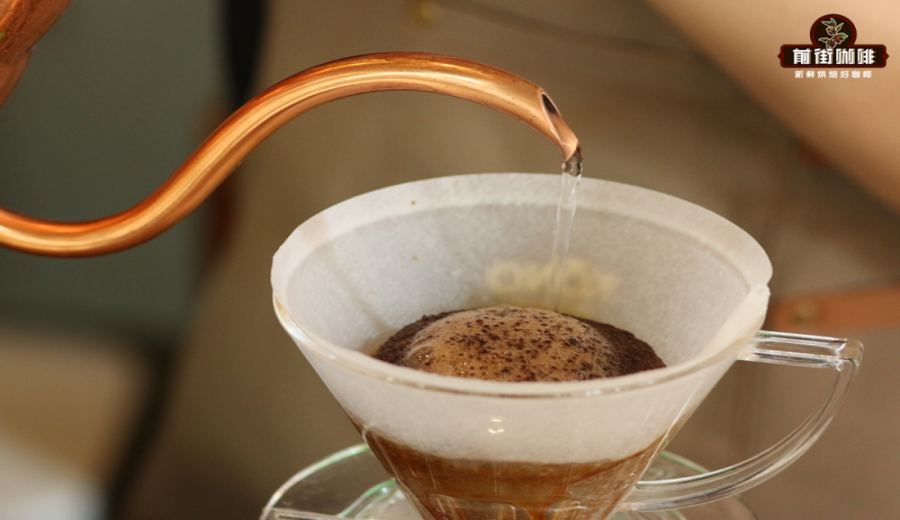
For pour over, if you want to highlight the bold character of Sidikalang Mandheling, you can choose a Kono dripper. But if you only have a V60 at home, you can also achieve a similar effect by adjusting grind size and technique. It is recommended to use 15 grams of coffee beans, with a medium-fine grind (approximately 78% passing through a #20 standard sieve), water temperature controlled at 88°C, and a brew ratio of 1:15. When pouring, it is advisable to go slowly, at about 3–4 ml per second. Specifically, start with a 30-gram bloom for about 30 seconds to allow the coffee grounds to fully expand; in the second pour, add water up to 125 grams at 55 seconds, and when the water level drops to two-thirds of the coffee bed, proceed to the third pour, adding water up to 225 grams at 1 minute and 30 seconds. The total brew time is approximately 2 minutes and 1 second. After brewing, it is recommended to gently swirl the coffee to ensure even flavor distribution before drinking.
The flavor profile of Sidikalang Mandheling typically opens with strong herbal aromas, followed by a mid-palate of mild acidity and layered notes of dark chocolate, with a finish that offers caramel sweetness and a smooth, licorice-like aftertaste. Overall, it presents a bold and distinctive cup, making it highly suitable for coffee lovers who enjoy intense flavors. Whether as an everyday bean or as a starting point for exploring Indonesian coffee flavors, Mandheling from the Sidikalang region is a classic choice worthy of deeper exploration.
The above content is compiled by CoffeeHunters, a coffee news website.


