








Introduction:Civet coffee, commonly known as cat poop coffee, is one of the most expensive and talked-about coffees in the world, produced in tropical rainforest regions such as Sumatra, Indonesia. This article delves into its historical origins, the differences between wild and farmed varieties, regional characteristics, bean processing methods, and provides detailed pour over parameters along with flavor analysis to help you better understand this controversial yet unique coffee category.
Civet coffee (Kopi Luwak), also called cat poop coffee, has long been hailed as the "world’s most expensive coffee." Its name derives from the Indonesian words "Kopi" (coffee) and "Luwak" (civet). The primary production area of this coffee is in Indonesia, especially Sumatra, where its rarity and unique processing method often result in a market price exceeding six hundred US dollars per pound, making it a top-tier delicacy in the coffee world.
The origin of this coffee can be traced back to the Dutch colonial period. At that time, Indonesian farmers were not allowed to taste the coffee they grew, but they accidentally discovered that the beans excreted by civets after consuming coffee cherries, when processed simply, possessed an extraordinary flavor. This accidental discovery eventually evolved into a highly controversial cultural phenomenon in the coffee world.
The raw beans of civet coffee can be divided into two sources: wild and farmed, with significant differences in flavor and quality between the two. Wild civets selectively eat ripe, high-quality coffee fruits, so the beans they excrete are usually of higher quality. In contrast, farmed civets are often fed large amounts of unripe or mixed-quality coffee fruits, which not only affects the flavor but also raises animal welfare concerns. More importantly, it is currently almost impossible to accurately determine whether beans come from wild or captive environments, which places consumers in a dilemma of ethical and quality considerations when purchasing.
In terms of processing, after civets consume coffee cherries, enzymes and microorganisms in their digestive tract ferment the beans to a certain extent, removing the pulp and some mucilage, before the beans are eventually excreted in feces. This "in-body fermentation" process is believed to impart a unique rich mouthfeel and low acidity. However, in reality, the time these beans spend inside the civet is usually too short for the flavor impact to be as significant as commonly claimed.
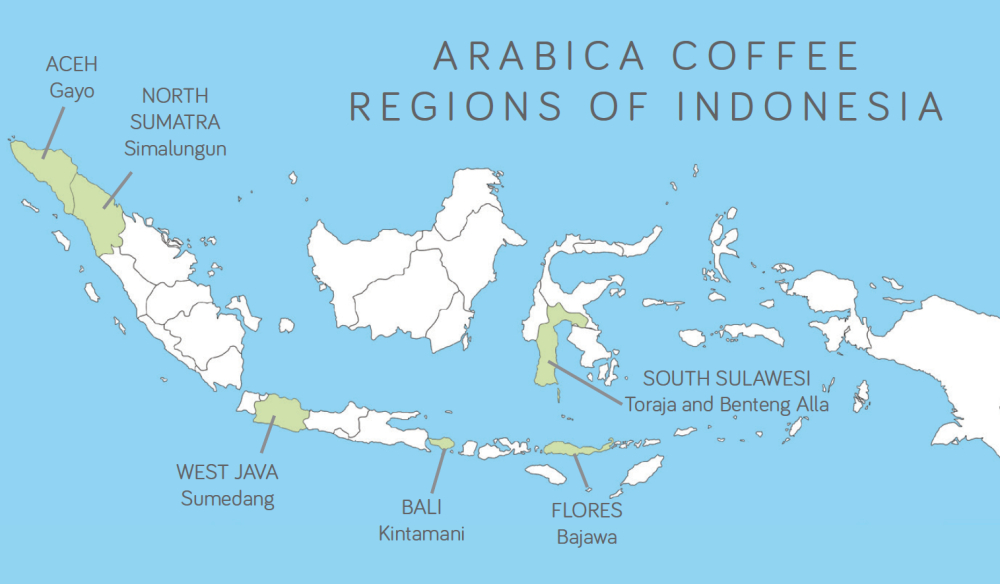
The Sumatra region of Indonesia is the main producer of civet coffee, where the terrain is predominantly mid-to-low altitude, suitable for growing Robusta beans. Compared to the more common Arabica, Robusta typically has a stronger earthy and herbal aroma, which may become even more pronounced after processing through the civet’s digestive system. Notably, wild civets tend to select coffee fruits with higher sugar content and better ripeness, which also helps improve the base quality of the final coffee beans to some extent.
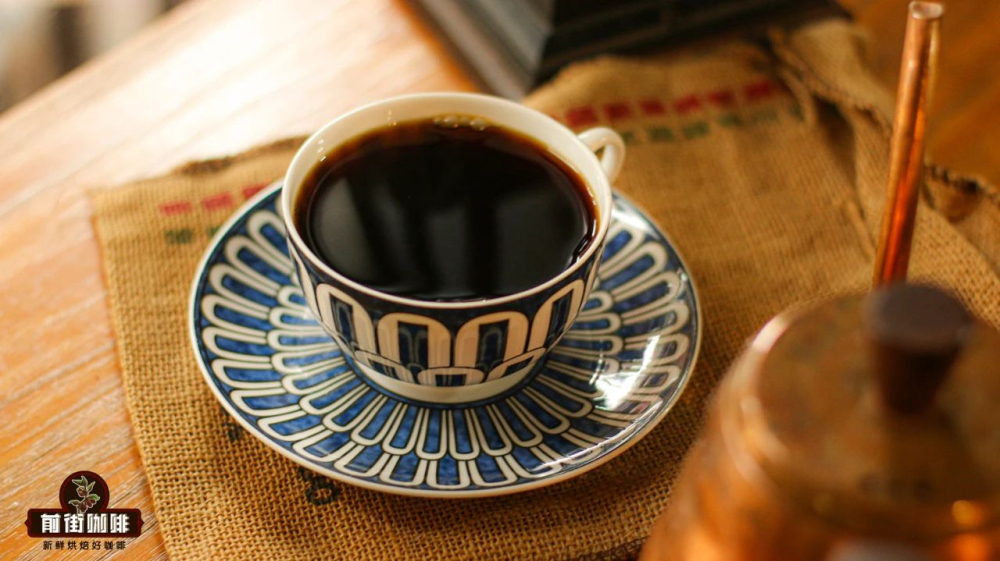 Civets mainly inhabit tropical rainforests, shrublands, and areas around farmland, preferring hilly regions and altitudes below 2,100 meters. They are omnivorous animals, primarily consuming animal-based proteins such as insects and small creatures, but they also eat some fruits, including coffee berries. This dietary habit unintentionally makes them “natural selectors” of coffee beans, though changes in their diet due to captive environments can further affect the final coffee profile.
In addition to Sumatra, the Philippines and Vietnam also produce civet coffee, but Indonesian wild civet coffee is generally regarded as having the highest quality and rarity. The market also sees many so-called "fake" products, which are imitations produced by artificially farmed civets or excreted by non-civet animals. The quality and flavor of these products are often inconsistent, and consumers should pay extra attention. Due to the lack of a reliable certification system, major global sustainable coffee certification bodies such as Rainforest Alliance and UTZ do not certify civet coffee, primarily due to concerns over animal welfare and supply chain transparency.
In terms of flavor profile, civet coffee is often described as having rich herbal, nutty, dark chocolate, and fermented aromas, along with a thick, aged-mouthfeel reminiscent of aged beans. These flavors may hold particular appeal for those who enjoy dark roasts or traditional aged Indonesian beans. However, the formation of these flavors is more related to the coffee bean variety, growing environment, and processing method, rather than solely the result of the civet’s digestion.
If you still wish to try brewing civet coffee, here are professional pour over recommendations: use a KONO filter, 15 grams of coffee grounds, a 1:15 coffee-to-water ratio, and water temperature controlled at 87°C, with a grind size similar to granulated sugar. Start with a 30-second bloom using 30 grams of water, then pour in a small circular motion until reaching 125 grams for the first pour, wait for the water level to drop, then continue pouring to 225 grams. The total extraction time is about 2 minutes. These parameters help balance its rich mouthfeel and unique fermented aromas.
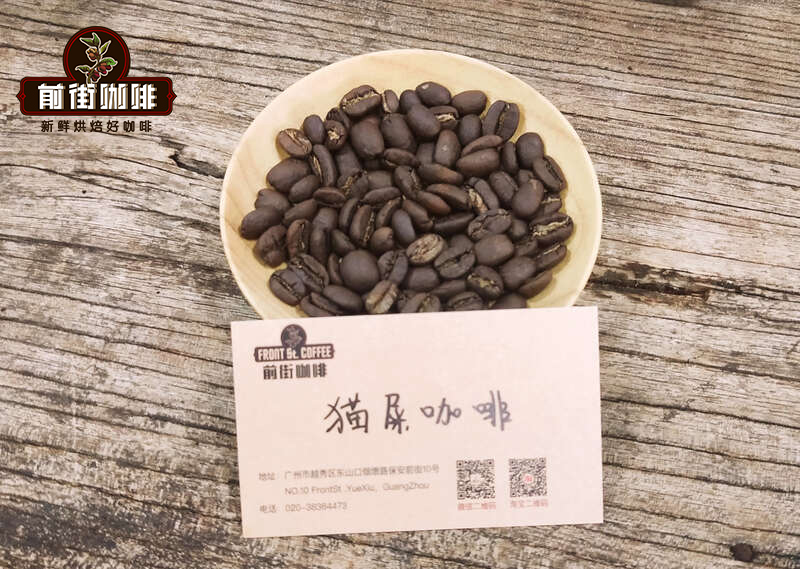
In summary, civet coffee is a highly controversial and historically rich coffee category. Its unique processing method and rarity contribute to its high market price, but also spark numerous ethical and quality debates. If you’re interested in specialty-processed coffees, it’s recommended to thoroughly understand their origin and processing background, and choose carefully based on personal taste preferences. If you prefer low-acidity, rich, and fermented-profile coffees, civet coffee might be worth a try—but always with respect for animal welfare and support for legally sourced products.
The above content is compiled by CoffeeHunters, a coffee news website.


