







Introduction:The flavor performance of coffee beans is closely related to their freshness, and storage methods are the key factor affecting their freshness. This article delves into the three major enemies that impact coffee bean flavor—light, moisture, and oxygen—and compares the practical effectiveness of different packaging types such as one-way valve bags and vacuum canisters. It also addresses common questions like whether to refrigerate coffee beans, and the differences between best-before and expiration dates, offering clear and easy-to-understand advice to help you effectively extend the optimal drinking period of your coffee beans.
Whether coffee beans are fresh directly determines the flavor complexity and aroma after brewing. Whether you’re a pour over enthusiast or an expert focused on adjusting extraction parameters, understanding how to store coffee beans properly is an essential part of enhancing your drinking experience. This article will explore in detail the key factors that affect the freshness of coffee beans and provide a variety of practical storage methods to help you protect the original flavor of every bean from the source.
First, we need to distinguish between the two main types of coffee beans: unroasted green beans and roasted beans. The challenges in storing green beans mainly come from humidity and high temperatures. Once they get damp, they are not only prone to mold but may also attract pests. Roasted beans, on the other hand, require protection not only against moisture and temperature fluctuations but also, crucially, against exposure to oxygen, as oxidation quickly depletes the precious flavor compounds in coffee, leading to loss of aroma and a flat taste.
So, what factors accelerate the deterioration of coffee beans? The first and most obvious are:Light and high temperatures. Ultraviolet rays and heat from sunlight can cause the aromatic compounds in coffee beans to volatilize rapidly, thereby affecting flavor performance. Therefore, when storing coffee beans, be sure to avoid placing them near windows or close to heat sources, such as stoves or electric heaters. Even if the inner layer of the packaging uses aluminum foil to reflect some light, it still cannot completely block the penetration of heat, so choosing a cool, dry environment is a fundamental principle.
Next ismoisture. Coffee beans are inherently dry agricultural products. Once exposed to a high-humidity environment for an extended period, even with sealed packaging, each time you open the bag, moisture can still find its way in. Dampness can not only cause the beans to absorb water and deteriorate, but also easily produce musty or other off-flavors, severely impacting the overall performance of the coffee. Therefore, the ventilation and dryness of the storage environment are crucial. It is recommended to store coffee beans in a space with relative humidity below 60%.
Finally, and perhaps the most overlooked factor, isoxygen. Though oxygen is ubiquitous, prolonged contact with coffee beans promotes oxidation reactions, leading to rapid flavor degradation. Therefore, after each use, the packaging or container should be resealed immediately to minimize the chance of oxygen infiltration. Choosing storage tools with anti-oxidation designs can further help maintain the flavor stability of the coffee beans.
Now that we’ve understood these three major factors contributing to deterioration, let’s look at the practical tools and methods available for storage. First up are the commonly usedone-way valve sealed packaging bags.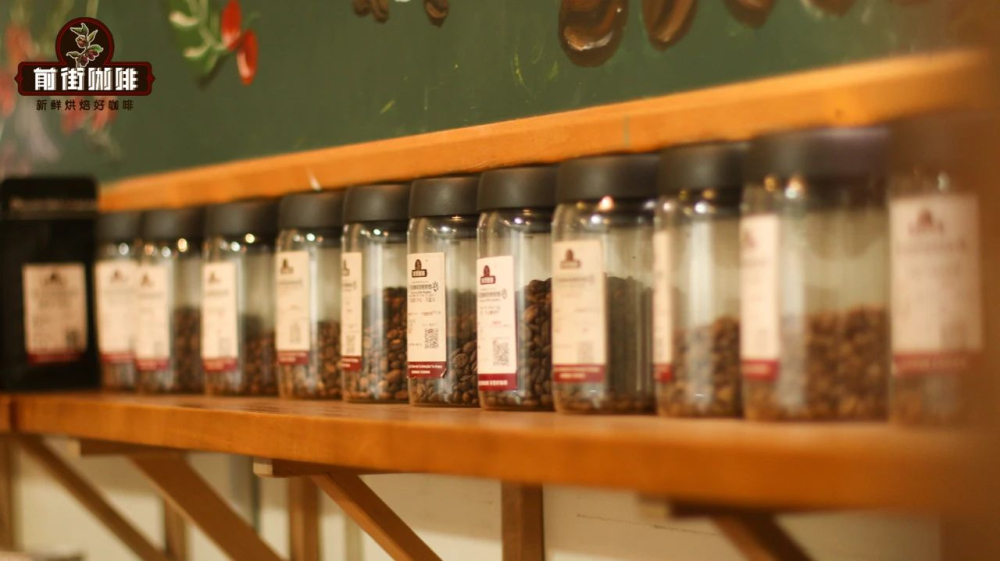 This type of packaging is generally used right after the coffee beans have been roasted. Its design principle allows the carbon dioxide produced during roasting to escape from the bag while preventing external air and moisture from entering. When the internal pressure rises, the gas is automatically released through the valve, but outside air cannot flow back in. This design can effectively slow down the oxidation process of coffee beans without the need for additional packaging. However, for long-term storage, it is still recommended to transfer the beans to a more airtight container and ensure the seal is tightly closed.
Another recommended storage method is usingvacuum-sealed jars. These containers typically come with an air-release button that can extract air from inside the jar once the lid is closed, creating an environment close to a vacuum. In this low-oxygen state, the carbon dioxide released by the coffee beans accumulates inside the jar, forming a natural protective layer that helps slow down flavor loss. As long as the jar maintains good sealing and is not frequently opened, it can effectively preserve the freshness of the coffee beans.
When it comes to storage duration, it’s first important to clarify two concepts: “best-by period” and “shelf life.” The best-by period refers to the time frame during which coffee beans exhibit their optimal flavor, usually between the 4th and 30th day after roasting. During this period, the coffee’s aroma and taste are at their richest, and it is the golden window recommended by most coffee enthusiasts for drinking. The shelf life, on the other hand, refers to the maximum length of time coffee beans can remain safely drinkable under ideal storage conditions, often up to 365 days, though the flavor and aroma may have noticeably declined by then.
As for a common question: Is it suitable to store coffee beans in the refrigerator? The answer is no, it is not recommended. Due to the large temperature difference between inside and outside the fridge, when coffee beans are taken out from a refrigerated environment, condensation can easily form on the surface, causing the beans to become damp. This not only affects the uniformity of grinding but may also lead to clumping of coffee powder, further disrupting the extraction process. Additionally, moisture may remain on the burrs of the grinder, which can negatively affect flavor performance over time.
In summary, to maintain the freshness of coffee beans, the key lies in choosing the right storage environment and tools, as well as developing good usage habits. It is recommended to purchase coffee beans in amounts appropriate for your regular brewing needs, avoiding buying too much at once and thus storing them for too long. After each use, ensure the packaging is properly sealed and store the beans in a cool, dry, and low-oxygen environment to fully enjoy the most captivating flavor characteristics of the coffee beans.
The above content is compiled by CoffeeHunters, a coffee news website.


