








Introduction:Indonesian civet coffee, also known as "kopi luwak," is one of the most legendary specialty coffees in the world. With its unique fermentation process and rare origin, it has become a delicacy in the hearts of coffee enthusiasts. This article delves into its background, flavor characteristics, the reasons behind its market price, and offers professional brewing recommendations and parameter settings to help you fully appreciate the charm of this special coffee.
As a globally renowned specialty coffee item, civet coffee is as famous as Jamaican Blue Mountain. Even those unfamiliar with the specialty coffee scene have likely heard of it. How exactly does this coffee from Indonesia develop its unique flavor, and why is it so expensive? This article will explore its historical origins, the truth behind its fermentation process, its flavor profile, and analyze the supply-demand factors behind its high price, while also providing professional brewing settings and parameter suggestions.

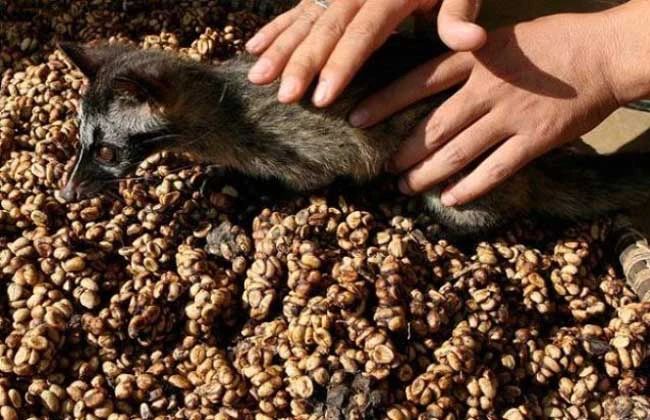
The origins of civet coffee can be traced back to the early 18th century, when Dutch colonists introduced coffee trees to the Indonesian islands of Sumatra and Java and developed the coffee trade. However, local residents were not allowed to pick or drink the coffee cherries themselves. In this environment, wild civets were found to covet the coffee fruits, but they only digested the pulp, excreting the hard-shelled coffee beans intact. These beans, which had undergone "gastrointestinal processing," were collected by local farmers, cleaned, roasted, and processed into a unique type of coffee—thus giving rise to what is known as "civet coffee."
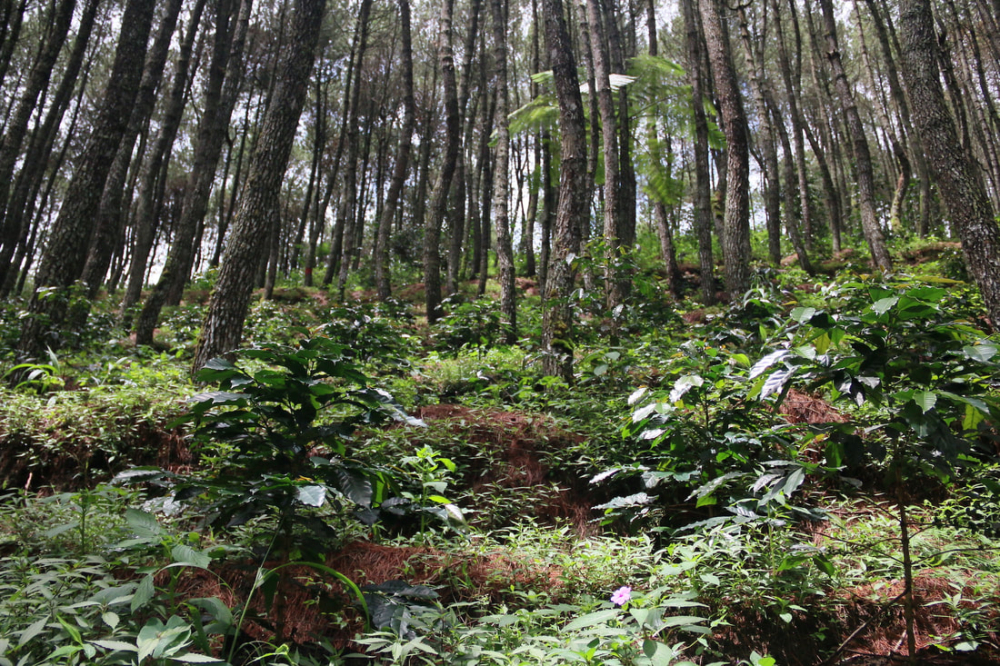
Regarding its flavor, since civets are primarily active in low-altitude areas of Indonesia below 2,100 meters, where Robusta varieties are mostly cultivated, the resulting coffee beans often contain a mix of Arabica and Robusta, exhibiting distinct earthy notes, herbal aromas, and a rich mouthfeel. Additionally, civets, with their keen sense of smell, only select fully ripe, sugar-rich coffee cherries—a trait that parallels the meticulous selection process of specialty coffee, contributing to the uniqueness of its flavor.
It is often believed that digestive enzymes in the civet's gut can alter the protein structure of the coffee beans, thereby enhancing their flavor. However, in reality, observations show that the beans remain in the civet’s body for only about one to two hours—too short a time to induce significant protein breakdown or flavor transformation. Therefore, the notion of "in-body fermentation" is largely a marketing exaggeration. The true influencers of flavor are mainly the subsequent Indonesian wet-hulling process and the civet’s active selection of ripe fruits.
As for why this coffee remains so expensive, it is primarily due to its extremely limited production. Since it relies entirely on civets foraging and excreting the beans, collection is difficult, resulting in scarce supply. Moreover, authentic wild civet coffee typically exhibits high viscosity and a rich, sweet aroma, with a smooth mouthfeel. Although it may carry slight earthy and astringent notes, many consumers are willing to purchase it for its uniqueness and out of curiosity. It should be noted that there are also so-called "farm-raised" civet-produced coffee beans on the market, whose quality and flavor consistency are far inferior to those of wild-collected beans. Consumers should be cautious and avoid purchasing products of unstable quality.
Among a certain brand’s product line, Indonesian Golden Mandheling, which also undergoes strict screening with an extremely low defect rate, is another choice with a rich flavor and high cleanliness. This bean is deeply roasted, presenting notes of dark chocolate, caramel, and spices, and is suitable for various brewing methods, making it an ideal alternative for coffee lovers who prefer bold flavors.
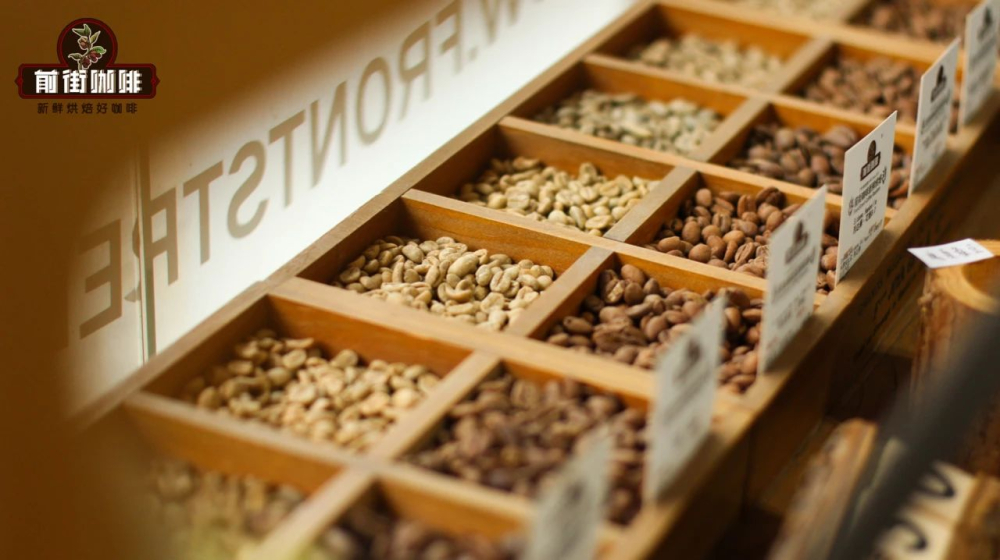
Below is the basic information for a certain brand’s Indonesian civet coffee: produced in Sumatra, Indonesia, grown at altitudes between 1,600 and 2,100 meters, of the Arabica variety, processed via civet in-body fermentation, with flavor notes dominated by herbal, nutty, dark chocolate, and fermented aromas.
For brewing this coffee, it is recommended to use a medium-dark roast to enhance its herbal and full-bodied characteristics. Due to the high water drainage rate of medium-dark roasted beans, attention should be paid to puck settling and water flow control during brewing. It is recommended to use a KONO filter, whose design—with limited venting holes and pressurized effects—extends the contact time between water and coffee grounds, improving the extraction efficiency of soluble substances and helping to deliver a rich mouthfeel.
Brewing parameters are as follows: water temperature recommended at 86–87°C, grind size at BG#6w, and a coffee-to-water ratio of 1:15 (i.e., 15 grams of coffee to 225 milliliters of water). A three-stage pouring method is used:
1. The first pour adds 30 grams of water and steeps for 25 seconds;
2. After the bloom, add 125 grams of water and wait until the water level drops to half;
3. Finally, when the coffee bed is about to become exposed, add the remaining 225 grams of water, keeping the total brew time between 1 minute 50 seconds and 2 minutes.
This brewing method effectively highlights the herbal and nutty flavors of the coffee and delivers a smooth, full-bodied taste experience.
The above content is compiled by CoffeeHunters, a coffee news website.


