







Introduction:The Boquete region in Panama, with its volcanic soil and microclimates, is home to the world-renowned Geisha coffee. This article delves into the terroir characteristics of the area, helps you understand the dry and wet aroma profiles of Boquete Geisha, and provides practical V60 pour over parameters and steps. It also focuses on the Geisha grading system at Hacienda La Esmeralda, analyzing the cupping flavors and layered complexity of the Green Label washed Geisha, helping you master brewing techniques and tasting highlights. Whether hot or prepared as cold drip, you can savor its delicate fruit and floral notes.
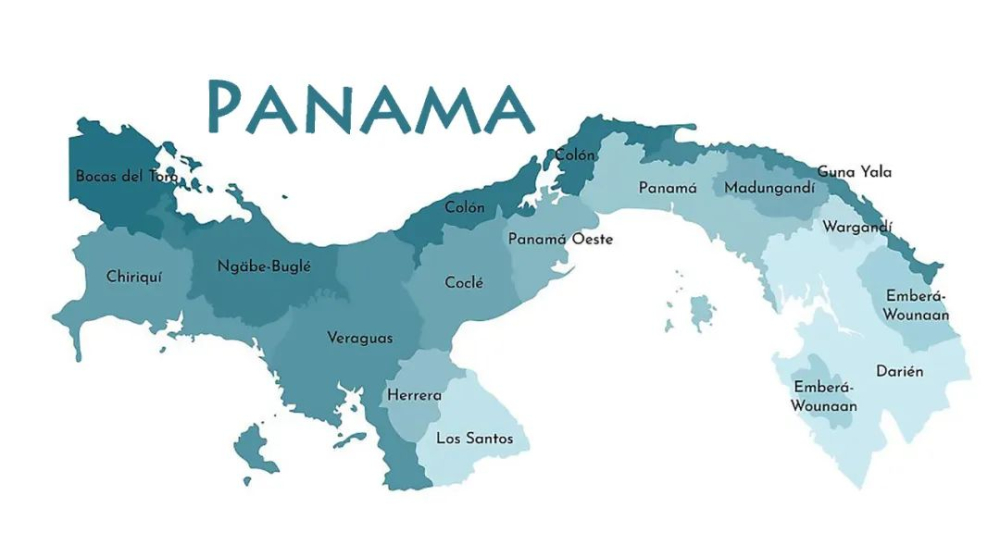
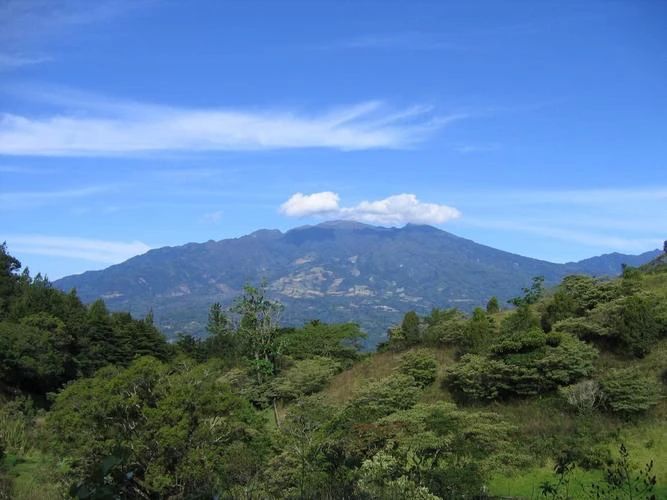
Panama is located in the narrow strip of Central America, at a latitude of 9 degrees north. Coupled with the central mountain range that runs through the entire country, it offers diverse microclimates and high-altitude environments, making it extremely suitable for growing specialty coffee. Among these, the town of Boquete in the Chiriquí Province, adjacent to the famous Barú Volcano, benefits from the fertile volcanic ash soil brought by this active volcano, which rises over 11,400 feet above sea level, creating ideal conditions for coffee cultivation.
Boquete not only boasts exceptional natural resources, but also provides nearly perfect growing conditions for coffee trees due to its diverse microclimates, where temperature and rainfall are well-matched. These factors have enabled Panamanian coffee, especially the Geisha from the Boquete region, to stand out in the global specialty coffee market and become a favorite among many coffee enthusiasts.
When it comes to Panamanian Geisha, a well-known roaster’s Boquete Geisha coffee beans are an excellent representative choice. This coffee is widely praised for its affordable price and outstanding floral and fruity aromas. Upon opening the bag, you can immediately detect pronounced floral and fruity notes. The flavor profile includes berries, candies, and spices with a sweet touch, along with an elegant floral aroma. As the coffee cools, the acidity becomes even more refined, and the lingering floral and fruity sweetness is long-lasting and unforgettable.
Its dry aroma is rich, featuring refined floral notes such as tea, magnolia, and tulips, accompanied by vanilla, milkiness, and black sugar sweetness, with even a hint of the delicate scent of premium champagne. The aroma is pronounced and uplifting. Once water is poured, the wet aroma transforms into a layered combination of apricot, caramel, and floral notes. The overall aroma is rich yet balanced, making it a classic flavor that pour over enthusiasts shouldn’t miss.
For brewing recommendations, it’s suggested to use a V60 filter cone, with around 15 grams of coffee, water temperature controlled between 91–93°C, a coffee-to-water ratio of 1:15, and a grind size recommended to be similar to superfine sugar—approximately equivalent to the 10th setting on an EK43s grinder, or about 80% extraction through a Chinese standard No. 20 sieve, classified as medium-fine. First, fold and attach the filter paper tightly to the filter cone, then rinse the filter and lower carafe with a small amount of hot water, while also wetting the filter to ensure it adheres properly. Afterward, discard the preheating water.
Next, place the ground coffee into the filter cone and gently tap it to ensure an even coffee bed. The first stage involves pouring about 30 grams of water for blooming, recommended for 30 seconds, which helps release the coffee’s aroma and vibrancy. Then proceed to the second pour, totaling about 125 grams, using a steady and even circular motion, avoiding concentration in any single spot. Wait until the water level drops to about half before beginning the final pour, reaching a total extraction volume of 240 grams. The entire extraction process should be controlled to around 2 minutes to produce a cup of distinctly flavorful Boquete Geisha.
Speaking of Panamanian Geisha, one cannot overlook Hacienda La Esmeralda. This estate rose to fame in 2004 after winning the “Best of Panama” competition with its Geisha coffee, and has since repeatedly set new records in specialty coffee auctions. Hacienda La Esmeralda is also the industry pioneer in systematically grading Geisha coffee. Its rigorous management and zoned cultivation system give each batch of Geisha a clear quality positioning, earning high praise in the global specialty coffee market.
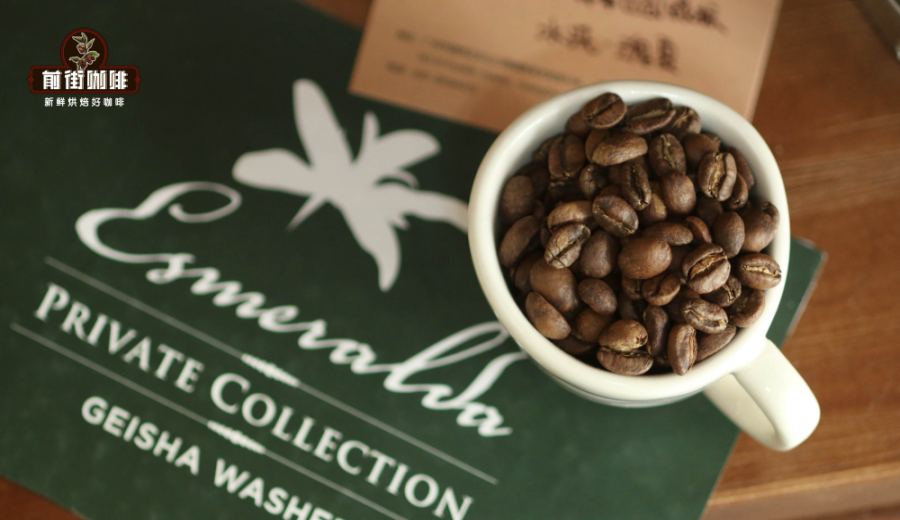
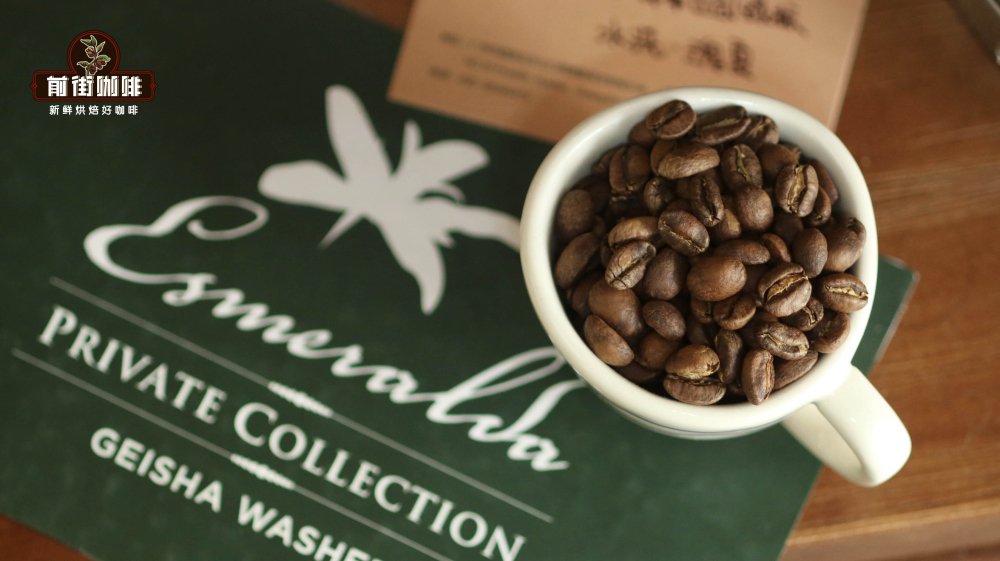
The Geisha from Hacienda La Esmeralda is generally divided into multiple grades. For pour over enthusiasts, a well-known roaster’s Emerald Green Label Geisha is an excellent representative option. Unlike certain micro-lots under the Blue or Red Labels that emphasize extremely single-origin plots, the Green Label Geisha is a blend of high-quality Geisha beans selected from different altitude zones. It offers relatively better value for money and presents its fresh character through the washed processing method.
This Green Label Geisha exhibits cupping notes of bright lemon, berries, pomelo, and Tieguanyin tea. In actual tasting, what first hits the palate is a vibrant citrus and lime acidity, accompanied by the fresh fruity tone of bergamot. The mid-palate reveals a soft cocoa note and a creamy, buttery body. The finish continues with the delicate aroma of green tea and the sweetness of honey, with a long-lasting, mellow brown sugar note. The tail end brings herbal floral notes like chrysanthemum and faint honeysuckle, achieving a very balanced and layered overall profile.
If you enjoy experimenting with different brewing methods, ice drip or cold brew Geisha is also recommended. Utilizing low-temperature, long-duration extraction can better highlight the clarity of its fruitiness and the persistence of its sweetness. Whether brewed hot or served cold, Panamanian Boquete Geisha showcases its unique high-altitude flavor profile—a must-try item for coffee lovers.
The above content is compiled by CoffeeHunters, a coffee news website.


