







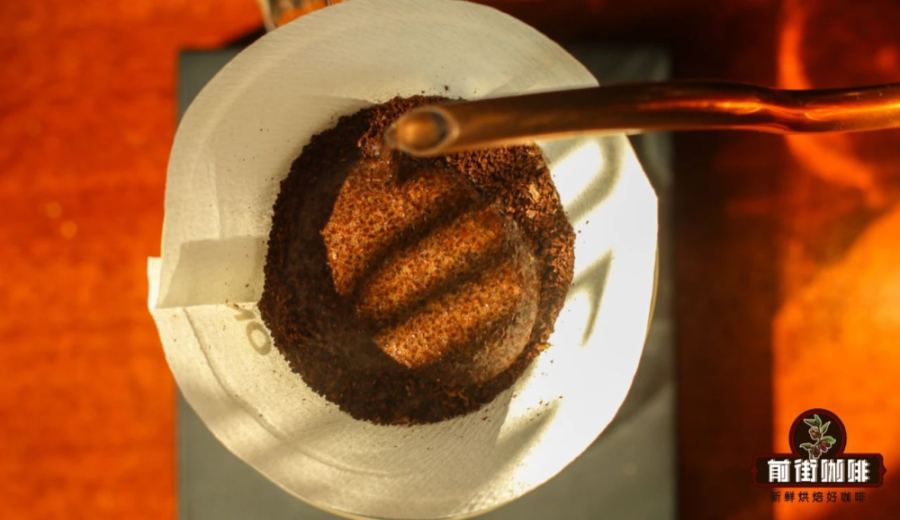
Introduction:Civet coffee (also known as cat poop coffee or Kopi Luwak) is renowned for its unique animal-in-body fermentation processing method. It commands a high price and has limited production. But is it considered black coffee? Where does its acidity come from? How can you brew it properly with a pour over to highlight its richness and herbal aroma? This article delves into its production principles, flavor characteristics, and provides expert-level brewing parameters and practical tips.
Civet coffee, officially known as Kopi Luwak, is a distinctive coffee processing method originating from Indonesia. What makes this coffee special is that its beans have passed through the digestive system of the civet (a wild animal) for fermentation, and are then collected from its feces. The beans that go through this unique process usually exhibit a pronounced herbal aroma and a rich mouthfeel, making them highly favored by some coffee enthusiasts and also one of the most expensive coffees in the world.
However, many people have questions about whether "civet coffee is considered black coffee." In fact, black coffee refers to a pure coffee beverage without the addition of milk or sugar, regardless of its processing method or origin. Therefore, if Kopi Luwak is brewed without any additives, it still falls within the category of black coffee. That said, its uniqueness lies in its processing method, not its roast or brewing technique.
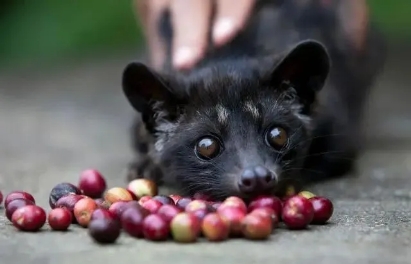
The production process of civet coffee is quite unique. After civets consume coffee cherries in the wild or in controlled environments, their digestive systems cannot fully break down the coffee beans. These beans are then excreted in the civet’s feces. Within the civet’s gastrointestinal tract, the beans undergo an acidic environment, enzymatic breakdown, and partial fermentation—all of which collectively influence the final flavor profile. It is understood that enzymes in the animal’s body can alter the structure of certain proteins in the coffee beans, thereby affecting the aroma and taste.
Some suggest that within the civet’s digestive tract, certain enzymes can break down long-chain proteins into smaller peptides and amino acids, a process that may contribute to the formation of the coffee's flavor. However, other studies and industry professionals argue that since civets typically expel the coffee cherries just one to two hours after ingestion, the beans remain inside the body for too short a time, meaning the actual chemical changes might be quite limited. Furthermore, civets that are raised on a diet of coffee cherries often suffer from poor health, which has also sparked debates regarding animal welfare and ethics.
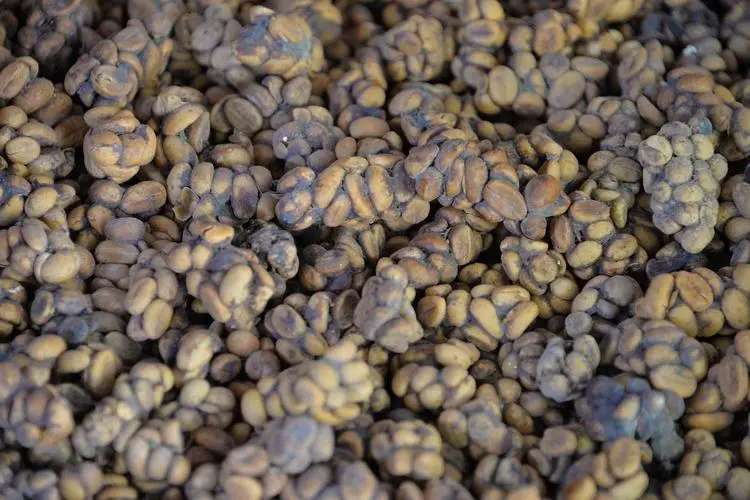
In terms of actual tasting, civet coffee is generally graded as G1, belonging to high-quality Arabica varieties, and is commonly sourced from regions like Sumatra, Indonesia. Although its processing method is unique, it still falls under an extreme form of natural processing. Such coffees often showcase herbal and nutty notes, with a smooth and rich mouthfeel, relatively mild acidity, and are well-suited for drinkers who prefer bold flavors.
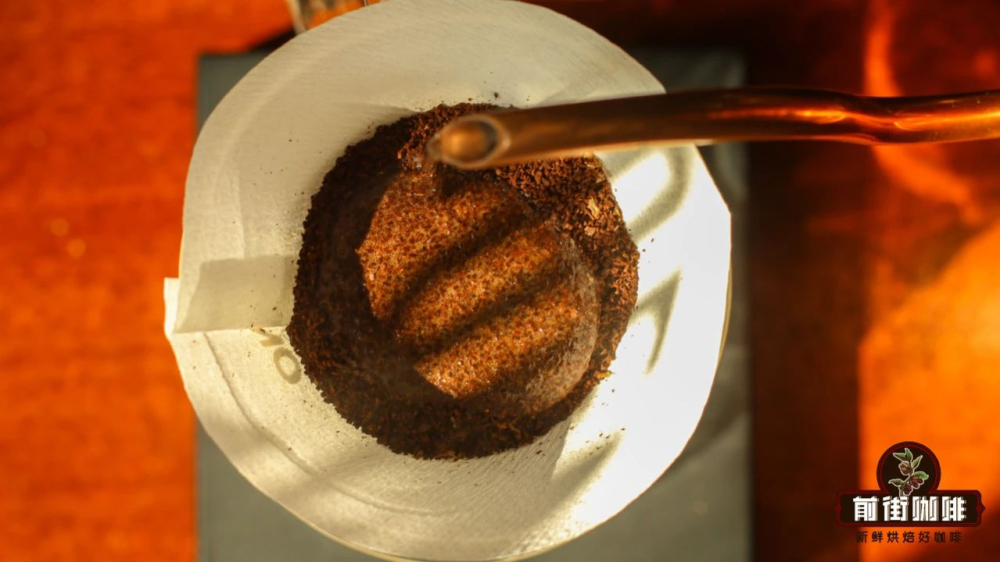
If you want to try pour over brewing with civet coffee, it is recommended to use a medium-dark roast level. This roast enhances its rich characteristics and stabilizes extraction performance. For equipment, consider using a filter like the KONO dripper, which features specific venting designs to help control the flow rate and pressure during extraction, further improving extraction uniformity and flavor concentration. For example, the KONO dripper only has rib structures on the upper quarter of the filter wall. When the water level exceeds this area, internal pressure gradually increases, extending the contact time between water and coffee grounds, which helps extract more soluble substances and achieve a rounder, fuller mouthfeel.
Below are suggested pour over parameters for brewing civet coffee, for your reference in practice:
- Water temperature:86-87°C
- Grind size:Similar to the coarseness of white sugar (medium-fine to medium grind)
- Coffee-to-water ratio:1:15 (it is recommended to use 15 grams of coffee powder with 225 milliliters of water)
The actual steps for brewing are as follows:
- First pour: 30 grams of water for a 25-second bloom to initiate degassing and initial extraction of the coffee grounds.
- After the bloom, pour the second batch of water until the scale reads 125 grams. Wait until the water level naturally drops to about half before proceeding.
- When the coffee bed is about to become exposed, pour the final batch of water to reach a total of 225 grams. Keep the total brewing time between 1 minute 50 seconds and 2 minutes to achieve the best flavor balance.
In terms of flavor profile, civet coffee is often described as having a pronounced herbal aroma, a smooth mouthfeel, rich and full-bodied texture, a long aftertaste, and notable nuttiness. Its acidity is not strong but has clear layers. This flavor profile has garnered a following among coffee lovers, but its high price and ethical concerns also deter many.
Given its rarity and high market price, many professional coffee institutions do not recommend it as a daily drink for the average consumer. If you are still interested in exploring high-quality Indonesian coffee, consider top-grade Golden Mandheling, which is rigorously selected with a very low defect rate, and can also deliver a solid rich mouthfeel and rich aroma. If you prefer fruity acidity and fresh profiles, Ethiopia’s Huila or Panama’s Geisha are also highly representative premium choices. Whether you are seeking a balance of sweet and sour, nutty and caramel flavors, or a rich and bold experience, the market offers a variety of coffee beans as alternatives—there’s no need to limit yourself to just one product.
The above content is compiled by CoffeeHunters, a coffee news website.


