







Introduction:Panamanian Geisha has long topped the charts in specialty coffee pricing, and the Deborah Estate Savitch Series is particularly renowned for its anaerobic fermentation and natural sun-drying processing. With a relatively high single-cup price, what kind of charm does this coffee hold? This article starts with the origin of the Geisha variety, analyzes the advantages of high-altitude cultivation, delves into the processing techniques of Deborah Savitch, and provides practical pour over parameters to help you fully grasp the flavor essence and value of this top-tier Geisha.
Panamanian Geisha has always been a leader in the specialty coffee market, often with a price tag that deters many coffee enthusiasts. In the bean menu of a well-known coffee shop, aside from the classic Emerald Estate, the Geisha from the Deborah Estate Savitch Series also stands out. This coffee employs a dual processing method of anaerobic fermentation and natural drying, resulting in a unique flavor profile, with a price even surpassing that of the Emerald Green Label. So, what is the price of a cup? Why can it rival or even surpass other top-tier Geishas? This article will take you on an in-depth journey to understand this captivating high-priced coffee, covering everything from its varietal origins, growing environment, and processing technology to actual flavor and brewing recommendations.
It wasn’t until 2004, when the Peterson family from the Boquete region entered Geisha into the “Best of Panama” (BOP) competition, that its outstanding flavor won first place and broke the then-record for green coffee auction prices, that Geisha truly rose to prominence. It’s worth noting that although it’s called Geisha, its genotype is complex and significantly different from the original Ethiopian Geisha. According to genetic analysis by World Coffee Research, T2722’s descendants in Panama have evolved unique flavor characteristics. Coupled with Panama’s high-altitude growing environment, Geisha typically exhibits delicate floral notes (especially jasmine), intense tropical fruit tones, and exceptionally high sweetness.
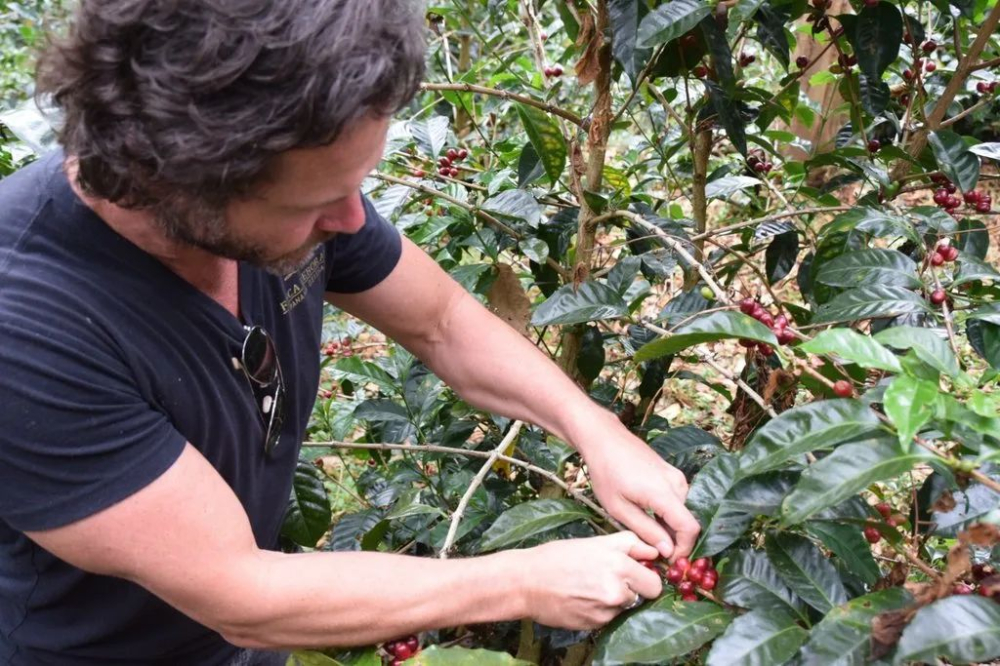
The impact of high altitude on Geisha is crucial. In a low-temperature, slow-ripening environment, coffee cherries have more time to accumulate nutrients, allowing sugars and aromatic compounds to convert more fully—this is key to why high-altitude Geisha often presents more concentrated and layered flavors. Additionally, good drainage conditions prevent waterlogging during the coffee trees’ growth, further enhancing flavor purity and sweetness.
As for the spelling difference between “Geisha” and “Gesha,” it mainly stems from the diversity of linguistic translations. Early germplasm banks and research literature commonly used “Geisha,” making this spelling more widely circulated in the industry; however, this variety was originally discovered near the Gesha mountain area in Ethiopia, hence many industry professionals and enthusiasts prefer the spelling “Gesha.”
Speaking of Panamanian Geisha, one cannot overlook its status on the world map of specialty coffee. Currently, in the Panamanian origin bean menu of a well-known coffee shop, Geisha dominates, including Emerald Estate, Deborah Savitch Series, Boquete Geisha, and Flower Dance blend. However, Geisha’s homeland is not Panama but Ethiopia. Historical records indicate that Geisha was first discovered in the wild coffee forests of Ethiopia in the 1830s, later brought to research institutions in Tanzania, and entered the Tropical Agricultural Research and Higher Education Center (CATIE) in Central America in 1953, where it was assigned the number T2722. Around 1960, these seeds were introduced to Panama but, due to their fragile branches, were long used only as windbreaks rather than as a primary cash crop.

The Deborah Savitch Geisha uses an anaerobic fermentation natural sun-drying process, a complex technique that requires precise control. Anaerobic fermentation refers to placing green coffee beans in a completely sealed, oxygen-free fermentation container, usually with carbon dioxide injected to displace oxygen. This environment encourages the mucilage in the coffee pulp to gradually break down under pressure and microbial action, infusing rich flavor compounds into the parchment layer surrounding the seed. Fermentation can last 120 to 240 hours, during which temperature, pH, and pressure changes must be strictly controlled.
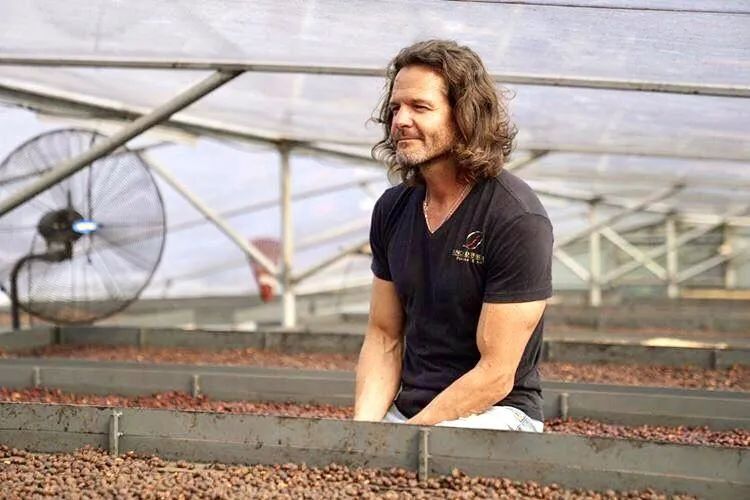
The so-called “anaerobic natural” process involves moving the coffee beans to raised beds for sun drying after approximately three days of anaerobic fermentation. This method preserves the delicate fruity aromas and sweetness produced during fermentation while slowly reducing moisture through sunlight, resulting in a more concentrated flavor. Compared to traditional natural or washed processes, anaerobic fermentation can impart a rounder acidity, richer layers, and a longer aftertaste to the coffee.
So why is the price of Deborah Savitch Geisha even higher than the well-known Emerald Green Label? The answer lies in its growing environment and processing philosophy. The Deborah Estate is located in the volcanic region of Chiriquí Province, Panama, at an altitude exceeding 1900 meters, making it one of the highest and most remote coffee farms in the country. The volcanic soil here is rich in minerals, complemented by significant day-night temperature variations and an excellent balance of sunlight and rainfall, providing ideal growing conditions for Geisha.
What’s more noteworthy is that the Deborah Estate operates entirely on solar energy and is committed to sustainable agriculture and ecological protection by refraining from using any chemical pesticides. The estate owner, Jamison Savage, an American, has dedicated the past decade to this project, with the goal of creating a coffee production model that combines premium quality with environmental friendliness. Under such rigorous management, every coffee cherry is hand-selected, with only fully ripe fruits harvested to ensure the purity and consistency of the final flavor.
A recent offering from a well-known coffee shop—the Deborah Estate Savitch Series Geisha—is the masterpiece of Mr. Savitch, the estate owner. This series is not produced at the main Deborah Estate but is created by Mr. Savitch, who sources Geisha coffee cherries from surrounding smallholder farmers and personally oversees their processing to craft a uniquely flavored specialty coffee. This coffee is renowned for its composite anaerobic fermentation and natural sun-drying processing method and is also Mr. Savitch’s highly confident signature work, so much so that he named the series after himself.
When roasting this Geisha, a certain well-known coffee shop employs a medium-light roast and allows the coffee to develop for 1 minute and 20 seconds after the first crack begins before dropping, aiming to fully showcase its floral and fruity tones, bright acidity, and sweetness. Cupping reveals a creamy-like acidity paired with sweet tropical fruit aromas such as pineapple and mango, delivering a richly layered flavor with a long-lasting finish.
The above content is compiled by CoffeeHunters, a coffee news website.


