







Category: Coffee Knowledge
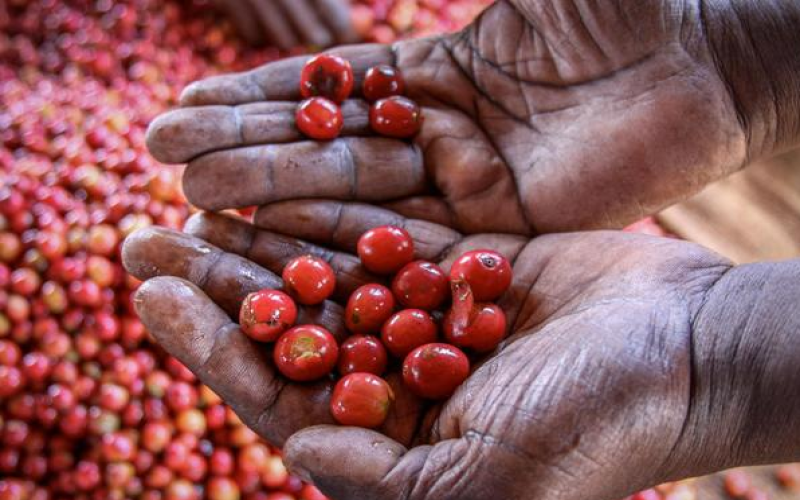
A Comprehensive Guide to Kenyan Coffee Regions, Grades, and Washed Processing: How K72 and SL Varieties Create Bright Acidity
Kenyan coffee is renowned for its bright acidity and prominent berry notes, with its distinctive flavor profile resulting from a combination of geographical environment, refined processing methods, and classic coffee varieties. This article provides an in-depth analysis of the characteristics of Kenya’s six major coffee-growing regions, with a focus on the growing conditions in the Thika region and the K72 washed processing procedure. It also explains the basis for coffee grading and the unique traits of the SL28 and SL34 varieties, while offering practical pour over parameters to help you fully appreciate the flavors reminiscent of cherry tomatoes, black plums, and honey. [more…]
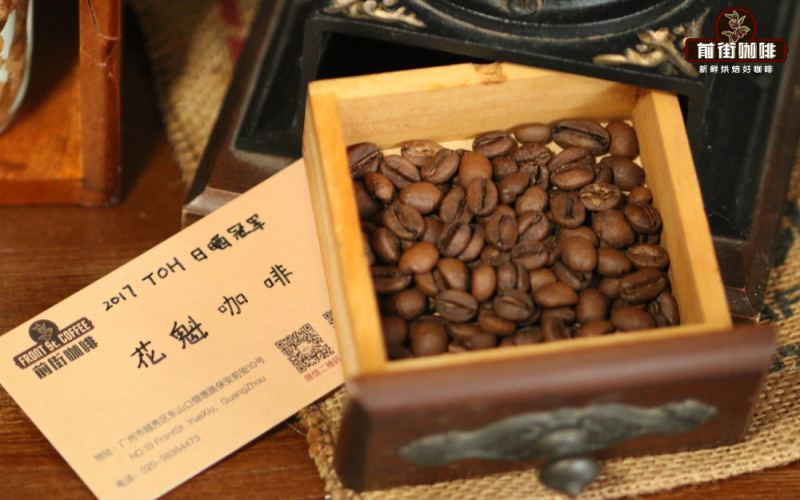
Complete Guide to Ethiopian Hua Kui Coffee Beans: Origin Flavors and SOE Flat White Brewing Steps
The Sidamo Hua Kui coffee bean is a star variety among Ethiopia’s native cultivars, renowned for its rich floral and fruity aromas and outstanding sweetness. This article will detail its origin background, processing methods, grading system, and provide an in-depth analysis of the differences between washed and natural processing, while also sharing key parameters for professionally brewing an SOE flat white to help readers fully master this popular coffee from bean to cup. [more…]
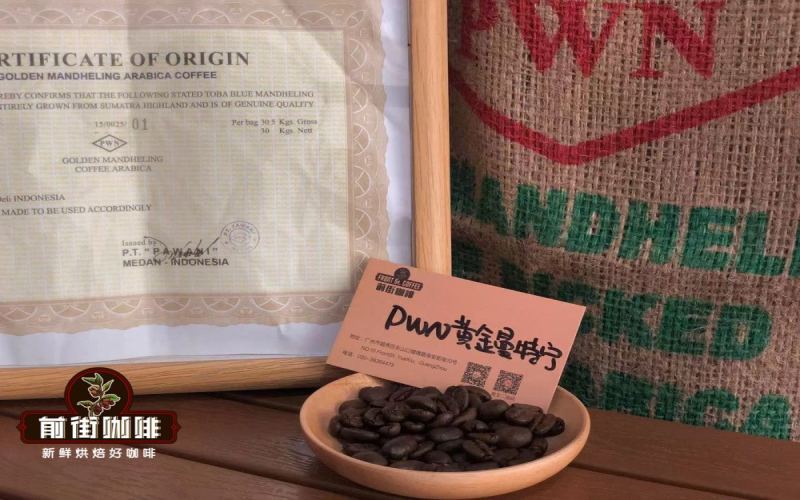
Complete Guide to Indonesian Coffee: From Mandheling Flavor to Wet-Hulling Process and Regional Grading Explained
Indonesia is one of the world’s major coffee-producing regions, home not only to the highly acclaimed Mandheling coffee but also the rare Kopi Luwak. This article delves into the development of Indonesian coffee from the Dutch colonial era to the present, explores the geographical and climatic characteristics of key producing areas such as Sumatra and Bali, and details how the unique wet-hulling process shapes the low-acidity, full-bodied flavor of Mandheling. It also introduces you to the green bean grading system from G1 to G6, as well as classic Mandheling beans. [more…]
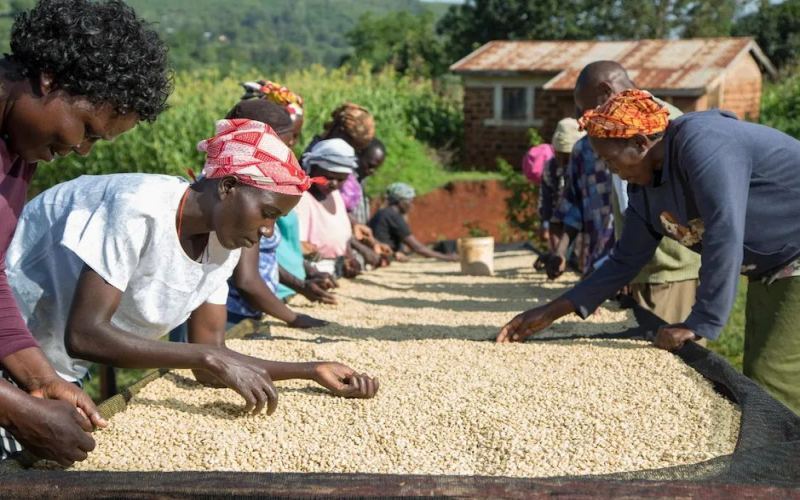
An In-depth Analysis of Kenyan Coffee Varieties: How to Choose Between SL28, SL34, and Ruiru 11? Understand Flavor and Cultivation in One Go
Kenyan coffee is renowned for its bright acidity and rich juiciness, thanks largely to classic varieties like SL28 and SL34. This article will guide you through the historical background, flavor profiles of these varieties, as well as later-developed disease-resistant strains like Ruiru 11 and Batian. Whether you're a coffee novice or a seasoned enthusiast, you'll gain practical knowledge on bean selection and tasting. [more…]

Home Pour Over Coffee Equipment Selection Guide: V60, AeroPress, Moka Pot & Brewing Techniques
Want to easily brew a great cup of coffee at home but don’t know where to start? This article provides a detailed analysis of the characteristics, key operation points, and suitable scenarios of common home coffee equipment such as the Hario V60, AeroPress, Chemex, and Moka Pot. It also offers practical brewing parameter suggestions to help you choose the most suitable coffee equipment based on your taste preferences and budget, thereby enhancing your home coffee experience. [more…]
Home Pour Over, AeroPress & Moka Pot Beginner’s Guide: Coffee Tool Selection & Brewing Parameter Analysis
Want to brew a great cup of coffee at home with simple tools but don’t know where to start? This guide comprehensively introduces key selection points and usage tips for common home brewing tools such as pour over, AeroPress, moka pot, French press, and Chemex. It includes practical parameter suggestions, flavor characteristics, and common mistake reminders to help you find the most suitable brewing method based on your drinking habits and budget. [more…]
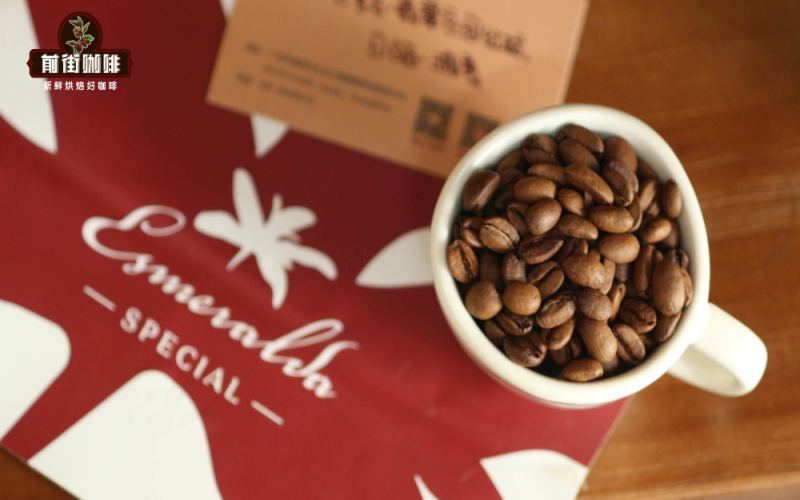
Why is the Jade Red Label Geisha so expensive? Pour over parameters and flavor profile analysis – an advanced coffee bean guide
The Red Label Geisha from Jade Estate is hailed as a top-tier delicacy in the coffee world, with prices that remain consistently high. So what’s behind its premium cost? This article delves into its rare varietal characteristics, extremely limited production, and stringent grading system. It also explains the differences between the Red Label, Green Label, and Blue Label. Additionally, we provide practical V60 pour over recommendations to help you brew this Geisha at home, bringing out its distinct rose floral notes, citrus tones, and berry sweetness – elevating your overall coffee tasting experience. [more…]
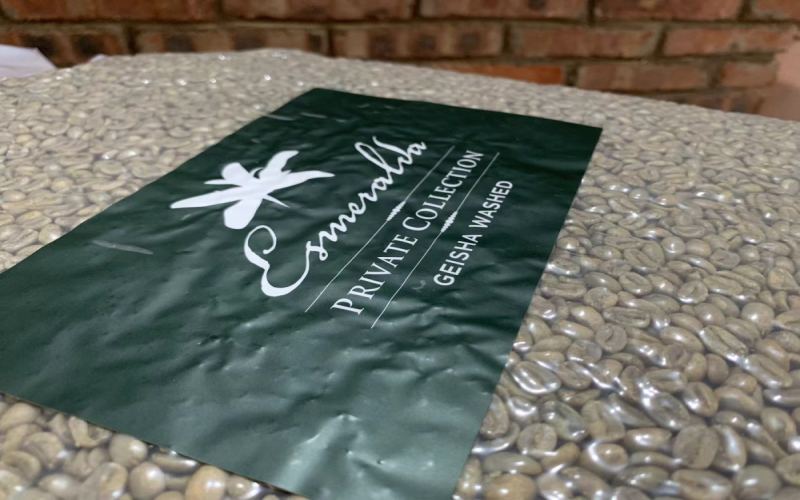
The Ultimate Guide to Panama Geisha from Hacienda La Esmeralda: Differences Between Red, Green, and Blue Labels, Lot Analysis, and Best Brewing Techniques
An in-depth exploration of the Geisha series from Hacienda La Esmeralda, covering altitude classification, terroir of individual lots, as well as the differences between auction lots, Red Label, Green Label, and Blue Label. This comprehensive guide analyzes the roasting profiles, cupping flavors, and pour over recommendations for each grade. Ideal for coffee enthusiasts who want to understand the details of Geisha, make purchasing decisions, or improve their brewing skills. [more…]

From Beginner to Master: A Complete Guide to Espresso with 9Bar Pressure, Coffee-to-Water Ratio, and Extraction Parameters
The essence of espresso lies in the precise control of multiple variables. This article delves into the evolution from early machines to modern equipment, thoroughly exploring nine key factors such as water pressure, water temperature, grind size, and coffee dosage. Using the classic example of 20 grams of coffee grounds yielding 40 milliliters of espresso, it provides professional steps and standard parameters to help you master the technique of producing espresso with rich crema and balanced flavor. [more…]
Analysis of the Flavors and Pour Over Brewing Tips for Ethiopia’s Three Classic Regions: Yirgacheffe, Sidamo, and Harar
Ethiopia is the birthplace of Arabica coffee and is home to three world-renowned regions: Yirgacheffe, Sidamo, and Harar. This article delves into the geographical environments, coffee processing characteristics, and unique flavor profiles of these three regions. It also provides practical pour over brewing parameters and tasting suggestions to help coffee enthusiasts better appreciate the charm of these classic beans. [more…]
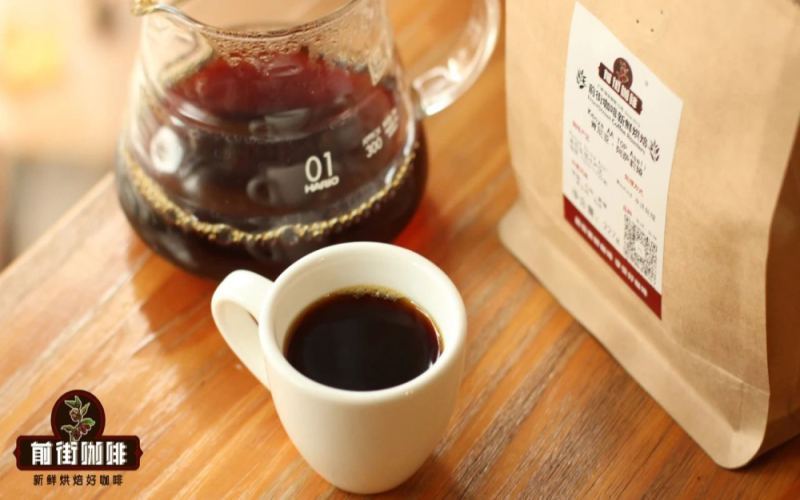
A Complete Guide to Kenya’s K72 Washed Process: The Key to Bright Acidity and Flavor Characteristics
Kenyan coffee is renowned for its vibrant plum and cherry tomato acidity paired with juice-like sweetness. Beyond its exceptional geographical conditions and famed varieties such as SL28 and SL34, the secret lies in its unique K72 washed process. This article delves into the evolution, craftsmanship details of the K72 method, and explores how it differs from standard washed processing—helping you understand how this technique shapes the distinct flavor profile of Kenyan coffee. [more…]
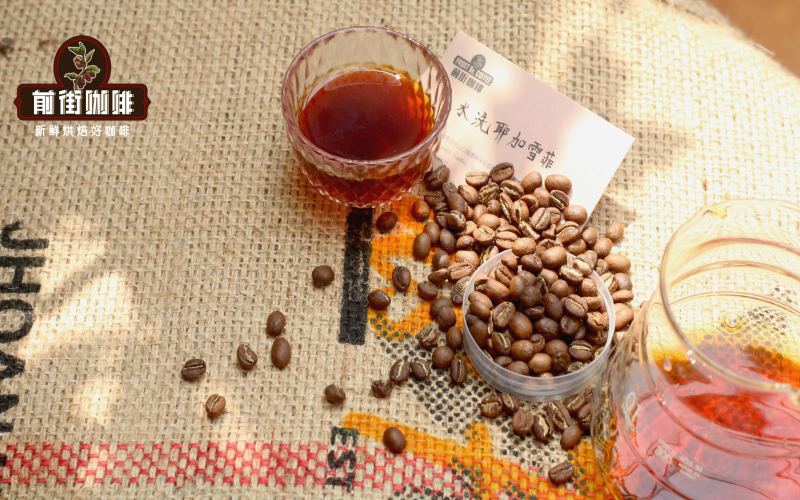
From Light Roast to Medium-Dark Roast: A Guide to Coffee Flavor Profiles and Optimal Brewing Parameters
The character of coffee often lies in the nuances of its roast. From the bright and refreshing notes of a light roast to the rich and captivating depth of a medium-dark roast, each roast level brings distinct colors, aromas, and flavors. This article details the characteristics of the four main roast levels—including bean color, roast temperature, and Agtron values—while providing an in-depth analysis of acidity, sweetness, body, and flavor profiles. It will help you choose the right roast level based on your taste preferences and master the optimal brewing parameters for pour over or other extraction methods. [more…]

From SCAA to Localization: The Evolution of the Coffee Taster’s Flavor Wheel and a Beginner’s Guide to Coffee Tasting
The coffee flavor wheel is an essential tasting tool in the specialty coffee field. From its first edition in 1995, to its scientific upgrade in 2016, to the release of region-specific versions that align with local dietary cultures, and even to consumer-friendly simplified editions, its development reflects the evolution of tasting language. This article provides an in-depth analysis of the characteristics and cultural differences of each version, helping you master how to use the flavor wheel to describe coffee experiences more accurately, and understand why the same cup of coffee can be interpreted very differently in various contexts. [more…]

How to Choose Indonesian Mandheling Coffee? A Comprehensive Guide to PWN & Gayo Golden Mandheling: Flavor & Brewing
Mandheling coffee is renowned for its rich and bold character, but differences in origin and grade can lead to vastly distinct flavor experiences. This article provides an in-depth comparison of two high-quality Mandheling coffees from the Gayo Highlands of Sumatra—PWN Golden Mandheling and Gayo Golden Mandheling. From regional environment, bean variety selection, processing methods, roast profiles to pour over parameters, we detail their unique characteristics and offer specific flavor descriptions along with practical brewing suggestions to help you find the one that suits you best. [more…]
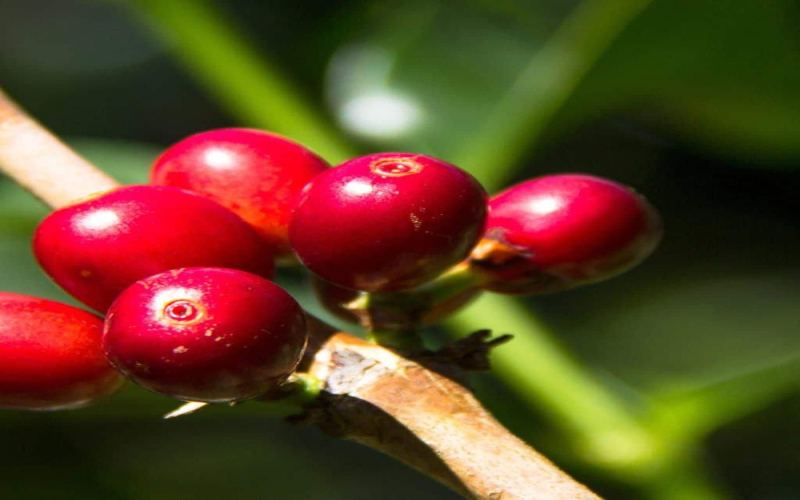
How to Brew Kenyan Coffee Beans? A Complete Guide to the SL28 and SL34 Varieties and Pour Over Parameters
Kenyan coffee is renowned for its high acidity and bright, juicy profile, with its classic SL28 and SL34 varieties being standout stars in the specialty coffee world. This article delves into the distribution of Kenya’s six major coffee-growing regions, the breeding history and flavor characteristics of these two legendary varieties, and introduces the unique K72 triple-wash processing method. It also provides professional pour over recommendations and actual flavor profiles, guiding you to fully grasp the essence of Kenyan coffee from origin to cup. [more…]

Complete Guide to Espresso Making and Applications: From Extraction Parameters to Classic Coffee Combinations
Gain an in-depth understanding of the core principles behind making Espresso, key extraction parameters, and the many classic coffee beverages derived from it. This article explains the original meaning of the term “Espresso,” strategies for selecting blend beans, single and double shot extraction ratios and techniques. Through practical examples, you'll master the composition and characteristics of Italian coffee family drinks such as lattes, cappuccinos, and mochas — a practical guide for both beginner and advanced coffee lovers. [more…]

The Ultimate Guide to Making Cold Brew Coffee: 4 Recommended Beans, Flavor Profiles & Storage Tips
Cold brew coffee is renowned for its low bitterness and smooth mouthfeel, making it ideal for coffee lovers who prefer a refreshing flavor. This article explains the brewing principles of cold brew, the golden ratio, and the optimal flavor window. It also recommends 4 specialty beans from different regions—from washed to special processing methods—to guide you through the diverse flavor profiles of cold brew. Practical steps and tips are provided as well. [more…]
Complete Guide to Indonesian Golden Mandheling: PWN Brand, Grade Standards & Pour Over Brewing Guide
Golden Mandheling is hailed as one of the most representative specialty coffees from Sumatra, Indonesia. Its rich and balanced flavor profile has won the hearts of coffee lovers worldwide. This article delves into the origins of the PWN Golden Mandheling brand, the growing environment of the region, the grading standards, and the unique wet-hulling processing method. It also provides practical pour over brewing parameters and flavor evaluations to help readers fully appreciate the charm of this classic coffee—from origin to cup. [more…]
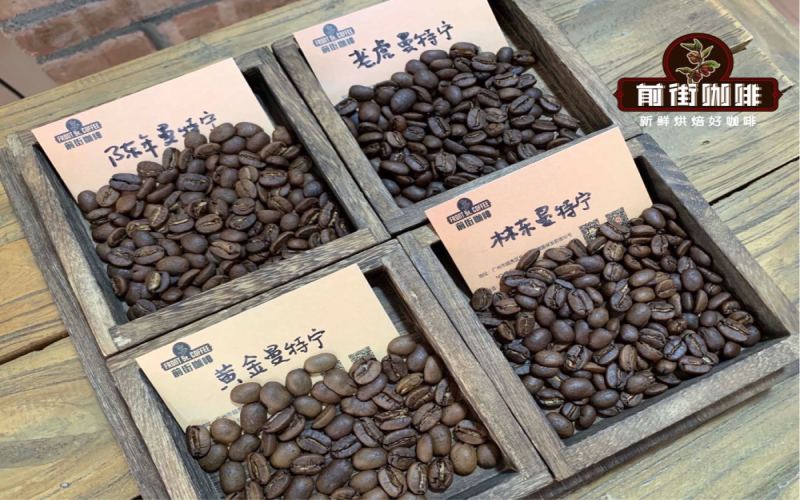
How to distinguish Tiger Mandheling from regular Mandheling? A guide to Sumatran flavors and pour over recommendations
Mandheling coffee is renowned for its intense herbal and earthy aromas, whereas Tiger Mandheling stands out with its unique spicy and nutty profile. This article provides an in-depth look at the origin background, variety composition, wet-hulled processing characteristics, roasting strategy, and optimal brewing parameters of Tiger Mandheling. It also compares it with regular Mandheling, helping you gain a deeper understanding of Sumatra’s flavor profile and master professional-level pour over advice. [more…]
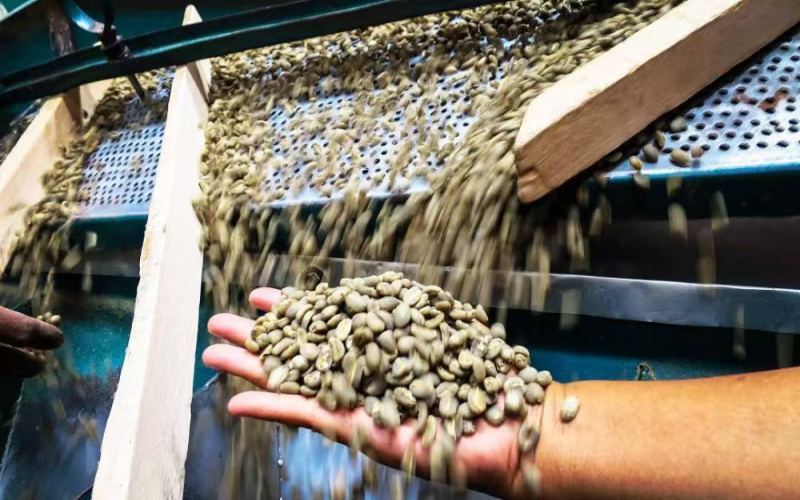
Mandheling and Geisha Grading Systems Are Totally Different: From G1 to Auction Beans, Understand the Key to Flavor and Grade
When specialty coffee enthusiasts shop, they often see labels such as G1, AA, or auction grade on packaging, but may not understand the grading logic behind them. Mandheling is graded by the number of defective beans, while Geisha is classified based on origin and cupping scores. This article takes an in-depth look at the evaluation standards for coffee beans from producing regions such as Indonesia and Ethiopia, and compares the differences in processing methods and flavor profiles between the two, helping you choose the right beans according to your needs. [more…]