







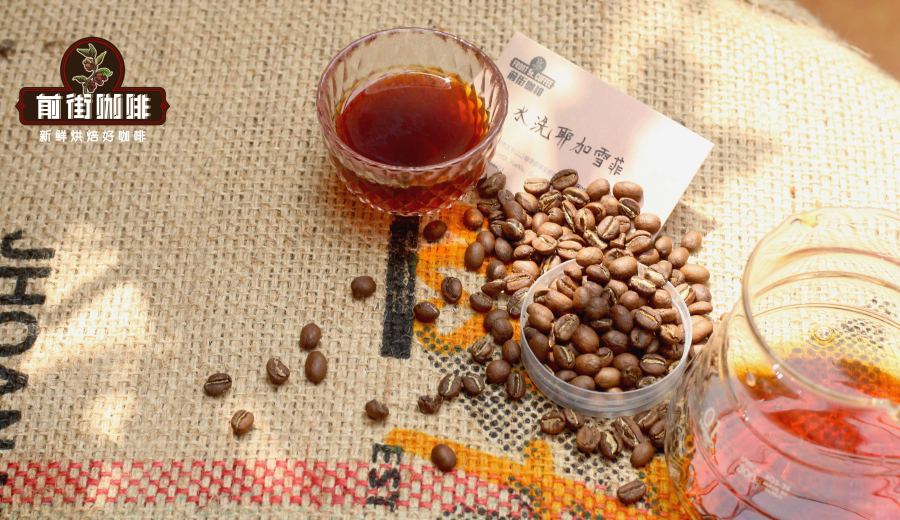
Introduction:The character of coffee is often hidden in the nuances of roasting. From the bright and refreshing light roast to the rich and captivating medium-dark roast, each roast level brings distinctly different colors, aromas, and flavors. This article provides a detailed breakdown of the characteristics of the four main roast levels, including bean color, roasting temperature, Agtron values, and offers an in-depth analysis of acidity, sweetness, body, and flavor profiles to help you choose the right roast level based on your taste preferences—while also mastering the optimal pour over or extraction parameters.
A significant part of a coffee’s flavor profile depends on its roast level. From the bright and zesty notes of a light roast to the bold and full-bodied taste of a medium-dark roast, each stage of roasting not only alters the appearance and color of the coffee beans but also directly influences aroma expression, acid-sweet balance, and overall mouthfeel. Understanding these differences allows you to make more informed choices when selecting coffee beans and adjusting brewing methods.
Light Roast CoffeeTypically appears light tan or a cinnamon-like light brown, hence also referred to as Cinnamon Roast. These coffee beans, due to their short roasting time, retain the most of their original flavors and often exhibit pronounced floral and fruity aromas with bright acidity. For extraction, it is recommended to use a higher water temperature (around 90–93°C) with a fine grind to fully bring out its lively fruit acids and citrus notes. Common flavor notes include lemon, white peach, jasmine, and a tea-like clean finish. The bean surface is usually oil-free, with a coarse texture, and the exit temperature is around 205–209°C, with Agtron values ranging between 70–80. It is recommended to try beans with clear fruit acidity and a tea-like character to experience a bright, fruit-tea-like mouthfeel.
Medium-Light RoastCoffee beans are light brown to chestnut in color, also known as Light-Medium Roast. This roast level balances the acidity and sweetness of the coffee while enhancing its sweetness and aroma complexity, making it suitable for various brewing methods such as pour over, cold brew, and French press. These beans typically exit the roaster during the first crack’s dense phase, with an exit temperature of about 210–214°C and Agtron values of 60–70. Their flavor profile often features honey, berries, caramel sweetness, and a soft body. The bean surface is smoother, occasionally with a slight sheen. It is recommended to choose honey-processed beans to further enhance sweetness and smoothness—ideal for coffee lovers who enjoy a rounded yet layered taste.
Medium Roast CoffeeBeans turn red-brown or dark brown, sometimes also called City Roast or Medium Roast. This roast level intensifies the caramelization reaction, giving the coffee a more pronounced sweetness and body, while the acidity becomes more restrained and the bitterness more mild—making it very suitable for everyday drinking. The beans are usually dropped from the roaster at the end of the first crack to the beginning of the second crack, with an exit temperature of 216–220°C and Agtron values ranging between 50–60.Such coffees often carry earthy aroma notes like roasted peanuts, dark chocolate, and nuts,with a balanced and layered acid-sweet profile, and a smooth, full-bodied mouthfeel. It is recommended to use a medium-high water temperature (around 88–92°C) with a medium grind, suitable for various brewing methods—especially recommended for those new to dark roasts but who prefer something less intense. The image 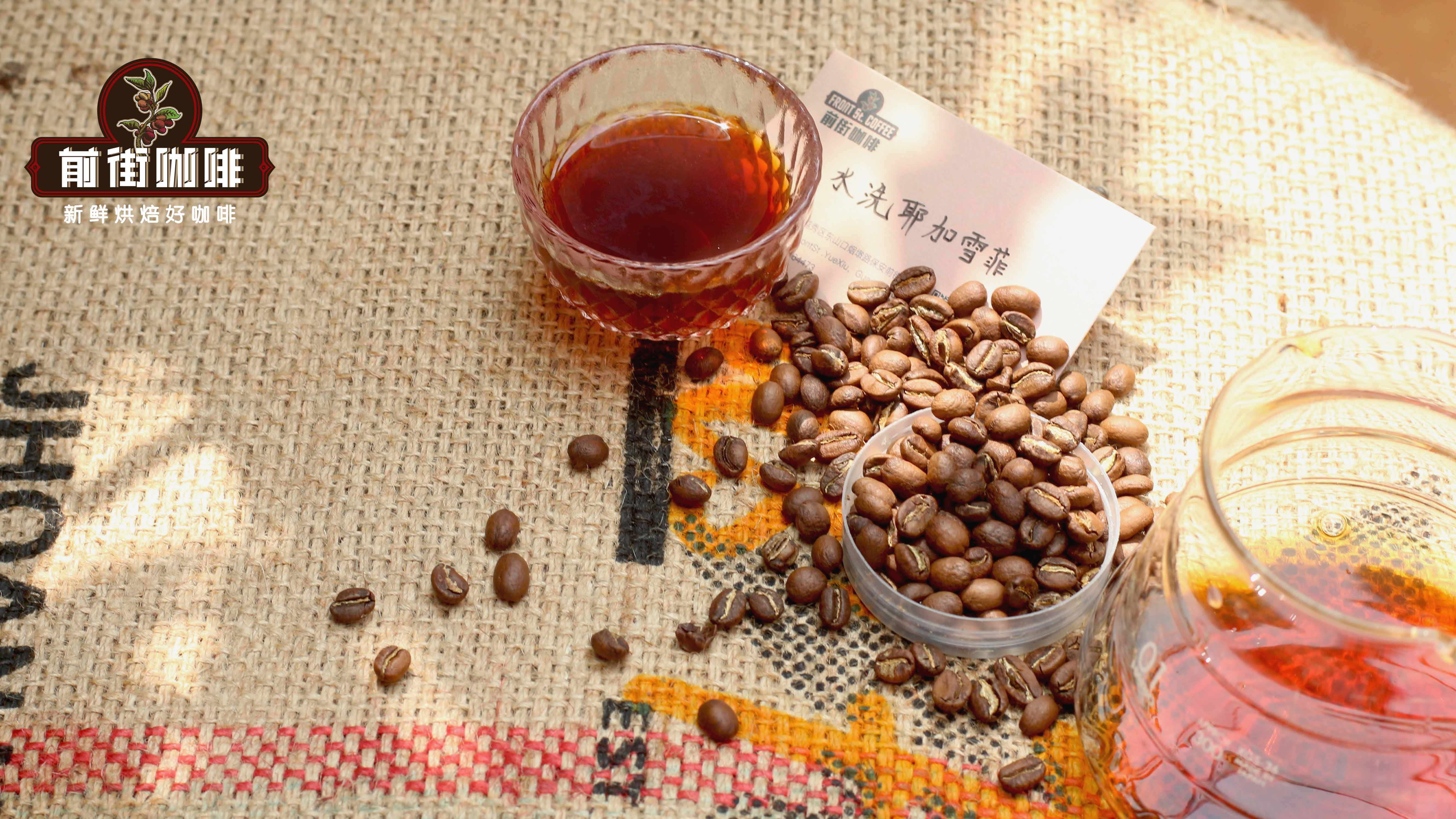 shows the typical external characteristics of medium roast coffee beans.
Medium-Dark RoastCoffee beans appear black-brown to dark brown, falling within the range of near Dark City Roast, also known as Vienna Roast. This roast level emphasizes the roast-derived flavor characteristics—such as caramel, spices, dark chocolate, and nuts—while significantly reducing the original fruity notes. The beans are usually dropped during the dense phase of the second crack, with an exit temperature as high as 226–230°C and Agtron values of 40–50. Such coffees have little noticeable acidity, but offer excellent body, entering the cup with a rich mouthfeel accompanied by stable sweetness and a subtle smoky tone. However, if the roast is not well controlled, it can easily result in overly burnt or even charred flavors. It is recommended to use slightly lower water temperature (around 86–90°C) and a medium-coarse grind to avoid over-extraction that could lead to bitterness. This type of coffee is best suited for those who enjoy a bold mouthfeel and the flavors of spices and chocolate—and it is also the preferred base for many espresso blends.
The above content is compiled by CoffeeHunters, a coffee news website.


