







Introduction:Kenyan coffee is renowned for its bright acidity and juicy mouthfeel, and the key to this lies in classic varieties such as SL28 and SL34. This article will take you through the historical background, flavor characteristics of these varieties, as well as later-developed Ruiru 11 and Batian, which were introduced to combat pests and diseases. Whether you're new to coffee or an advanced enthusiast, you'll gain practical knowledge on bean selection and tasting.
Kenyan coffee has gained worldwide fame thanks to its distinctive bright acidity and richly juicy taste, much of which can be attributed to the soul of two classic varieties—SL28 and SL34. Developed over nearly thirty years by what was then the Scott Laboratories (later renamed NARL, the National Agricultural Research Laboratories), they were officially launched in the 1950s and remain representative of Kenya’s specialty coffee to this day. However, with the increasing threat of pests and diseases, newer varieties such as Ruiru 11 and Batian were subsequently introduced to enhance disease resistance and yield.
When it comes to Kenyan coffee, many people immediately think of its vibrant acidity and full-bodied taste. The Kenyan-style washed process is highly praised in the global specialty coffee community, and the SL series varieties are the hallmark of Kenyan coffee—not only widely planted locally but also winning high recognition in international markets.
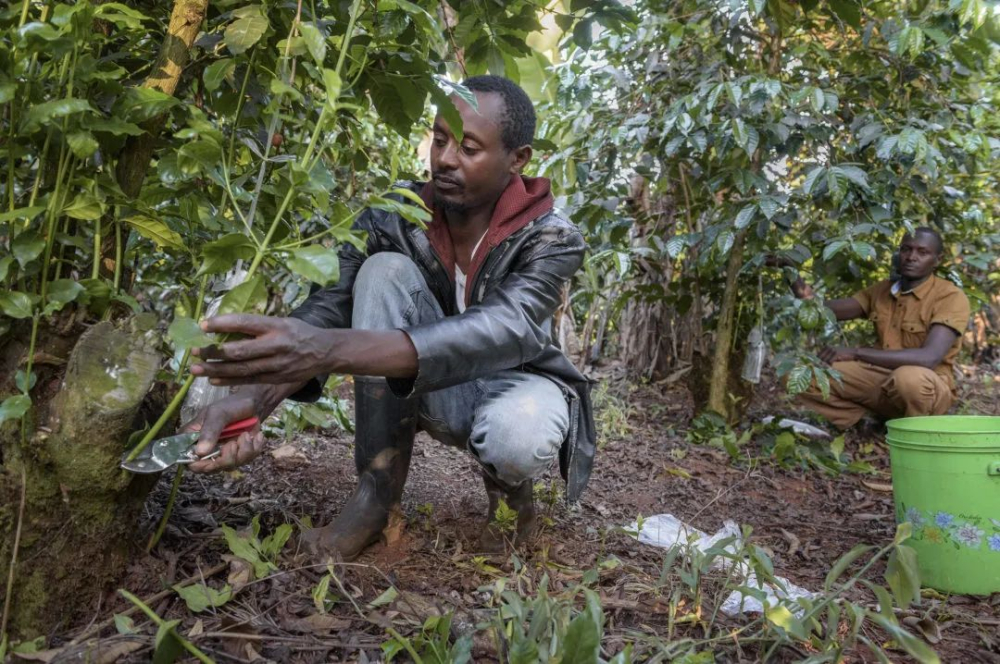
SL actually stands for Scott Laboratories. This institution was established by the colonial government as early as 1922 and later renamed NARL. The research team at the time included entomologists, mycologists, and plant breeding specialists. In addition to providing technical guidance to farmers, they also conducted variety improvement, grafting experiments, pruning management, and shaded cultivation studies. One of their important tasks was to find coffee varieties that could adapt to Kenya’s climate and resist drought and disease.
Researchers traveled to neighboring Tanzania to collect local coffee tree species. After long-term screening and breeding, they finally launched several varieties—including SL28 and SL34—in the 1950s. These varieties were originally just two out of forty experimental strains, but they stood out due to their flavor and adaptability, gradually replacing the previously planted Bourbon varieties to become the mainstay of Kenyan coffee.
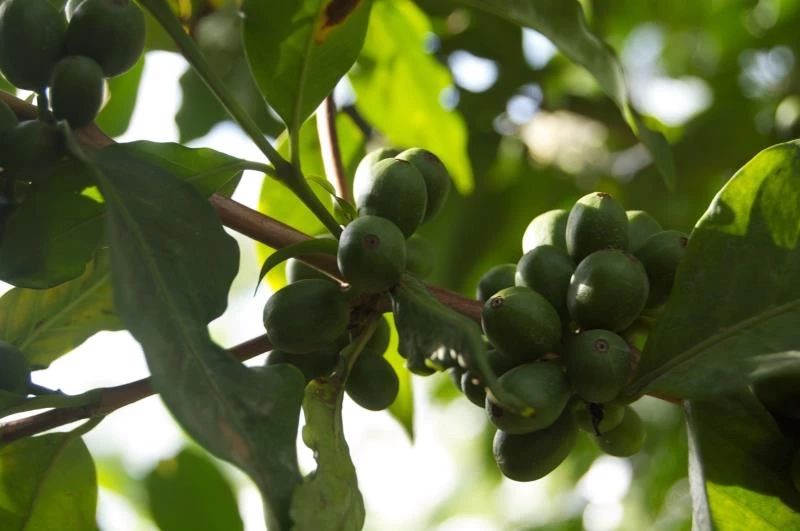
SL28 has a complex lineage, incorporating genetic traits from French Mission, Mocha, and Yemeni Typica. The plants are relatively tall, with leaf tips exhibiting a lime green color, and the beans are larger in size. Although it has decent drought resistance, it is rather sensitive to coffee leaf rust, coffee berry disease (CBD), and soil nematodes. In terms of flavor, SL28 displays intense black plum and citrus notes, with a deep acidity and a rich sweetness reminiscent of high-quality wine—a classic favorite among many coffee enthusiasts.
In comparison, SL34 has dark bronze-colored leaf tips, higher nutrient demands, and slightly lower yields, but it performs exceptionally well in high-altitude environments. Its beans are large, with pronounced acidity along with complex aromas of nuts and spices, resulting in a richly layered flavor. SL34 shares similar plant traits with SL28, being similarly susceptible to CBD, leaf rust, and pests, but together these varieties contribute to the unique flavor profile of Kenyan coffee.
It is precisely because of the outstanding performance of SL28 and SL34 that Kenyan coffee has secured a place in the global specialty market. For example, a certain coffee brand’s self-roasted Kenyan Assalya beans use these two varieties. When brewed, they emit a complex fruit aroma of cherry tomatoes, black plums, pears, and berries, with vivid and well-defined layers of flavor.However, SL28 and SL34 have limited resistance to pests and diseases, especially as the issue becomes increasingly severe in East Africa. In response, the Kenya Coffee Research Institute (CRI) introduced the new variety Ruiru-11 (鲁伊鲁11) in 1985, followed by Batian in 2010, to improve disease resistance and yield stability.
Ruiru 11 is a hybrid resulting from the cross of 11 parent varieties, including SL28, SL34, Bourbon, Rume Sudan, as well as Tanzania’s K7 and N39, with the maternal line derived from Indonesia’s Timor Catimor. This variety is an F1 hybrid, characterized by high yield and strong disease resistance. It can effectively withstand coffee leaf rust and coffee berry disease, but it has a shallow root system, is sensitive to drought, and its cup profile is generally less impressive than that of the SL series, often considered more neutral in flavor during cupping.
Batian, on the other hand, is a variety improved through backcrossing of Ruiru 11 with SL28 and SL34 by the Kenya Coffee Research Center. Seen as an “upgraded version of Ruiru 11,” it is named after Kenya’s highest peak, Batian. This variety not only retains the traits of high yield and strong disease resistance, but also requires less frequent spraying, resulting in about 30% lower cultivation costs compared to the SL series. Experts note that Batian exhibits flavors of sweet cane, citrus acidity, and rich berry notes, with relatively clear flavor definition.
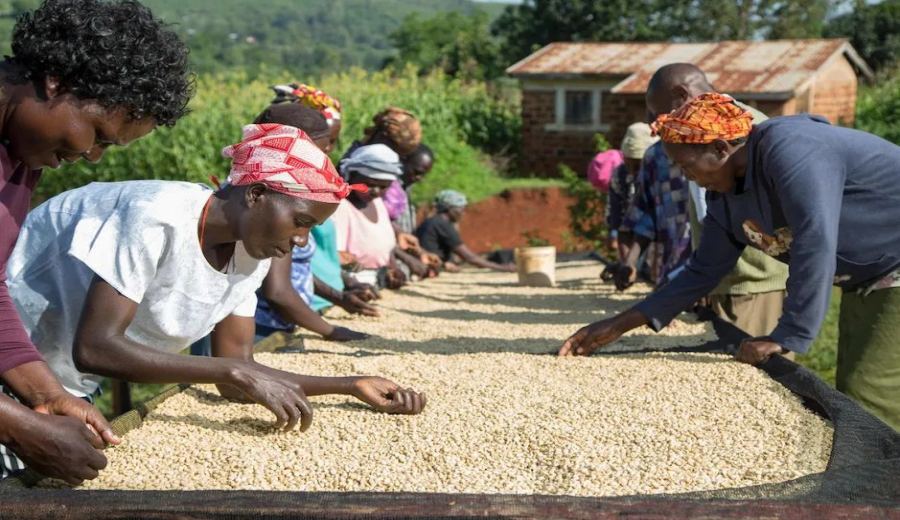
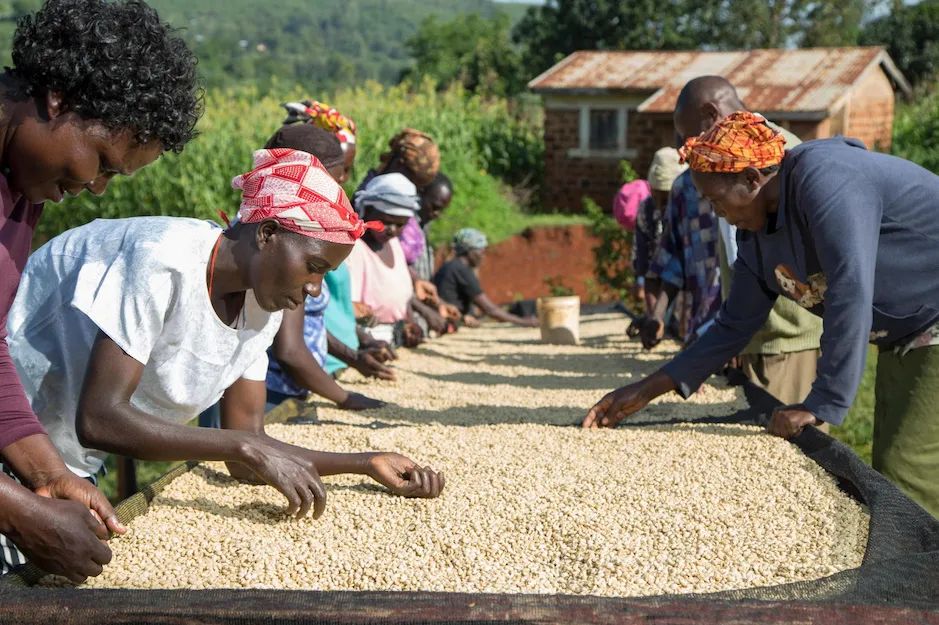
It is worth noting that single-variety Kenyan coffee is rarely seen on the market. This is because Kenyan coffee is mostly grown by smallholder farmers, and after harvest, the beans are usually sent to centralized processing stations where different varieties are mixed and washed together before being sold under the name of the processing station. As a result, the Kenyan coffee consumers buy is often a blended batch of varieties such as Batian, Ruiru 11, and the SL series, which contributes to the diverse and rich flavor profile characteristic of Kenyan coffee.
The above content is compiled by CoffeeHunters, a coffee news website.


