







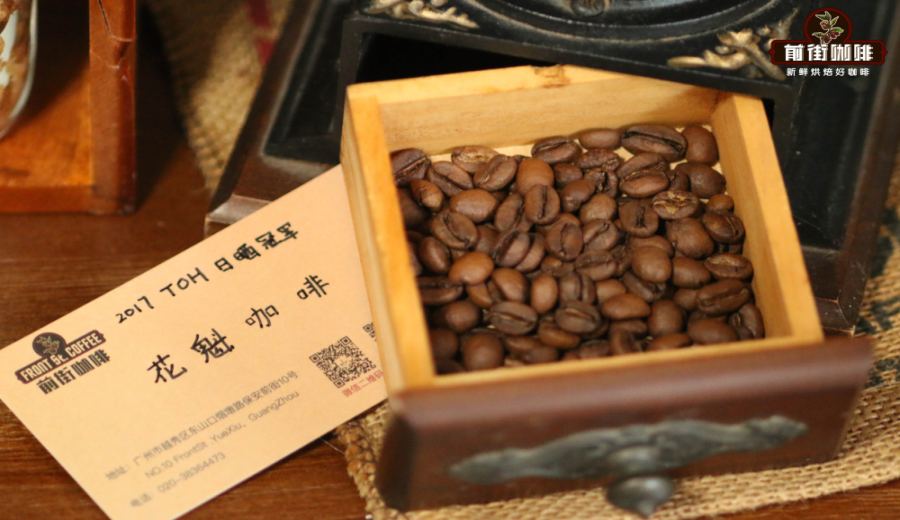
Introduction:Sidamo Huakui coffee beans are a star item among Ethiopia’s native varieties, renowned for their rich floral and fruity aromas and outstanding sweetness. This article will detail their origin background, processing methods, grading system, and provide an in-depth analysis of the differences between washed and natural processes, while also sharing key parameters for professionally crafting an SOE Flat White. This helps readers fully grasp this popular coffee from bean to cup.
Sidamo Huakui is an exceptionally distinctive Ethiopian native coffee variety, widely praised for its bold and layered aromas and high sweetness. It won first place in the natural category of the 2017 Ethiopian International Coffee Cupping. This particular batch earned the esteemed name “Huakui” due to its outstanding performance, using only fully red cherries for processing, combined with African raised bed slow drying and low-temperature long fermentation techniques. These methods develop unique wine-like and floral notes, often bringing out fruit tea-like profiles reminiscent of strawberry fruit tea when brewed using pour over.
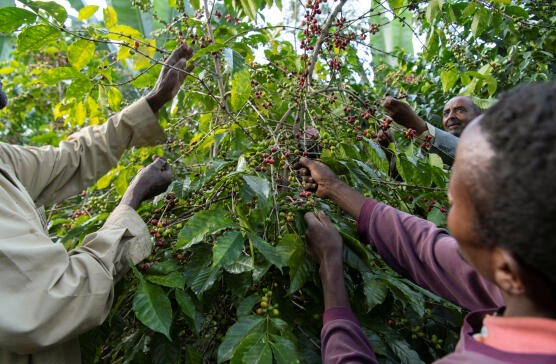
The selection of these coffee beans is extremely meticulous, choosing only fully ripe, whole red cherries harvested manually. During processing, the coffee cherries are naturally dried on African raised beds, and sun drying only begins once the sugar content reaches above 21. The fermentation stage employs a low-temperature process lasting up to 21 days—far longer than the typical dozen or so days of normal natural processing—helping to more precisely control flavor development and resulting in its standout sweetness and complexity. In both cupping and pour over experiences, distinct wine and floral aromas are often perceived, with overall flavors that are fresh and captivating, much like strawberry fruit tea.
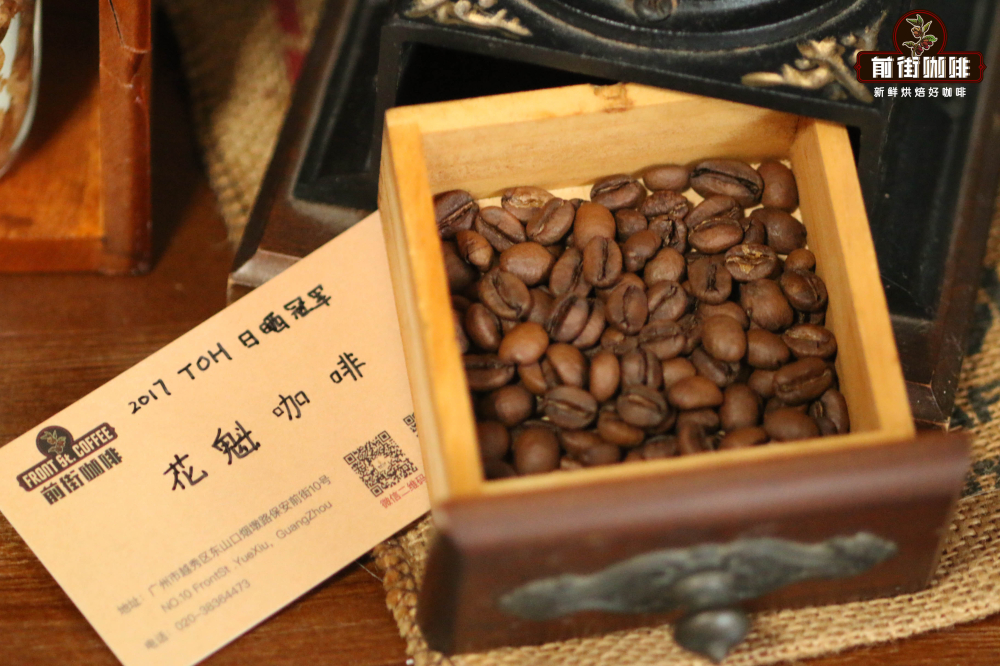
Through multiple cupping comparisons, the main flavor profile of Huakui coffee has been summarized: berry-like acidity and sweetness notes such as strawberry, red wine, peach, and cherry, complemented by rose floral notes, with a notable sweet aftertaste. The wine fermentation sensation and tropical fruit sweetness blend together, creating a highly layered taste experience.
The name Sidamo originates from the local indigenous Sidama people, who have a unique language, culture, and religion, even celebrating a UNESCO-recognized traditional New Year called “Fiche Chambalala,” which attracts over five million people annually to the capital, Hawassa. However, the term Sidamo was originally used by Ethiopian Empire rulers in the late 19th century to refer to the Sidama people, carrying slightly derogatory connotations. After Ethiopia implemented a federal system in 1995, the Sidama people were designated part of the Southern Nations, Nationalities, and Peoples' Region, and the region's name reverted to Sidama. But due to trademark and market convention, the area’s coffee is still widely referred to as “Sidamo.”

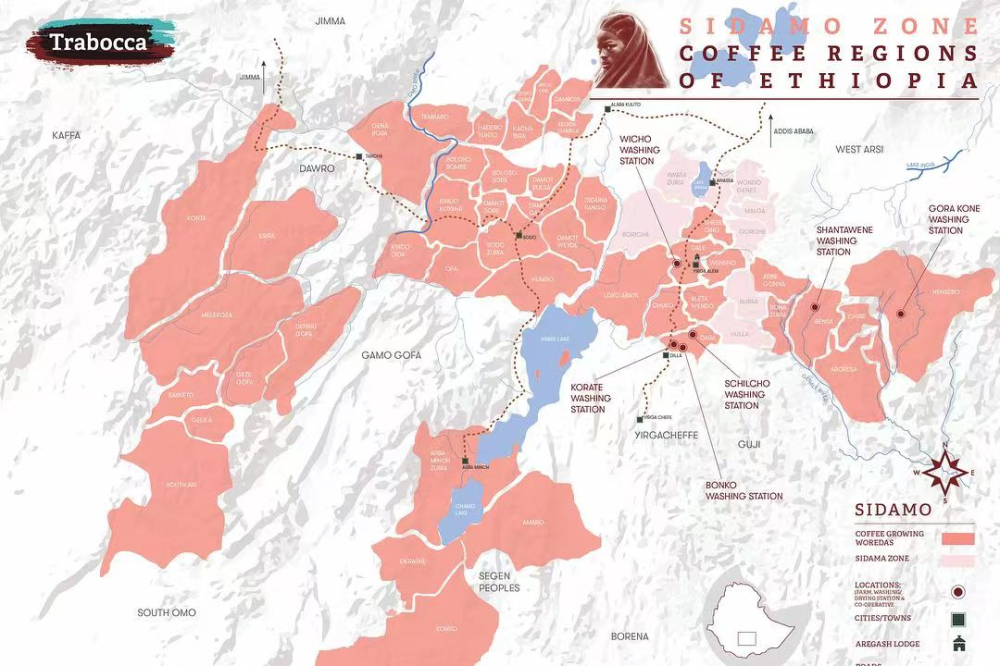
It is worth noting that according to regional maps drawn by international specialty green coffee traders such as Trabocca, the so-called Sidamo coffee region spans both the Oromiya Region and the Southern Nations, Nationalities, and Peoples' Region (SNNPR), and is not entirely within today’s Sidama State. Therefore, Sidamo coffee on the market essentially refers to coffee with the typical flavor characteristics of the region, rather than being a product of a single administrative zone. Traditionally, Sidamo coffee is known for its bright citrus acidity and full body, and compared to Yirgacheffe, it often has a more robust mouthfeel.
Coffee cultivation in the Sidamo region is mainly carried out by smallholder farmers with limited yields, and most of it is processed collectively through local coffee cooperatives and processing stations. When the coffee cherries ripen, farmers in the surrounding areas deliver their harvested cherries to processing stations set up near water sources for unified processing, and the final product is sold under the name of the processing station. With the rise of the specialty coffee trend, more and more producers are choosing to work directly with farmers to strengthen traceability and management of micro-lots, increasingly enhancing the quality and flavor diversity of Sidamo coffee. The coffee cultivation altitude in this region ranges from 1,400 to 2,000 meters, mostly located around the East African Rift Valley. Differences in microclimates and soil conditions contribute to the unique flavor profiles of coffee from each town.
In Sidamo, the natural (sun-dried) processing method is one of the most common techniques. This traditional method enhances the layered fruitiness of the coffee and delivers a smoother mouthfeel. Compared to other processing methods, natural processing retains more fruity tones, making the coffee’s flavor profile richer. However, because natural processing relies heavily on climate and technique, improper handling can easily lead to defective flavors.
Ethiopia’s coffee grading system was originally established by the CLU department under the Ministry of Agriculture, primarily grading based on the number of defective beans per 300 grams of green coffee. Generally, washed beans are mostly graded G1 to G2, while early natural beans, due to processing limitations, had more defects and were typically graded G3 to G5. With technological advancements, natural beans today can also achieve the high standards of G1 to G2. After the establishment of the ECX (Ethiopian Commodity Exchange), the grading system became more detailed, evaluating beans based on 40% physical characteristics (such as defect count, size, color, and aroma) and 60% cupping flavor performance, divided into nine grades. Among them, G1 to G3 are further cupped according to SCAA standards, with those scoring above 85 points rated as Q1 specialty grade, 80 to 85 points as Q2, and below 80 points classified as G3 or commercial grade.
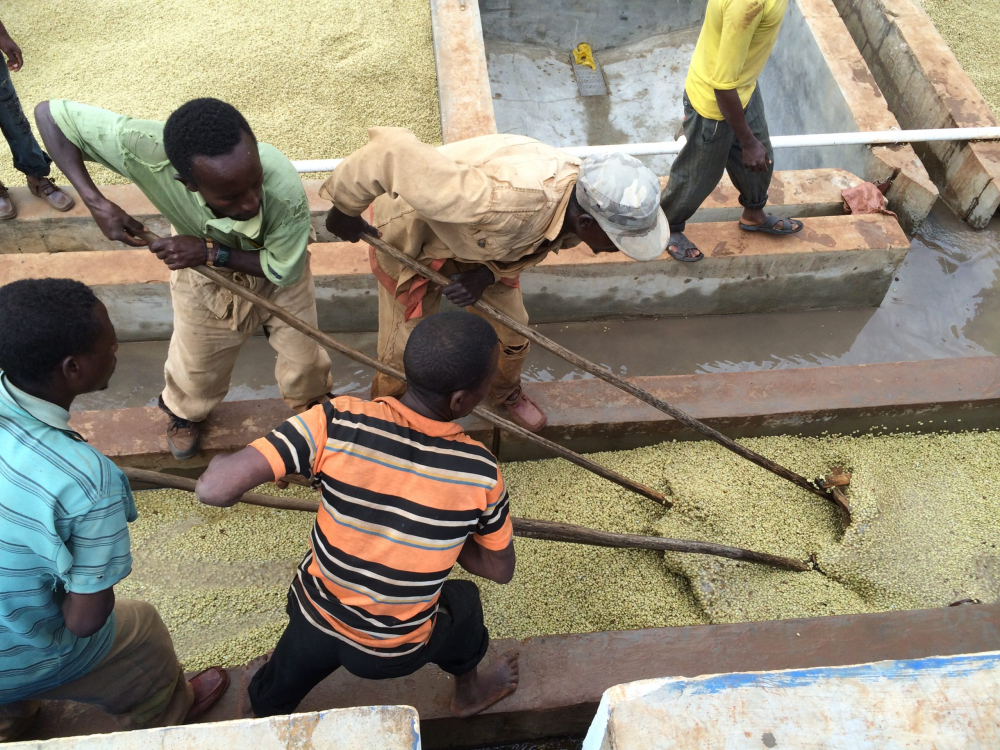
The processing methods for Sidamo coffee mainly include washed and natural. The washed process includes steps such as sorting, pulp removal, fermentation, washing, drying, hulling, and grading. Fermentation is used to remove the mucilage, followed by drying to achieve a moisture content of about 12%. Coffee processed this way usually has clear flavors, bright acidity, high cleanliness, medium body, and good quality consistency. In contrast, the natural method involves drying the whole coffee cherry directly, a process that takes 27 to 30 days. Although simpler, it carries higher risks, as over-drying can cause the beans to crack. Natural coffee typically exhibits richer and more complex fruit flavors. Though less clean in appearance than washed coffee, it can showcase greater richness and sweetness.
Returning to the popular Huakui 8.0 bean, it is grown at the border of Guji and Sidamo, processed by the Buku Abel station, cultivated at altitudes as high as 2,250 to 2,350 meters, and is of Ethiopian native variety, processed using the natural method. When brewed using pour over, it often presents complex flavors such as jasmine flower, fermented wine, creamy strawberry, and jackfruit. It is suitable for medium-light roasting to highlight its bright acidity and fruity profiles.
In addition to pour over, Huakui 8.0 is also suitable for various brewing methods, including cold brew, iced drip, moka pot, and the increasingly popular SOE Flat White. To fully showcase its floral and fruity aromas and delicate texture, special attention is paid to the combination of small serving size, thin milk foam, and a well-extracted concentrated espresso base when making an SOE Flat White. The specific method involves using a double ristretto (Double Ristretto), extracting 30 grams of coffee liquid with 20 grams of coffee grounds, with an extraction time controlled between 22 to 26 seconds to ensure concentrated flavor without over-extraction. After extraction, the coffee liquid is poured into the cup, followed by steaming 150 milliliters of milk.
When steaming the milk, care should be taken to use less air intake than usual for a latte, to maintain an even thinner and denser milk foam, with an ideal temperature of 50 to 60 degrees Celsius for a smoother mouthfeel. Finally, the milk foam and coffee are evenly integrated. There’s no need for deliberate latte art, as the thin foam prevents the liquid surface from leveling with the rim of the cup, resulting in the so-called “Flat White” flat and smooth appearance.
When tasting this Huakui SOE Flat White, you can perceive buttery cookie, plum, and almond aromas in the coffee crema, blended with the freshness of red berries and the rich texture of chocolate cookies. The overall flavor profile is rich and balanced, making it an excellent way to experience the refined flavors of Sidamo Huakui 8.0.
The above content is compiled by CoffeeHunters, a coffee news website.


