







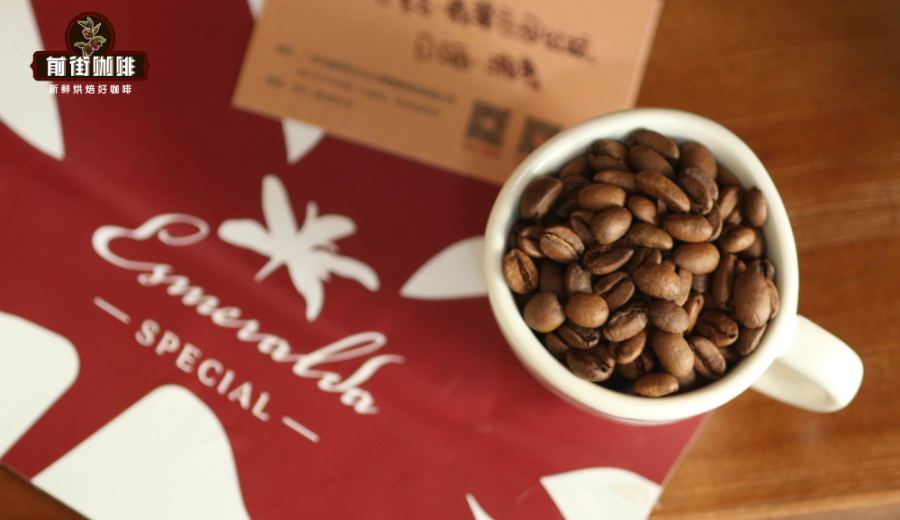
Introduction:The Emerald Estate Red Label Geisha is hailed as a top-tier masterpiece in the coffee world, with prices that remain consistently high. What exactly makes it so special? This article delves into the rarity of its variety, its extremely low yield, and its strict grading system, while also explaining the differences between the Red, Green, and Blue labels. We also provide practical V60 pour over recommendations to help you brew this Geisha at home—bringing out its pronounced rose-like floral notes, citrus tones, and berry sweetness—for an elevated coffee tasting experience.
Geisha coffee is often regarded as the pinnacle representation of specialty coffee, and the Emerald Estate’s Red Label Geisha is one of the highest-priced single-origin coffees on the market. On our menu, this Geisha sits at the top with a price of 350 RMB per 100 grams, or about 75 RMB per cup. Though still reasonably accessible, the reasons behind its premium pricing go far beyond mere marketing. So what makes this coffee so exceptional? The answer lies in its rare variety, demanding growing conditions, extremely limited production, and rigorous grading and processing procedures.
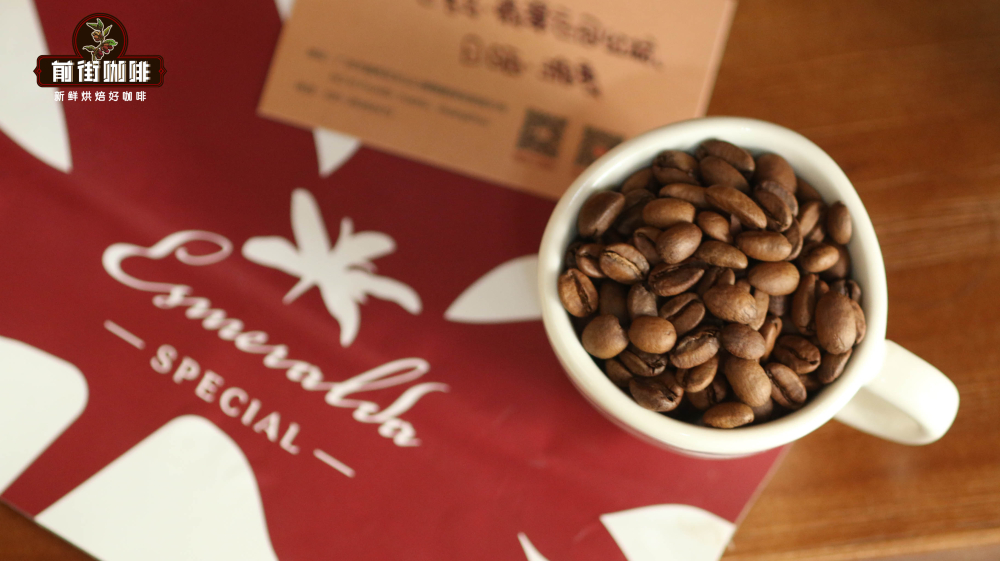
Compared to more common Arabica varieties, Geisha not only has an exceptionally low yield but also places extremely high demands on its environment. It thrives at high altitudes and requires a misty, fertile soil environment shielded from direct sunlight. Its thin leaves and underdeveloped root system result in poor photosynthesis efficiency and slow absorption of water and nutrients, leading to yields per unit area that are far below mainstream varieties like Caturra—typically only about half as much. In addition, the high altitude extends the fruit ripening period, all of which contribute to the inherently high cost of Geisha.
Not only is the variety itself rare, but global Geisha production is also extremely limited. Take Panama, a major coffee-producing country, as an example: the nation produces about 10,000 metric tons of coffee annually, yet the Emerald Estate manages to produce only around 150 bags of green beans per year—equivalent to just 9,000 kilograms. If we estimate that the Geisha variety accounts for only about 3% of its total output, the actual amount of Geisha green beans in circulation does not exceed 270 kilograms. With such a severe supply-demand imbalance and strong market demand for its unique flavor profile, it’s inevitable that prices remain consistently high.
So, what makes the Red Label Geisha different? Going back to earlier days, the third-generation owner of the Emerald Estate, Daniel, after acquiring the uniquely advantaged Jaramillo Estate, discovered through repeated cuppings that the Geisha variety exhibited an extraordinary flavor profile. From then on, he began systematically evaluating different plots. He divided planting areas by altitude, eventually forming the now well-known Red, Green, and Blue label grading systems. Within the brand, the Red Label corresponds to Emerald Special, the Green Label to Private Collection, and the Blue Label to what was once called the Geisha 1500 Volcanic Series.
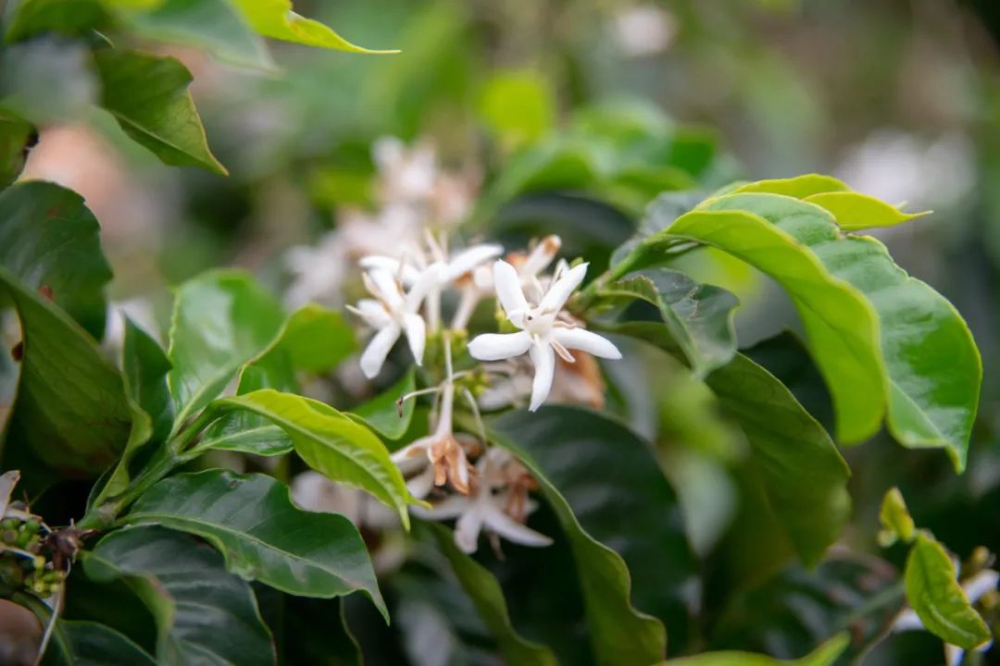
The hallmark of the Red Label Geisha is that each batch comes from a specific single plot—for example, the Red Label we use comes from the Mario plot at Jaramillo. This single-origin approach not only ensures flavor consistency but also allows consumers to trace clear origin information. The selection criteria for Emerald Special Red Label are extremely strict, using only beans from the Jaramillo and Canas Verdes regions, grown at altitudes between 1,600 and 1,800 meters, and scoring 90 or above in cupping evaluations. The auction-grade Red Label batches seen on the market are further selected from these plots to participate in independent auctions. While non-auction Red Label beans are priced lower, they still maintain the same high standards of single-origin quality.
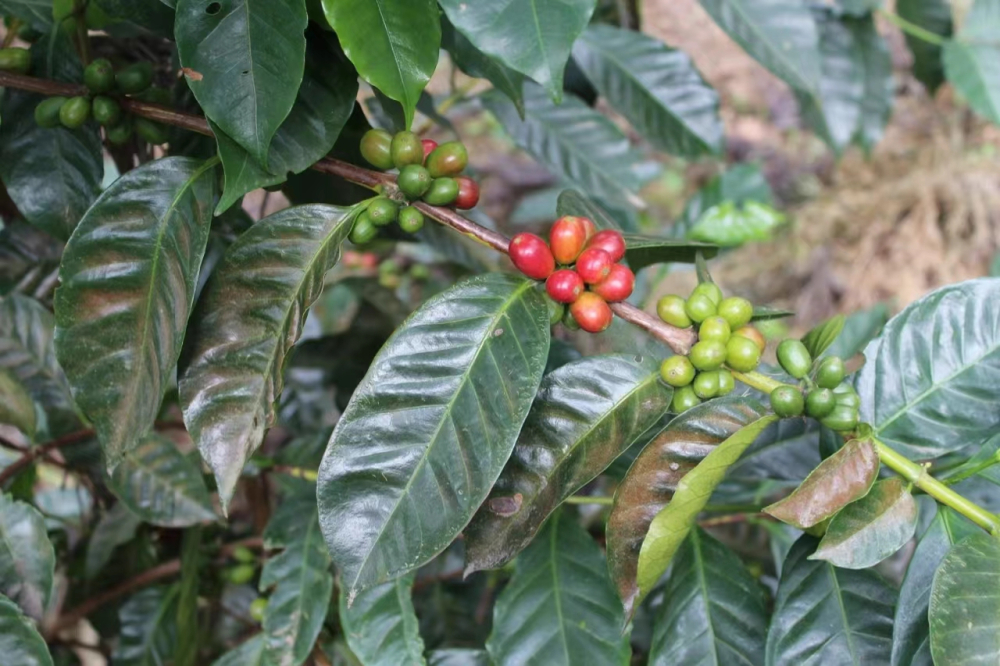
To fully showcase the unique flavors of Geisha, the Red Label Geisha we use is processed with a slow natural (sun-dried) method. The processing facility is located at Cañas Verdes at the foot of the Barú Volcano, just about a twenty-minute drive from the town of Boquete. During processing, the estate insists on harvesting only perfectly ripe coffee cherries, which are meticulously hand-picked at the optimal time and quickly delivered to the processing facility to ensure that the pulp’s sugars and flavor compounds are fully transformed. Through the refined process of slow natural drying, this batch of Red Label Geisha exhibits richer fruity notes, with particularly outstanding sweetness and acidity.
To fully express the floral, citrus, and berry characteristics of the Red Label Geisha, the roaster opts for a medium-light roast to preserve its most vibrant aromatic molecules and juicy mouthfeel. Similarly, the recommended pour over method also focuses on highlighting delicate acidity, sweetness, and floral notes—particularly recommending the use of a V60 dripper for brewing.
V60 pour over recommended parameters are as follows:
- Dripper: V60
- Water temperature: 90-91°C
- Grind size: Fine sugar granularity (approximately 80% passing rate through a standard #20 sieve)
- Coffee-to-water ratio: 1:16
- Coffee dosage: 15 grams
For the brewing steps, it is recommended to first place the coffee grounds into the dripper, then pour in double the amount of water for blooming and let it sit for about 30 seconds to allow the coffee grounds to fully expand. Then, pour water in small streams in a circular motion from the inside out. When the total water volume reaches 125 grams, perform the first pour. Once the coffee bed drops to the middle of the dripper, continue pouring until you reach 225 grams in total. Finally, wait for the dripping to finish before removing the dripper. The entire process takes about 2 minutes. This extraction method fully releases the layered complexity and delicate fruity aromas of the Geisha.
Freshly brewed Red Label Geisha offers an immediate burst of distinct rose and citrus aromas, followed by a medley of berry, apricot, and peach fruit notes, along with a honey-like sweetness. The overall flavor profile is rich and layered, with a long-lasting aftertaste. It’s worth noting that the aroma and vibrancy of the coffee beans will gradually decline over time and with storage conditions. Therefore, we recommend choosing freshly roasted beans. The Geisha we ship is always from a fresh batch roasted within five days prior to dispatch, ensuring you receive it at its optimal flavor peak.
The above content is compiled by CoffeeHunters, a coffee news website.


