







Introduction:An in-depth exploration of the Geisha series from Panama’s Finca El Velo, covering altitude classification, terroir of individual plots, as well as the differences between auction lots, Red Label, Green Label, and Blue Label. This comprehensive guide analyzes the roasting profiles, cupping flavors, and pour over recommendations for each grade. Ideal for coffee enthusiasts who want to understand the details of Geisha, make informed purchases, or improve their brewing skills.
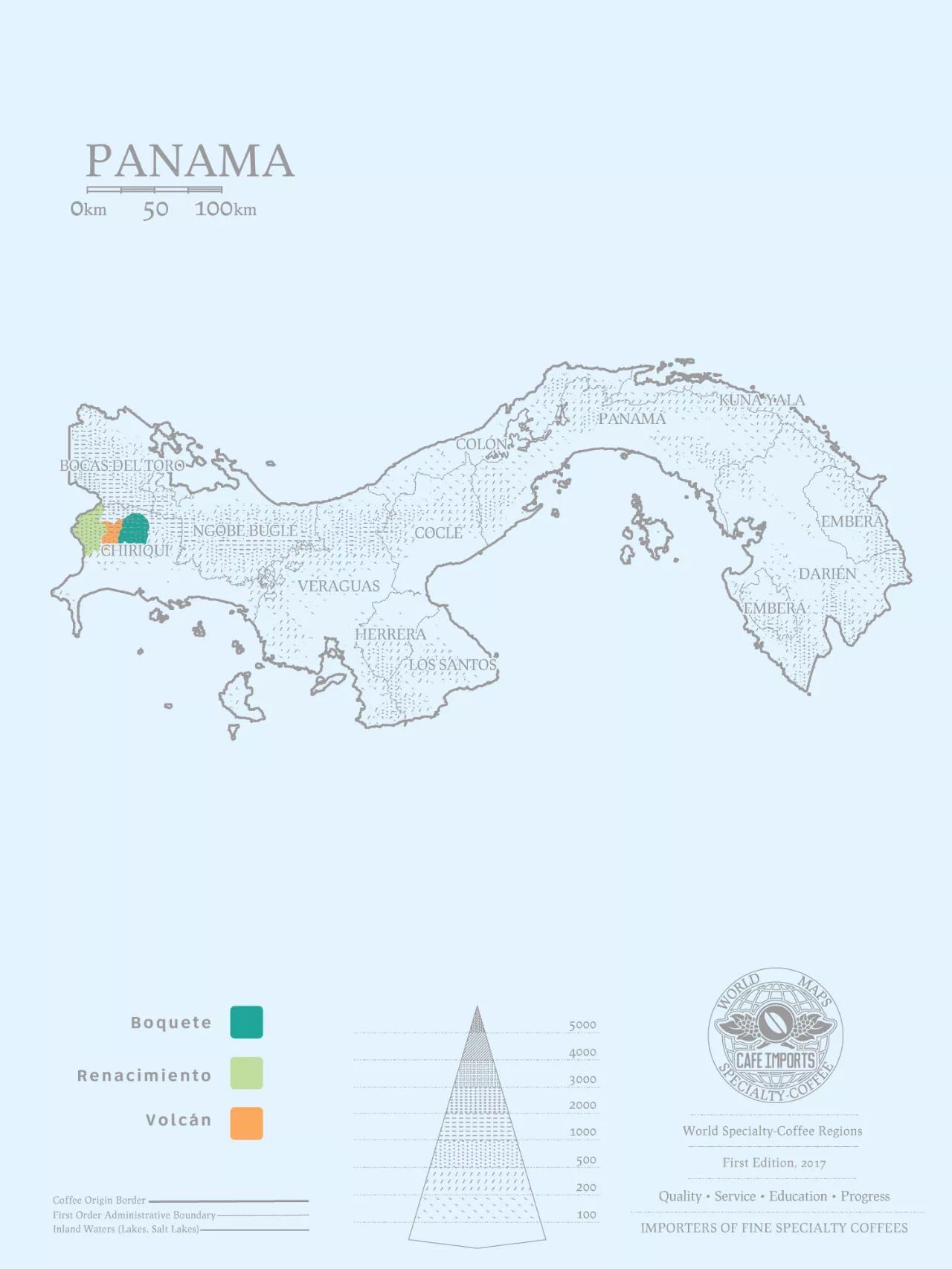
When it comes to specialty coffee, “Finca El Velo” is almost synonymous with the Geisha variety. This renowned estate located in Panama’s Boquete region is not only one of the earliest discoverers of Geisha’s unique flavor profile but is also celebrated for its rigorous altitude-based classification system. From auction-grade to everyday-drinking Blue Label, each Geisha offering carries a distinct flavor profile, all backed by strict control over plot and elevation.
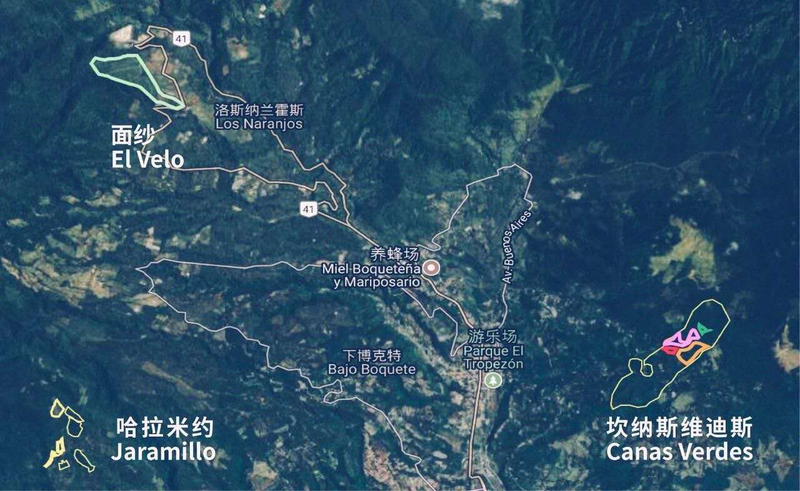
Why is altitude so important for coffee? Simply put, high-altitude regions experience greater diurnal temperature variations and slower growth rates, which help coffee cherries accumulate more complex flavor compounds and acidity. El Velo takes this principle to heart by planting Geisha in high-altitude zones, further divided into three main estates: Jaramillo, Cañas Verdes, and El Velo. Each estate is then subdivided into multiple micro-plots, creating diverse flavor layers in Geisha due to differences in altitude and microclimate.
The rise of Panamanian coffee can be traced back to the late 20th century. In its early days, Panamanian coffee was unremarkable compared to neighboring producing countries, both in yield and quality. However, with the rise of the second wave of coffee culture—especially during the period when the United States helped build the canal—a surge of technology and capital flowed in, driving the local shift toward precision farming and quality-oriented production. El Velo emerged as a model during this wave. Its founder, Rudolph Petersen, purchased the land after moving to Panama in 1964, and his son Price introduced the Caturra and Catuaí varieties in 1987. A washed processing facility was established in 1994, laying the foundation for what the estate is today.
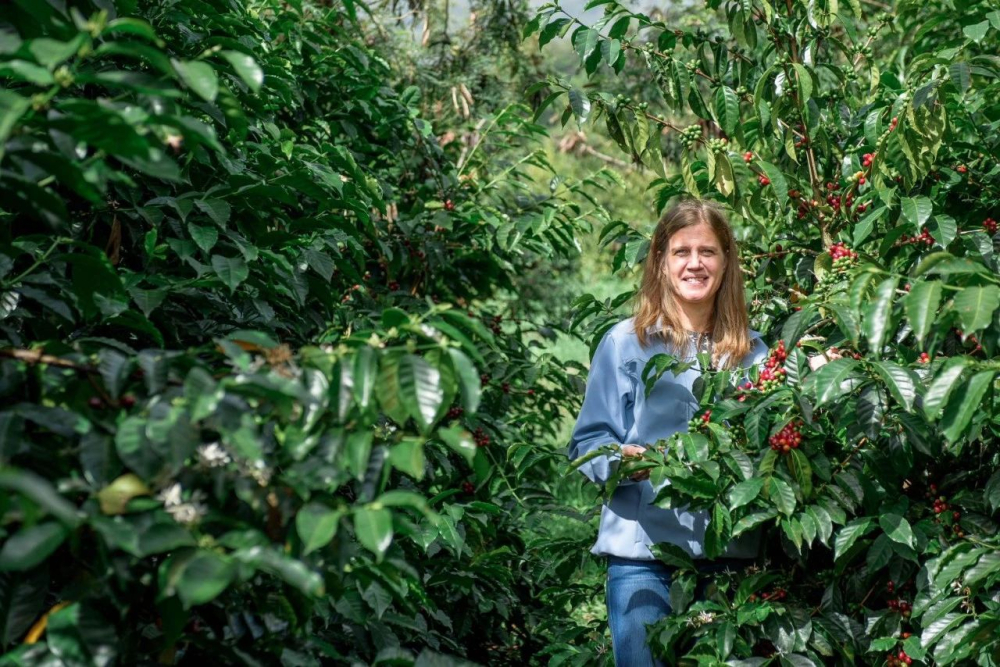
Currently, the key estates where El Velo grows Geisha include Jaramillo, Cañas Verdes, and El Velo. Among them, Jaramillo was incorporated into the estate as early as 1996, situated at an altitude of 1600–1700 meters with an annual rainfall of up to 4000 mm. The significant day-night temperature variation creates ideal conditions for Geisha to develop intense floral aromas and crisp fruity acidity. It is further divided into five sub-sections: Mario, Noria, Reina, Bosque, and Buenos Aires, each showcasing subtle differences.
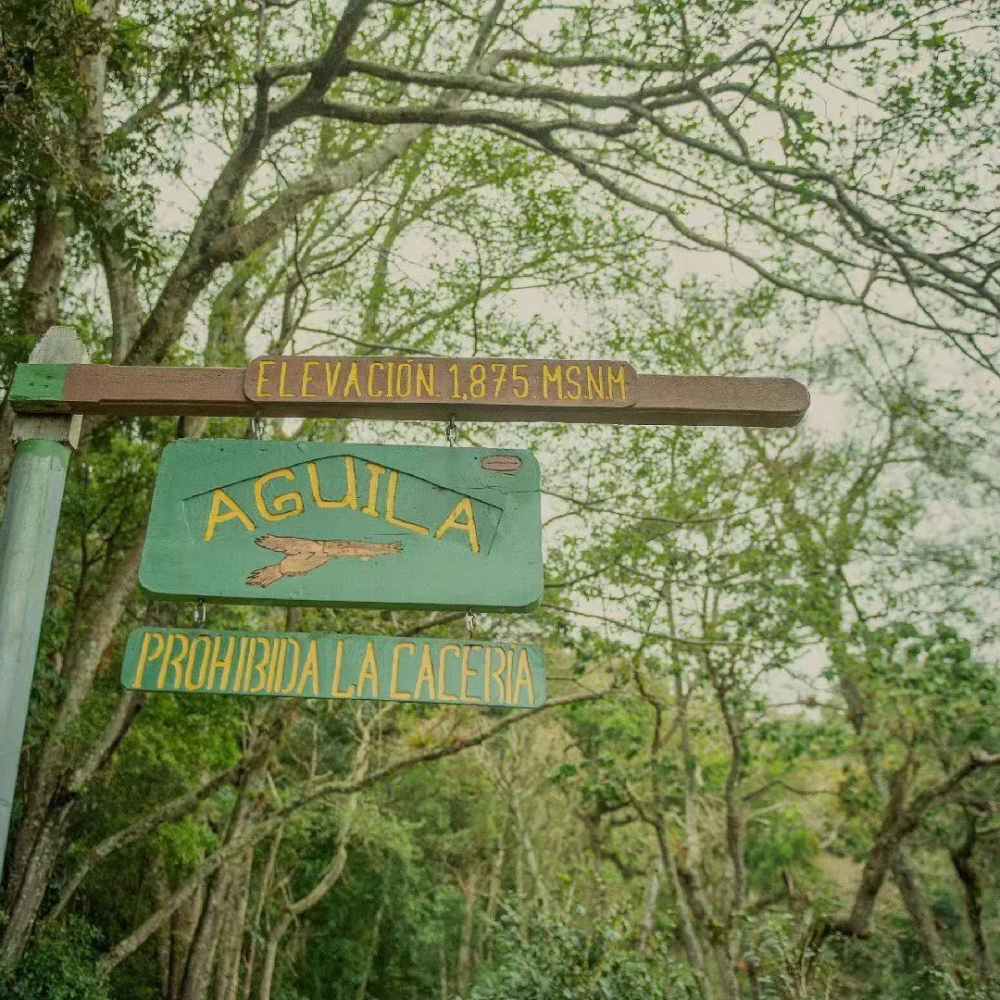
Cañas Verdes features 11 small Geisha-growing plots, such as Lino, Coronado, and Fundador. With an annual rainfall of about 3500 mm, complex terrain, and fertile volcanic soil, along with notable day-night temperature differences, it imparts rich aromatic complexity and layered flavors to the Geisha. Meanwhile, the El Velo estate is the newest and youngest Geisha-producing area, acquired only in 2012. It sits at an even higher altitude, between 1650 and 1900 meters, making it the highest-altitude growing area in the entire estate. Covering 50.25 hectares, with 37.9 hectares dedicated exclusively to Geisha cultivation, this zone also grows over 400 coffee varieties sourced from CATIE, such as Laurina, Pacamara, and SL28, for long-term breeding and research purposes.
El Velo’s Geisha offerings are categorized into four main types based on altitude, plot, and processing method: auction-grade, Red Label, Green Label, and Blue Label. Auction-grade Geisha, commonly referred to as “auction Geisha,” comes from carefully selected micro-lots at elevations of 1600–1800 meters in Jaramillo and Cañas Verdes. These lots often score 90 points or above in cupping and are released exclusively through the estate’s independent auctions. It’s worth noting that there are also non-auction Red Label Geishas available on the market. Though sourced from the same plots, they do not go through the auction process. These offer relatively more accessible pricing while still maintaining a high standard of flavor. Typically processed via washed or natural methods, they showcase bright floral notes, citrus tones, and vibrant fruity acidity.
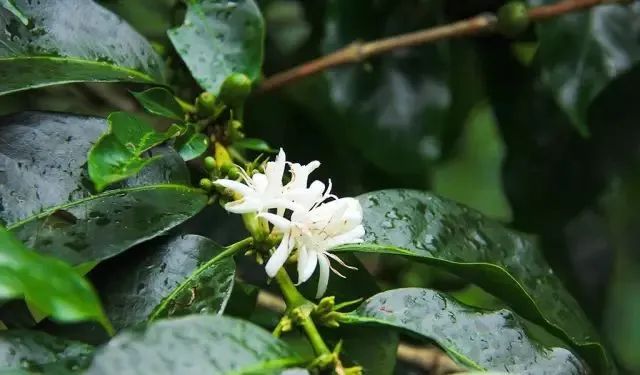
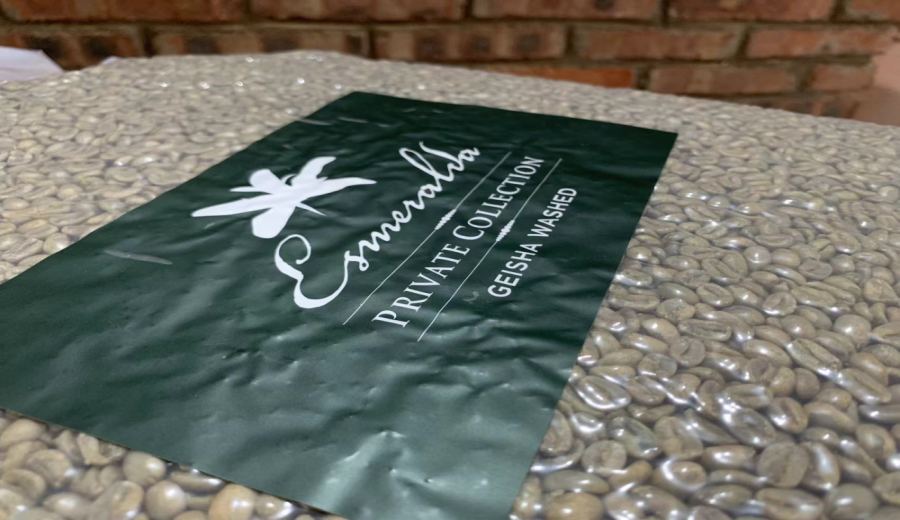
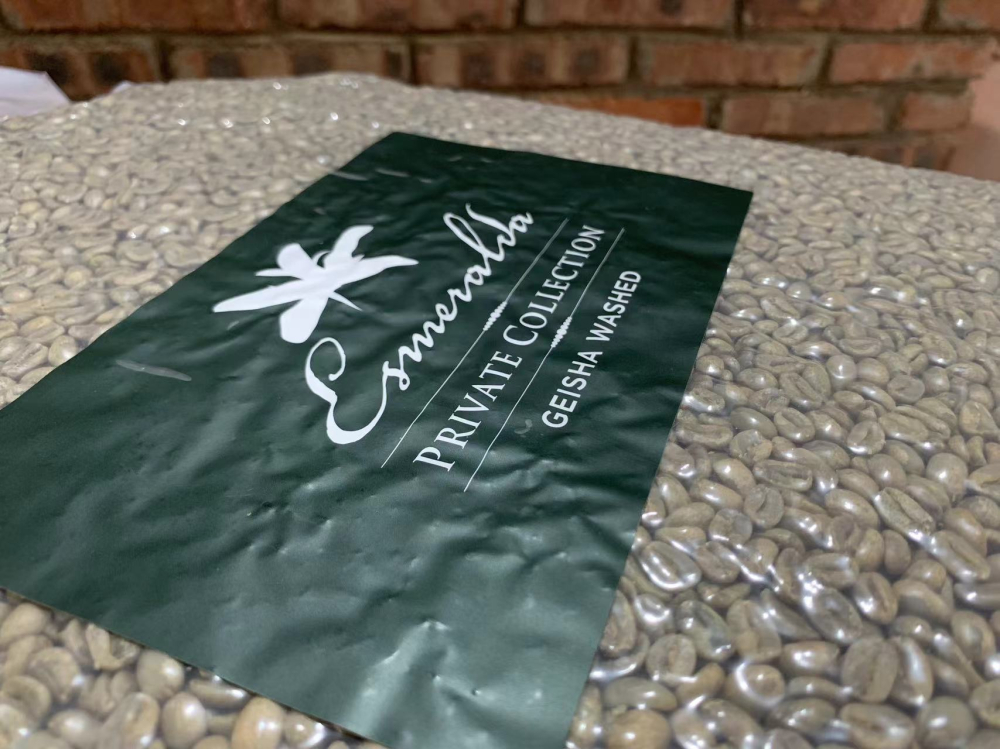
Green Label Geisha, also known as “Private Collection,” while not part of the auction, is also selected from high-altitude micro-lots with similar altitudes to the Red Label. However, it is a blend from multiple plots, which may result in slight yearly variations in flavor. Its hallmark lies in preserving the classic Geisha characteristics of floral notes, citrus, berries, and a full body, while offering both washed and natural processing options. It suits consumers who prefer stable flavors but also want to explore variety.
Blue Label Geisha, also known as “Geisha 1500,” is positioned as an entry-level choice. It uses a blend of beans grown at 1400–1500 meters across the three main estates: Jaramillo, Cañas Verdes, and El Velo. This grade typically employs only washed processing (with a natural version added starting in 2020), resulting in a cleaner and more refreshing flavor profile dominated by citrus, honey, subtle floral notes, and soft fruity acidity. With a lighter body, it is suitable for everyday drinking or for those new to exploring the world of Geisha.
In short: Auction-grade and Red Label consist of high-altitude single-origin or selected micro-lots, with auction status or equivalent quality; Green Label is a high-altitude blend with consistent yet slightly varying flavors each year; Blue Label is a medium-to-low-altitude blend, affordably priced and approachable for all.
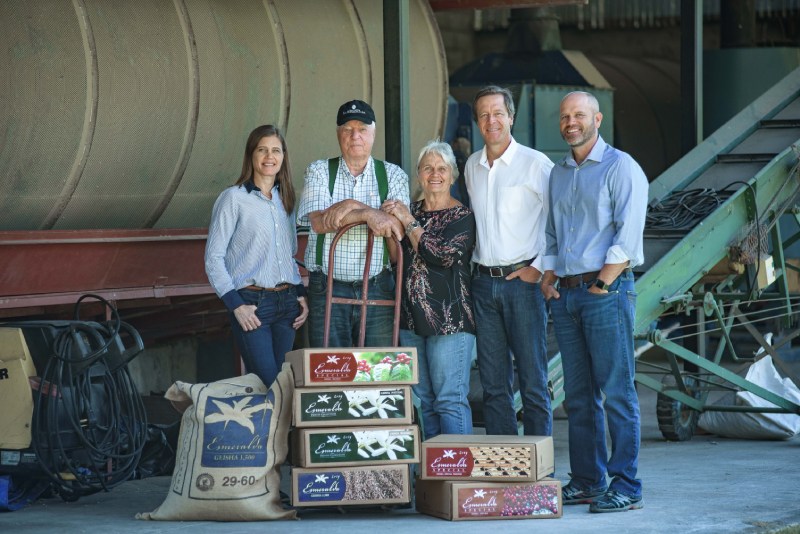
In terms of roasting strategy, the brand aims to highlight the delicate floral aromas and bright fruity acidity of Geisha. All three beans are roasted to a light profile but with slight adjustments in roasting curves based on altitude and processing method. For example, Red Label has an inlet temperature of 150°C, a first crack development time of about 1 minute and 28 seconds, and an exit temperature of 189.5°C, emphasizing a balance between floral-fruity notes and tea-like qualities. Green Label raises the inlet temperature slightly to 190°C, extends the first crack development to 1 minute and 30 seconds, and exits at 193.5°C, aiming to bring out a richer fruitiness and sweetness. Blue Label uses an inlet temperature of 180°C, a first crack development time of 1 minute and 28 seconds, and exits at 190°C, focusing on presenting a crisp acidity and honey-like sweetness.
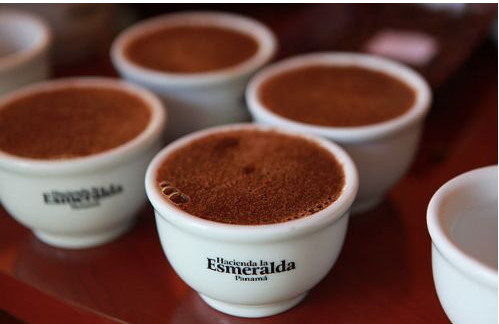
In terms of cupping flavors, Red Label shows jasmine and citrus aromas in the dry grounds, with lemon, honey, berries, and citrusy tea notes on the palate, delivering a richly layered and distinctly sweet profile. Green Label leads with jasmine and ginger lily aromas, offering lemon, sweet orange, honey, and a creamy mouthfeel, with a long-lasting finish. Blue Label centers around citrus and floral notes, featuring a gentle acidity on the palate that becomes more pronounced with hints of honey and cane sugar as it cools, resulting in a clean and refreshing overall taste.
For brewing recommendations, use a Hario V60 filter cone with water temperature controlled at 90°C, a brew ratio of 1:15, and a grind size recommended to pass 80% through a Chinese No. 20 sieve (roughly between superfine sugar and white sugar). Use a three-stage extraction method: 30 grams of water for a 30-second bloom, followed by pouring to 125 grams in a slow stream, and finally pouring up to 225 grams. Total extraction time is approximately 2 minutes. These parameters help fully express the delicate flavors of Geisha, especially suited to the characteristics of light roast beans.
In summary, the Geisha series from Panama’s Finca El Velo—from auction-grade to Blue Label—not only showcases the profound influence of altitude and microclimate on flavor but also provides options for different budgets and taste preferences. Whether you’re a coffee enthusiast chasing top-tier flavors or a beginner eager to explore the charm of Geisha, this comprehensive guide serves as your optimal reference for bean selection and brewing.
The above content is compiled by CoffeeHunters, a coffee news website.


