







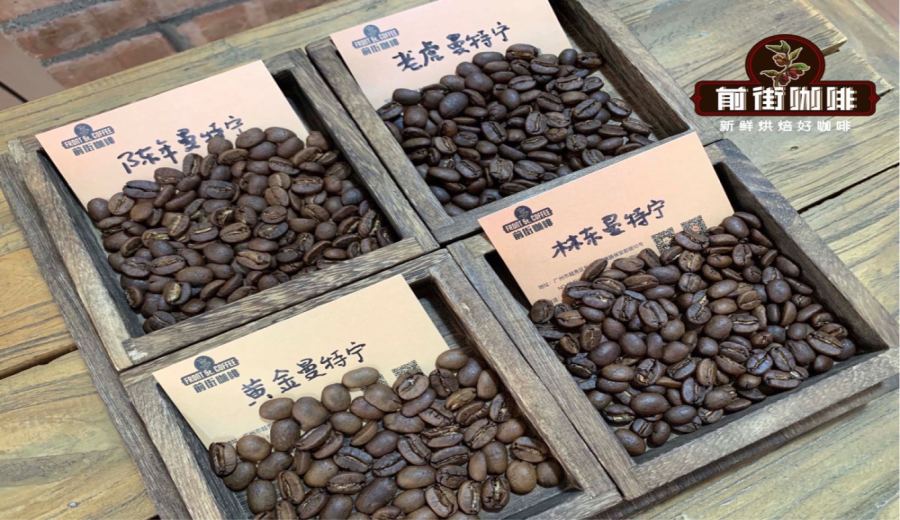
Introduction:Mandheling coffee is renowned for its rich herbal and earthy aromas, while Tiger Mandheling stands out with its unique blend of spicy and nutty notes. This article provides a detailed overview of Tiger Mandheling’s origin background, varietal composition, wet-hulled processing characteristics, roasting strategy, optimal brewing parameters, and compares it with regular Mandheling to help you gain a deeper understanding of Sumatran flavor profiles and master professional pour over recommendations.
The reason Mandheling coffee is beloved by coffee enthusiasts worldwide lies in its full-bodied flavor profile featuring distinctive herbal and earthy notes. Among them, Tiger Mandheling (also known as Mandheling Tiger) is one of the most recognizable offerings from the Sumatra region, with a flavor direction that has subtle yet clear differences compared to typical Mandheling.
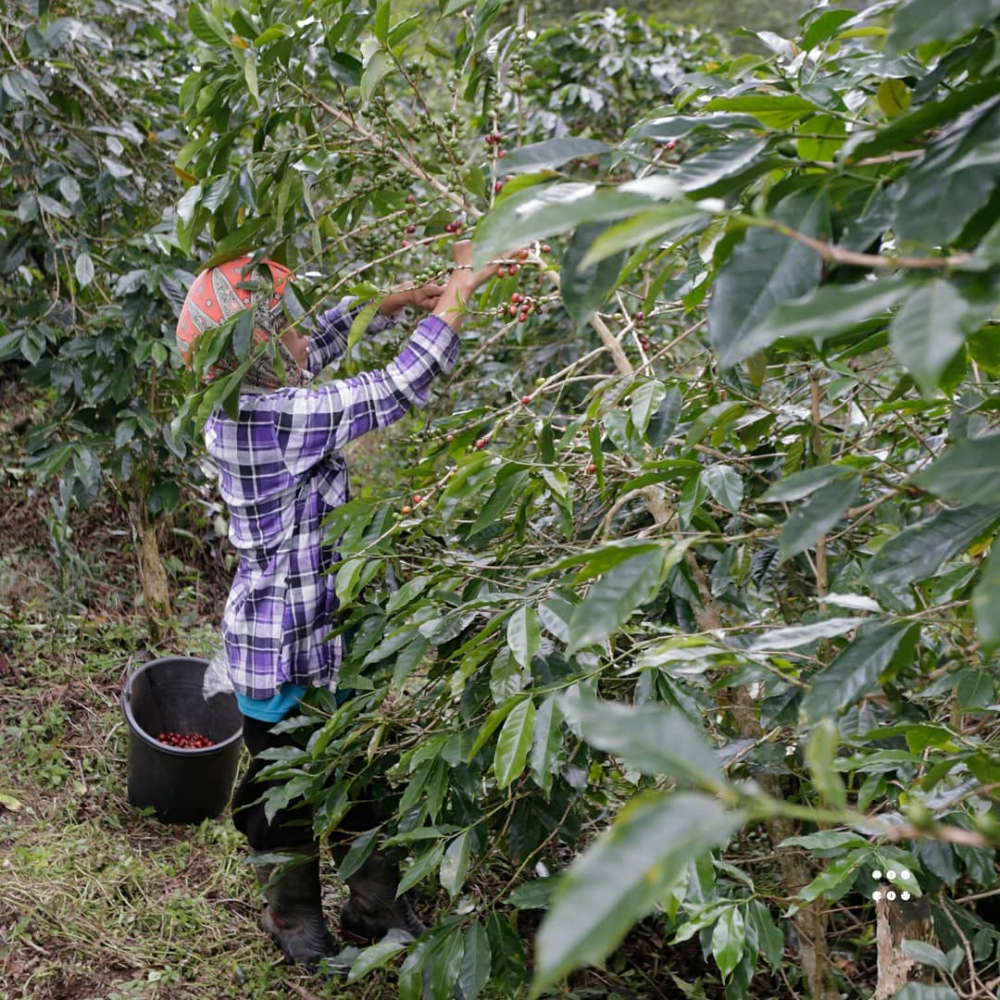
Tiger Mandheling originates from Indonesia’s Sumatra, primarily sourced from the renowned Tiger Estate. These beans are grown at high altitudes of around 1,500 meters, benefiting from a stable climate and fertile volcanic soil. Compared to other Mandhelings, Tiger Mandheling not only features a slightly different varietal mix but also employs specially designed processing methods and roasting strategies to enhance its unique aromatic and taste profile.
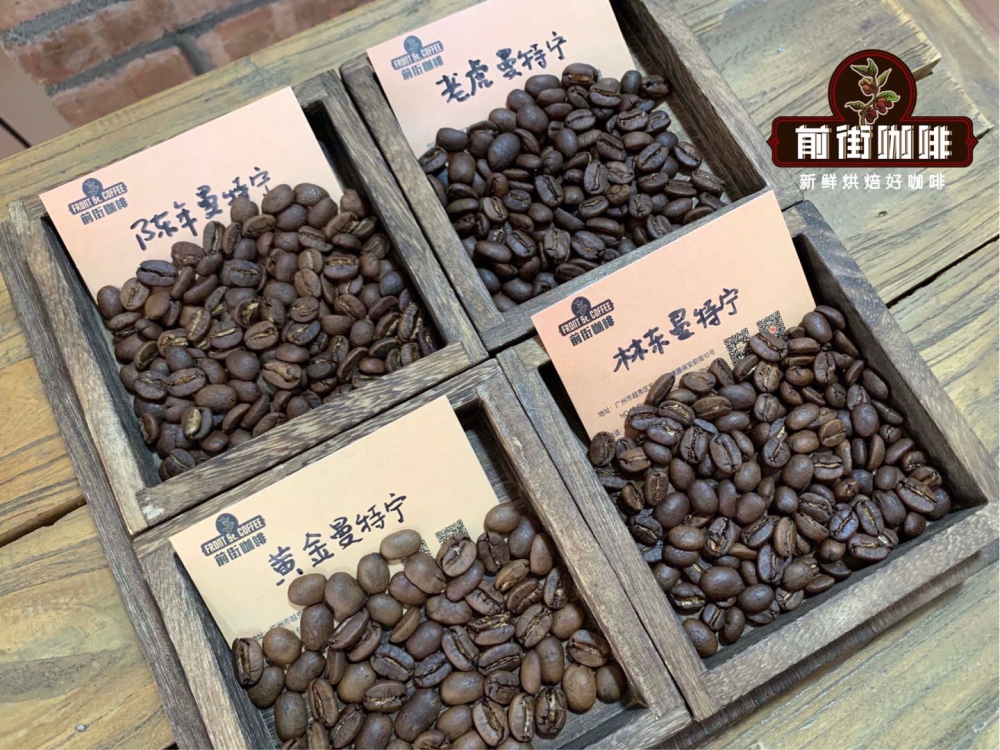
In terms of varietal composition, Tiger Mandheling is a blend of three coffee varieties: Catimor, Typica, and Sidikalong. The Catimor variety usually exhibits mild citrus acidity, though its sweetness relies heavily on proper cultivation management; Typica is one of the most traditional Arabica varieties, offering a clean flavor often with bright lemony notes, but it has low yield and is susceptible to diseases; Sidikalong is a relatively rare local variant that adds more layers of spice and woody undertones to the overall flavor. This combination allows Tiger Mandheling to present a harmonious profile of cream, dark chocolate, and nuts when roasted to medium-dark levels.
For processing, Tiger Mandheling utilizes Indonesia’s unique “wet-hulling” method (known as Giling Basah in Indonesian). This method differs significantly from the common washed process. While the typical washed process emphasizes removing the mucilage and fully drying the beans before parchment removal, wet-hulling involves removing the outer parchment layer while the beans still retain 20–24% moisture, followed by continued drying to reach the target moisture level. Although this technique enhances body and boldness, the rapid processing can cause the beans to be prone to crushing and defects—often resulting in the so-called “horse hoof” or “goat hoof” beans—which requires multiple rounds of manual sorting to reduce defect rates.
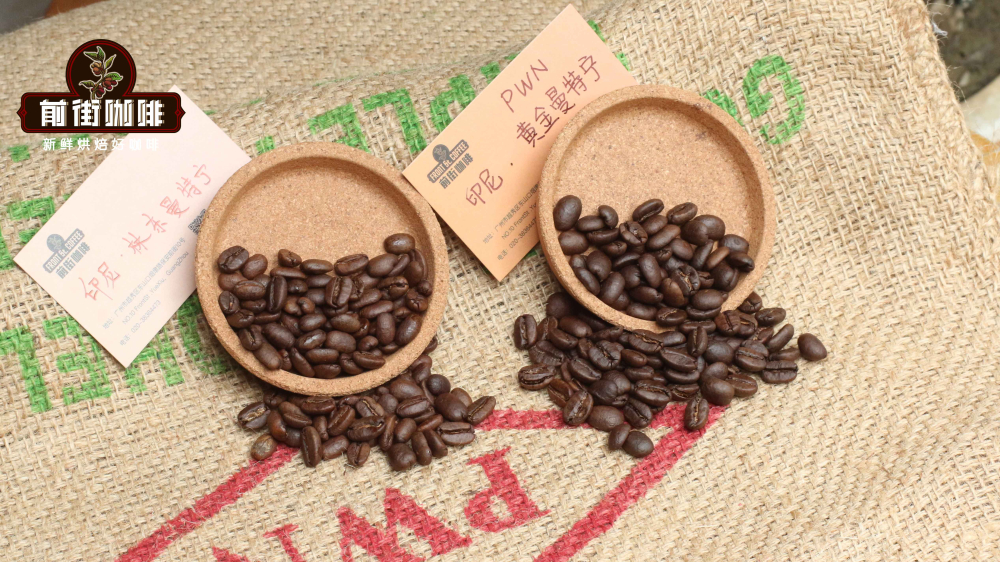
The steps of the wet-hulling process generally include: first removing the coffee fruit's skin and pulp, retaining the parchment and mucilage; then conducting water tank fermentation to remove the mucilage; after washing, drying the beans with parchment for 2–3 days under the sun to bring the moisture content down to 20–24%; subsequently hulling off the parchment; and finally drying the green beans to 12–13% moisture content in preparation for export. Due to the fast-paced nature of this process, often carried out in high-humidity environments, defect control is especially critical. Typically, beans undergo secondary or even tertiary hand-sorting to improve overall green bean quality.
Regarding roasting, the selected Tiger Mandheling green beans have a greenish-yellow appearance, round and uniform in shape, with relatively high moisture content—characteristic of mid-altitude beans typical of the Sumatra region. To highlight their bold nature and balance potential acidity, a medium-dark roasting strategy is adopted. Specifically, the roast is performed using a Yangjia 600g semi-direct-fire machine, with an inlet bean temperature set at 200°C. Initially, higher heat is applied to accelerate dehydration and avoid sour or astringent sensations; then the heat is reduced to control the thermal input during yellowing and pre-first crack, with the beans being dropped approximately four minutes after the start of the first crack and 20 seconds before the second crack, thereby extending the caramelization reaction to further enhance sweetness and cleanliness.
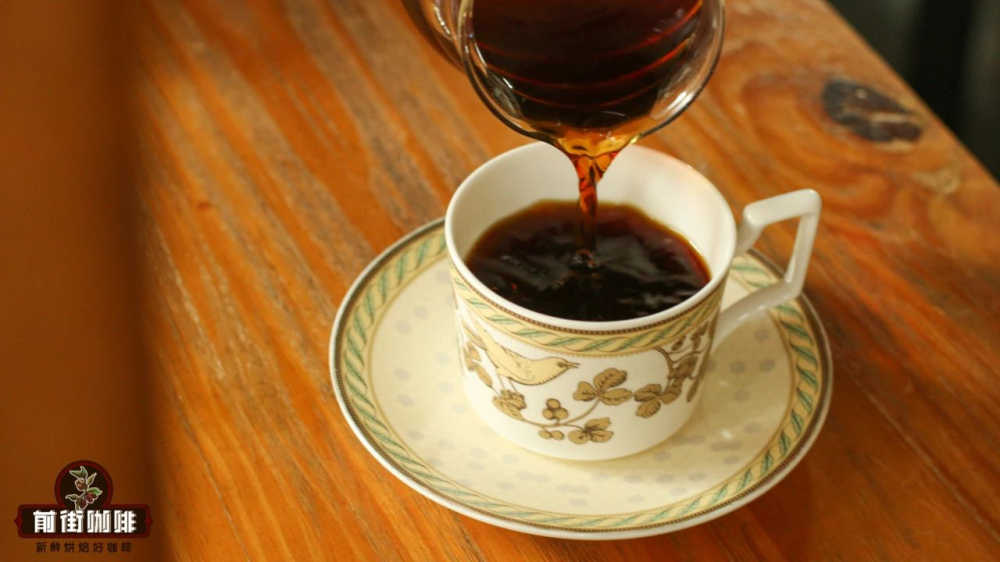
For brewing, it is recommended to use a Kono filter cone, with a water temperature of 88°C, a 1:15 coffee-to-water ratio (15 grams of coffee to 225 milliliters of water), and a grind size set to 70–75% through a standard #20 sieve, i.e., medium-fine grind. Since medium-dark roasted beans tend to extract more quickly, opting for a slightly lower water temperature and a slower-flowing filter cone helps mitigate over-extraction risks while fully showcasing the coffee’s layers of cream, nuts, and dark chocolate. A three-stage pouring method is recommended: begin with a 30-second bloom using 30 grams of water; follow with the first pour, using a slow stream to add water up to 125 grams, then pause; finally, pour the second stage up to 225 grams to complete extraction, keeping the total brew time around two minutes.
Overall, the differences between Tiger Mandheling and regular Mandheling mainly lie in varietal composition, details of the processing method, roasting curve, and final flavor expression. Regular Mandheling may emphasize a combined profile of herbal, earthy, and woody notes, whereas Tiger Mandheling, due to its special varietal blend and wet-hulling process, highlights a creamy smooth texture, lingering dark chocolate notes, and a warm nutty tone—making it ideal for coffee drinkers who enjoy bold, rich flavors with sweet aromatic characteristics.
If you typically enjoy exploring coffees from different regions and with varying processing methods, Tiger Mandheling is definitely worth a try. It not only lets you experience the bold personality of Sumatran coffee but also lets you appreciate the unique texture and aromatic depth brought by wet-hulling, making it an excellent entry point for understanding the diversity of Indonesian coffee.
The above content is compiled by CoffeeHunters, a coffee news website.


