








Introduction:Dive deep into the core brewing principles of Espresso, key extraction parameters, and the many classic coffee beverages derived from it. This article details the original meaning of the word "Espresso," strategies for choosing espresso blends, single and double shot extraction ratios and techniques, and through practical examples, helps you understand the composition and characteristics of the espresso-based coffee family—including lattes, cappuccinos, and mochas. It's a practical guide for both beginner and advanced coffee enthusiasts.
Espresso is a strong coffee beverage made through high-pressure rapid extraction, typically produced by a professional espresso machine under about 9 bar of pressure, and serves as an essential foundation for many espresso-based drinks. This concentrated coffee not only possesses a unique taste and aroma but also forms the soul of well-known beverages such as lattes, cappuccinos, and Americanos. This article will explore in depth the principles behind Espresso production, extraction parameter settings, and the various classic coffee combinations that stem from it, helping readers fully grasp the secrets of this concentrated essence.
What is Espresso?
Espresso is a coffee brewing method originating from Italy with a history of over a hundred years. The word "Espresso" is actually the past participle of the Italian verb "esprimere," meaning "to press out," and its etymology can be traced back to the Latin "exprimō," which also means "to squeeze out." Some linguists also associate it with the English word "express," conveying meanings of "fast" and "immediate"—a fitting description for the quick preparation and intense flavor profile of Espresso.
Espresso Blend Strategies
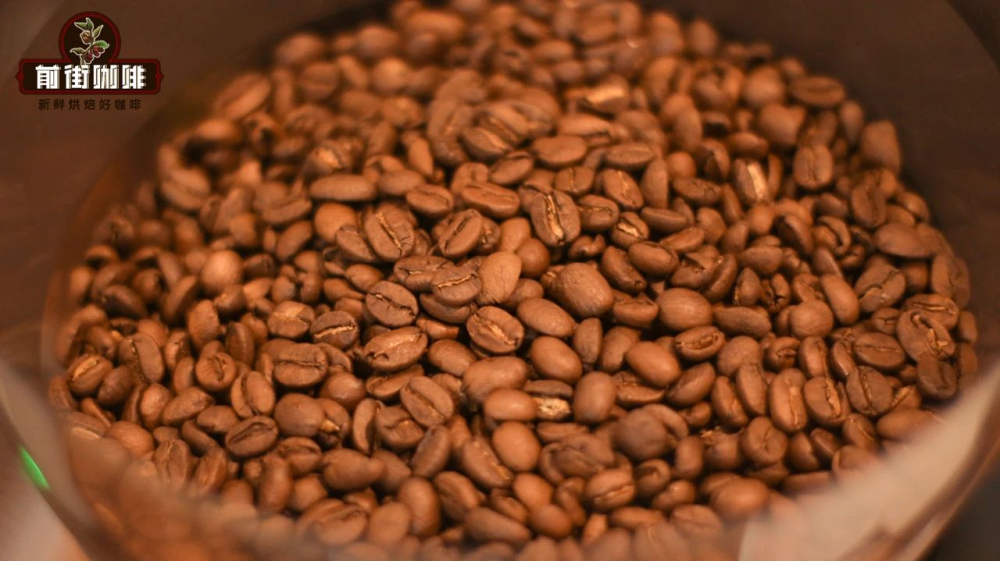
To maintain the stability and balance of Espresso flavors, most professional coffee shops choose to use blends—mixing coffee beans from different origins in specific proportions. The advantage of this approach is that coffee beans from different regions may vary in flavor each year due to differences in climate and terroir, but blending allows for complementing strengths and weaknesses, resulting in more consistent and stable Espresso flavors. Additionally, blending can effectively control costs and improve cost-performance, making it a popular choice in the market.

Standard Espresso Extraction Parameters
Espresso extraction relies on extremely finely ground coffee beans under high temperature (around 94°C) and high pressure (9–10 bar). Generally, to make a single shot (1 shot) of Espresso, 10–11 grams of coffee grounds are used to extract 20–25 grams of coffee liquid, with the entire process taking approximately 22 seconds. For a double shot, 19–20 grams of coffee grounds are used to extract 35–40 grams of coffee liquid, typically taking around 29 seconds.
During extraction, the coffee liquid exhibits a honey-like viscosity and slowly drips down, with its color gradually transitioning from dark reddish-brown to golden. When extraction is complete, a fine layer of golden crema floats on the surface of the Espresso. This crema is formed by the emulsification of carbon dioxide and oils in the coffee under vacuum conditions. It is not only an important indicator of Espresso quality but also directly influences flavor and mouthfeel.

The Espresso Family
As the essence of concentrated coffee, Espresso has given rise to numerous globally beloved coffee beverages. Below are some common espresso-based coffees:
Latte (Caffè Latte): Made with one shot of Espresso and a generous amount of steamed milk. "Latte" means "milk" in Italian, so this coffee focuses primarily on milk and is ideal for those who prefer a milder taste. Note that "Latte" by itself simply means milk—in Italy, ordering just a "Latte" might get you a glass of milk.
Americano: Made by adding hot or cold water to Espresso to adjust strength. The ratio can be adjusted to personal taste, making it the simplest and most common variation of Espresso.
Mocha: Combines Espresso, chocolate, and steamed milk. Its origins are linked to the port of Mocha in Yemen, historically known for its rich acidity and fermented notes. Modern versions of Mocha often use cocoa flavors to recreate the classic impression.
Cappuccino: Made with Espresso, steamed milk, and a generous layer of foam. The foam has distinct layers. Legend says its name was inspired by the brown robes and pointed hats of Catholic Capuchin monks, making it a classic that’s both visual and flavorful.
Flat White: Similar to a latte but with a lower proportion of milk, highlighting the intense flavor of the Espresso itself. The coffee taste is more pronounced, making it suitable for those who enjoy a stronger coffee aroma.
Dirty Coffee: Involves pouring a double shot of Espresso directly into cold milk, using the contrast between hot and cold to create a visual layered effect. No stirring is needed—enjoy the unique experience of alternating temperatures and clashing intensities.
The above content is compiled by CoffeeHunters, a coffee news website.


