







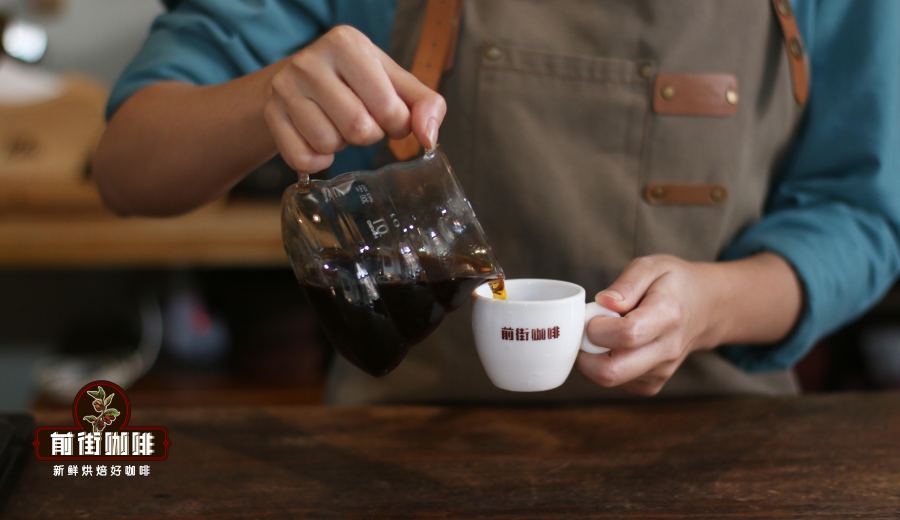
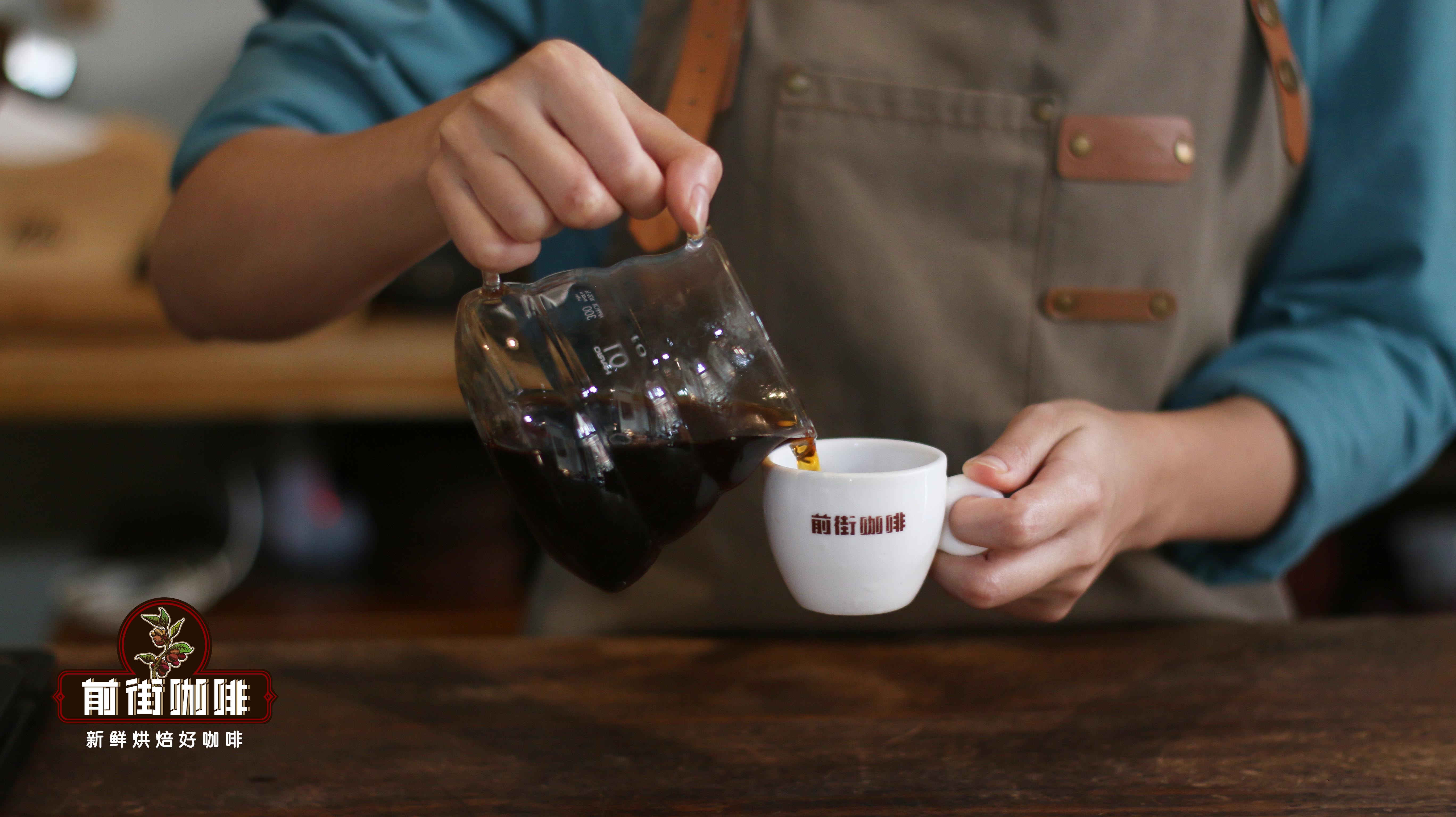
Introduction:Gold Mandheling is hailed as one of the most representative specialty coffees from Sumatra, Indonesia. Its rich, balanced flavor has earned widespread acclaim among coffee lovers around the world. This article delves into the brand origins, growing environment, grading system, and wet-hulling processing characteristics of PWN Gold Mandheling, while also offering practical pour over parameters and flavor evaluations to help readers fully appreciate the charm of this classic coffee from origin to cup.
Among the many single-origin Indonesian coffees, Sumatran Mandheling stands out with its full-bodied and bold profile. However, many assume that bold coffee must necessarily carry strong bitterness. In reality, when a coffee’s body reaches a certain level, it can often exhibit rich sweetness, such as caramel or brown sugar-like aftertastes. Among them, Gold Mandheling from Indonesia’s PWN company is a true classic—not only rigorously selected, but also enjoying high international recognition. The following will detail the coffee’s regional background, processing methods, roasting recommendations, and pour over brewing techniques.
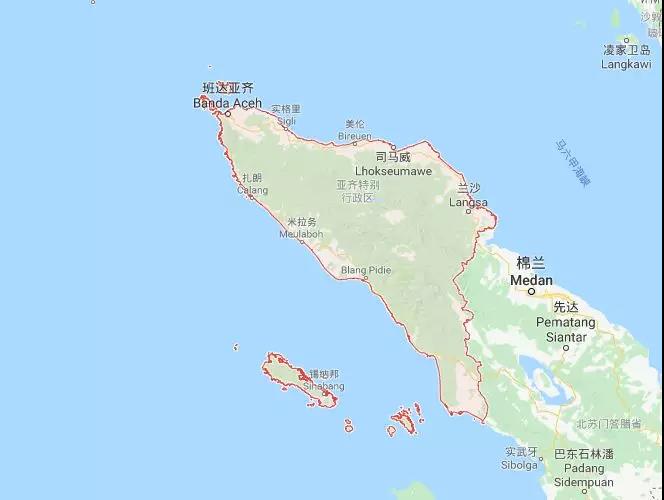
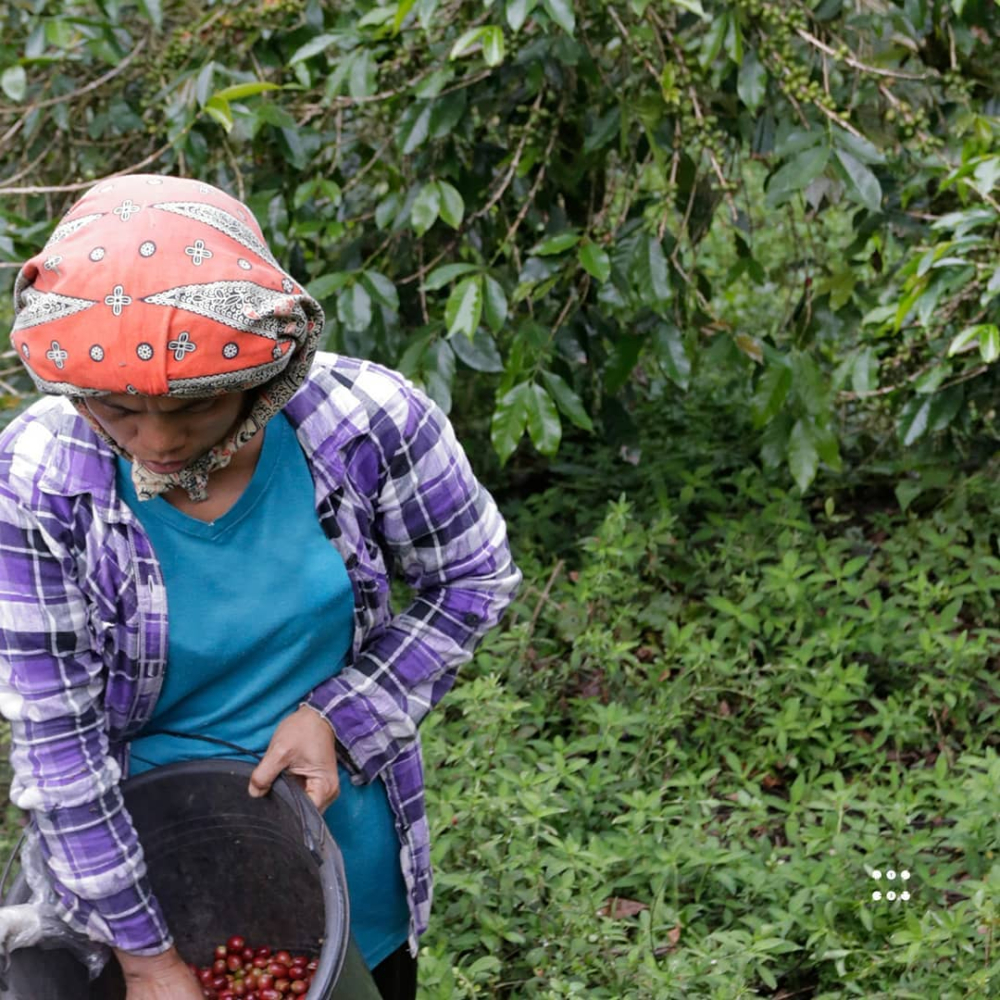
The production area of Gold Mandheling is primarily located in the Gayo region of Aceh Province in northern Sumatra, Indonesia. This mountainous area lies around the town of Takegon and Lake Tawar, at an altitude of approximately 1110 to 1600 meters. Local smallholder farmers grow coffee under shaded conditions and commonly use the wet-hulling process, which gives this coffee its distinctive deep-toned base and rich complexity. It’s worth mentioning that the Aceh region, due to historical and political factors, remains somewhat mysterious to outsiders and is considered a hidden gem by many coffee sourcing specialists.
When talking about Gold Mandheling, one must mention the well-known Indonesian coffee company, Pawani Coffee Company, or PWN for short. This company is the official registrant of the “Gold Mandheling” trademark and holds the legal right to use the name. PWN is extremely strict in selecting coffee beans, using three rounds of manual sorting plus machine screening to ensure each bean is uniform in size and intact in appearance, further enhancing the cleanliness and consistency after roasting. However, it is common in the market for some merchants to label ordinary Indonesian beans with larger particle sizes as Gold Mandheling. Consumers should pay special attention to whether there is genuine PWN certification when making a purchase.
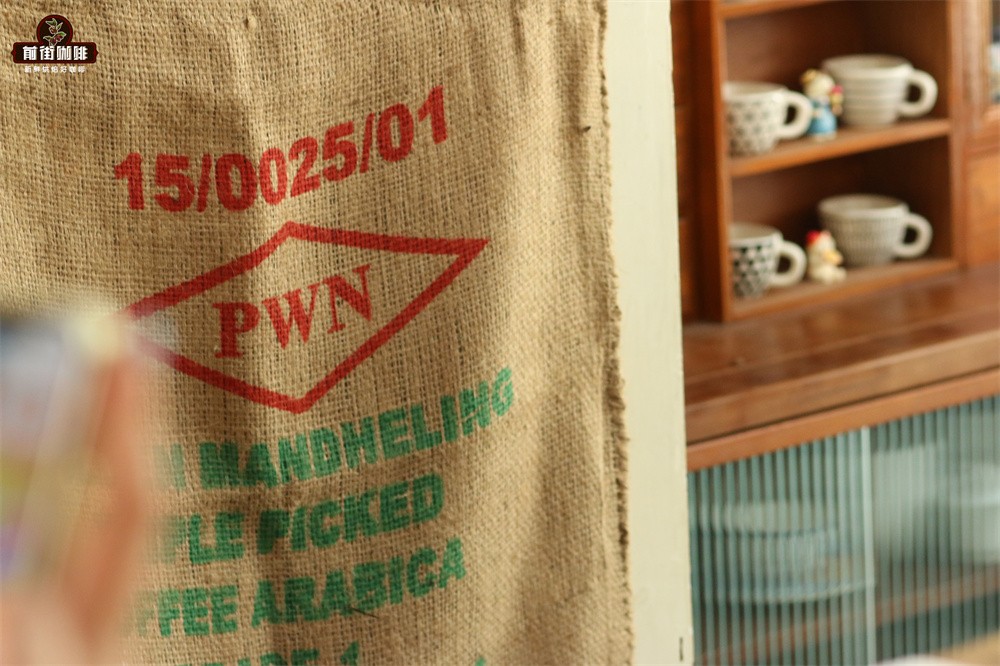
A certain well-known coffee brand imports PWN Gold Mandheling, with each burlap sack clearly printed with the PWN trademark and certification number, ensuring authentic provenance. This coffee comes in flat beans sized 18+ mesh, with a dark green color, classified as the highest grade G1, and has an extremely low defect rate—fewer than 3 defective beans per 300-gram sample. During cupping, it’s evident that it breaks away from the earthy, musty off-flavors typically associated with regular Mandheling. Its flavor is cleaner and brighter, with outstanding sweetness—key factors behind its standout market presence.
In terms of variety, Gold Mandheling mainly uses a local coffee tree species known as Ateng. Ateng is actually the local name for the Catimor variety, a natural hybrid of Arabica and Robusta. Though not a top-tier variety, it performs reliably in Indonesia’s growing conditions, and through rigorous selection, it can still exhibit excellent flavor characteristics.
Regarding processing, Gold Mandheling uses the unique Indonesian wet-hulling method. This technique originated from constraints in the local economy and climate—traditional washed processing was too costly—so a process was developed involving initial water fermentation, followed by drying the beans with their parchment layer in the sun for 2 to 3 days until the moisture content drops to 20–24%, at which point the outer parchment layer is removed. While wet-hulling speeds up the process, it can also increase the defect rate. However, the PWN-selected Gold Mandheling effectively controls this issue, ensuring high-quality output.
For roasting recommendations, it’s advised to set the charge temperature at 200°C with the air damper open to 3. After about 1 minute, reduce the heat to 160°C, keeping the air damper unchanged. When roasting reaches 5 minutes and 40 seconds and the bean temperature hits 148°C, the beans will turn yellow and the grassy aroma will dissipate. At this point, adjust the heat to 140°C and open the air damper wider to 4. Around 9 minutes and 40 seconds, as distinct wrinkles and black spots appear on the bean surface, closely monitor the start of the first crack, and at 9 minutes and 54 seconds when first crack begins, reduce the heat to 60°C and fully open the air damper. Finally, drop the beans at 204.5°C to achieve the best flavor balance.
As for pour over recommendations, the Kono filter cone is suggested. Use a water temperature of 88°C, 15 grams of coffee, and a 1:15 coffee-to-water ratio, with a medium-fine grind (70–75% passing through a Chinese standard 20-mesh sieve). The Kono cone, with its fewer and lower-positioned ribs, allows the filter paper to sit closer to the cone walls, effectively slowing down the water flow and extending extraction time—particularly well-suited for medium-dark roasts, helping to fully highlight a rich mouthfeel.
In practice, a three-stage extraction method is recommended: begin with a 30-second bloom using 30 grams of water, then pour in a slow circular motion to reach 125 grams for the first pour; after the water level drops, pour again to reach 225 grams, and finally remove the filter cone just before the coffee bed is exposed. The total extraction time should be controlled between 2 minutes and 5 seconds to 2 minutes and 15 seconds. This parameter setup effectively highlights Gold Mandheling’s spice and herbal aromas, and showcases a complex interplay of nuts, brown sugar, and chocolate, with a long-lasting finish and excellent balance.
The above content is compiled by CoffeeHunters, a coffee news website.


