







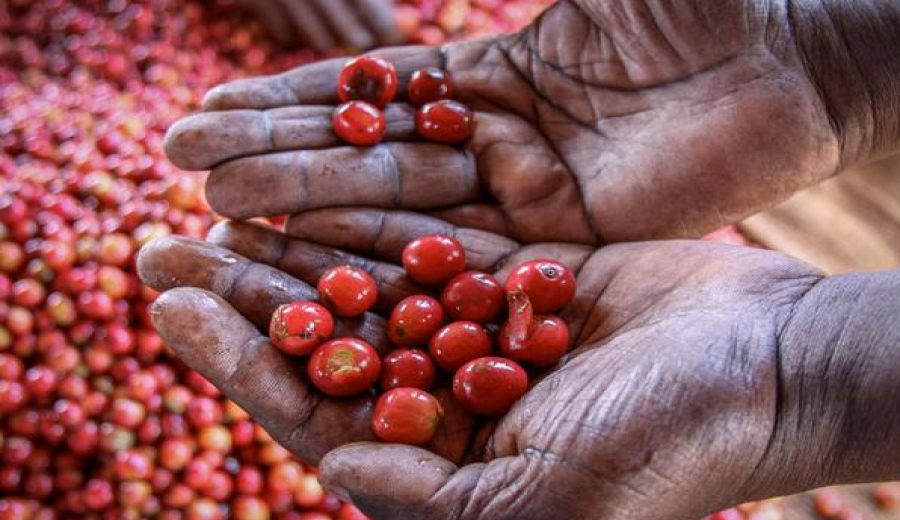
Introduction:Kenyan coffee is renowned for its bright acidity and prominent berry notes, with its distinctive flavor profile resulting from the interplay of its geographical environment, refined processing methods, and classic coffee varieties. This article provides an in-depth analysis of the characteristics of Kenya’s six major coffee-growing regions, with a focus on the growing conditions of the Thika region and the K72 washed processing method. It also explains the basis of grade classification and the characteristics of the SL28 and SL34 varieties, while offering practical pour over parameters to help you fully appreciate the charm of flavors reminiscent of small tomatoes, black plums, and honey.
Although neighboring Ethiopia, the birthplace of coffee, Kenya has carved out its own unique niche in the specialty coffee world with a distinctly different flavor profile. The most defining characteristic of Kenyan coffee is its exceptionally vibrant acidity, often accompanied by deep berry notes and even tomato-like tangy sweetness. The overall flavor is rich and well-layered, making it highly favored by coffee enthusiasts worldwide.
This unique acidity is primarily attributed to Kenya’s exceptional natural environment. Located in low-latitude regions and traversed north to south by the East African Rift Valley, Kenya’s terrain gradually rises from east to west. Most of the country experiences a tropical savanna climate, with humid and hot coastal areas but mild highland climates—particularly suitable for coffee cultivation. The majority of coffee farms are situated in the mountainous regions surrounding Mount Kenya, at elevations of 1600 to 2100 meters. These areas feature fertile volcanic soils, and the relatively cool temperatures slow down the ripening process of coffee cherries, facilitating the accumulation of aromatic compounds. As a result, the coffee boasts pronounced fruit flavors dominated by berries and black plums.
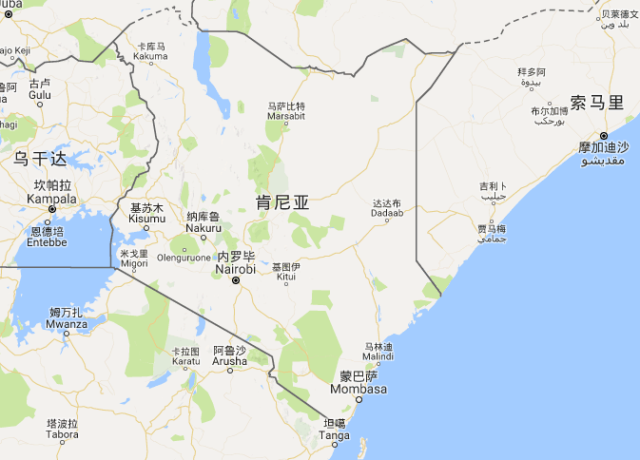
Kenya’s coffee production is concentrated in six core regions: Thika, Kirinyaga, Mt. Kenya West, Nyeri, Kiambu, and Muranga. Among these, Thika, a frequent feature on the shop's single-origin coffee menu, sits at an elevation between 1550 and 1750 meters. Although Thika itself is an industrial town, it is surrounded by farmland and waterfalls, with around 2,000 coffee farmers tending plots in the area. Cupping results show that Thika coffee exhibits bright fruit acidity, a rich berry juice texture, and a honey-like sweetness, delivering a clear and enjoyable flavor profile.
The reason Kenyan coffee can achieve such delicate and clean flavors lies largely in its sophisticated washed processing techniques. Unlike neighboring Ethiopia, where natural or sun-dried methods are common, Kenya employs a unique “72-hour fermentation washed process,” abbreviated as K72. This method involves multiple rounds of fermentation and thorough washing to enhance the purity and complexity of the coffee’s flavor.
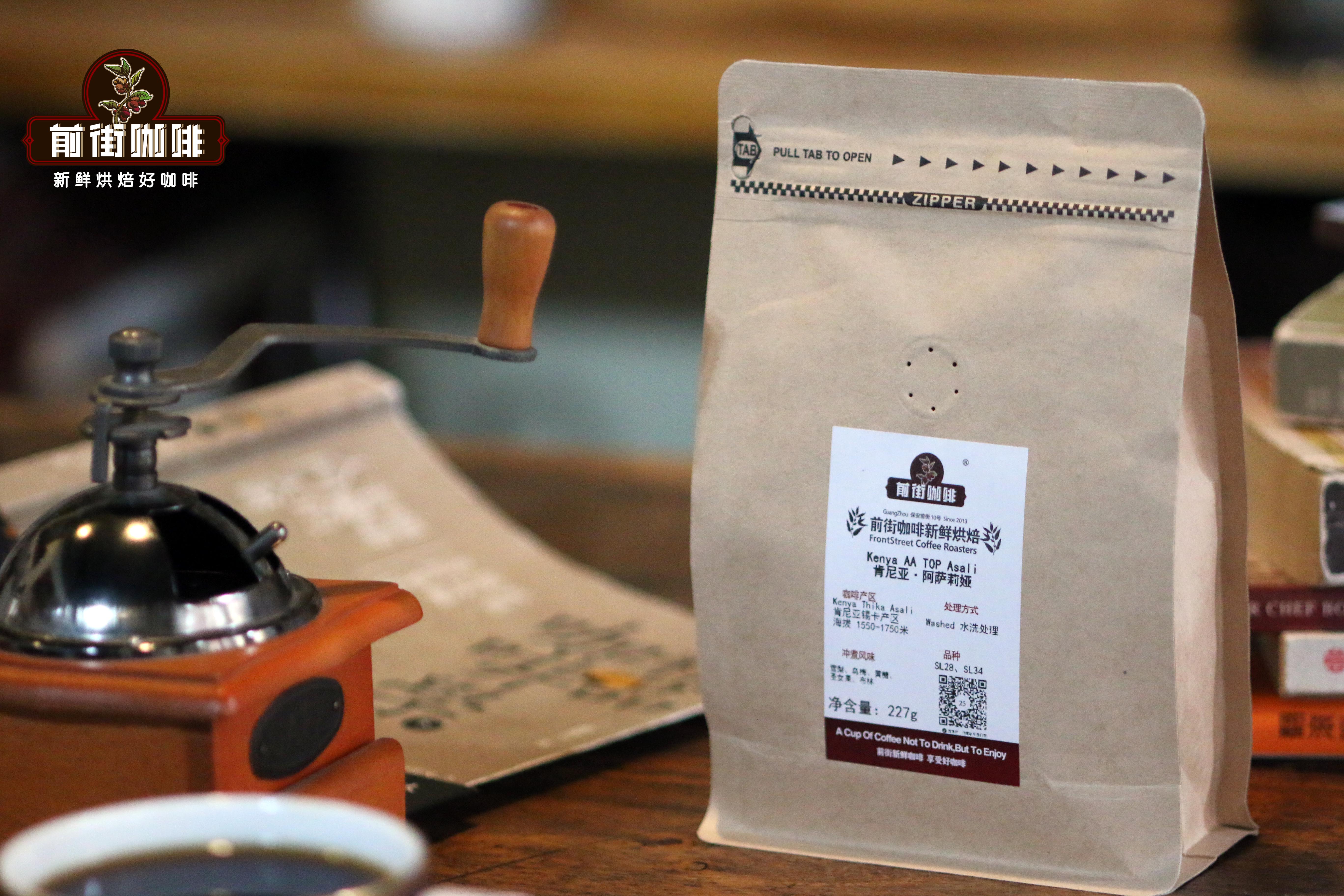
Specifically, ripe coffee cherries harvested on the same day are first depulped and pulped, then placed in fermentation tanks for an initial 24-hour fermentation. After fermentation, the beans are thoroughly rinsed with large amounts of clean river water to remove any residual pulp and impurities. The beans then undergo a second 24-hour fermentation, followed by another rinse. This process is repeated so that the total fermentation time accumulates to72 hours. This long-duration, low-temperature fermentation helps extract brighter, fuller, and cleaner flavor characteristics, and is a key reason behind the pronounced acidity found in many fine Kenyan coffees. The Kenya AA coffee beans produced locally are precisely refined using this K72 washed processing method.
In addition to processing, the grading system of Kenyan coffee is also highly distinctive. The country primarily grades coffee beans by size, with the general consensus being that larger beans usually indicate better growing conditions, higher density, and more favorable roasting responses—thus ensuring more consistent flavors. Among the various grades,Grade AA is the highest, followed by Grade AB. Although individual regions such as Nyeri, Kirinyaga, and Kiambu each maintain their own unique flavor profiles, Kenyan coffee as a whole is widely recognized for its bright acidity and distinctive notes of small tomatoes and berries.
When it comes to Kenyan coffee varieties, the most iconic are undoubtedly SL28 and SL34. These two varieties were carefully cultivated by the Scott Laboratories (abbreviated as SL). Researchers selected them from 42 candidate varieties based on yield, quality, drought resistance, and disease resistance, ultimately establishing the classic SL-28 and SL-34 cultivars. These coffee trees have broad leaves with copper-colored tips, and produce short, round, and dense beans. In terms of flavor, they are known for their pronounced bright acidity and sweet taste, forming the flavor foundation of Kenyan coffee. The Kenya AA coffee offered locally uses only the SL28 and SL34 varieties to ensure pure and consistent flavor.
Additionally, Kenya is also committed to developing leaf rust-resistant varieties, such as Ruiru11, which is considered a Kenyan hybrid akin to Catimor. However, cupping experience shows that coffee beans containing Ruiru11 often exhibit weaker acidity and sweetness, and may carry some off-flavors—further highlighting the critical impact of variety on final flavor.
To brew Kenyan coffee at home and capture its notes of small tomatoes, dark berries, and honey sweetness, it is recommended to use a light roast to preserve the vibrancy of the acidity. For pour over brewing, it is suggested to usewater at 92°C to 93°C, paired withmedium-fine grind (similar to granulated sugar, 78% passing through a #20 sieve), with about 15 grams of coffee and a brew ratio set at 1:15. A grind that is too coarse may lead to under-extraction and a thin flavor, while one that is too fine may cause over-extraction and unwanted bitterness under high water temperature.
It is recommended to use a V60 filter cone and employ a three-pour technique: the first pour adds twice the coffee’s weight in water (about 30 grams) for the bloom, lasting around 30 seconds; the second pour uses a slow, circular motion from the center outward to accumulate 125 grams, then pause for a break; once the coffee bed drops halfway down the cone, continue with the third pour using the same fine stream to reach 225 grams, with total brew time controlled around 2 minutes. Once the coffee has completely dripped through, gently swirl the server to even out the flavors, then start tasting from high temperature to appreciate its layered complexity.
With the above technique, pour over Kenyan coffee can present vivid fruit tones reminiscent of small tomatoes and dark berries such as black plums, with a sweet taste as smooth as honey, along with a rich and rounded black plum juice texture. The overall flavor is layered, full-bodied, and bright on the finish, making it an excellent entry point for exploring the terroir of Kenya.
The above content is compiled by CoffeeHunters, a coffee news website.


