







Category: Coffee Knowledge
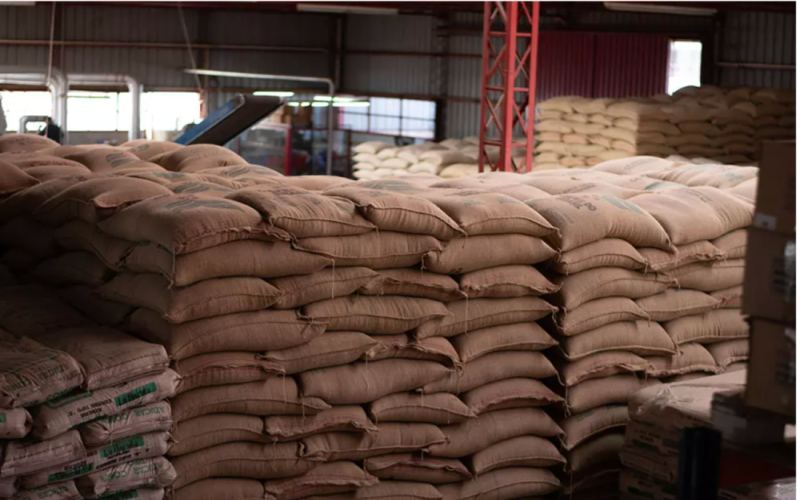
Front Street Coffee's Guide to Pour Over Brewing with Yellow Bourbon from Rainha Estate: A Comprehensive Analysis of Medium Roast Nutty Profiles
Dive deep into the unique flavor profile of Yellow Bourbon, a flagship coffee variety from Brazil. Explore everything from its honey processing method to the terroir of the Mogiana region, and understand the advantages of cultivation at altitudes between 1400–1950 meters. This guide provides professional pour over parameters and a three-stage pouring scheme to help coffee enthusiasts accurately highlight the sugarcane sweetness and dark chocolate finish, mastering the golden balance point of medium-roasted Brazilian beans. [more…]
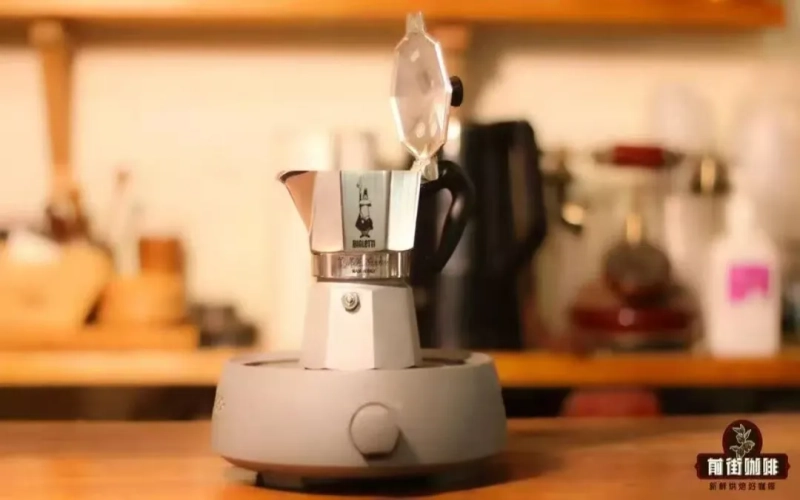
Is your Moka pot latte not strong enough? A complete guide to adjusting water-to-coffee ratio and extraction techniques
Want to brew a rich Moka pot latte that rivals café-quality, but always end up with a watery taste and weak flavor? The key lies in correctly adjusting extraction parameters and milk proportions. This article dives deep into how to enhance the strength of your Moka pot coffee by optimizing water volume, grind size, and extraction time, along with practical milk ratio tips—helping you easily make a smooth and flavorful Moka pot latte at home. [more…]
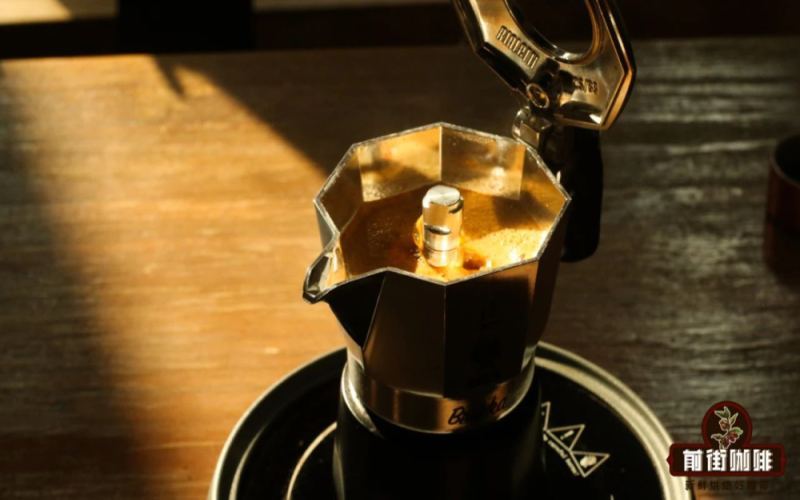
Moka Pot Brewing Guide: Bean Varieties, Extraction Techniques & Pros & Cons Explained
The moka pot is an essential brewing tool in many coffee lovers’ homes. It’s simple to use yet capable of producing richly flavored coffee. This guide delves into the working principle of the moka pot, suitable types and roast levels of coffee beans, while detailing the operational steps and key parameters. It also compares the moka pot with other brewing methods. Additionally, we’ve selected five practical everyday beans to help you get started easily and brew coffee with captivating crema. [more…]
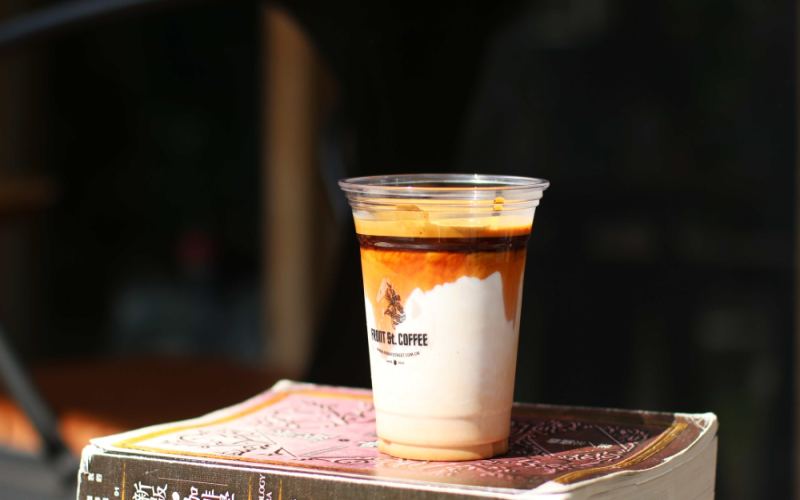
A Complete Breakdown of the Differences Between Latte and Mocha: Coffee-to-Milk Ratio, Flavor Profiles, and Brewing Essentials
Latte and mocha are both popular espresso-based drinks, but many people still can't tell the difference between them. This article dives deep into the flavor profiles, milk-to-coffee ratios, and brewing techniques of lattes and mocca, while also comparing them with the often-confused cappuccino. We clarify everything from taste and appearance to origin, helping you choose your favorite coffee type with greater precision. [more…]
Recommended Home Coffee Beans | A Buying Guide for Affordable Pour Over & Espresso Beans
When selecting coffee beans, beginners are often misled by high-priced "champion beans" and overlook high-quality, everyday drinking beans. This article features ten cost-effective coffee beans that offer great value, covering both espresso blends and single-origin pour over options. From rich, full-bodied flavors with generous crema to bright, fruity profiles, you'll find stable-tasting and budget-friendly choices whether you're making lattes or pour overs—helping you easily develop your personal coffee preferences. [more…]
What’s the difference between long and short espresso extractions? A beginner’s guide to extraction parameters and flavor profiles
Want to understand the real differences between long espresso (Lungo) and short espresso (Ristretto)? This article provides an in-depth analysis of the definitions, key techniques, flow rate control, and flavor characteristics of both brewing methods, while also exploring common issues of under-extraction and over-extraction. Whether you're a beginner just starting out or an enthusiast looking to refine your skills, you'll gain practical knowledge on extraction parameters and how to discern different flavors. [more…]
The Ultimate Guide to All 47 Japan Starbucks Prefectural-Limited Frappuccinos | Regional Flavors & Creation Inspiration
To celebrate its 25th anniversary in Japan, Starbucks has launched an unprecedented 47 prefectural-limited Frappuccinos—each inspired by local ingredients and culture, crafted by in-store employees from each respective region. From Hokkaido’s corn cream to Nagasaki’s castella cake coffee cream, these Frappuccinos not only showcase unique regional flavors but also embody distinctive creative concepts. This article breaks down the creative origins, signature tastes, ingredient compositions, and limited-time availability of all 47 drinks, giving you an in-depth look at this coffee [more…]
Beginner's Guide to Pour Over with Specialty Single-Origin Coffee Beans: Regional Flavor Analysis and Recommendations
Wondering how to choose single-origin coffee beans for pour over? This article delves into the flavor profiles of the world’s three major coffee regions — Africa, the Americas, and Asia — and provides a detailed analysis of the characteristics of popular origins such as Ethiopia, Colombia, Indonesia, and Brazil. From sweetness, acidity, and bitterness balance, differences in processing methods, to optimal brewing parameters, it will guide you step-by-step in selecting the pour over coffee beans that suit you best, allowing you to savor the unique charm of each region. [more…]
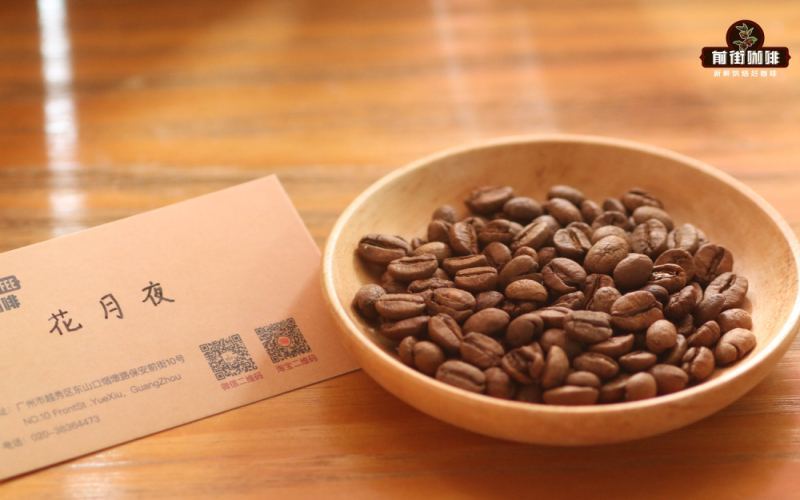
Analysis of Colombian Hua Yue Ye’s Flavors: How Is Its Anaerobic Sun-Dried Strawberry Character Formed? Pour Over Parameters and Roasting Recommendations
A well-known coffee brand’s Colombian Hua Yue Ye is famed for its unique strawberry jam aroma, often mistakenly thought to be flavored with additives. This article delves into its regional background, anaerobic sun-dried processing method, varietal characteristics, and provides a detailed breakdown of actual roasting curves and pour over brewing schemes. It explores the sources of this bean’s sweet and fruity notes, explains why it is especially popular among female consumers, and offers practical brewing references. [more…]

Why does single-origin coffee have acidity? A comprehensive analysis from origin, roasting to pour over parameters
Many coffee beginners are puzzled by the acidity in black coffee. In fact, acidity is an essential component of coffee flavor, influenced by multiple factors including origin, roast level, and brewing method. This article delves into the reasons why American-style black coffee can taste acidic, teaching you how to distinguish pleasant fruity acidity from harsh sourness. It also provides practical tips on green bean selection, roast degree, and pour over parameters, helping you better appreciate the layers and character of coffee. [more…]
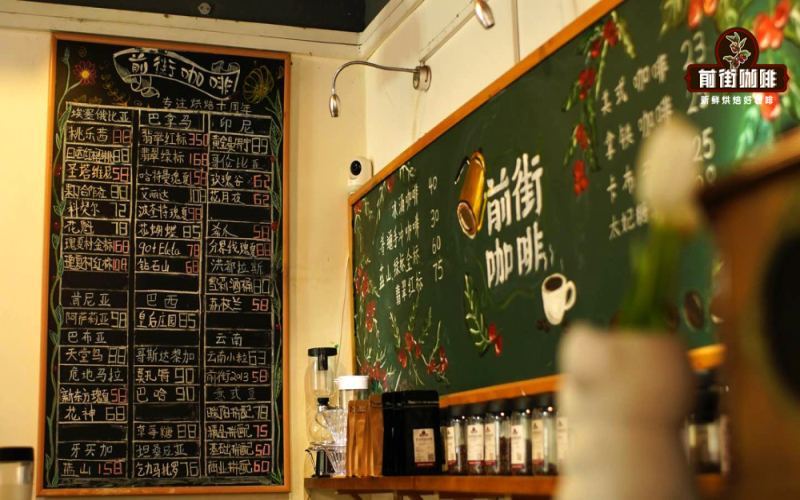
How to Understand Coffee Bean Grades? Master Global Origin Standards Like G1, AA, and SHB
From Ethiopia’s G1 to Kenya’s AA, and Brazil’s NY.2, coffee bean grade labels vary wildly by region, leaving consumers puzzled. These letters and numbers aren’t just classification codes—they directly relate to the flavor potential and quality of the coffee. This article dives deep into the grading logic of major global coffee origins, helping you choose beans more precisely based on grade labels that match your brewing method and taste preferences. [more…]
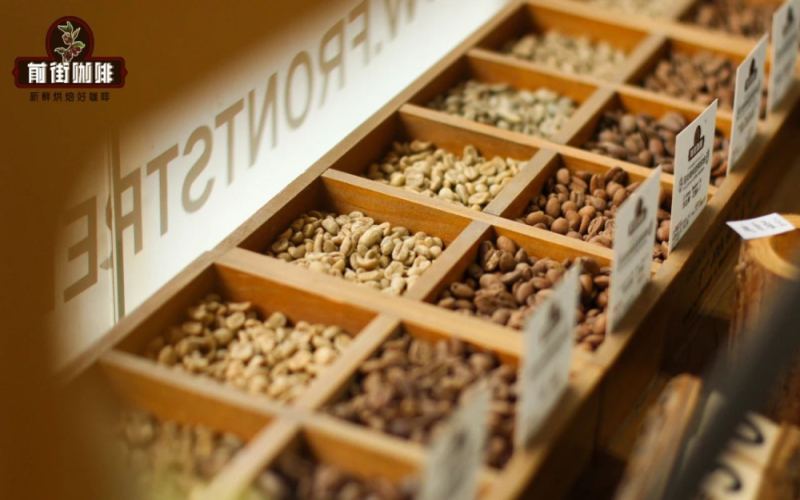
A Comprehensive Guide to Global Coffee Growing Regions' Green Bean Grading Standards: The Art of Selecting Beans from Ethiopia to Brazil
Have you ever seen labels like Yirgacheffe G2 or Kenya AA on coffee packaging but weren’t sure about the grading logic behind them? Different producing countries establish unique grading standards based on factors such as defect rates, bean size, and altitude, making direct comparisons between regions difficult. This article delves into the green bean grading systems of major producing regions like Ethiopia, Kenya, and Colombia, helping you understand how to assess coffee quality through grading and choose beans that suit your preferences. [more…]

Starbucks Non-Bitter Drink Recommendations | Pour Over Coffee Bean Selection & Low-Bitter Extraction Techniques
Afraid coffee is too bitter but want to explore more flavors? This article breaks down which drinks on the Starbucks menu are less bitter, and deeply analyzes the key factors that affect coffee bitterness, including roast level, processing method, and brewing technique. It also features three specialty coffee beans—Kenya Little Tomato, PWN Golden Mandheling, and Green Label Geisha—providing detailed pour over parameters and flavor descriptions, so you can avoid overly bitter pitfalls whether drinking in-store or brewing at home, and enjoy a bright and refreshing coffee experience. [more…]
How to Choose Between Semi-Washed and Honey Processed Coffee Beans? A Complete Guide to Flavor Differences, Processing Methods, and Pour Over Techniques
Both semi-washed and honey processed coffee beans are processing methods that involve drying the beans in the sun immediately after removing the fruit skin. However, the key difference—whether or not the mucilage is retained—leads to distinctly different flavor profiles. This article delves into the operational procedures, grading logic, and typical flavor characteristics of both methods, and offers practical pour over parameter recommendations to help you choose the right processing method based on your taste preferences, while also mastering more precise extraction techniques. [more…]
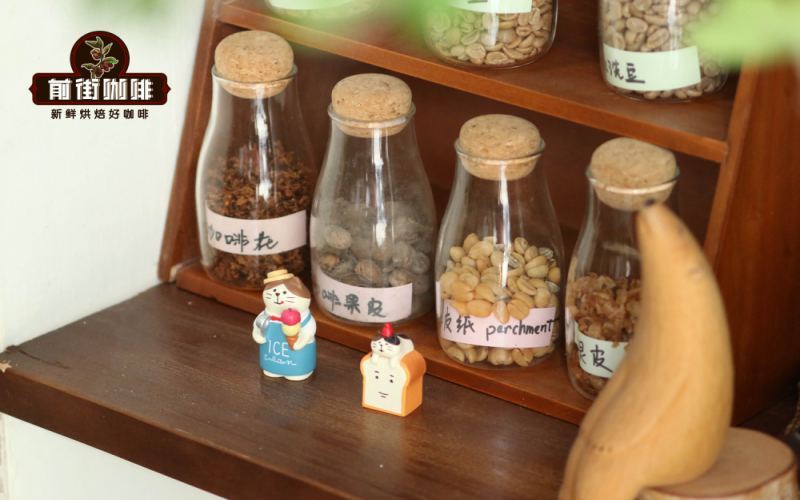
How to distinguish between natural and honey-processed coffee beans? A complete guide to flavor differences and brewing techniques
Natural and honey processing are two highly representative post-harvest methods in specialty coffee. Both can impart rich sweetness and fermentation layers to coffee beans, yet their flavor profiles are distinctly different. This article provides an in-depth analysis of the differences between the two processing methods—from the structure of coffee cherries, processing procedures, advanced techniques, to actual bean cuppings and pour-over recommendations—to help coffee enthusiasts master the skill of identifying flavor characteristics based on processing methods. [more…]
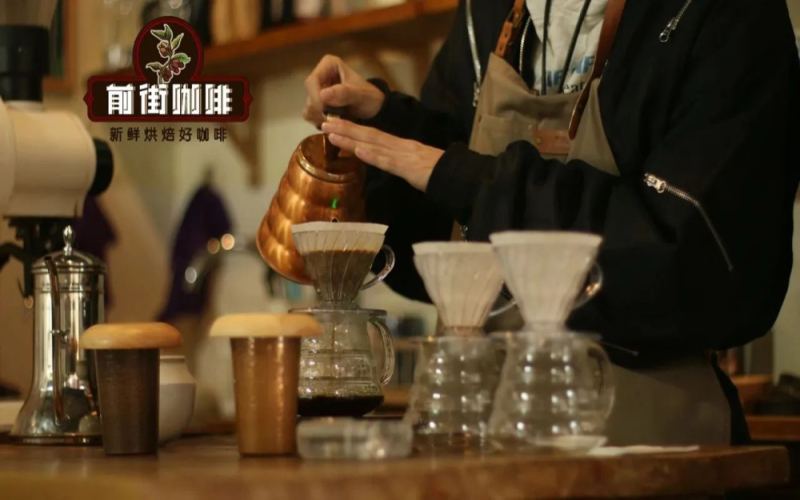
How to choose the coffee-to-water ratio for pour over? What is the best amount of water to use with 15 grams of coffee?
The flavor of your pour over coffee largely depends on how you set the coffee-to-water ratio. This article delves into the common range of 1:12 to 1:15, using 15 grams of coffee as an example to explain why 1:15 has become the preferred ratio for many cafés and coffee enthusiasts. It also compares the extraction ratios between espresso and pour over, and provides complete parameters for a real-world pour over case along with a three-stage brewing technique to help you better master the extraction logic of pour over coffee. [more…]
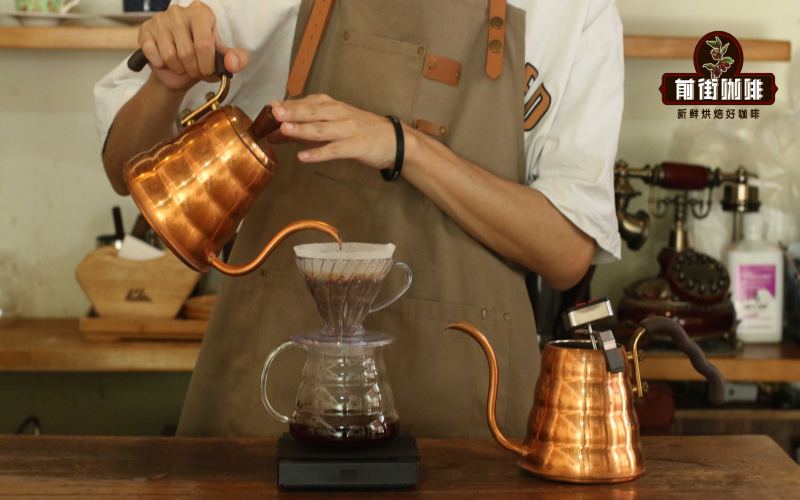
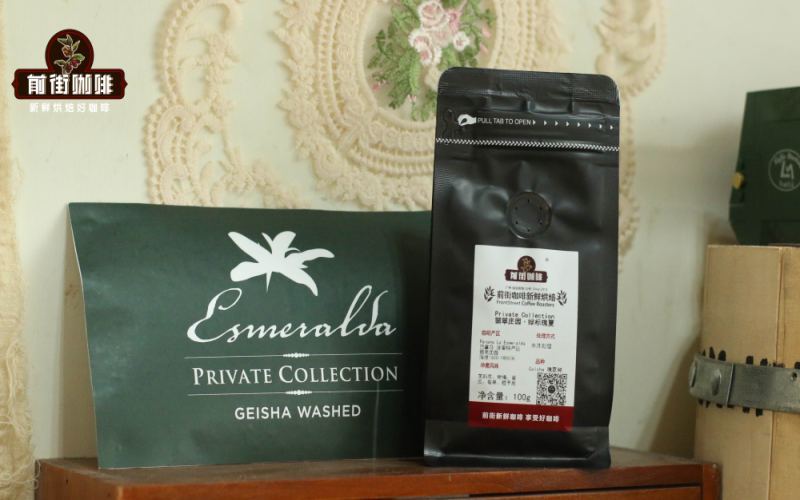
How to choose the pour over coffee powder-to-water ratio? A practical test of Geisha flavor differences from 1:15 to 1:18
The powder-to-water ratio is a key yet often overlooked variable in pour over coffee flavor. This article uses Panama Hacienda La Esmeralda Gesha as an example. Under the same grind size, water temperature, and brewing technique, we tested the extraction data and flavor differences across four powder-to-water ratios from 1:15 to 1:18, analyzing how water volume changes affect concentration, complexity, and aftertaste. This helps you precisely adjust parameters to unlock the rich aromas of Geisha. [more…]
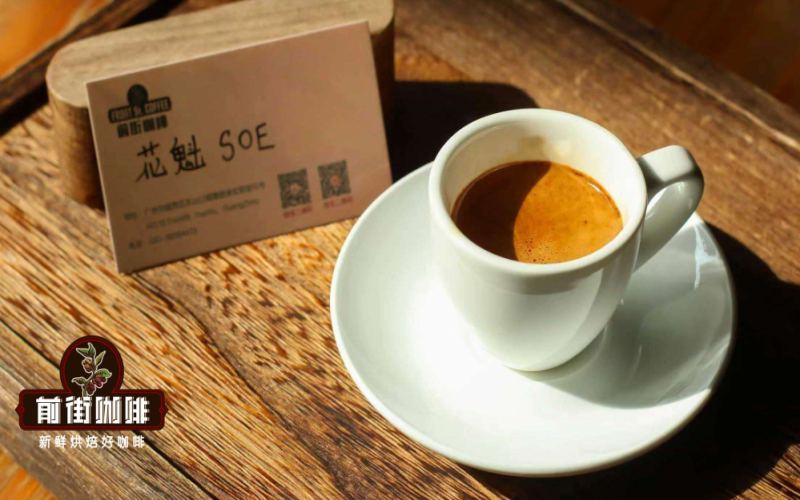
SOE Coffee Beans vs. Pour Over Beans: Price & Flavor Comparison, Extraction Differences & Beginner Recommendations
SOE (Single Origin Espresso) has become a focal point in the specialty coffee market in recent years. However, compared to pour over coffee made from the same beans, it shows distinct differences in extraction methods, pricing positioning, and flavor profiles. This article provides an in-depth analysis using real examples to compare the performance of SOE and pour over using the same bean, explores how extraction parameters influence flavor, and examines key factors in selecting coffee beans suitable for SOE. This helps you make smarter choices based on your taste preferences. [more…]
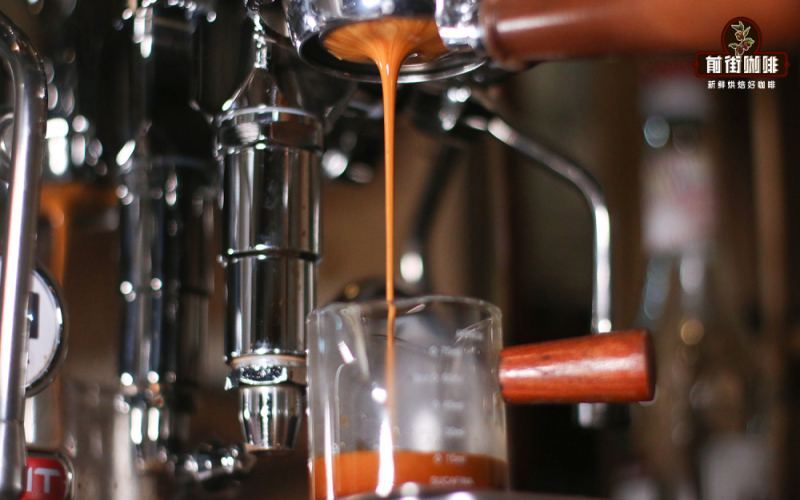
SOE Single-Origin Espresso Guide: From Bean Variety Selection to Extraction Flavor
Single-origin espresso (SOE) has garnered significant attention in recent years, but how does it differ from common espresso blends? This article delves into the definition, flavor characteristics, and roasting essentials of SOE, analyzing its differences from blends in terms of stability and complexity. It also recommends several coffee bean varieties suitable for SOE, including natural-process red cherry and Sidamo. Practical suggestions on roast curve design and extraction parameter adjustments are provided to help you, whether at home or in a café, [more…]

Is it normal for SOE Americano to taste sour? A brief discussion on the causes of espresso acidity and the impact of roasting
Many coffee beginners, upon first tasting an SOE Americano with a sour note, often worry whether the beans are stale or improperly stored. In fact, coffee beans naturally contain a variety of organic acids, and different roast levels can significantly affect how acidity is perceived. This article delves into why Americano coffee may taste sour, the difference in acidity between hot and iced drinks, why light-roasted beans are not suitable for espresso, and offers suggestions for selecting bean varieties that are well-suited for espresso extraction—helping you better understand and control coffee flavors. [more…]