







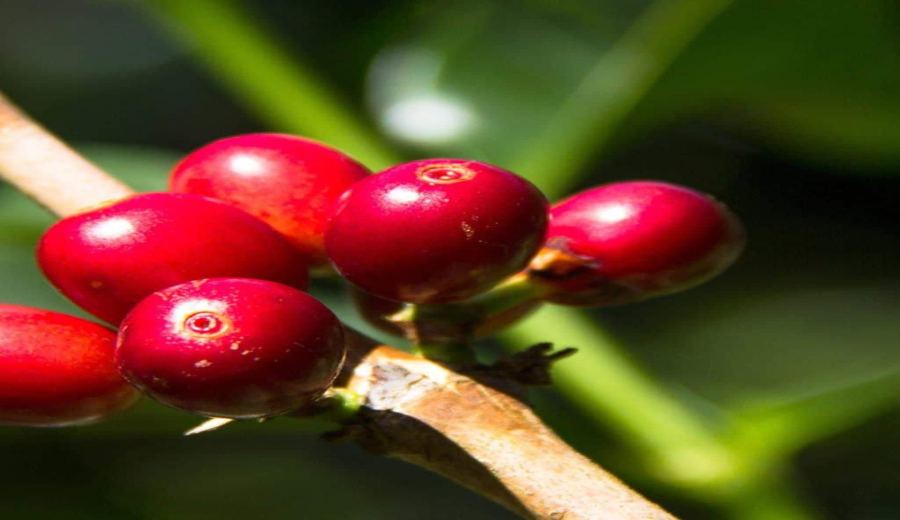
Introduction:Kenyan coffee is renowned for its high acidity, brightness, and juicy body, with its classic SL28 and SL34 varieties being standout stars in the specialty coffee world. This article delves into the distribution of Kenya’s six major coffee-growing regions, the breeding history and flavor profiles of these two legendary varieties, as well as the unique K72 triple-wash processing method. It also provides expert pour-over brewing recommendations and actual flavor notes to help you fully grasp the essence of Kenyan coffee from origin to cup.
As a representative specialty coffee-producing country in Africa, Kenya is famed for its coffee’s vivid acidity and rich, juice-like mouthfeel—often likened to the refreshing experience of biting into a cherry tomato. This article will detail the geographical environments and harvest seasons of Kenya’s six main coffee-growing regions, explore the breeding background and genetic origins of the two classic varieties SL28 and SL34, and analyze the characteristics of subsequent cultivars Ruiru11 and Batian. Additionally, it covers Kenya’s rigorous grading system, the unique K72 triple-fermentation washed process, and practical pour-over extraction suggestions along with flavor descriptions, helping coffee enthusiasts comprehensively understand the charm of Kenyan coffee from origin to cup.
Kenya and Ethiopia are both key coffee-producing regions in Africa, but Kenyan coffee tends to have sharper acidity and often features the vibrant, juice-like character reminiscent of cherry tomatoes. Many coffee enthusiasts describe Kenyan coffee as tasting like biting into a fresh, small tomato—with distinct sweet and sour notes full of vitality. If a Kenyan coffee lacks this characteristic tomato-like trait, it is often not considered typical. However, it’s worth noting that due to yearly variations in climate and growing conditions, the actual flavor profile may fluctuate slightly, though the overall style usually remains consistent.
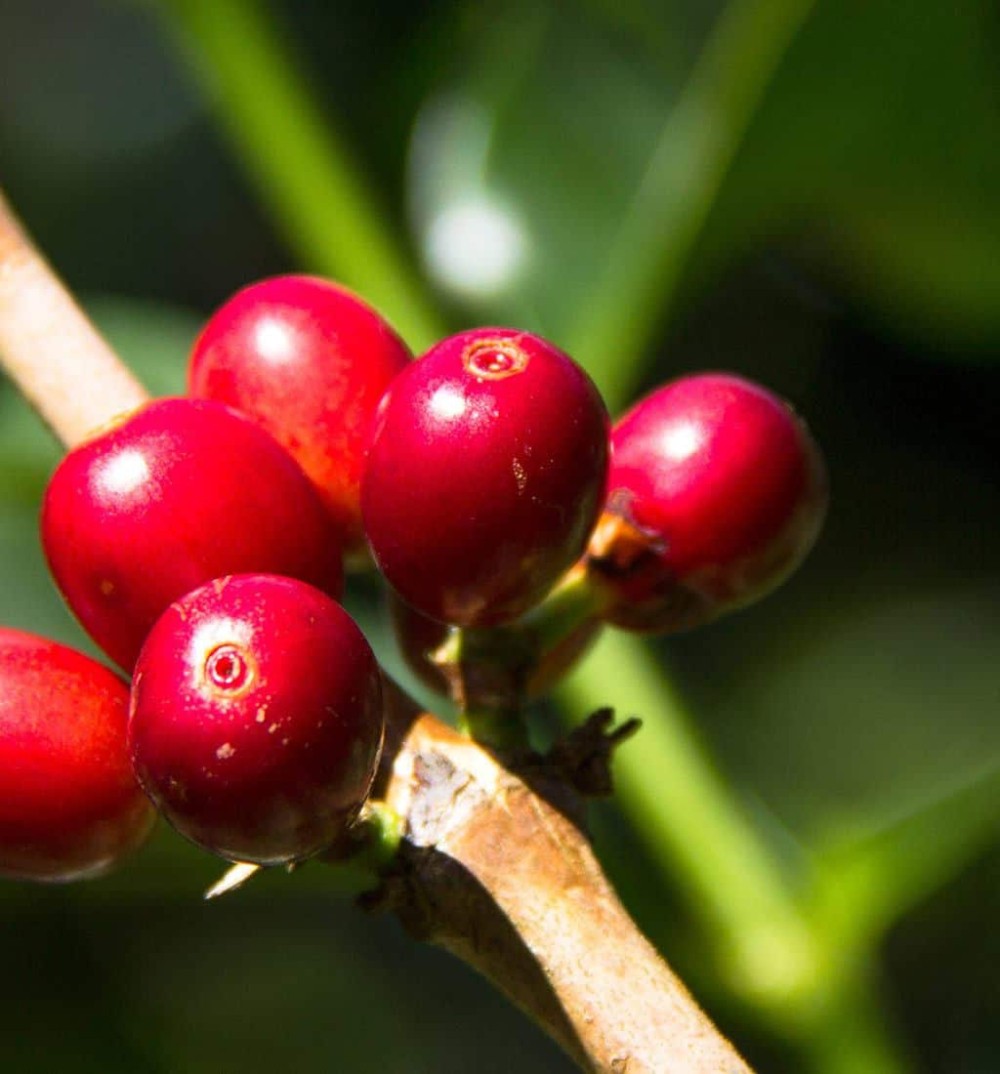
Ranked sixteenth globally in coffee production, Kenya is nonetheless a significant source for the specialty coffee market. The acidic soils and cool climates of the central highlands provide an ideal environment for coffee trees. Located in East Africa, Kenya straddles the equator, with the East African Rift Valley running north to south. It borders Somalia to the east, Tanzania to the south, Uganda to the west, and Ethiopia and Sudan to the north, while its southeastern coast faces the Indian Ocean. The country is predominantly highland terrain, with an average elevation of about 1,500 meters. Mount Kenya (formerly known as Mount Kirinyaga), at 5,199 meters, is the second-highest peak in Africa. This high-altitude environment slows the ripening of coffee cherries, aiding the accumulation of flavor compounds and resulting in the hard bean quality and bright acidity that define Kenya’s core specialty coffee-growing regions.
Though Kenya’s coffee cultivation history is not as long as that of neighboring Ethiopia or Yemen, it has developed rapidly. Coffee seeds were introduced by missionaries in the late 19th century and have since become a vital cash crop. Kenya has a tropical climate with two rainy seasons each year, leading to two coffee harvest periods: approximately 60% of production is concentrated from October to December, with the remaining 40% harvested between June and August.
Kenya’s major coffee-growing regions can be grouped into six blocks: Thika, Kirinyaga, Mt. Kenya West, Nyeri, Kiambu, and Muranga. These regions’ harvest seasons mainly fall within the main season from October to December and the secondary season from June to August. Among them, Nyeri and Kirinyaga are the two most representative regions. Nyeri is located in the high-altitude area of Mount Kenya, with an average elevation exceeding 1,500 meters and proximity to the Aberdare Mountains. Its fertile soils and ideal altitude make it a key specialty coffee origin, supported by well-developed related industries.
The Kirinyaga region lies on the slopes of Mount Kenya, at elevations ranging between 1,300 and 1,900 meters, adjacent to Nyeri. This region is known for producing coffee with strong flavors, rich layers, and a solid body, ranking alongside Nyeri as one of Kenya’s most esteemed coffee-growing areas.
Kenya primarily grows Arabica coffee beans, which are widely recognized as among the highest-quality in the world. The country’s specialty-grade coffees typically feature bright acidity, intense aromas, and complex fruit notes, making them suitable for various brewing methods such as pour-over or cold brew. A well-known brand often uses the Kenyan Asaliya variety to make cold drip coffee, which boasts lively and refreshing acidity with the clean flavors of cherry tomatoes and grapefruit—especially enjoyable in summer. The European market has a high acceptance of Kenyan coffee, where in the UK it even surpasses Costa Rica to become one of the most popular imported coffees.
Notable Kenyan coffee varieties include K7, Blue Mountain, Baridi, Ruiri11, and the SL series, with the latter having nearly 90 years of cultivation history. Among these, SL28 and SL34 are the two most iconic classics.
The SL28 variety originated in the 1930s and was developed by the Scott Laboratories (now known simply as Scott Labs), established by the Kenyan government. At the time, traditional Typica varieties had poor disease resistance and struggled to adapt to Kenya’s growing conditions, so there was an urgent need to breed new varieties with strong resilience and excellent flavor. Between 1935 and 1939, the lab used the abbreviation ‘SL’ to name and select the most promising varieties from 42 candidate plants.
SL28 originally came from a drought-resistant plant in Tanganyika (now Tanzania), discovered in 1931 by A.D. Trench in the Moduli area and brought back to the lab for cultivation. Though its descendants eventually replaced the original strain, SL28 remains one of Africa’s most revered coffee varieties. Suitable for medium-to-high altitudes, it has some drought resistance but is more susceptible to diseases. Genetically part of the Bourbon group, its beans are round and plump, maintaining high yields even in older trees (60–80 years). SL28 plants are tall with green, pointed leaves, delivering outstanding flavor but are prone to leaf rust, coffee berry disease (CBD), and soil nematodes.
The flavor profile of SL28 coffee showcases the brightness typical of Bourbon varieties, combined with the complex acidity of the original Mocha variety. It offers a rich layering of flavors with vivid acidity and a thick, balanced body. Its most distinctive traits are citrus and dark plum notes—a unique character that is difficult to fully replicate outside Kenya.
SL34 originates from the ‘French Mission’ variety (a Bourbon type) grown at the Kabete Estates, but genetic testing shows it is closer to the Typica group, with beans that are slender and flat. SL34 has higher nutrient demands, slightly lower yields, and is also susceptible to CBD, leaf rust, and pests. Its flavor is similar to SL28’s but with a richer, heavier body and a cleaner, clearer overall profile.
The difference between SL28 and SL34 is that SL28 generally enjoys higher prestige and more complex flavors, whereas SL34 has greater yields and is better suited to slightly lower altitudes. Many coffee farms now plant both together to balance flavor and productivity.
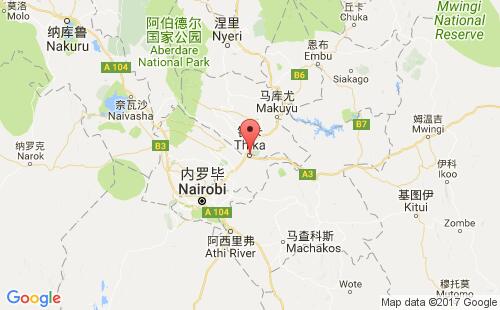
Ruiru11 is a variety developed by Kenyan research institutions in the 1970s to address issues with CBD and rust diseases, officially launched in the 1980s. It offers good disease resistance and yield performance, and was once considered a key solution to Kenya’s coffee production challenges.
Batian is the latest variety introduced by the Kenya Coffee Research Institute (CRI) in 2010, further refined from Ruiru11. Its genetic background is closer to SL28, and it has eliminated Robusta influence, thereby improving cup quality and flavor expression.
Kenya’s coffee grading system primarily relies on bean size, shape, and hardness, ranking from highest to lowest as AA or AA+, AB, PB, C, E, TT, and T. Among these, the AA and AB grades may also receive unofficial special sub-grades based on cupping results, including TOP, PLUS (+), and FAQ. According to sources, some Kenyan Asaliya coffee beans purchased have reached the top-tier TOP flavor grade.
The Kenyan-style washed process (K72) is one of its hallmarks. Unlike conventional washed processing, Kenya employs three 24-hour fermentation cycles totaling 72 hours of prolonged low-temperature fermentation, resulting in coffee with brighter, cleaner, and fuller flavor profiles.
To fully highlight the acidity and juice-like qualities of Kenyan coffee, it is recommended to use a medium-fine grind (similar to caster sugar, 80% passing through a 20-mesh sieve), paired with a V60 filter, at a coffee-to-water ratio of 1:15 and a water temperature of around 91°C. For specific brewing, a three-stage pour can be used: start with a 30-second bloom using twice the coffee weight in water (about 30 grams), then pour in small streams up to 125 grams for the first pour, continue to 225 grams, and stop. Total extraction time is about 2 minutes. Finally, swirl the coffee before pouring into the cup.
The flavor profile of Kenyan Asaliya coffee beans typically includes: a wet aroma of ripe tomatoes and flowers; on the palate, notes of cherry tomatoes and dark plums with bright, refreshing acidity; a clean, layered body; notable sweetness in the mid-palate; and a finish with hints of berries, brown sugar, and green tea.
The freshness of coffee beans greatly impacts flavor—it is recommended to choose beans roasted within five days. A general resting period of about 4 to 7 days allows flavors to reach their optimal state. If purchasing pre-ground coffee, it is best to use it promptly to avoid oxidation affecting the taste. For the best drinking experience, opt for whole beans and grind them fresh before brewing.
The above content is compiled by CoffeeHunters, a coffee news website.


