








Introduction:Want to brew a great cup of coffee at home with simple tools but don’t know where to start? This article provides a comprehensive guide to common home brewing equipment such as pour over, AeroPress, moka pot, French press, and Chemex. It covers key selection tips, usage techniques, practical parameter suggestions, flavor profiles, and common pitfalls to help you find the most suitable brewing method based on your drinking habits and budget.
Enjoying a great cup of coffee at home doesn’t require investing in expensive professional equipment. By choosing the right brewing tool for your needs and mastering basic techniques and parameters, you can also brew coffee with rich layers and unique flavors. Whether you’re a beginner or an enthusiast looking to try different brewing methods, this article will detail the features and usage of various common tools such as pour over, AeroPress, moka pot, French press, and Chemex, along with practical reference advice.
Pour Over Coffee: Highly Playable, Ideal for Exploring Flavors
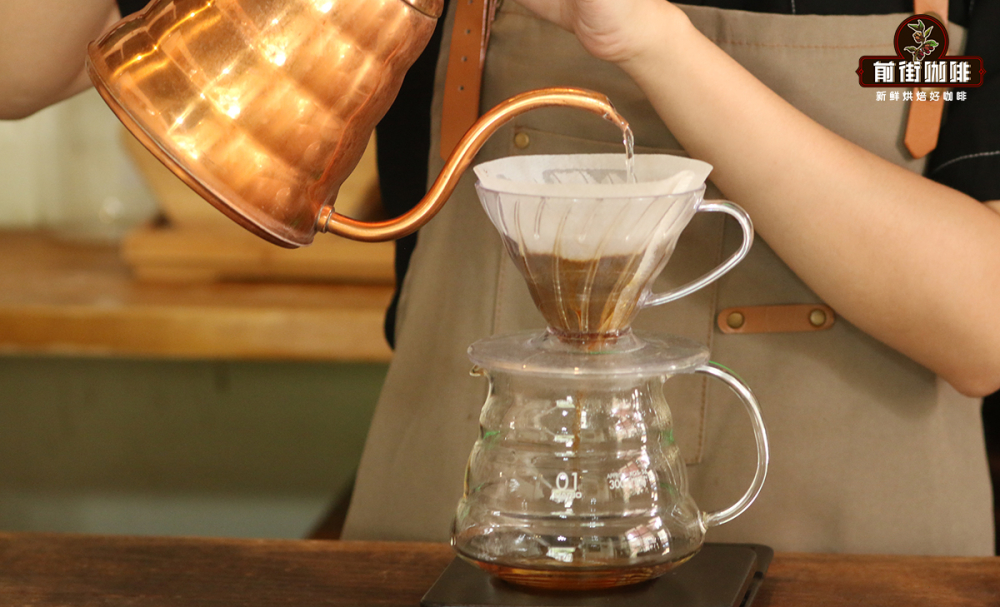
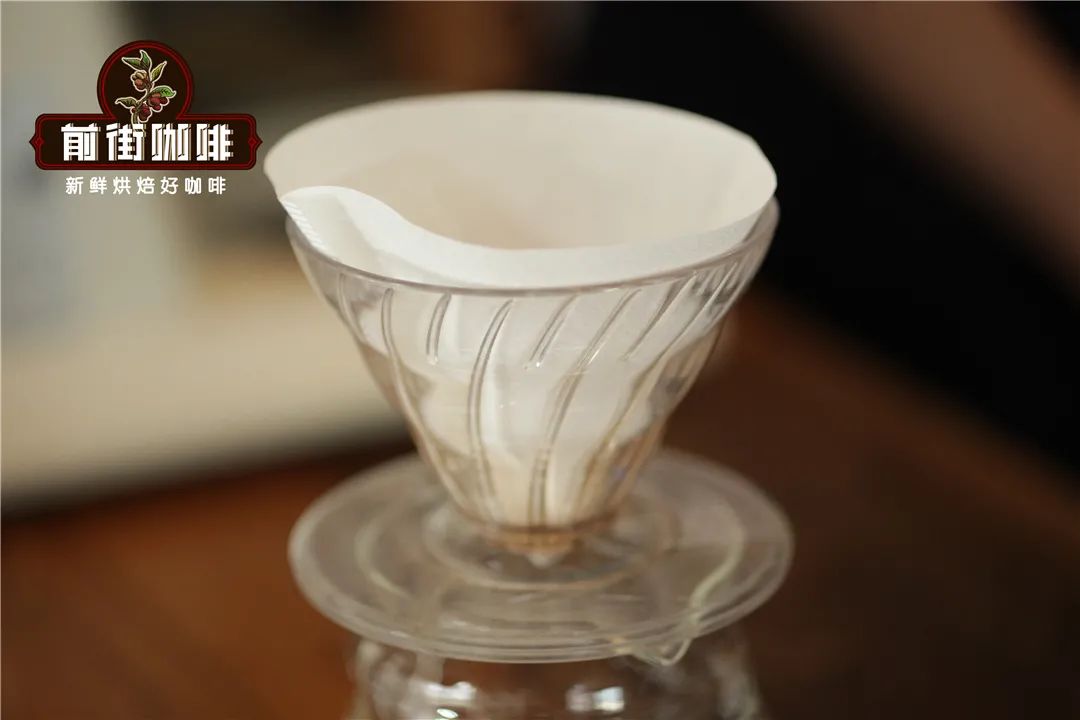
Pour over is one of the brewing methods that best highlights the delicate flavors of single-origin coffee beans. Though it requires some practice, it offers great flexibility and variety, making it suitable for coffee lovers who enjoy adjusting variables. Common setups include a pour over kettle, dripper, and filter paper. Among them, Hario V60 the cone-shaped dripper with its 60-degree design can bring out a clean, clear, and layered taste. It is recommended to use a medium-fine grind, bloom for about 30 seconds, and then pour water in a concentric circular motion with a thin stream. Another option, the Kalita Wave flat-bottomed dripper,features a flat base with three holes, which allows for more even water distribution and more stable extraction. It’s suitable for users who prefer a balanced taste. You can also experiment with multi-pour techniques to enhance control over extraction.
Smart Dripper (Clever Dripper): Simple Operation, Ideal for Convenience and Stability
The smart dripper combines the concepts of pour over and immersion. It has simple steps and fewer variables, making it suitable for busy individuals or those who want quick and stable flavors. It’s recommended to use medium-roasted coffee beans, such as balanced blends, with a medium-fine grind. You can choose whether to wet the filter paper. Start by pouring a small amount of hot water for blooming, then add hot water according to the coffee-to-water ratio. The pouring process doesn’t need to be strictly concentric. After the immersion is complete, place the dripper on the server, and the valve will open automatically to finish extraction. This method has a high tolerance for grind size and water temperature, making it ideal for beginners to get started steadily.
AeroPress: Versatile, Rich Flavor with Creative Potential
The AeroPress is a brewing tool that combines convenience with versatility, suitable for users who enjoy rich flavors and experimental approaches. Its two brewing methods—positive pressure and reverse pressure—each have their own characteristics:Positive pressureresults in coffee flowing out while pouring, which may affect the integrity of the taste;reverse pressureavoids this issue and usually delivers a rounder, fuller flavor. It’s recommended to use water at around 84°Cto avoid over-extraction or under-extraction. You can also adjust grind size and steeping time according to personal taste preferences to create diverse coffee experiences.
Moka Pot: Rich Crema, First Choice for Espresso-like Flavor
The moka pot is a common household brewing tool for many coffee enthusiasts. It can produce a strong coffee similar to espresso, complete with attractive crema. It works by using steam pressure generated from heating to push water through coffee grounds in the middle chamber, extracting a highly concentrated coffee liquid. It’s recommended to use medium to dark roasted coffee beans for the best crema and aroma performance. Commonly recommended beans include classic blends or commercial blends, suitable for those who enjoy strong flavors. Note that the moka pot only generates 1.5–3 atmospheres of pressure, which is less than commercial espresso machines, but it still provides a noticeable espresso-like experience.
French Press: Simple and Direct, First Choice for Full-bodied Flavor
The French press is one of the simplest and most well-known brewing tools. It has a low barrier to entry—all you need to do is steep coffee grounds with hot water and then press to filter. Without using filter paper, it retains more coffee oils, resulting in a relatively full-bodied taste. It’s suitable for medium to dark roasts or heavy roast beans, such as blends from regions like Colombia or Brazil. Though it may not highlight delicate floral notes, it’s a very practical choice for users who enjoy full-bodied flavors and simple operation.
Chemex: Large Capacity and Minimalist Aesthetics, Ideal for Sharing
The Chemex dripper is known for its unique deep-V design and specialized thick filter paper, which can filter out more fine particles, resulting in a cleaner and clearer coffee taste. However, it can be more challenging to maintain consistent extraction. It’s recommended to use a medium-coarse grindand pay attention to pouring speed and evenness for stable results. The large-sized Chemex can brew multiple cups at once, making it suitable for family use or gatherings, but it requires practice to master the best extraction parameters.
Home Coffee Machines: Automated Option, Ideal for Efficiency and Professional Results
If you’d like to enjoy a professional coffee experience at home similar to that of a café, a home coffee machine is a worthwhile option. They are mainly divided into four categories: fully automatic espresso machines, semi-automatic espresso machines, drip coffee machines, and capsule coffee machines. Among them,semi-automatic espresso machines allow manual control over dosing and tamping, often producing higher-quality coffee and are suitable for users with some coffee knowledge. Fully automatic coffee machines offer one-touch operation, making them ideal for users who value convenience and have a sufficient budget. Drip coffee machines are simple to operate and suitable for everyday quick use, but they can’t extract crema and offer a lighter flavor. Capsule coffee machines are valued for their convenience and speed, suitable for busy individuals on a limited budget, though capsule costs are relatively high and systems may not be compatible—usage habits should be evaluated in advance.
In summary, whether you’re a beginner or already have some experience, the various coffee tools available on the market each have their unique advantages and applicable scenarios. As long as you choose the most suitable tool based on your taste preferences, time investment, and budget range, and master the basic brewing parameters and techniques, you can easily enjoy a great cup of coffee that’s uniquely yours at home.
The above content is compiled by CoffeeHunters, a coffee news website.


