








Introduction:Kenyan coffee is renowned for its distinct plum and cherry tomato acidity alongside its juice-like sweetness. Behind this flavor profile—aside from its favorable geographic conditions and famed varieties such as SL28 and SL34—is the unique K72 washed processing method. This article delves into the evolution, craftsmanship, and differences of the K72 process compared to conventional washed processing, revealing how it shapes the distinctive flavor profile of Kenyan coffee.
Kenya and neighboring Ethiopia are both major coffee-producing regions in East Africa, yet the flavor profiles of their coffees differ significantly. Ethiopian coffee often exhibits floral notes, bright citrus acidity, and a tea-like body, whereas Kenyan coffee is celebrated for its vibrant plum and cherry tomato acidity paired with rich, fruity sweetness. These characteristics stem not only from the region’s climate and classic varieties like SL28 and SL34 but are also closely tied to the unique K72 washed processing method.
Many wonder, what exactly is the K72 process? How does it differ from the commonly seen washed processing? And how does it create the unforgettable acidity and complexity found in Kenyan coffee? We’ll start with the traditional washed process and gradually explore the evolution and core techniques of the K72 method.
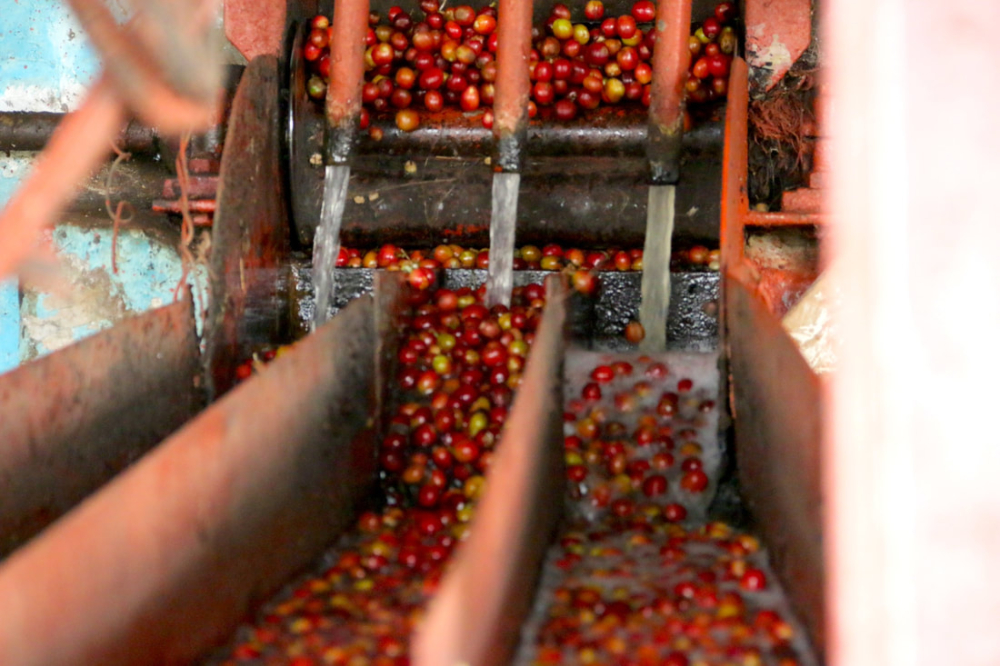
Traditional washed processing, also known as the wet process, is a common method used in many coffee-growing regions. The basic steps include: after harvesting, coffee cherries are first floated in water tanks to remove unripe and defective beans; then the outer skin and pulp are removed, leaving the beans coated with mucilage and parchment; these mucilage-covered beans are then placed in fermentation tanks where they undergo fermentation for 18 to 36 hours to remove the mucilage layer.
After fermentation, residual fermentation bacteria and small amounts of mucilage may still remain on the bean surface, so they are thoroughly rinsed with large amounts of clean water. Finally, the coffee beans are dried either mechanically or by sun drying until their moisture content is reduced to 10%–14%. Then, a hulling machine removes the parchment and silver skin, completing the entire washed process.
However, in Kenya, where most coffee is produced by smallholder farmers through cooperative models and processed at centralized mills, there has historically been a shortage of drying beds. Especially during the harvest season, when large quantities of mucilage-removed wet parchment cannot be sun-dried immediately, to avoid spoilage or contamination, the beans are often temporarily re-soaked in water tanks and left to wait until drying space becomes available. This “second soaking” operation is known as “double washing” and represents the prototype of the Kenyan processing method.
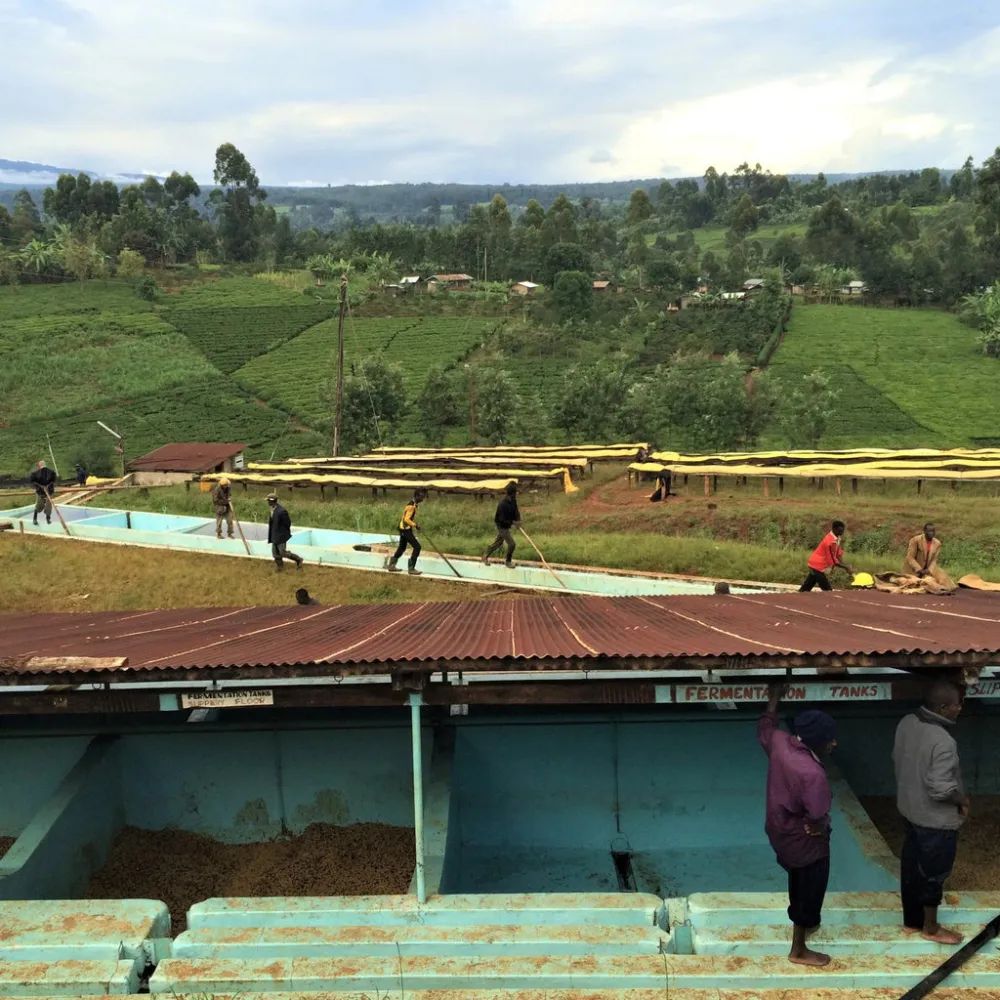
Over time, producers discovered that this repeated soaking method not only helped stabilize bean quality but also brought out richer, more layered fruit acidity. Through continuous adjustments and refinements, the now widely recognized K72 washed processing method was eventually developed.
The core of the K72 process lies in its uniquely designed fermentation stage. Compared to the typical maximum of 36 hours of fermentation in conventional washed processing, K72 extends the entire fermentation period to 72 hours, divided into three phases of 24 hours each. The specific process is as follows: first, a 24-hour initial washed fermentation is carried out, followed by removal of the mucilage and replacement with clean water for another 24-hour fermentation; after fermentation, the beans are washed again and undergo a final 24-hour fermentation. The total fermentation time reaches 72 hours before drying begins.
This phased, multi-water-change fermentation approach effectively sustains and deepens the expression of acidity while imparting a more delicate mouthfeel and a rich, layered aroma. However, it’s important to note that due to multiple water changes and extended fermentation times, the K72 process consumes significantly more water than traditional washed methods, posing greater demands on the equipment and management capabilities of the processing facility, and thus resulting in relatively higher costs.
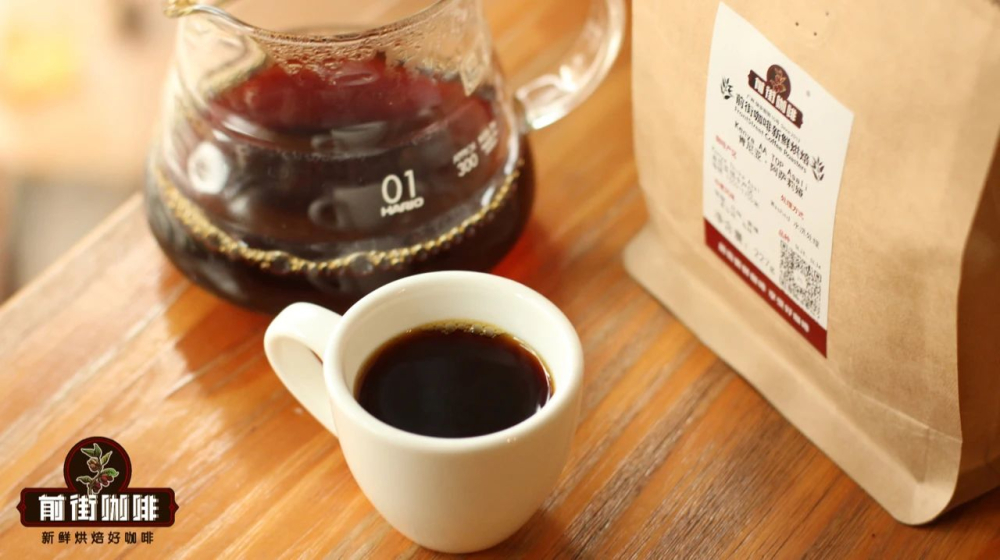
Currently, many premium Kenyan coffees on the market still adhere to the K72 process, precisely because of its ability to consistently deliver bright acidity and juicy sweetness. Take the Assalia Factory in the Thika region as an example: using SL28 and SL34 varieties and processing through the K72 washed method, the coffee beans produced often exhibit pronounced acidity reminiscent of cherry tomatoes and plums after brewing, with clear sweetness and a clean, refreshing mouthfeel—qualities that have earned them widespread acclaim among coffee enthusiasts worldwide.
The above content is compiled by CoffeeHunters, a coffee news website.


