







Introduction:Indonesia is one of the world’s major coffee-producing regions, not only being the birthplace of the highly regarded Mandheling coffee, but also home to the rare Kopi Luwak. This article delves into the development of Indonesian coffee from the Dutch colonial era to the present day, explores the geographic and climatic characteristics of key producing areas such as Sumatra and Bali, and details how the unique wet-hulling process shapes the low-acidity, richly bodied flavor profile of Mandheling. It also introduces Indonesia’s G1 to G6 green bean grading system, along with brewing recommendations and flavor profiles for classic Mandheling beans.
As a globally renowned coffee-producing nation, Indonesia’s most representative Mandheling coffee is famous for its rich, full-bodied taste and heavy aroma, often featuring distinct bitterness and a bold mouthfeel—it can be described as a blend of aroma, intensity, body, and bitterness. Also hailing from Indonesia is the pricey Kopi Luwak. This article will take you from the historical origins of Indonesian coffee, gradually exploring the characteristics of its main producing regions, the mysteries of the wet-hulling process, and how to identify coffee quality through its grading system, before finally providing brewing parameters and suggestions for classic Mandheling beans.
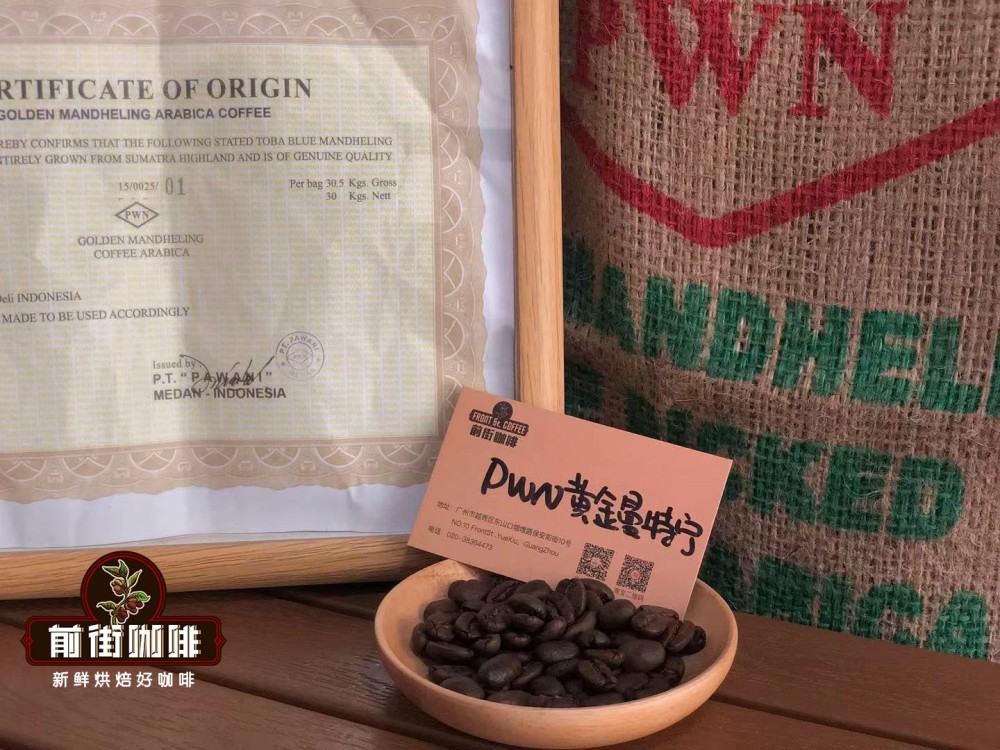
Indonesian coffee has a long history of cultivation. As early as 1699, during the period when Indonesia was still under Dutch colonial rule, the Dutch East India Company (VOC) introduced the first batch of Arabica coffee plants, aiming to break the Arab monopoly on global coffee trade. Initial plantings were mainly concentrated around Batavia (now Jakarta), and later gradually expanded to East Java, Central Java, West Java, as well as islands such as Sumatra and Sulawesi. Between 1725 and 1780, the VOC even monopolized the global coffee trade. By 1750, coffee cultivation had also begun on the island of Sulawesi, while the Lake Toba region in North Sumatra saw its first coffee planting in 1888, followed by expansion to the Lake Laut Tawar area in Aceh in 1924.
Indonesia is not only a major coffee country in Asia, but also ranks among the top globally. Although it has the largest coffee-growing area in the world, due to the predominance of smallholder farming, overall efficiency is relatively low, resulting in its production ranking third globally, after Brazil and Vietnam. It is worth mentioning that over 90% of Indonesia’s coffee comes from small farms with less than one hectare of land.
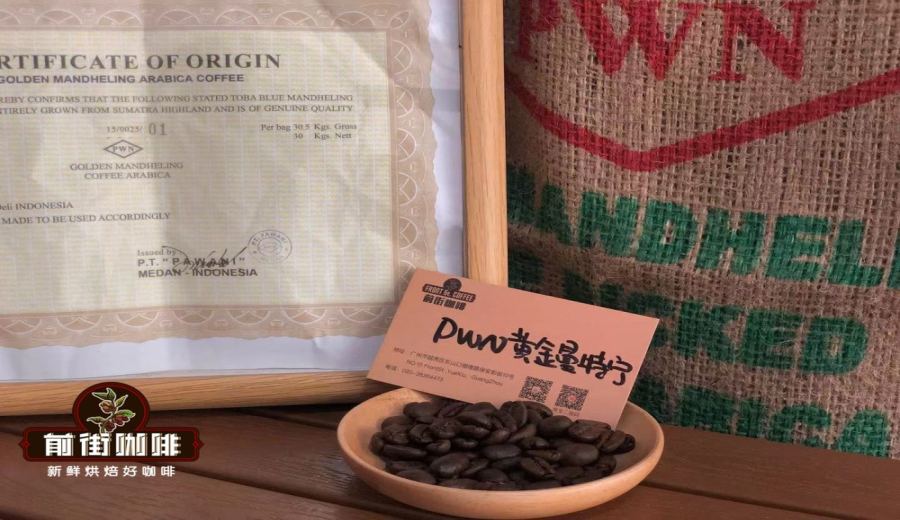
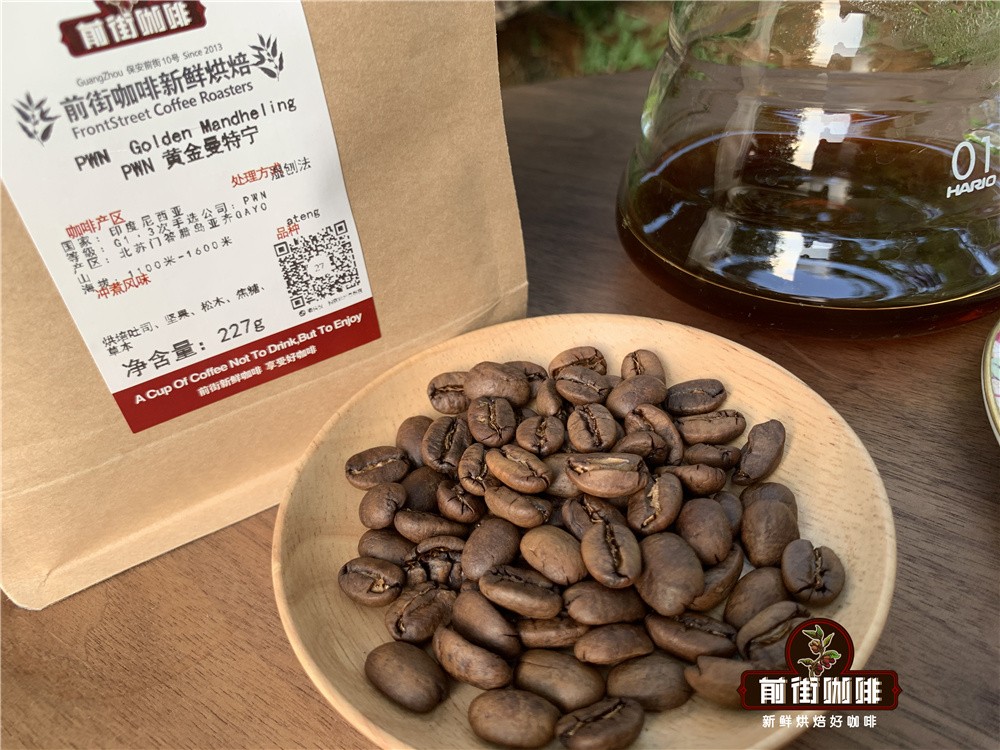
When talking about Indonesian coffee, one cannot overlook Mandheling. This coffee from Sumatra is known for its rich, low-acid, thick mouthfeel, often featuring aromas of herbs, chocolate, and nuts. However, those unaccustomed to this style may find its taste somewhat medicinal or overly strong. The brand’s Lintong Mandheling and Golden Mandheling are classic representatives, each with its own unique flavor profile, with the latter undergoing multiple hand-sortings for a more refined quality.
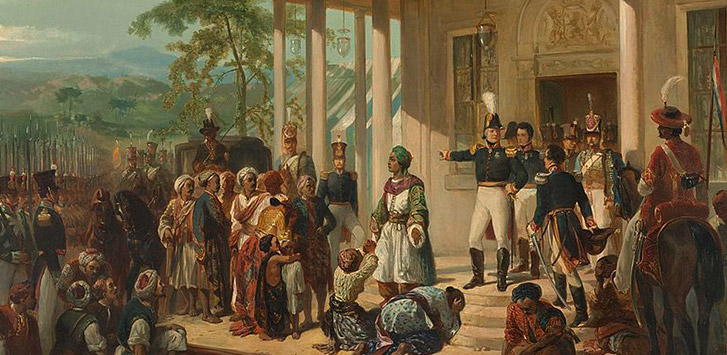
Indonesia is made up of numerous islands, features mountainous terrain, and has a typical tropical rainforest climate, with high temperatures and humidity year-round, an average annual temperature of about 25 to 27°C, and annual rainfall of approximately 1600 to 2200 millimeters. Such an environment, combined with high altitudes and fertile volcanic soil, creates ideal conditions for growing Arabica coffee. However, the leaf rust disaster of 1876 almost destroyed the local Arabica varieties, forcing the Dutch to switch to the more disease-resistant Robusta, which still accounts for over 85% of Indonesia’s total production today, mainly grown in the low-altitude regions of Java and Bali. Arabica, on the other hand, is concentrated in the high-altitude areas of northern Sumatra, Sulawesi, and Java, making up about 15% of total production.
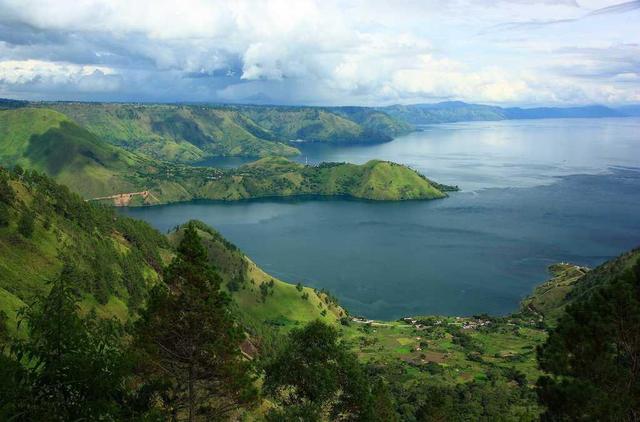
Sumatra is the core coffee-producing region of Indonesia and the birthplace of the name “Mandheling.” The island is vast, the sixth largest in the world, straddling the equator with a stable climate, and its harvest season typically runs from November each year to March of the following year. The Lintong region, located in north-central Sumatra near Lake Toba, is the main area for conventional Mandheling production.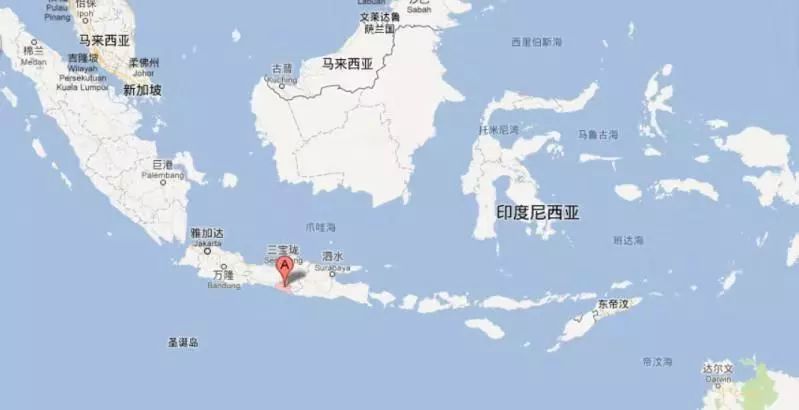 Meanwhile, the Gayo highlands in northern Sumatra are known for their high altitudes and organic farming practices. The coffee produced here is often referred to as Gayo organic coffee, not only for its clean flavors but also for its environmentally friendly and sustainable cultivation methods, earning it high praise in the market.
Indonesia’s coffee-producing regions also include Bali. While famous as a tourist destination, Bali also has high-quality coffee plantations in volcanic areas such as the Kintamani plateau. Located between Mount Batukaru and Mount Agung, this region enjoys a cool climate and fertile soil, and the coffee produced here often exhibits unique spicy and citrus notes, which are quite different from the bold style of Sumatran coffee.
When it comes to Indonesia’s coffee grading system, the classification is primarily based on the number of defective beans, supplemented by bean size. The fewer the defects, the higher the grade, with grading generally determined by the number of defective beans in a 300-gram sample, divided into six grades from G1 to G6. Exporters usually label sacks with information about the country, grade, and supplier—for example, the common “Grade 1” represents the highest grade. The brand’s Lintong Mandheling and PWN Golden Mandheling both belong to the G1 grade, with PWN Golden Mandheling undergoing three rounds of manual sorting for a more uniform and refined quality.
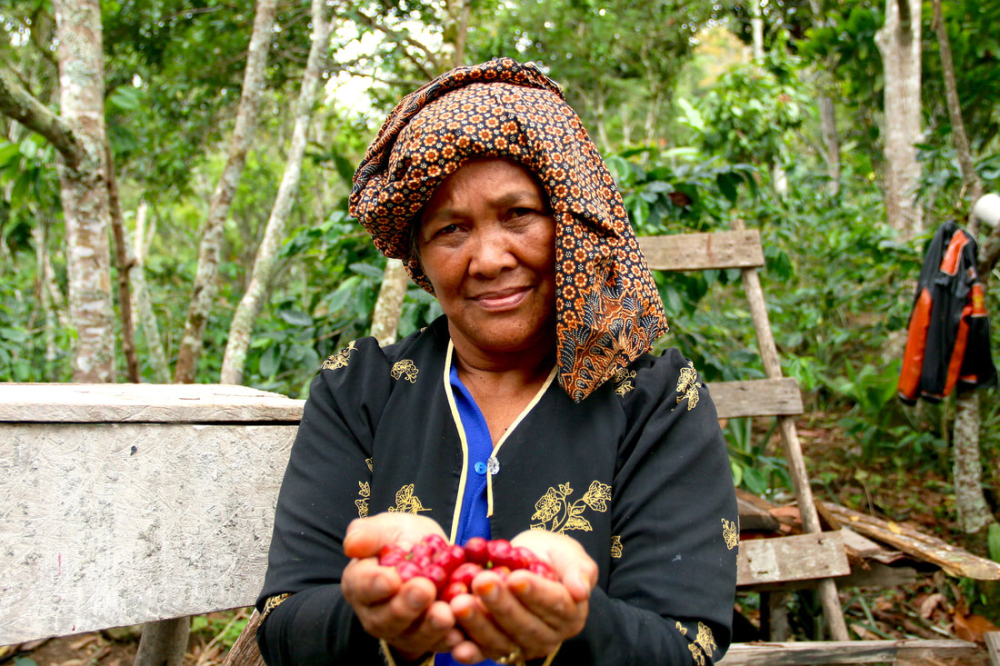
The most representative processing method in Indonesian coffee is undoubtedly the “wet-hulling” method (known locally as Giling Basah). This processing approach was developed in response to Indonesia’s high humidity, frequent rainfall, and limited sunlight. After the washed fermentation process, the coffee beans are only partially dried to a moisture content of 30%–50% before the parchment layer is removed early, followed by subsequent sun drying. Because the outer layer is removed while the beans are still wet and soft, it can easily cause pressure damage to the green beans, resulting in the distinctive “elephant hoof” appearance, which is not a defect but a common characteristic of the wet-hulling method.
This special processing method significantly shortens the drying time and also contributes to the low acidity, rich mouthfeel, and unique earthy aroma of Mandheling coffee. Many experts believe that the wet-hulling method has accidentally created a uniquely enjoyable drinking experience for Mandheling, setting it apart in the world of coffee.
When brewing Mandheling coffee, it is recommended to use a KONO filter, whose design reduces excessive degassing and extracts a rounder, fuller mouthfeel. Using a water temperature of 88°C, a 1:15 coffee-to-water ratio (for example, 15 grams of coffee grounds to 225 milliliters of water), and a grind size with 75% passing through a #20 sieve, can fully highlight the aroma and body of Mandheling. It is generally advised to use a three-stage extraction: first blooming with 30 grams of water for 30 seconds, then pouring to 125 grams and 225 grams respectively, with the total extraction time controlled to around 2 minutes.
The flavor profile of Mandheling often includes layers of chocolate, nuts, caramel, herbs, and spices, with subtle differences arising from varying processing batches and producing regions. The brand’s Lintong Mandheling offers a more balanced flavor, showcasing notes of chocolate and caramel; whereas the brand’s Golden Mandheling, due to multiple hand-sortings, has a cleaner taste, with pronounced notes of spices, nuts, and dark chocolate.
Finally, it’s important to note that coffee bean freshness greatly impacts flavor. It is recommended to choose beans roasted within five days, and to consume them after the 4–7 day resting period post-roast, when the flavors are at their fullest. If purchasing coffee powder, it should be used as soon as possible to avoid oxidation affecting aroma and taste. Before brewing, don’t forget to appropriately adjust grind size and water temperature to find the combination that best suits your personal taste.
The above content is compiled by CoffeeHunters, a coffee news website.


