







Category: Coffee Knowledge

A comprehensive comparison between Flat White and Caffè Latte Macchiato: From extraction ratios to flavor analysis — an essential beginner’s guide
Have you ever wondered what the difference is between a Flat White and a Caffè Latte Macchiato? These two drinks are often mistaken for different beverages, but in fact, they both fall under the same category of espresso-based milk coffee. This article delves into their preparation methods, choice of espresso, milk foam control, and flavor profiles, while also explaining the difference between regular espresso and ristretto. It will help you better understand how to choose and appreciate this classic coffee. [more…]
What’s the difference between a Flat White and a Latte? An analysis of Australian-style white coffee’s preparation and flavor
Flat White, Flat White (Starbucks style), Cortado, and Affogato Bianco—these names all refer to essentially the same Australian-origin milk coffee. But how does it differ from a latte or cappuccino? This article delves into the origins of the Flat White, its milk frothing techniques, recipe ratios, and flavor characteristics. It also helps you understand the essential differences between this “silky and intense” coffee and other milk-based coffees, along with practical brewing parameters to help you master this highly acclaimed coffee drink. [more…]

How to distinguish between Flat White and Flat White? A complete guide to the Australian-style white coffee’s preparation, volume, and flavor profile
When ordering milk-based coffee at Starbucks or Luckin, besides the common latte and cappuccino, you might also come across "Flat White" and "Fortress White." These two are actually both derived from Australia’s Flat White, also known as "Australian-style white coffee." But do you know how they differ from lattes and cappuccinos in terms of volume, milk foam, and coffee ratio? This article dives deep into the origin disputes of Flat White, details its comparison with other coffee beverages, and provides [more…]

Flat White vs Latte: Major Flavor Differences Explained in Full — From Milk Foam Thickness to Extraction Parameters, Plus Dirty Coffee Differences
Want to understand how Flat White and Latte differ? This article provides an in-depth comparison of their coffee base, cup size, milk foam thickness, and flavor profiles, along with the characteristics of Flat White — which is only served hot — and Dirty Coffee, designed exclusively for iced drinks. From professional extraction parameters to recommended milk ratios, it helps you clearly distinguish between them and recreate an authentic taste at home. [more…]

Analysis of the Differences Between Flat White and Au Lait | Extraction Parameters, Milk Frothing Techniques, and Key Differences Among Three Coffee Drinks
Au Lait, Flat White, Breve, and even Starbucks’ Flat White all refer to the same classic coffee beverage originating from Australia and New Zealand. But where did it come from? How do the preparation methods differ between Australia and New Zealand? This article delves into the historical background of Flat White, explores the differences in its preparation between the two countries, and provides a detailed introduction to its extraction parameters and key points in milk handling. It also compares Flat White with Latte and Cappuccino, helping coffee enthusiasts gain a more precise understanding. [more…]
Complete Guide to Ethiopian Yirgacheffe Coffee Beans: From Origin, Processing to Pour Over Parameters and Flavor Analysis
Yirgacheffe is the starting point for many coffee beginners exploring specialty coffee, with its bright acidity and rich floral and fruity aromas leaving a deep impression. This article delves into this coffee bean from Ethiopia’s renowned producing region, covering its geographical environment, grading system, key differences between washed and natural processing methods, as well as practical brewing recommendations. It also compares the flavor profiles of two popular beans (Natural Red Cherry and Washed Guji Dingding), helping readers master selection and brewing techniques. [more…]
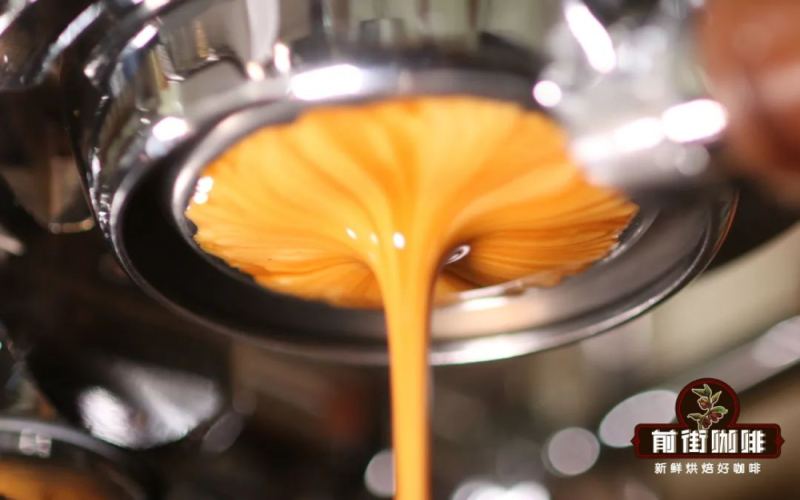
How to Choose Italian Coffee Beans? Differences Between Blends and SOEs, Beginner Tips, and Extraction Advice
When ordering an Americano, have you ever wondered whether the barista used a blend or a single-origin SOE? These two common types of Italian coffee beans not only influence the flavor profile but also relate closely to extraction parameters. This article delves into the standard definition of espresso, compares the differences between blends and SOEs in terms of stability, aroma, and suitable scenarios, and provides practical bean selection advice and extraction references to help you find the most suitable coffee beans based on your taste preferences. [more…]
Pour Over Coffee Bean Recommendation Guide: Flavor Analysis of 8 Major Origins and Bean Selection Tips
From Ethiopia to Colombia, coffee beans from different origins exhibit unique flavor profiles due to variations in climate and processing methods. This article provides an in-depth analysis of the flavor characteristics of eight classic pour over origin beans, including bright citrus notes, rich chocolate aromas, and more. It also offers practical bean selection advice and extraction parameter references to help you easily choose high-quality everyday beans that suit your personal taste preferences. [more…]

Beginner's Guide to Coffee: Explore 10+ Coffee Types & Flavors to Find Your Perfect Match
For those new to coffee, the wide variety of coffee options can be overwhelming. This article will help you systematically explore more than ten common types of coffee drinks—from espresso to Vienna coffee—including their brewing methods, ingredients, and flavor characteristics. This will assist you in quickly finding the coffee style that suits your personal taste preferences. It also includes practical tips on brewing and tasting to help you build your own coffee flavor map. [more…]
Costa Rica Musician Series Coffee Beans: Flavor Comparison and Pour Over Recommendations for Bach, Beethoven, and Mozart
Did you know? Costa Rica has a popular series of coffee beans named after musical masters — Bach, Beethoven, and Mozart. These coffees come from the Finca Canet in the high-altitude Tarrazú region, and through washed and honey processing methods, they showcase distinctly different flavor profiles. This article delves into the processing methods, regional characteristics, and actual flavor expressions of the three coffees, and provides reference parameters for pour over brewing to help you find the one that suits your taste best. [more…]
Ethiopia Yirgacheffe & Sidamo Region Guide: Flavor Profile & Pour Over Recommendations for Hua Kui G1
As the birthplace of coffee, Ethiopia is home to numerous micro-regions and complex classifications, often leaving beginners confused by names like Yirgacheffe and Sidamo. This article delves into the background of popular sub-regions including Guji, Hambela, Shakiso, and Uraga, and focuses on the sun-dried Hua Kui G1 beans from a well-known brand. It comprehensively breaks down their distinctive flavor characteristics—such as strawberry and cream—from aspects like altitude, native varieties, and processing methods, while also providing practical pour over parameters to help coffee enthusiasts gain a deeper understanding. [more…]

The Ultimate Guide to Cold Brew Coffee: Parameters for Cold Steeping & Ice Drip, Grind Size & Flavor Comparison
Cold brew coffee is beloved in the summer for its smooth and naturally sweet flavors extracted at low temperatures. This guide delves into the key preparation parameters of two cold brewing methods—cold steeping and ice dripping—including coffee-to-water ratio, grind size settings, extraction time, and suitable coffee beans. It also provides detailed step-by-step instructions and practical tips to help you master the precise process of making cold brew and achieve your ideal flavor profile. [more…]

How to Use a Moka Pot? Ideal Coffee Bean Selection & Complete Brewing Guide
Want to brew richly flavored espresso using a moka pot? This article delves into the structure and working principles of the moka pot and provides a step-by-step guide on how it works—from heating the lower chamber, generating steam pressure, to extracting the coffee liquid. We also recommend several types of coffee beans suitable for use with a moka pot, including medium-to-dark roasted Brazilian, Colombian, Mandheling, and Yunnan beans, allowing you to enjoy a full-bodied coffee experience with crema at home. [more…]
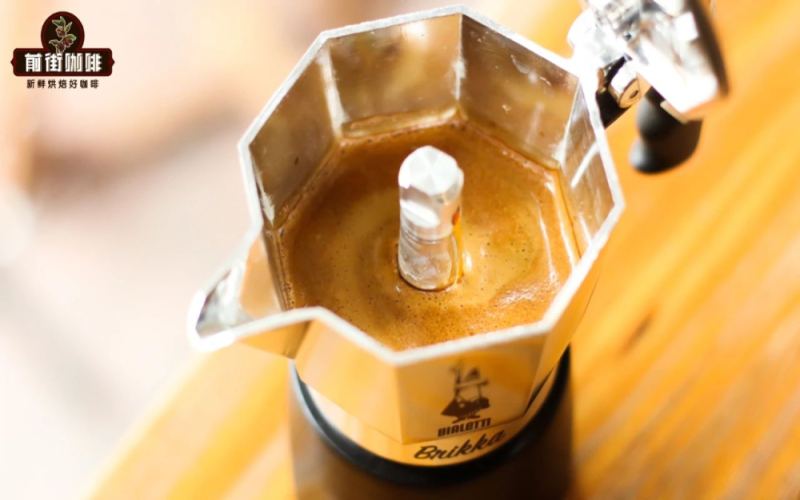
Moka Pot Coffee Guide: Brew Rich Flavor Without an Espresso Machine & Bean Selection Tips
Don’t have an expensive espresso machine at home but still want to enjoy a rich, full-bodied cup of coffee? The moka pot is an economical and practical home brewing option. Through a simple pressurized brewing process, it can produce a brew close in flavor to espresso, making it ideal for making Americanos or lattes. However, to truly unlock the moka pot’s potential, the key lies in choosing the right coffee beans. This article will explain in detail how to select the appropriate beans based on roast level, flavor characteristics, and freshness, along with practical tips to help you get started with ease. [more…]
Can a Moka Pot Make Espresso? Single-Serve Capacity, Brewing Techniques, and Crema Analysis
The Moka pot is a classic choice for many households and coffee enthusiasts. With its timeless design and simple operation, it can brew coffee with a rich flavor. But does it truly produce the same espresso as you’d get in a café? This article will delve into the origins and working principles of the Moka pot, explain how to use it for both single and multiple servings, explore why coffee brewed with a Moka pot often lacks crema, and offer practical advice on grind size, water temperature, and bean selection to help you better understand this classic brewing device. [more…]

Complete Moka Pot Guide: From Coffee-to-Water Ratio to Crema Enhancement, Pressure Variants & Bean Recommendations
Want to brew espresso at home that tastes close to what an espresso machine can make? The moka pot is the most economical and beginner-friendly choice. This article details the construction principles, proper operation procedures, and safety tips for using a moka pot. Step by step, it guides you through key techniques such as coffee-to-water ratio, grind size, and heat control. It also recommends medium-dark roasted blends and single-origin beans tailored for crema extraction, while analyzing the design upgrades and actual brewing differences of Bialetti’s new pressurized dual-valve moka pot. [more…]
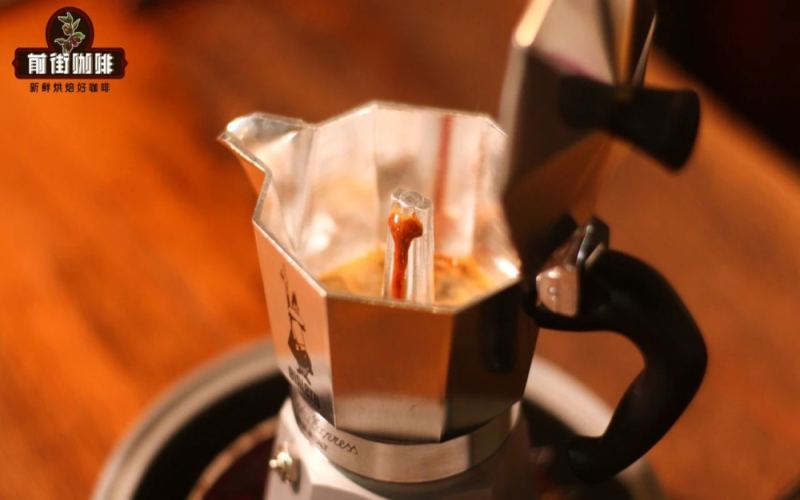
Moka Pot Extraction: The Key to Crema – Single Origin vs Blends & A Complete Latte Guide
Many coffee enthusiasts find that the crema produced by their moka pot is not as rich as that of espresso. This article delves into the structure and extraction principles of the moka pot, explores the conditions for crema formation, and compares the suitability of Italian-style blends versus single-origin beans. It also provides practical steps for making a latte with a moka pot along with safety tips, helping you consistently brew coffee with a thick, rich crema at home. [more…]
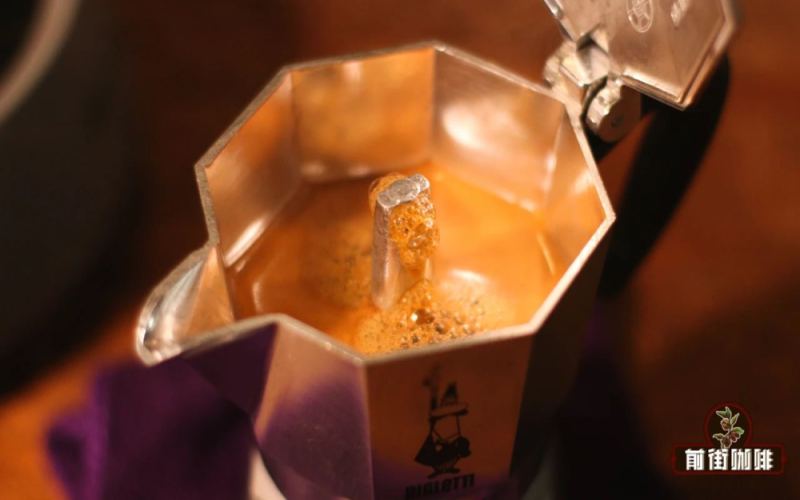
Moka Pot Brewing Guide: The Key Impact of Grind Size, Coffee-to-Water Ratio, and Crema Flavor
Want to brew rich and balanced coffee with a moka pot but always unsure how fine the grind should be or how much water to add? This article delves into the selection of moka pot grind size, control of coffee dosage and water volume, as well as how brewing details affect crema and flavor. From basic settings to common troubleshooting adjustments, it helps you master each step precisely to achieve better coffee flavor. [more…]
Complete Guide to Grind Size for Pour Over & Espresso: Sieve Passing Rate, Crema Formation & Extraction Parameters
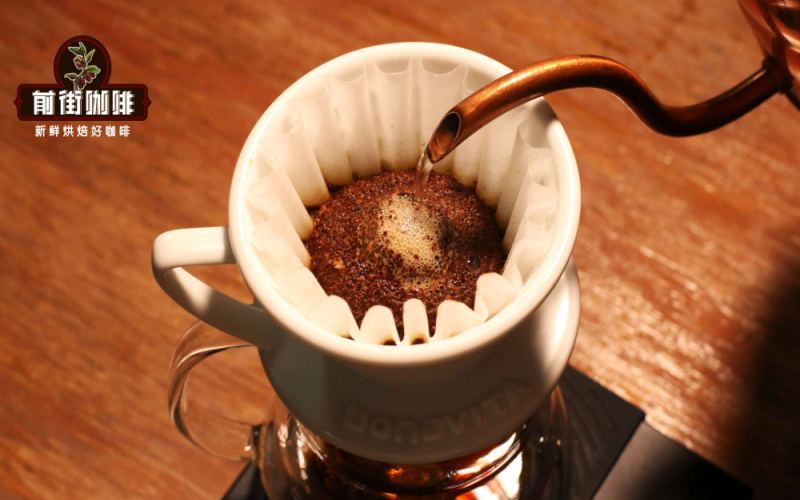
Grind size is a core factor influencing the release of coffee flavors. Whether it's pour over or espresso, different levels of coarseness or fineness directly determine extraction efficiency and the final taste. This article delves into the grind standards suitable for medium-light and medium-dark roasted pour over coffee, teaches you how to use a 0.85mm No. 20 sieve to test the passing rate, and explores how extremely fine espresso grinds and grinder burr spacing affect extraction time. It also explains the principle behind crema formation in moka pots, helping you precisely adjust your grind. [more…]
How to Grind Coffee for Pour Over, Moka Pot, and Espresso? A Complete Guide to Grind Size and Extraction Parameters
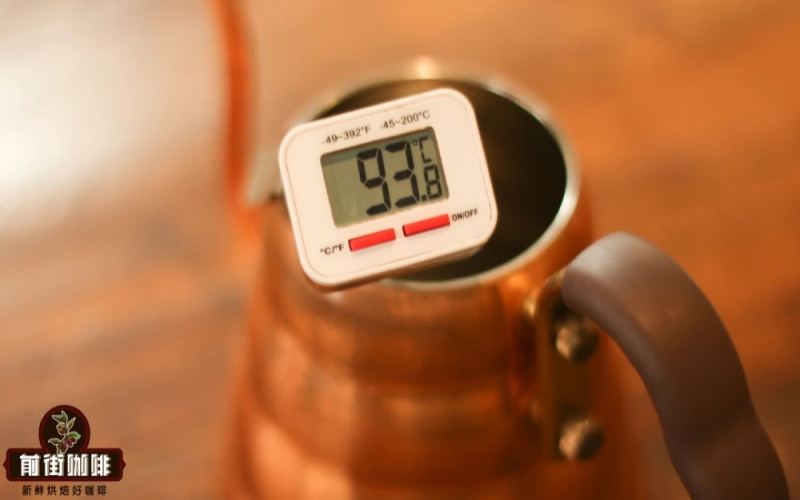
Grind size is one of the core factors that influence coffee flavor—grinding too coarse or too fine can lead to imbalanced extraction. This article provides a detailed breakdown of the ideal grind sizes for three common brewing methods: pour over, espresso, and moka pot. It includes practical parameters such as yield ratio, water temperature, and brew time, along with sifting verification techniques and adjustment tips to help you master the art of grinding for each brewing device. [more…]