







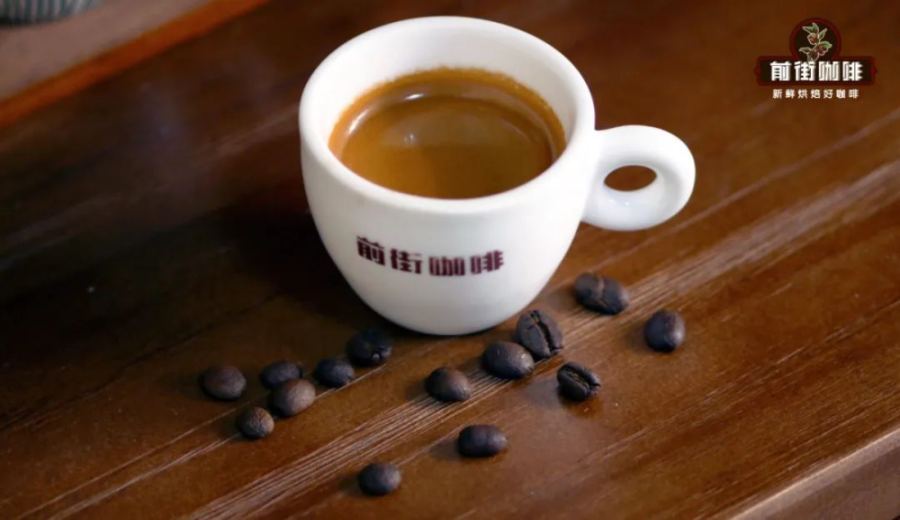
Introduction:The essence of espresso lies in the precise control of multiple variables. This article delves into the evolution from early machines to modern equipment, thoroughly exploring nine key factors such as water pressure, water temperature, grind size, and dose, and provides professional steps and standard parameters using the classic example of 20g dose yielding 40ml espresso, helping you master the skills to produce espresso with rich crema and balanced flavor.
Espresso may seem simple, but it actually involves numerous variables and professional knowledge. This article will start with historical evolution, comprehensively analyze the core elements that affect espresso quality, and through practical cases, take you in-depth to understand how to stably extract espresso with balanced flavor and rich crema.
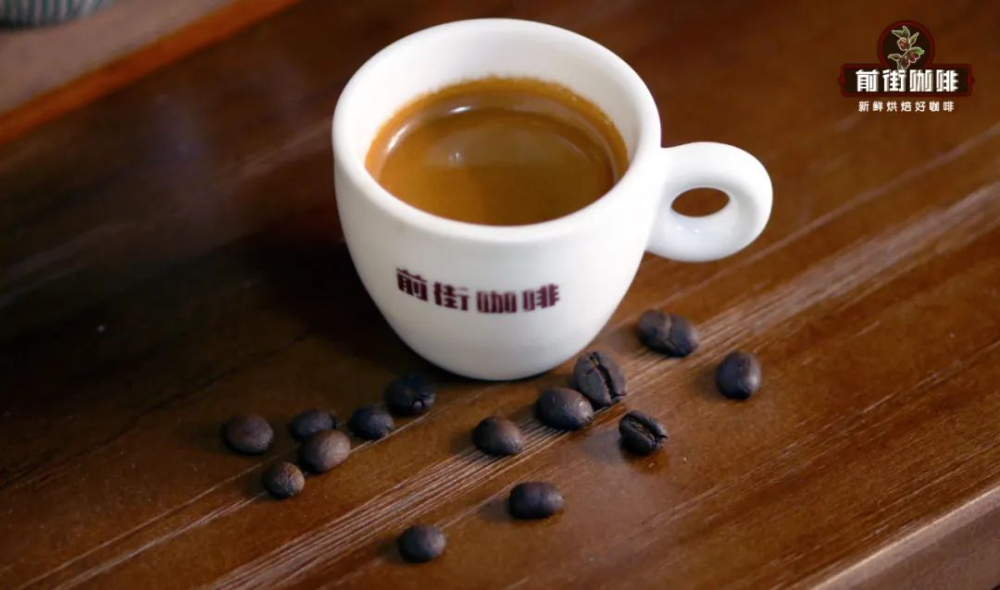
Many people’s first impression of espresso is intense bitterness, which often stems from parameter deviations during the brewing process. Although the operation itself is not complicated, to consistently achieve ideal results, one must master several key variables. Next, we will detail each stage of espresso extraction.
The earliest espresso machines were born around 1901. With the advancement of the European Industrial Revolution, the technology for making coffee with machines emerged. Milan inventor Luigi Bezzera applied for a patent for a device equipped with multiple independent group heads, allowing individual handles filled with ground coffee to be installed one by one for quick service. In 1905, Desiderio Pavoni acquired the patent and produced the first commercial model, the Ideale. According to records, this early commercial machine had a group head temperature as high as 140°C, a pressure of 7.5 bar, and an extraction time of about 45 seconds.
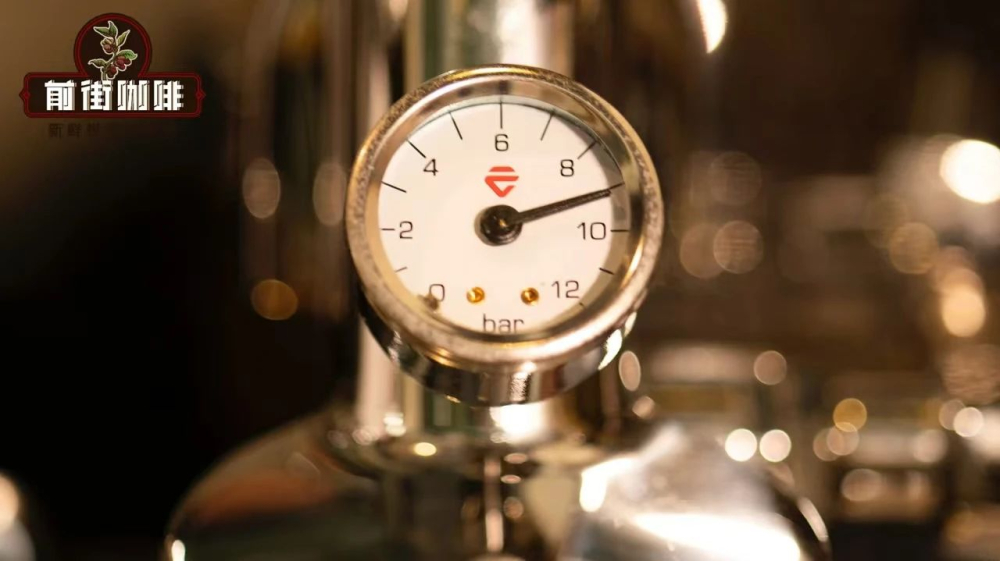
Modern espresso machines use 92°C hot water, passing through an extremely finely ground layer of coffee at 9 bar high pressure, thereby extracting the essence of the coffee. The enticing crema on the surface of espresso is precisely the product of the 9 bar pressure. In contrast, coffee made under the earlier 7.5 bar pressure has a concentration and flavor more akin to today’s drip coffee. The term "Espresso" was included in the Italian dictionary around 1920, defined as "concentrated coffee made by pressure or filtration."
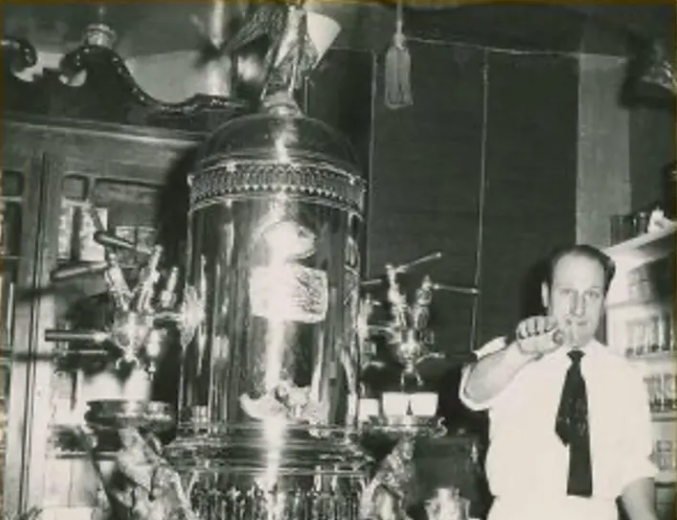
In the 1930s and 1940s, although coffee consumption in Italy declined somewhat, espresso machine technology continued to advance. In 1947, the manually pressurized espresso machine was introduced, capable of more fully extracting the oils and colloids from the coffee grounds, and crema thus became the soul of espresso. In 1961, the Faema E61 model was launched as the world’s first semi-automatic machine, regarded as the foundational work of the modern espresso machine.
Next, we’ll use a classic espresso blend as an example to demonstrate the standard process of making 20g dose yielding 40ml espresso. This recipe blends beans from Brazil, Indonesia, and Vietnam, using a dark roast that can fully showcase a rich aroma and form a thick, velvety crema, making it very suitable for both Americano and milk-based drinks like lattes.
This time we’re using the Lelite V3 espresso machine, with the following standard parameter ranges: water temperature 90.5~96°C, extraction time 25~33 seconds, brew ratio 1:1.7~1:2, dose 20g, single shot yield 20ml (double shot 40ml).
The first step is to fill the coffee grounds. Determine the dose based on the portafilter basket capacity. When using 20g as the standard, each extraction must be accurately weighed to 0.1g.
The second step is distribution. Distribute the ground coffee evenly in the portafilter, ensuring a flat surface and no gaps at the edges. This step directly affects the tamping effect and extraction uniformity.
The third step is to install the portafilter and begin extraction. Though the process may seem simple, it actually includes nine key influencing factors.
【Water Pressure】
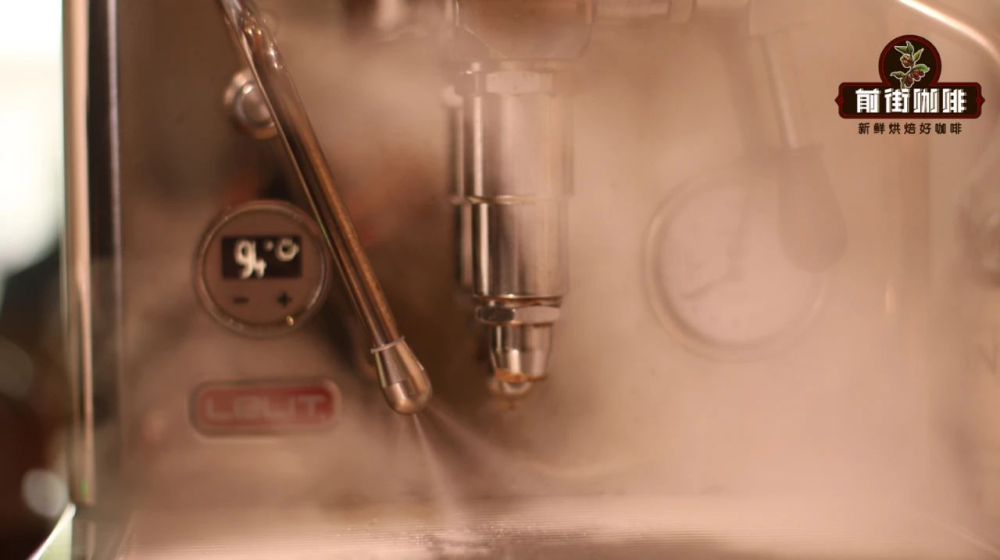
The ideal extraction pressure is9bar, which is the industry-recognized optimal air pressure value.
【Boiler Pressure】
Boiler pressure affects water temperature and steam strength. It is usually maintained at1baror so, but this figure is debated, with different baristas having varying opinions.
【Water Temperature】
The recommended range is90~92°C, which can be fine-tuned according to bean characteristics. Some equipment supports precise settings, and baristas can adjust based on personal preference.
【Tamping Force】
Tamping techniques vary by individual, but using a calibrated tamper can help maintain consistent pressure.
【Coffee Grind Size】
Influenced by climate, roast level, freshness, and other factors, it needs to be adjusted based on actual conditions. "The correct approach is to continuously optimize the grind size."
【Dose】
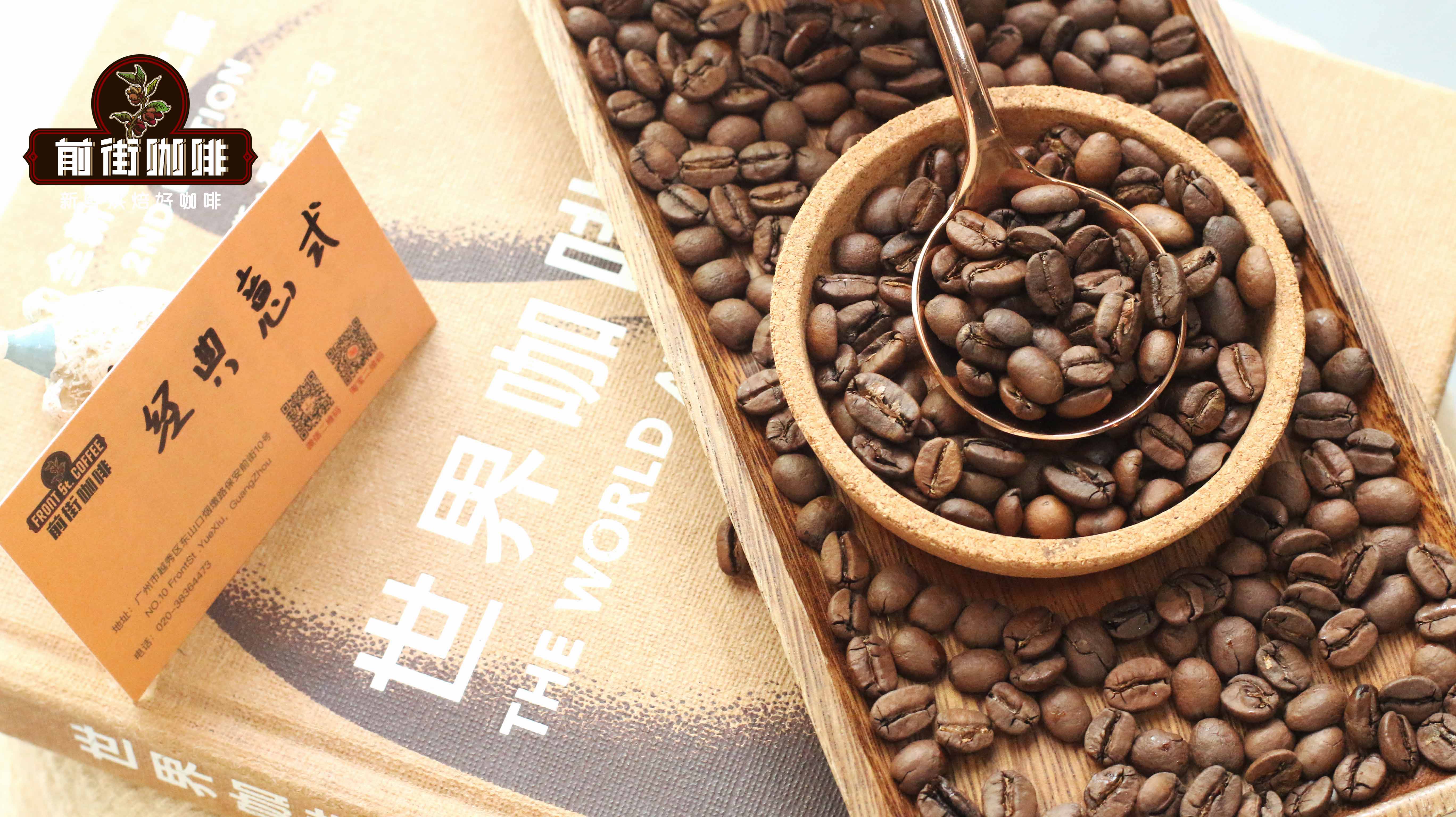
Portafilter baskets are typically designed to accommodate a 20g dose. Too little dose can lead to under-extraction, while too much may obstruct water flow and cause over-extraction.
【Extraction Time】
The standard range is25~28 seconds, but adjustments should be made based on tamping, dose, and grind size.
【Yield】
Taking 20g dose yielding 40ml liquid as an example, with a brew ratio of 1:2. Yield directly affects concentration—too much leads to thinness and bitterness, too little results in excessive thickness.
【Crema】
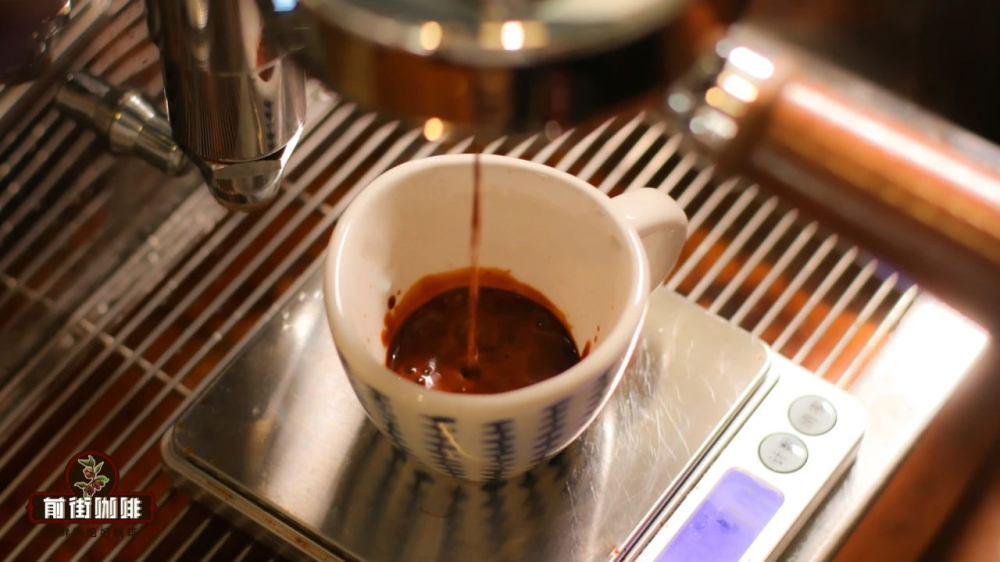
High-quality crema should appear thick with a golden to brown hue. The state of the crema reflects the bean’s freshness, roast level, and grind parameters, and is an important indicator for evaluating extraction quality.
The above content is compiled by CoffeeHunters, a coffee news website.


