







Introduction:What should you do if the coffee powder you’ve stocked at home has passed its best-before date? Can unopened packages still be consumed? This article delves into the actual impact of expired coffee powder from both food safety and flavor perspectives, explaining why freshness is crucial to extraction. In addition to offering brewing adjustments for stale coffee, we also share three practical and eco-friendly ways to repurpose leftover coffee grounds so you can make the most of every batch.
Many coffee enthusiasts have faced a similar situation: buying a large quantity of coffee beans during a promotion or delaying consumption due to a busy lifestyle, only to realize when they finally remember that the coffee powder has long exceeded the optimal consumption date on the package. So, can these unopened coffee powders still be consumed after expiration? What specific changes occur in their flavor? This article will explore in detail from both food safety and flavor aspects, provide brewing suggestions for stale coffee, and share three environmentally friendly and practical ways to give your leftover coffee a second life.
Many coffee lovers understand that freshly roasted coffee beans can deliver the richest layers of flavor and aroma. However, over time, the carbon dioxide inside the beans gradually dissipates, and key aromatic compounds also fade away. When these gases are almost entirely lost, the coffee enters what is known as a “stale” state, and the resulting brew often tastes flat, far from the enticing profile it had when freshly roasted.
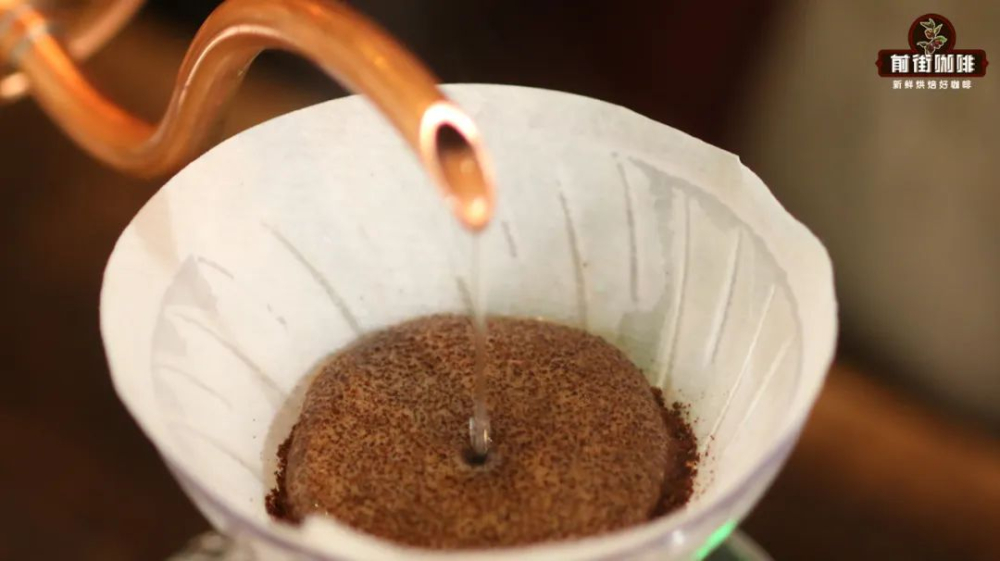
Generally speaking, roasted coffee beans can retain most of their flavor within about 60 days. Some coffee aficionados who are particularly strict about flavor even consider 30 days as the turning point. Based on practical experience, as long as the storage conditions are appropriate—such as being well-sealed, light-proof, and moisture-resistant—most coffee beans can still maintain decent drinking quality within forty to fifty days without significant flavor deterioration. However, if the package is not resealed promptly after opening, the coffee may begin to lose its vibrancy after around 30 days. During blooming, the coffee bed no longer expands noticeably, which is a common sign that the beans are starting to go stale.
It’s important to clarify that while stale coffee beans do significantly diminish in flavor, from a food safety standpoint, properly stored roasted coffee beans are generally safe to drink for up to about a year. Although the flavor cannot be fully restored by any means, we can adjust brewing parameters to make the taste more palatable.
For example, stale coffee beans often show weak reactions during the blooming phase, with little to no noticeable change in the coffee bed after pouring water. Many people assume that blooming is merely for releasing gases, so they skip this step for stale beans. However, proper blooming is actually essential for evenly saturating all the coffee grounds—from the surface to the core. As gases are released, the coffee grounds expand, temporarily compressing the gaps between particles, which helps slow down the water flow and allows more time for the water to penetrate deeper into the coffee bed.
But with stale coffee beans, since there’s almost no reaction after pouring water, the water quickly flows through the gaps between the particles and straight into the bottom chamber, failing to effectively infiltrate the interior. As a result, the surface may appear wet, but the inside remains dry, and the brewed coffee naturally lacks the intended aroma and complexity.
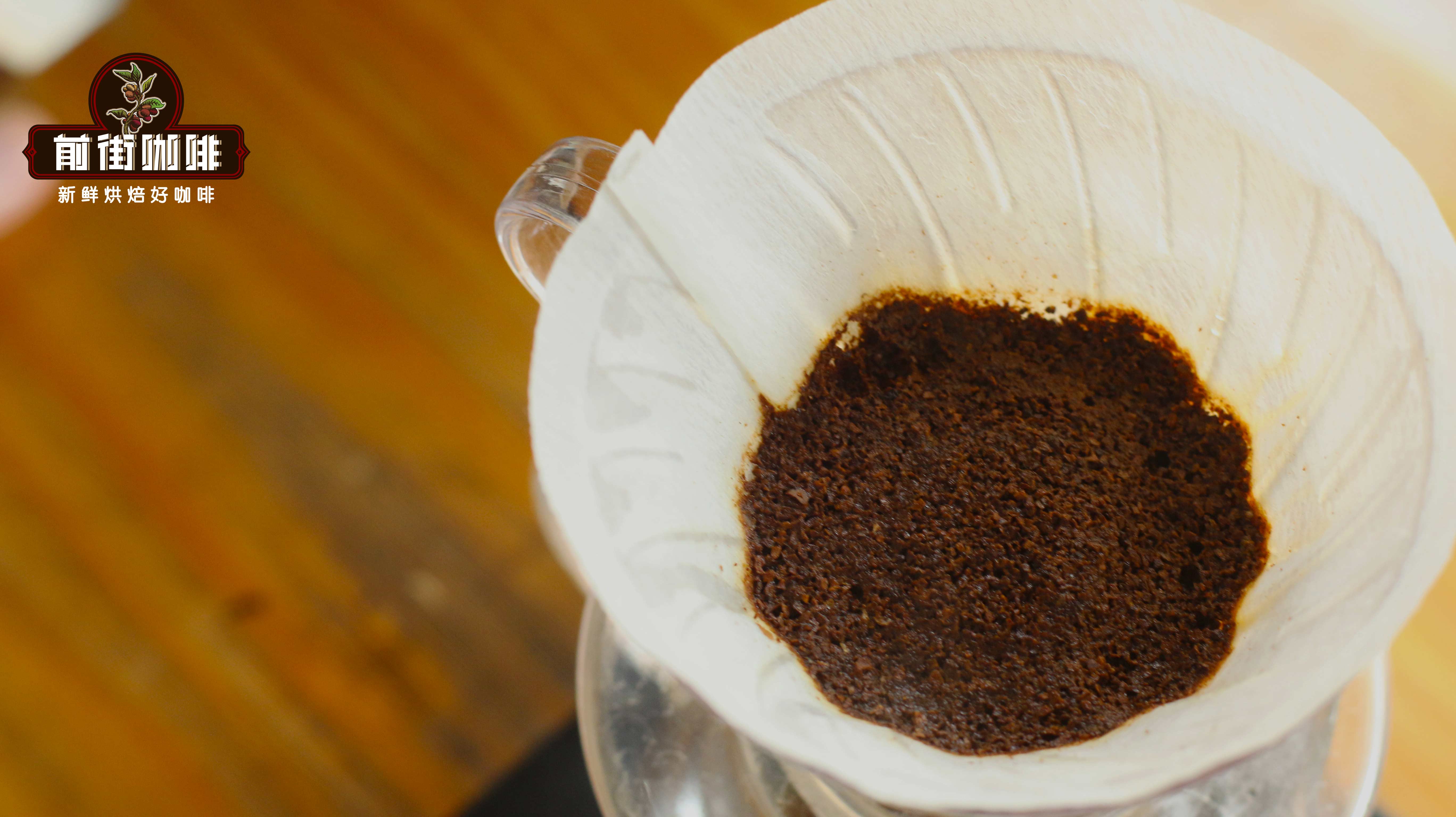
Additionally, during subsequent pours, the lack of gas release leads to thinner crema, and the coffee grounds tend to settle quickly at the bottom, which may clog the shower screen and lead to over-extraction, producing unwanted bitterness and off-flavors.
To address this, the following brewing adjustments are recommended: First, consider using a slightly coarser grind than usual—for example, if you typically use EK 10, adjust to 10.5. This helps avoid channeling and the resulting bitterness and off-flavors caused by an overly dense coffee bed. During the blooming phase, use a smaller water stream and extend the pouring time. For instance, when pouring 30 ml of water for 15 grams of coffee, control the pouring time to around 13 seconds, then let it sit for 5 to 7 seconds, maintaining a total blooming time of about 20 seconds. The subsequent pouring steps can follow the usual routine, but be careful not to make the circular pouring motion too wide, as this may disrupt the already limited coffee bed structure. Also, avoid raising the water level too high—since stale coffee grounds are less active and tend to settle quickly, a high water level without sufficient coffee bed support may cause the water to flow directly along the brew basket’s spine, further compromising the overall flavor profile.
While these adjustments can improve some extraction issues caused by staleness, they cannot fully restore the flavor characteristics that have already been lost.
If the coffee beans not only have declined in flavor but have also exceeded the expiration date indicated on the package, it is advisable not to use them for brewing. Instead, consider the following three practical and eco-friendly ways to repurpose them.
First is odor absorption. Placing coffee grounds in an ashtray not only helps absorb the smell of smoke but also releases a faint coffee aroma when extinguishing cigarettes. Many coffee shops use this method with noticeable results. If your oven is used frequently and accumulates grease and odors, placing a tray of coffee grounds inside during baking can help remove lingering food smells. For households with pets, sprinkling some coffee grounds after cleaning up pet waste can also effectively reduce unpleasant odors.
Second is cleaning use. Wrap ground coffee in cheesecloth and use it to wipe stovetops and pot lids to help remove stubborn stains. You can also use brewed expired coffee liquid to clean sinks and toilet pipes, providing a certain level of cleaning and deodorizing effect. Various household items can be cleaned daily using expired coffee beans.
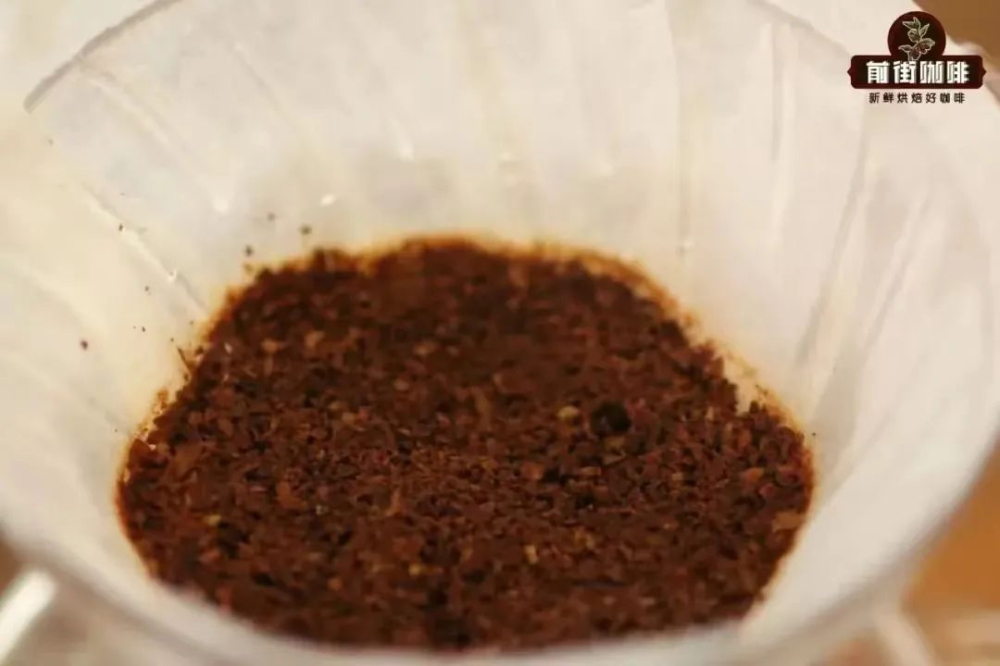
Third is as plant fertilizer. Coffee beans are naturally rich in nutrients needed by plants. Crushing expired coffee beans and sprinkling them into flower pots can not only naturally decompose to provide nutrients but also avoid producing unpleasant odors. Surrounding the base of plants with a ring of coffee grounds can also help deter pests, contributing to the health of potted plants.
The above content is compiled by CoffeeHunters, a coffee news website.


