







Introduction:Faced with hundreds of coffee bean options on the market, beginners often don’t know how to choose. This article delves into three core aspects—freshness, regional characteristics, and roast styles—to analyze the key factors that influence coffee flavor. It also provides practical advice and highlights common misconceptions to help you find the beans that best suit your taste and brewing method, whether you prefer pour over, French press, or a moka pot.
Making the right choice among the wide array of coffee beans is indeed a challenge for many novice coffee enthusiasts. However, by mastering a few key points, you can significantly increase your chances of selecting high-quality beans. This article will start with assessing freshness, explore the flavor profiles of different regions, analyze the differences between single-origin and blended beans, and explain the characteristics of light, medium, and dark roasts, step by step guiding you to pick the beans that are perfect for you.
Freshness is the first checkpoint of coffee quality
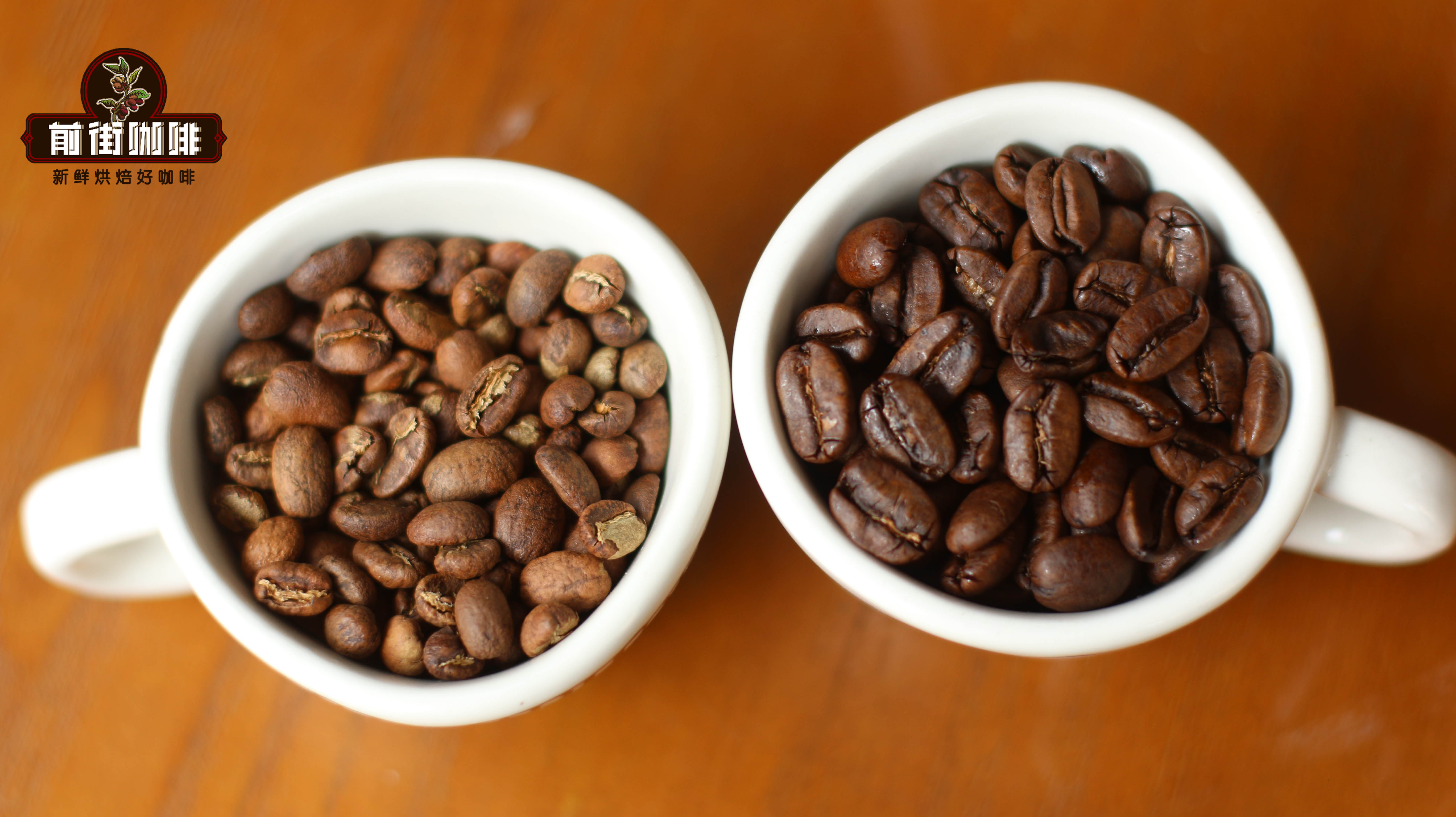
To enjoy a cup of coffee with great flavor, freshly roasted beans are absolutely essential. When selecting, be sure to check if the packaging clearly indicates the roast date rather than just an ambiguous best-before date. It’s recommended to choose beans that have been roasted recently (ideally within one week) and are packaged with a one-way valve. This design allows the carbon dioxide released by the beans to escape while preventing oxygen from entering, thus slowing down aroma loss. For example,a one-way valveis often seen as a small button-like opening on high-quality coffee bags, helping the coffee maintain better condition during transport and storage.
It’s worth mentioning that about50 daysafter roasting, most of the coffee’s aroma gradually dissipates. Even if the beans are of high quality, it becomes difficult to brew a satisfying cup. Therefore, it’s advised to enjoy them within their optimal drinking window to experience the truest flavor expression of the coffee.
No matter which roast level you prefer, mastering the basic principles of selecting fresh coffee beans is an important step toward elevating your coffee experience.
Exploring Flavor Profiles by Region
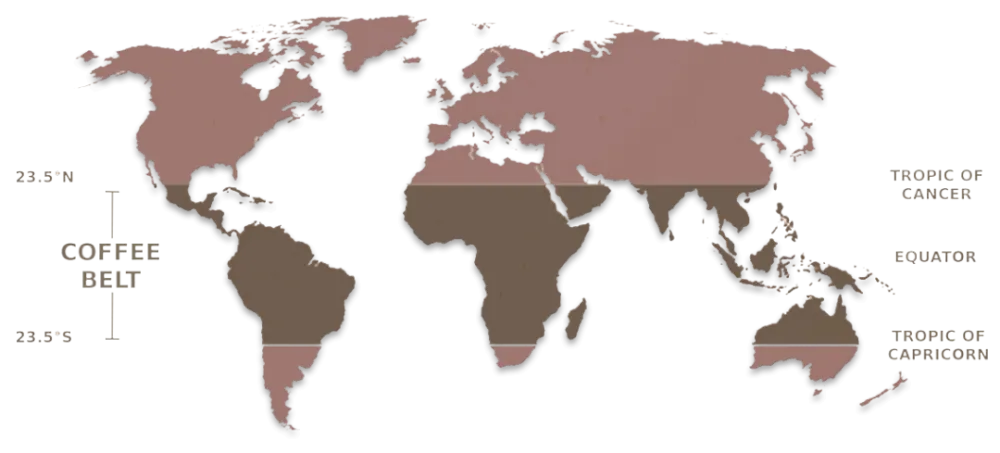
Coffee flavor is influenced by multiple factors including climate, altitude, growing environment, and post-harvest processing methods, and different regions produce distinctly unique characteristics. Understanding the flavor profiles of major coffee-growing regions can help you more quickly find beans that match your taste.
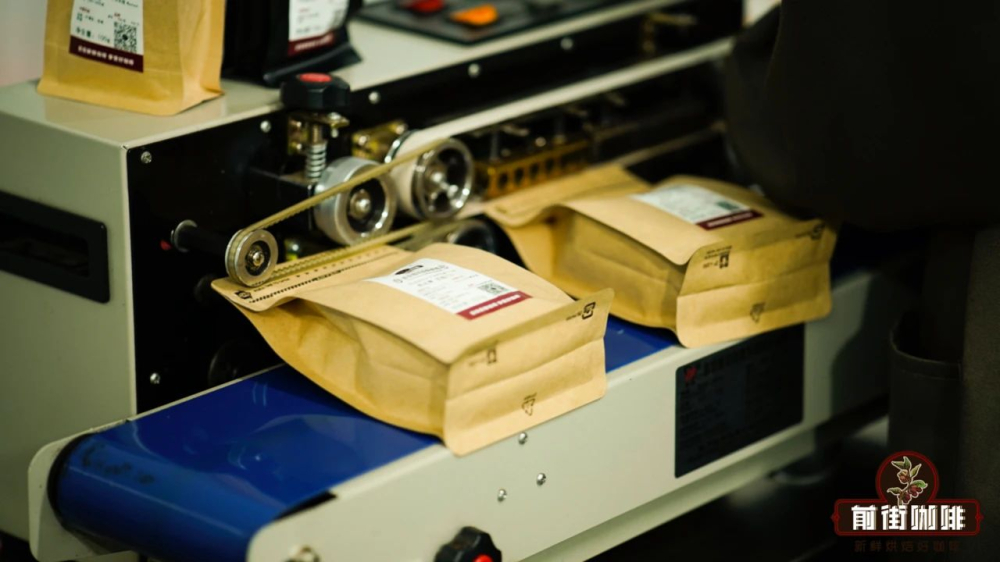
Central and South Americacoffee typically offers noticeable sweetness and caramel aromas, with mild acidity and a medium body, making it ideal for those who enjoy balanced flavors. Representative regions such as Tarrazú in Costa Rica, Huila in Colombia, and Brazilian Red Bourbon are all excellent choices to try.
Africancoffee is known for its rich fruitiness and bold aromas, with bright yet non-harsh acidity, layered complexity, and relatively low bitterness, delivering a notably refreshing taste. Beans such as Ethiopia’s Guji, Kenya, and the renowned Uganda Huakai are highly representative and perfect for coffee lovers seeking bright fruity notes.
Asiancoffee leans toward a rich and bold profile, often featuring pronounced bitter and herbal tones, suiting those who prefer heavier mouthfeel. Among them, Indonesia’s Mandheling is the most typical representative of Asian flavor. Though opinions on it are divided, its distinctive character has earned it a loyal following.
Choosing Between Blended and Single-Origin Beans
The choice between blended and single-origin beans largely depends on whether you’re seeking consistent, uniform flavor or want to explore the unique personality of each bean. Most roasters believe that blends combine beans from different regions to deliver a more balanced and consistent taste, especially suitable for espresso or moka pot brewing. For example, classic Italian blends usually offer rich crema and full-bodied flavor, making them well-suited for pairing with milk or crafting lattes and other specialty drinks.
If you’d rather savor the original flavor of a single origin, single-origin coffee is the better option. Various brewing methods such as pour over, siphon, Drip Press, or even cold brew can bring out the diverse flavor layers of single-origin beans. Feel free to try a variety of blends and single-origins, and through actual tasting, discover the one that suits your taste best. You can also consult with professional baristas who can recommend options based on your preferred flavor profile.
Flavor Differences Across Light, Medium, and Dark Roasts
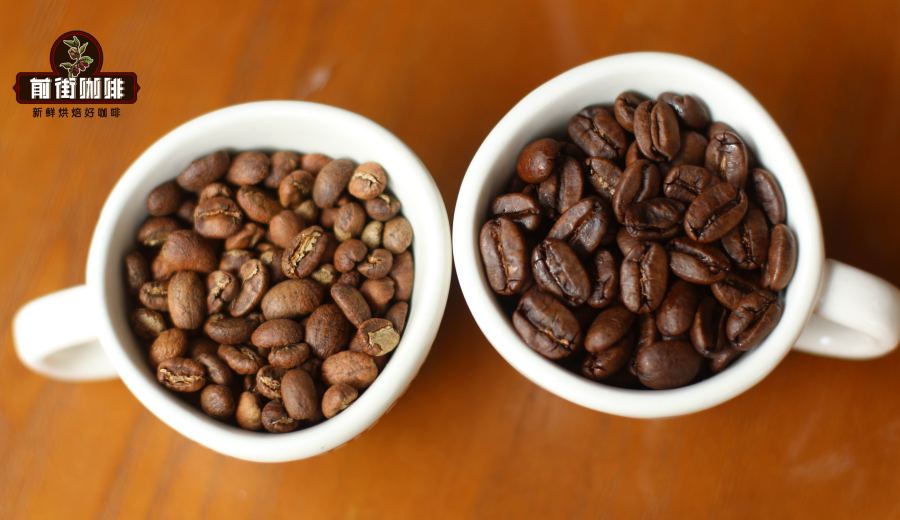
Roast level is one of the most critical factors influencing coffee flavor. It is generally divided into light, medium, and dark roasts, each offering distinctly different acidity, mouthfeel, and suitability for various brewing methods.
Light roast coffee retains the most of its original characteristics, with pronounced and layered acidity, featuring bright notes such as floral, citrus, or berry, making it ideal for those who value acidity and fruity notes. Recommended brewing methods include pour over, siphon, Drip Press, or cold brew, which can better showcase its delicate flavors. For instance, a certain Flower Butterfly is a popular representative of light roast.
Medium roast sits between light and dark roast, balancing acidity and bitterness with a rounded mouthfeel, suitable for most brewing devices such as French press, moka pot, or pour over. Medium roast beans are great for everyday drinking, offering both aroma and smoothness. Certain brands’ Sidamo, Paradise Bird, and Yunnan small beans are classic examples of medium roast.
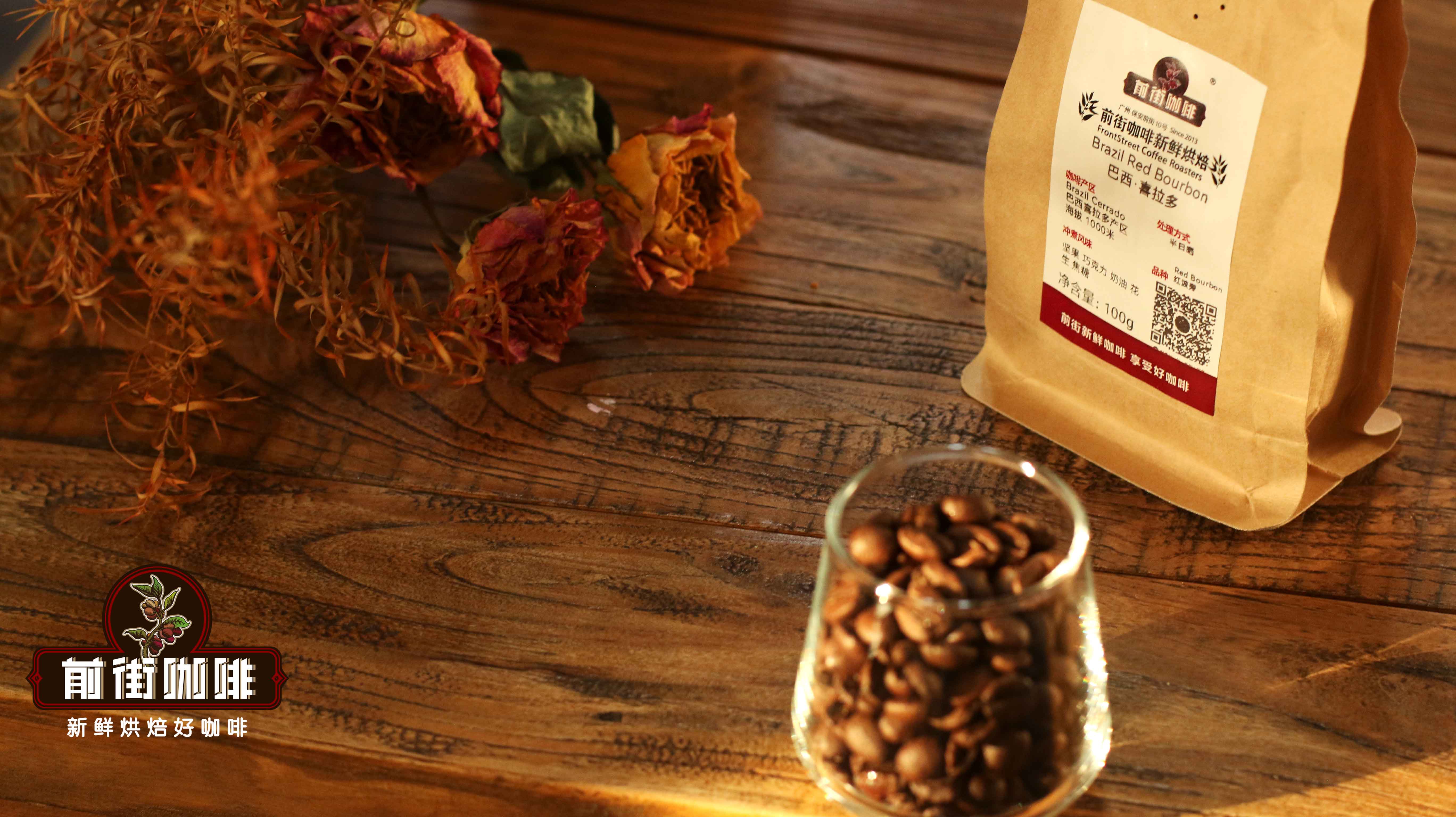
Dark roast coffee emphasizes a rich and bold mouthfeel, with low acidity but intense chocolate, caramel, or nutty aromas, suiting those who prefer strong flavors and a heavy body. It is commonly found in commercial blends and serves as the base for many espresso drinks. However, it’s worth noting that dark roast beans are not suitable for over-extraction, as this can easily result in bitterness.
In summary, it’s recommended to choose the roast level that best fits your usual drinking habits and preferences. If you want to explore more nuanced flavors, try beans with different roast styles and gradually discover the one that suits your palate the best.
The above content is compiled by CoffeeHunters, a coffee news website.


