








Introduction:Gain an in-depth understanding of the core definition of single-origin coffee, explore the unique flavor profiles of the three major producing regions—from Africa to Asia and Latin America—and analyze the flavors of specific beans such as Yirgacheffe, Lintong Mandheling, and Brazilian Red Bourbon to help you choose the right pour-over coffee beans based on your personal preferences. This article also provides practical references to make bean selection a more confident process.
So-called single-origin coffee refers to coffee beans that can be clearly traced back to a specific origin, detailed down to the country, region, or even individual farms. This traceability is not limited to knowing which country the coffee comes from, but can also pinpoint the exact altitude and microclimate where it was grown, along with an understanding of the local soil conditions and processing techniques—ensuring every sip has a traceable origin.
For coffee enthusiasts who delve into the subject, the value of single-origin coffee lies in being able to trace it back from the region, altitude, and processing method to the specific farm, rather than just a general regional name. For instance, many commercial products may be labeled as coming from a well-known region, but due to subtle differences in altitude, microclimate, and processing methods, the actual flavors can vary greatly. Therefore, choosing coffee beans that clearly indicate regional details such as farm name, altitude, and processing method often results in a more consistent and high-quality tasting experience.
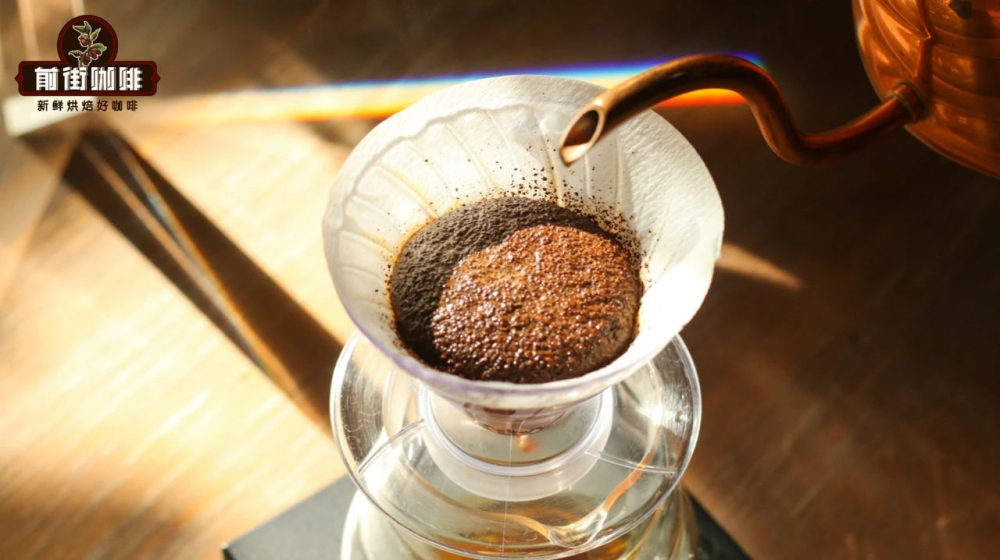
The so-called regional flavor is actually the result of multiple factors working together. As a crop, coffee is significantly influenced by its growing environment—including altitude, temperature, rainfall, soil composition—as well as the planted variety and post-harvest processing techniques, all of which greatly affect the final flavor profile. Take Arabica, commonly used for pour-over, as an example. It can be further divided into varieties such as Typica and Bourbon, each with different flavor tendencies, further shaping the uniqueness of what we call “regional flavor.”
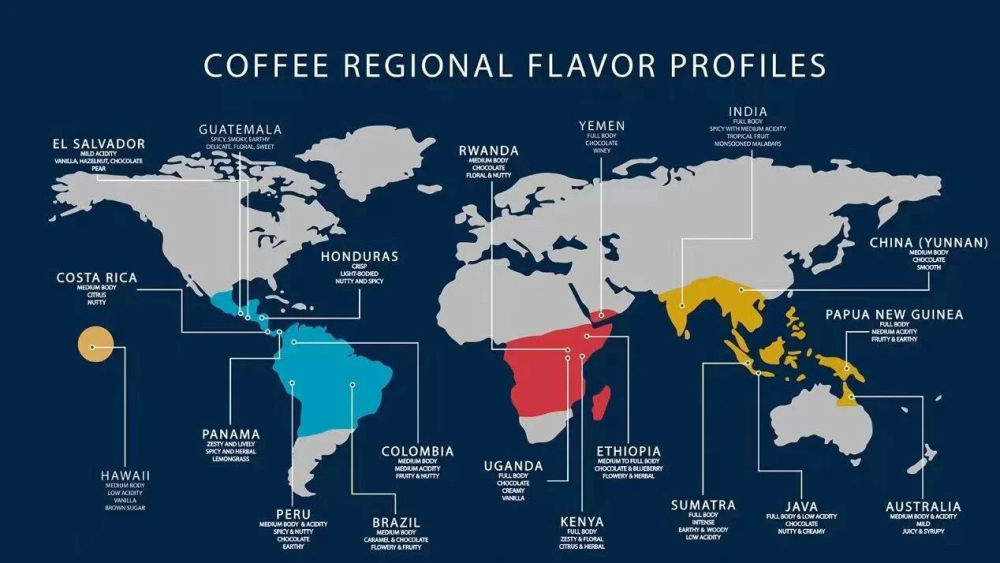
The world’s major coffee-producing regions can generally be divided into three areas: Africa, Asia, and Latin America, each showcasing distinctly different flavor profiles.
African coffees are known for their bright, vibrant acidity, often accompanied by intense fruity notes. For example, Ethiopia’s Yirgacheffe, with its classic washed processing method, highlights refreshing citrus, berry, and honey layers, paired with light floral aromas—it’s a top choice for many pour-over lovers. The altitudes here generally range between 1900 and 2300 meters, and the high elevation brings intense fruit acidity and complexity, making this bean a standout representative with exceptional flavor expression.
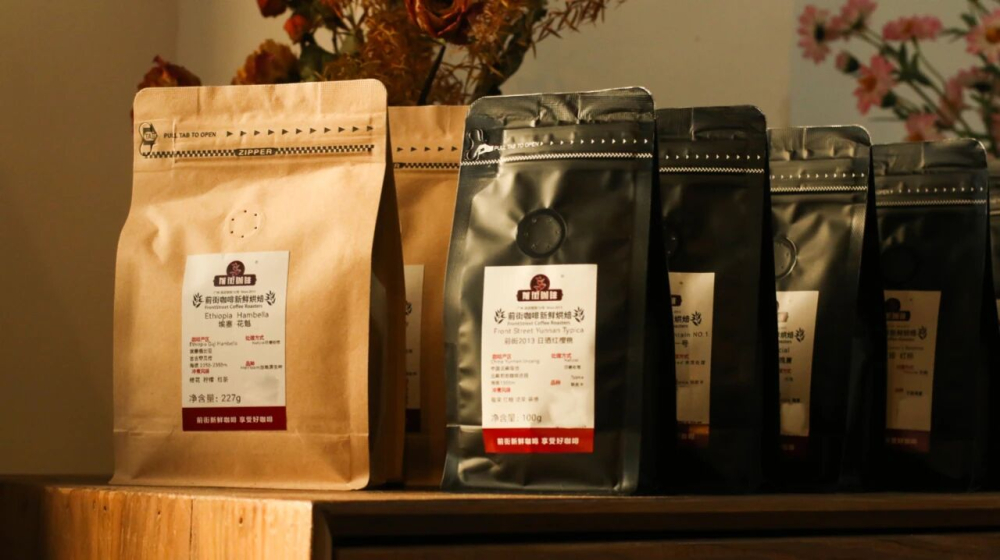
Turning to Asian regions, the coffees here showcase a distinctly different heaviness and spicy-herbal character. Indonesia’s Sumatra Lintong Mandheling, famous for its wet-hulled processing, delivers low acidity, a full body, and rich herbal, pine, and nutty tones, appealing to drinkers who prefer deeper flavors. The altitudes in this region are around 1100 to 1600 meters. The relatively lower altitude and unique processing method give the coffee a bold personality with earthy and spicy undertones.
As for the Latin American region, its flavor profile usually falls between the vibrancy of Africa and the heftiness of Asia, presenting a more balanced overall expression. Take Brazil’s Cerrado region as an example—the locally grown Red Bourbon variety, processed via honey or natural methods, often exhibits mild nutty, caramel, and creamy tones, suiting coffee lovers who prefer gentle sweetness. The altitudes here range approximately from 1400 to 1950 meters. With a stable climate and large diurnal temperature variations, the coffee cherries accumulate sugars, resulting in a rich, chocolatey foundation.
If you’re looking for an everyday pour-over bean that offers great value, it’s recommended to prioritize products that clearly indicate the region, variety, altitude, and processing method. This information helps you better understand the flavor direction and make choices based on your own taste preferences. Whether you’re a beginner or an experienced coffee enthusiast, understanding these regional characteristics and processing differences will enrich and enliven your pour-over experience.
The above content is compiled by CoffeeHunters, a coffee news website.


