







Introduction:Keemun Mao Feng black tea is one of the representative varieties of traditional Chinese Gongfu black tea, originating from Qimen County in Anhui Province. Since its creation in 1875, it has been renowned for its distinctive floral and fruity aroma. This article provides a detailed breakdown of its dry leaf appearance, liquor color, flavor characteristics, and optimal brewing techniques—including recommended temperature, steeping time, and teaware selection. It also analyzes the differences between Keemun Mao Feng and breakfast blends to help black tea enthusiasts advance from beginners to connoisseurs.
Keemun Mao Feng black tea is a classic among China’s premium Gongfu black teas, produced in the Qimen County area of Anhui Province. Its origins can be traced back to 1875, when Yu Ganchen introduced and adapted the Fujian black tea production method, laying the foundation for Gongfu black tea. Made from one bud and two leaves, the dry leaves are tightly rolled into fine twists with a deep hue, occasionally dotted with golden buds. The brewed liquor is rich in flavor, combining sweetness with delicate layers, making it an excellent entry point for appreciating high-quality Chinese black tea.
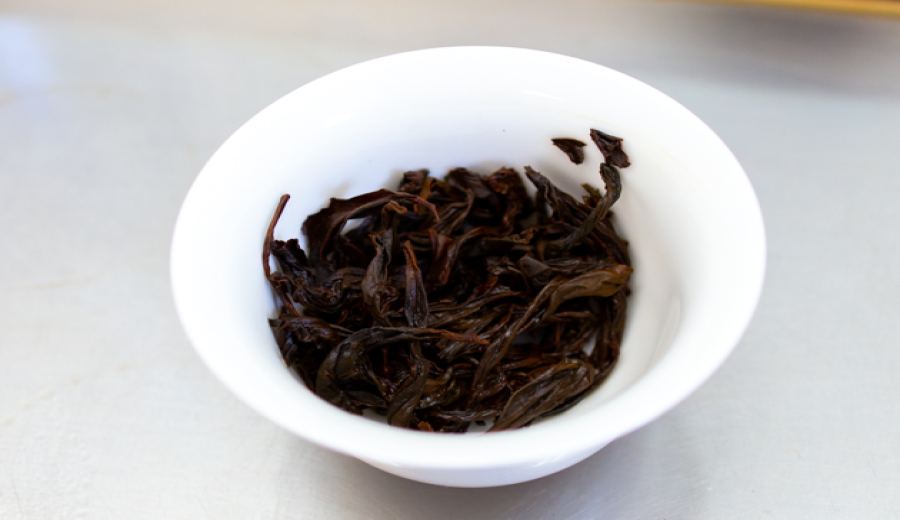
In terms of appearance, Keemun Mao Feng’sdry leaves are tightly rolled and small in size,featuring a naturally curled shape with a uniformly deep color. Under good lighting, you can clearly seescattered golden budsthroughout the leaves, indicating high-quality, tender raw material. In terms of aroma, even before brewing, you can detect asweet, floral-scenteddry leaf fragrance that is fresh and pleasant, hinting at the refined flavors to come in the liquor.
For optimal brewing, it is recommended to use aporcelain gaiwan—such teaware helps preserve the tea’s aroma while allowing precise control over water temperature and brewing time. The ideal brewing temperature is212°F (approximately 100°C),with the first infusion recommended to steep for30 secondsbefore pouring out. Subsequent infusions can gradually extend in duration based on personal taste preference. These parameters fully extract the tea’s intrinsic compounds without over-extraction, which could lead to bitterness.
In terms of liquor appearance, Keemun Mao Feng produces adeep reddish-brown color, even with a slight purplish-red sheenwhen viewed in a white porcelain cup—particularly captivating. In terms of flavor, the first sip reveals a distinctmalty sweetness and briskness,followed by the gradual emergence of rose floral notes and a subtle hint of spice (possibly clove). The overall mouthfeel is well-balanced,with minimal and well-controlled astringency,showcasing the finesse and layered complexity expected of high-quality black tea.
For those accustomed to the blended style of Western-style breakfast tea, Keemun Mao Feng offers an excellent opportunity to appreciate the refined nuances of Chinese Gongfu black tea. Compared to common breakfast blends, Keemun Mao Feng not only delivers a robust body and brisk character but also exhibitsthe layered complexity and aromatic variation characteristic of premium-grade black tea.It is best enjoyed as a pure tea, without the addition of milk or sugar, which could mask its delicate flavors.
For actual brewing, it is recommended to use about 3 grams of tea leaves per infusion, paired with 150 ml of hot water, using a gaiwan and the Gongfu brewing method to more accurately gauge the tea’s performance. Additionally, due to the high tenderness of Keemun Mao Feng’s raw material,it should not be over-steeped, as this may release excessive tannins and affect the overall smoothness. For those who prefer a more casual brewing approach, steeping in a large cup is also acceptable, though the water temperature should still be maintained at boiling point, with infusion time kept within 1 to 2 minutes.
Overall, Keemun Mao Feng black tea, with itsconsistent quality and easily recognizable flavor profile,is highly suitable for beginners looking to advance their black tea tasting skills, while also satisfying seasoned tea enthusiasts’ pursuit of detail and complexity. If you haven’t yet tried this classic Chinese Gongfu black tea, consider experiencing its unique charm through the standard Gongfu brewing method.
The above content is compiled by CoffeeHunters, a coffee news website.


