








Introduction:Italian-style blended coffee beans are the soul foundation for crafting classic coffees such as espresso and lattes. Through the artful combination of beans from different origins, they achieve balanced flavors and stable output. This article delves into the purpose of blending, the differences between pre-roast and post-roast blending, and helps you understand the trade-offs between SOE and blends. It also provides an in-depth analysis of the formulation logic and actual flavor profiles of four classic blend styles, helping you find the most suitable blended option.
As the name suggests, Italian-style blended coffee beans are composite beans made by blending single-origin coffee beans from different regions in specific proportions. This blending method is primarily used to make espresso, Americano, latte, and cappuccino, with the goal of achieving complementary flavors, balanced mouthfeel, and long-term consistency in quality. Compared to single-origin beans that emphasize the unique characteristics of a specific origin, blended beans focus more on overall harmony and integration, making them a common base for professional baristas and cafés.
The blending process can be divided into two methods: "pre-roast blending" and "post-roast blending." Pre-roast blending refers to mixing green beans from different origins in specific proportions before roasting them together, while post-roast blending involves roasting each type of bean separately to its ideal level before blending them according to the recipe. Both methods have their pros and cons. Pre-roast blending preserves the interactive effects between beans, whereas post-roast blending allows for individual roasting adjustments based on the characteristics of each bean, enabling each to reach its optimal potential.

The core purposes of blending coffee revolve around three aspects: First is flavor consistency. Since coffee beans are agricultural products, their flavors may fluctuate year by year due to factors such as climate and soil. By combining beans from multiple sources, the overall flavor profile can be stabilized, ensuring consistent performance in the final product year after year. Second is balanced mouthfeel. Especially when making espresso, the strong individual traits of a single bean (such as excessive bitterness or sharp acidity) can be amplified. Blending skillfully neutralizes these extremes, delivering a smoother taste experience. Lastly is stable output quality. For cafés, blended beans help reduce flavor fluctuations caused by seasonal changes, maintaining the reliability of menu offerings.
In recent years, Single Origin Espresso (SOE) has gained popularity. This type of coffee emphasizes the unique flavor characteristics of a single origin—for example, the citrus notes of Yirgacheffe or the pronounced fruit acidity of Kenyan beans—which can be showcased more vividly in espresso. However, although SOE offers distinctive flavors, it can also highlight certain drawbacks (such as overly sharp acidity or lack of body) due to its limited diversity, and it has lower tolerance for variations in roasting and grinding parameters. In contrast, blended beans, through the complementarity of multiple beans, often provide a more balanced and widely appealing taste, suitable for everyday drinking and commercial use.
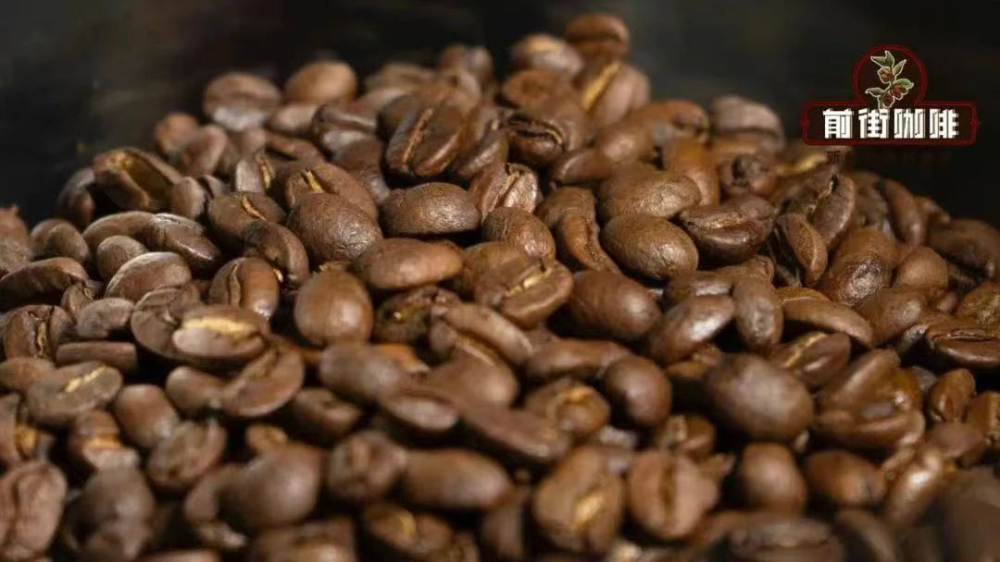
Next, we take an in-depth look at the formulation logic and flavor profiles of four classic Italian-style blends. First is the specialty blend direction, which commonly uses base beans from Colombia’s Huila region and Brazil’s Cerrado region. Colombian Huila, grown at high altitudes (1500–1800 meters), produces dense, plump beans. The washed processing method gives it clean, bright acidity, with common flavors including nuts, chocolate, and caramel. Its moderate acidity and notable sweetness make it a backbone component in many blend recipes, providing a solid mouthfeel foundation and rich aromatic layers.
Brazilian Cerrado beans, grown at lower altitudes (1000–1300 meters), have relatively softer bean texture and are typically processed using semi-dry methods. They offer a comfortable balance of bitterness and sweetness with a smooth mouthfeel. Their flavor profile is dominated by milk chocolate, grassy notes, and a rich body. In blends, this bean often plays a harmonizing role. Roasted to a medium depth (around first crack with slight adjustment toward second crack), it enhances the crema performance of espresso, delivering caramel sweetness and nutty aftertaste. The overall flavor is mild and non-irritating, with moderately full crema, making it suitable for milk-based coffees like lattes and cappuccinos.
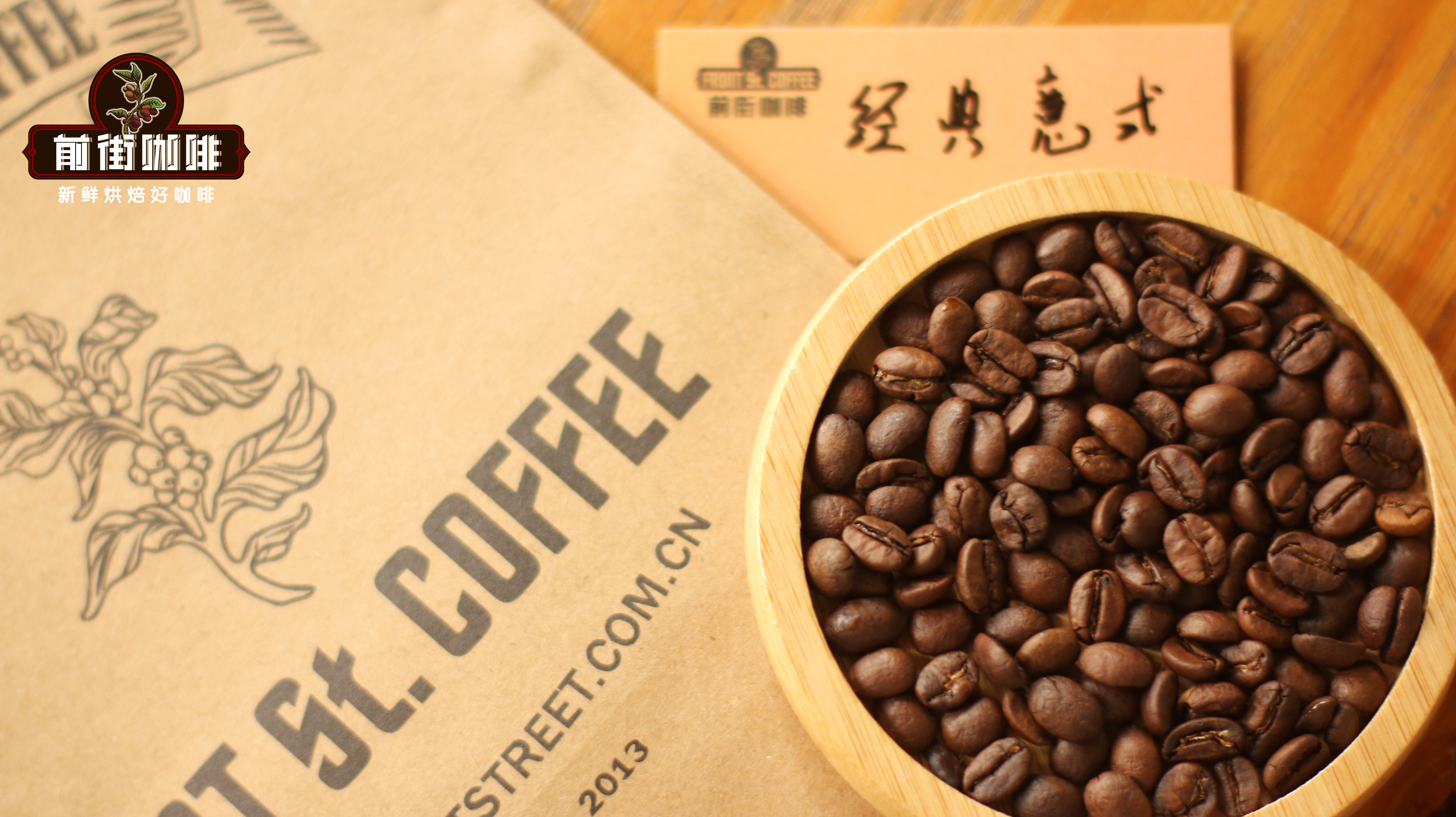
The commercial blend direction often incorporates Robusta beans. These beans are highly resistant to pests and diseases, with high yields. Their caffeine content (2.2%) is much higher than that of Arabica (1.2%), and they also have higher chlorogenic acid content. As a result, their flavor often features noticeable woody tones and strong bitterness. Although less refined when consumed alone compared to Arabica, Robusta can significantly enhance the body and crema richness of espresso in blends. It brings classic caramel sweetness and dark chocolate flavors, with a slightly sweet and bitter balance, and a long-lasting aftertaste. It is a practical choice for many commercial cafés when making milk-based coffees.
Finally, there is the increasingly popular dark cocoa blend direction, which often includes Yunnan AA beans. These beans belong to the Typica variety, originating from Ethiopia. Although they are less resistant to disease, have low yields, and are grown in Yunnan’s high-altitude environment (similar to Colombian climate conditions) with significant day-night temperature variations, they can exhibit rich and intense flavor characteristics. Yunnan AA beans are known for their soft fruit acidity, caramel sweetness, and dark chocolate notes. Their texture is smooth and viscous. Though their overall expression is relatively mild, they can add unique regional character to blends. In dark cocoa blends, these beans often serve as a harmonizing element, balancing the overall intensity of the flavor and delivering a delicate finish.
In summary, the key to a high-quality Italian-style blended coffee bean lies in the blender’s mastery of each bean’s characteristics and precise control over the roasting degree. Whether you’re aiming for a balanced and smooth everyday drink or a milk coffee with rich crema, understanding the roles and flavor contributions of beans from different regions can help you find the blend that best suits your taste.


The above content is compiled by CoffeeHunters, a coffee news website.


