







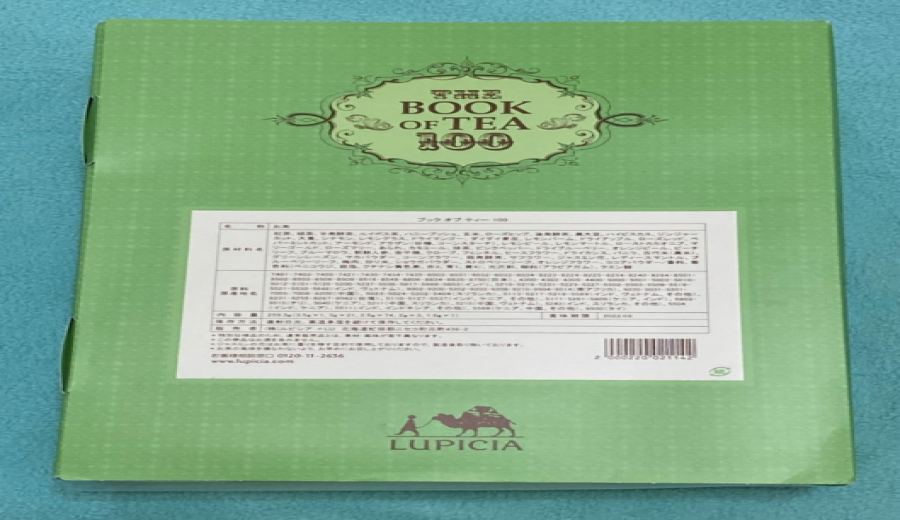
Introduction:The THE TEA BOOK 100 gift set launched by Lupicia features over a hundred tea bags, covering nine major categories including black tea, green tea, oolong tea, and flavored tea. This article provides an in-depth analysis of the origins and flavor profiles of various types of tea, along with tasting evaluations of well-known producing regions such as Taiwan tea, Ceylon, and Assam. It also introduces popular choices like Japanese green tea and aromatic flavored teas, offering practical purchasing advice and price references to help you find your ideal tea experience.
The THE TEA BOOK 100 gift set from Japan’s Lupicia is a carefully curated collection of a hundred tea bags, ideal for tea enthusiasts to sample a variety of flavors in one package. Not only does the box feature an exquisite design, but it also contains a rich and diverse selection of teas, spanning nine categories such as black tea, green tea, oolong tea, herbal tea, and flavored tea—each showcasing distinct regional characteristics and production techniques.
The gift set comes in high-quality packaging. The outer layer is wrapped with a belly band printed with the word 御礼 (meaning “honorable gift”), while the interior is housed in a lift-top thick paper box, clearly labeled with “THE TEA BOOK 100” on the cover, symbolizing the inclusion of a hundred tea varieties. Additionally, a small booklet is included, providing detailed descriptions of each tea’s flavor profile in both Japanese and English, allowing consumers to better understand the charm of each tea.
In terms of regional categorization, the Lupicia tea bags can be grouped into nine types. The first is the black tea origin category, which includes renowned tea-producing regions such as India, Ceylon, China, and Africa, with each tea highlighting the unique terroir of its origin. Next are the classic black tea blends, such as breakfast tea and afternoon tea, which typically combine leaves from different regions to create balanced and everyday-drinking-friendly flavors.
Modern flavored black teas are one of Lupicia’s highlights, featuring options such as Earl Grey, fruit teas, and creatively poetic blends, often characterized by distinctive aromas and layered complexity. In addition, red-hued herbal and spice teas offer a unique tea-drinking experience, catering to those who enjoy herbal fragrances.
The green tea origin category focuses on teas from China and Japan, which generally showcase the fresh and mellow qualities unique to their regions. Classic blended teas such as matcha, black soybean, hojicha, and sencha provide green tea lovers with more diverse options. Modern flavored teas in this range are mainly fruit-forward and floral, suitable for consumers seeking innovative taste experiences.
Taiwanese oolong tea and green-hued herbal and health-focused teas are another highlight of the set. The former showcases the richness and aroma of Taiwanese oolong, while the latter emphasizes wellness with a variety of herbal and health teas. Lupicia sources tea globally, and during holidays, it also releases special gift sets, giving consumers even more options.
However, based on actual tastings, the teas labeled as Taiwan tea, Ceylon, and Assam, despite clear regional labeling, performed fairly average overall and are not particularly recommended. In contrast, Japanese green tea, genmaicha (brown rice tea), and black soybean grain-based teas performed steadily. Though they may not reach the level of premium loose leaf teas, their overall quality is still better than that of most Japanese tea brands, offering refreshing and distinctive flavors.
Lupicia’s most popular offerings are arguably its Japanese-style aromatic flavored teas. These teas primarily mimic food or canned beverage flavors—such as peach, mango, wild berry, and strawberry—skillfully blended with floral, spicy, and herbal notes, resulting in straightforward yet non-cloying flavors. Such teas make up nearly half of the gift set and are one of the core features of the Lupicia brand.
Among the hundred teas, the Japanese green tea series delivers the most consistent performance overall, making it suitable for consumers trying Lupicia tea bags for the first time. On the other hand, Taiwan tea, wellness teas, and Earl Grey recipes represent more niche flavors, leaning toward uniquely Japanese profiles that may require some time to adapt to. If you wish to explore the full diversity of Lupicia teas, it is recommended to purchase directly in Japan for better quality assurance and selection. Although Chinese e-commerce platforms also offer purchasing services, be mindful of shipping costs and authenticity.
The above content is compiled by CoffeeHunters, a coffee news website.


