







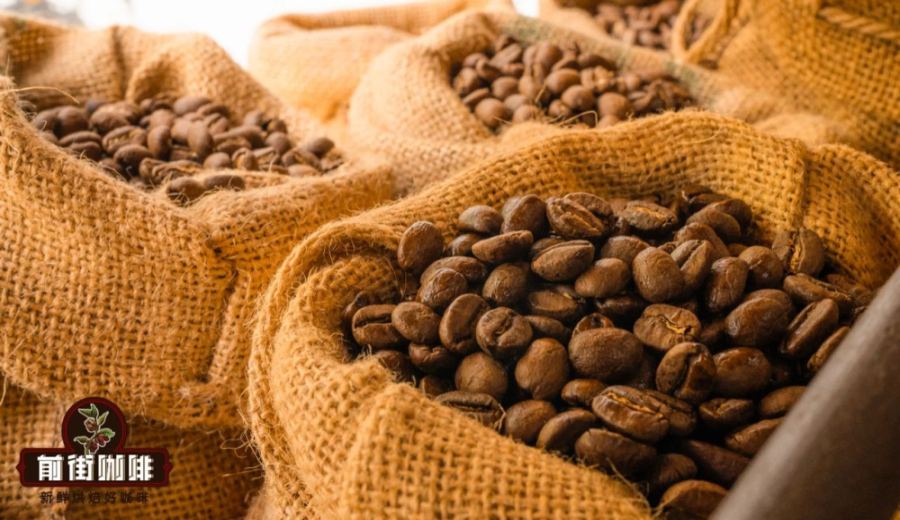
Introduction:Many coffee beginners, upon seeing oil on the surface of coffee beans, worry that the beans have gone bad or are no longer fresh. In fact, the presence of oil on coffee beans is directly related to the roast level and does not necessarily indicate poor quality. This article will delve into the science behind oily coffee beans, how to determine if they are damp or spoiled, and provide professional storage tips to help you effectively extend the optimal flavor period of your beans—ensuring every pour over cup showcases the best possible taste.
Have you ever opened a bag of coffee beans and noticed an oily sheen on the surface, prompting thoughts like, “Has this been sitting out too long?” or “Is it damp and spoiled?” In reality, this oily appearance is closely tied to the roast level of the beans and doesn’t always mean they’re stale. Understanding the true reason behind oily coffee beans can help you more accurately assess their condition and better determine the ideal brewing time.
The oil on the surface of coffee beans is actually water-soluble fats from inside the bean. In the green bean stage, these oils are tightly enclosed within the fibrous structure and are not easily released. However, after high-temperature roasting, the beans expand, the cell walls develop larger pores, carbon dioxide is released in large amounts, and some of the oils are pushed to the surface. This phenomenon is particularly evident indark roasts(around the second crack), especially in medium-to-dark roasted beans such as Indonesian Golden Mandheling, which may start showing oil just 3–5 days after resting—a completely normal occurrence.
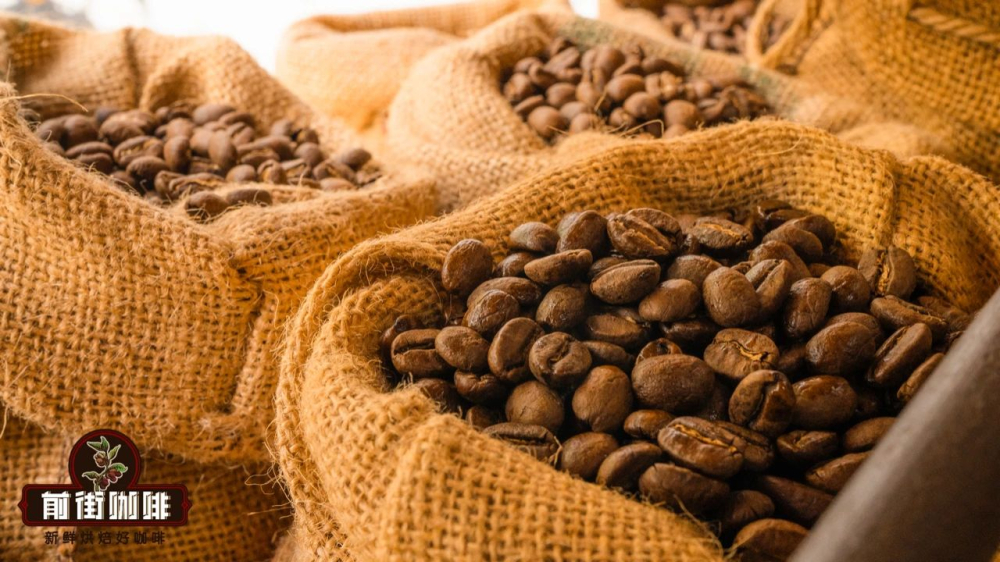
Generally speaking, the darker the roast, the more pronounced the oil seepage. Some extremely dark roasted beans may even show an oily sheen on the very first day after roasting and packaging, along with a deep, dark coloration. For medium-to-light roasts, small oil droplets may appear after 5–7 days due to uneven localized heating—this could actually be a sign that their flavors have peaked. Therefore, the presence of oil is more an indicator of roast level rather than an absolute measure of freshness.
So, when are coffee beans truly damp? First, damp beans usually don’t look “wet.” Instead, you’ll need to judge based on brewing performance. For example, if the beans are hard to grind smoothly, the coffee grounds clump easily, or the brewed coffee has noticeably weak aroma—or even a moldy smell—these could all be warning signs. Normally, freshly roasted coffee beans contain only 1–2% moisture. Once exposed to a humid environment for a prolonged period, they readily absorb moisture, which can lead to mold growth and spoilage.
The most intuitive way to determine if coffee beans are still fresh is by observing them during the brewing process. For instance, during the pour over blooming phase, if the coffee grounds show absolutely no expansion, it means the internal carbon dioxide has been completely depleted. If you barely perceive any aroma throughout the extraction and the resulting cup tastes hollow or even woody, then the beans have likely passed their optimal flavor window.
Additionally, fresh coffee beans are typically packaged in bags withone-way degassing valvesthat allow naturally released carbon dioxide to escape while blocking external oxygen and moisture. Once the package is opened, oxygen and moisture accelerate the oxidation of the oils, which in turn affects the preservation of flavor. Therefore, even unopened coffee beans can maintain stability for quite a while, but once opened, it’s recommended to consume them within 2–4 weeks for the best flavor experience.
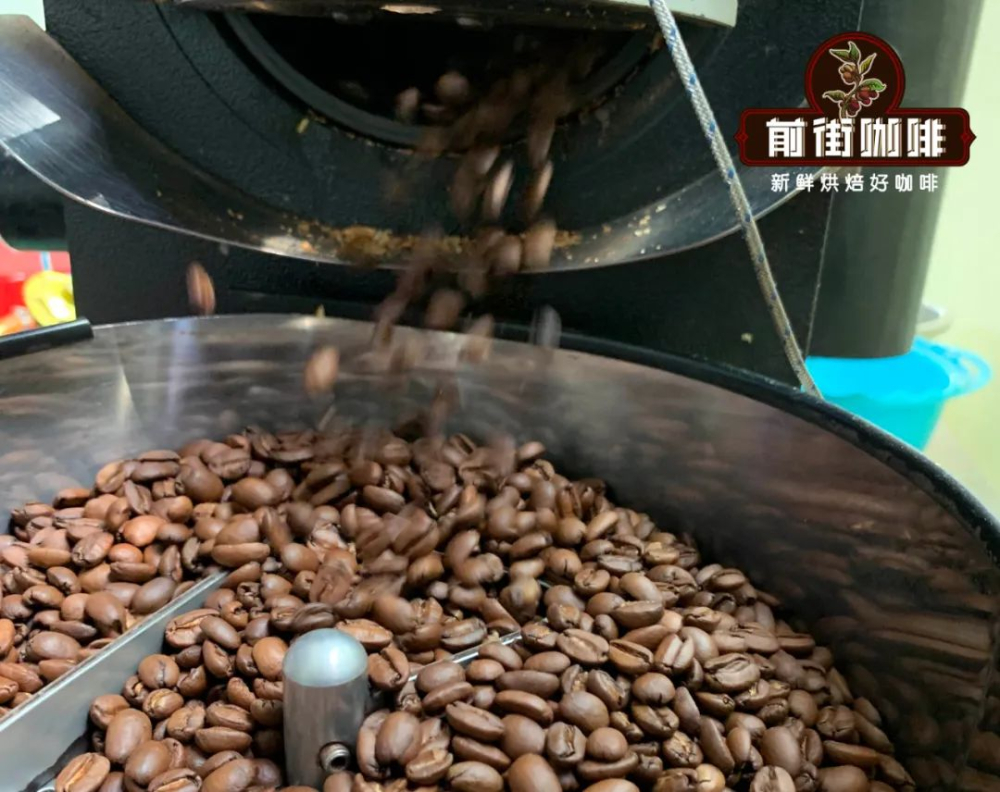
To extend the shelf life of your coffee beans, consider the following measures: keep them whole bean until grinding, store them in an airtight container, and place them in a cool, dry area away from direct sunlight and high temperatures. Some coffee enthusiasts choose to refrigerate their beans, but be cautious—as temperature fluctuations can cause condensation and make the beans absorb moisture, thereby accelerating spoilage. If refrigeration is chosen, ensure the beans are thoroughly cooled before removing them for grinding, and use them as soon as possible.
In summary, oily coffee beans are not a simple indicator of good or bad quality—they are closely related to roast level. By understanding why beans become oily, correctly assessing whether they are damp, and adopting proper storage methods, you can ensure that every single coffee bean in your hand unleashes its fullest and most captivating flavor potential. Whether you’re a passionate pour over enthusiast or just starting out, mastering these basic principles will take your coffee experience to the next level.
The above content is compiled by CoffeeHunters, a coffee news website.


