







Category: Coffee Knowledge

How to Brew Mandheling Coffee with Filter Bags? Flavor Profile & Complete Pour Over Guide
Mandheling filter bag coffee is favored by many busy travelers or coffee enthusiasts for its deep, rich flavor and unique herbal aroma. This article delves into how the Sumatran Mandheling terroir and wet-hulling processing method shape its flavor profile, and provides a detailed guide on the optimal brewing parameters and steps for filter bag coffee. It also recommends two classic filter bag products, allowing you to enjoy a professional-grade coffee experience easily at home. [more…]
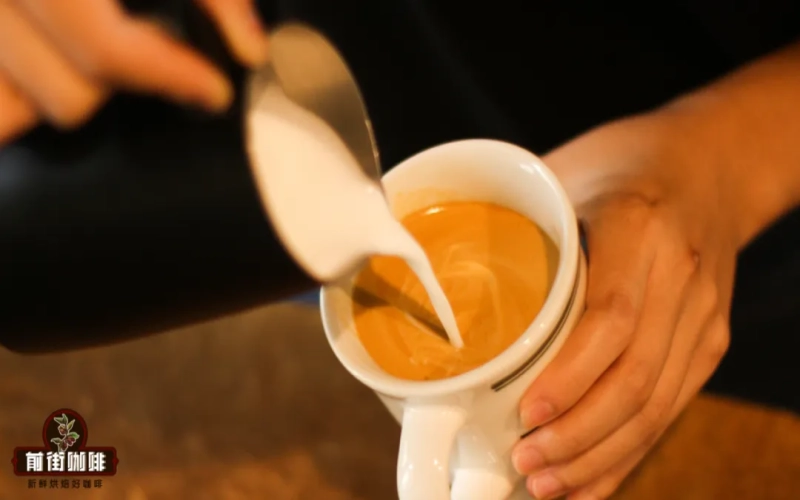
Differences Between Espresso and Pour Over Coffee Beans: Flavor Profiles and Buying Tips for Five Blends
Many beginners often confuse the differences between espresso and pour over coffee beans. In fact, they differ greatly in roast level, brewing method, and flavor profile. This article explains the distinctions in detail and selects five classic espresso blends tailored for readers who prefer bold, fruity, nutty notes, or high cost-performance. It also covers crema performance, recommended beverages, as well as practical advice on coffee bean freshness and shelf life to help you consistently recreate café-quality flavors at home. [more…]
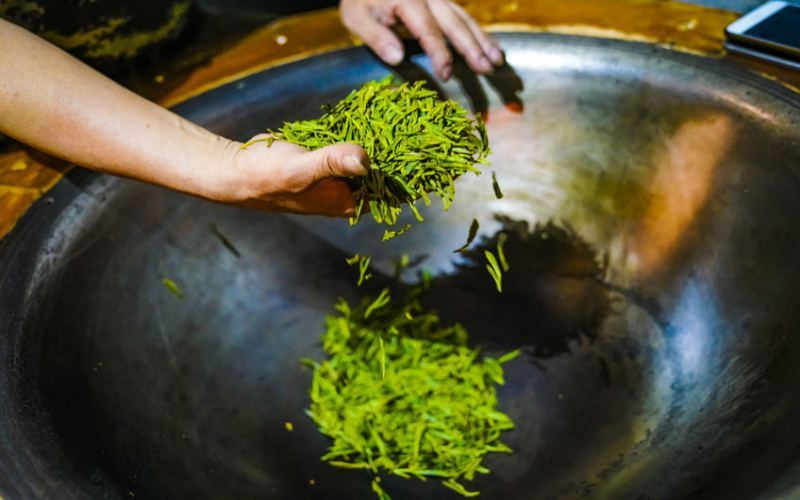
The Complete Guide to Making Lapsang Souchong: Key Techniques from Withering to Smoking
As classic black tea representatives of the Wuyi Mountain region, Zhengshan Xiaozhong (Lapsang Souchong) and Zhenghe Xiaozhong are known for their unique longan aroma and smoky flavor, which stem from the precise control of traditional tea-making techniques. This article provides an in-depth breakdown of the entire process—from natural withering and enzymatic fermentation to pan-firing kill-green and gentle smoking—analyzing temperature parameters, operational details, and the principles behind flavor formation at each stage. It also compares the process differences between the two types of Xiaozhong black teas, helping you master the key elements of high-quality black tea production. [more…]
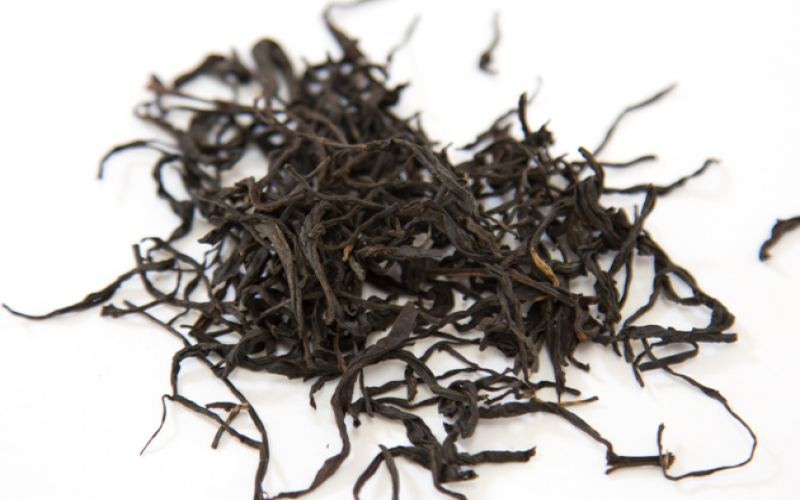
How to distinguish Lapsang Souchong from Outer Mountain Souchong? Analyzing core production regions and aroma differences
As the origin of the world’s black tea, Lapsang Souchong is often confused with names such as Inner Mountain Souchong and Outer Mountain Souchong. This article provides a detailed analysis of the definitions and distinctions between Lapsang Souchong, Inner Mountain Souchong, and Outer Mountain Souchong, and explores in depth how the core tea-growing region of the Wuyi Mountains at altitudes of 800 to 1500 meters, through high elevation and large diurnal temperature variations, shapes the distinctive smoky aroma and sweet flavor of Lapsang Souchong. Understanding these differences helps you choose truly high-quality Lapsang Souchong. [more…]
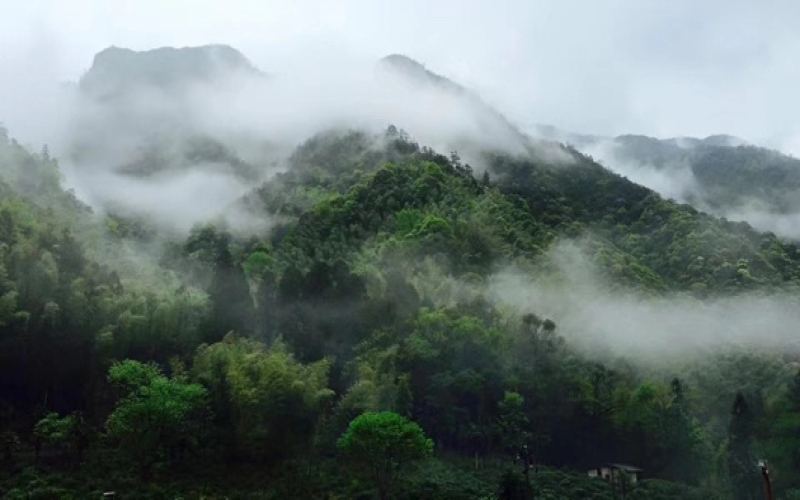
How to distinguish between Zhengshan Xiaozhong and Waishan Xiaozhong? What’s the difference between smoked tea, Xingcun tea, and Tongmu black tea?
Zhengshan Xiaozhong is hailed as the originator of world black tea. Its unique pine smoke aroma and dried longan-like sweetness once rewrote European tea-drinking culture. But what about the commonly seen Waishan Xiaozhong, smoked Xiaozhong, Xingcun Xiaozhong, and Tongmu Xiaozhong — are they all the same type of tea? This article will guide you through the production regions, processing methods, and historical context to clarify these easily confused names, help you master the key points in identifying Zhengshan Xiaozhong, and take a deeper dive into the classic flavors from the core producing area of Wuyi Tongmu Village. [more…]
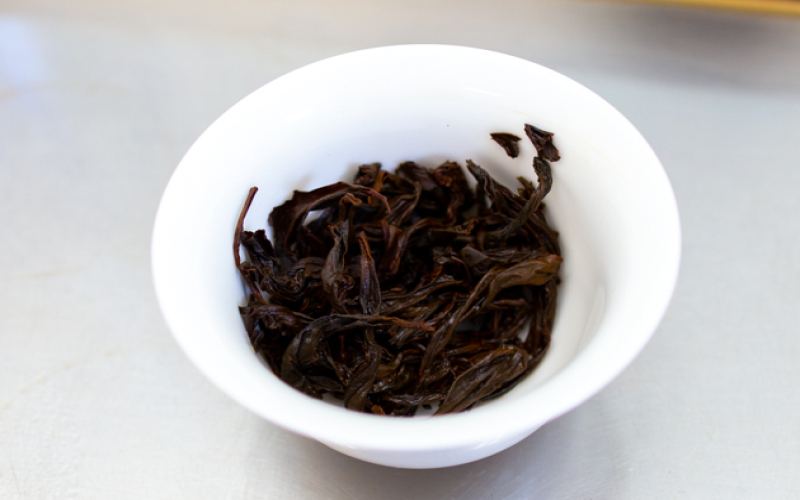
How does Lapsang Souchong get its sweetness? An analysis of the flavor differences between Tongmu Xiaocai tea and Wuyi Qizhong
As the origin of the world’s black tea, the captivating sweetness of Lapsang Souchong hides the secrets of the native Xiaocai tea variety from Tongmu Village and traditional charcoal roasting techniques. This article delves into whether Tongmu Xiaocai tea is equivalent to Lapsang Souchong, explores how charcoal roasting shapes fruity sweetness, and compares the flavor profiles of Xiaochitian (small red sweet), Wuyi Qizhong, and Lapsang Souchong. It also highlights the peach and mango notes of Qizhong black tea grown naturally in tea gardens at an altitude of 1200 meters, helping you gain a more comprehensive understanding of the diverse flavors of this classic black tea. [more…]
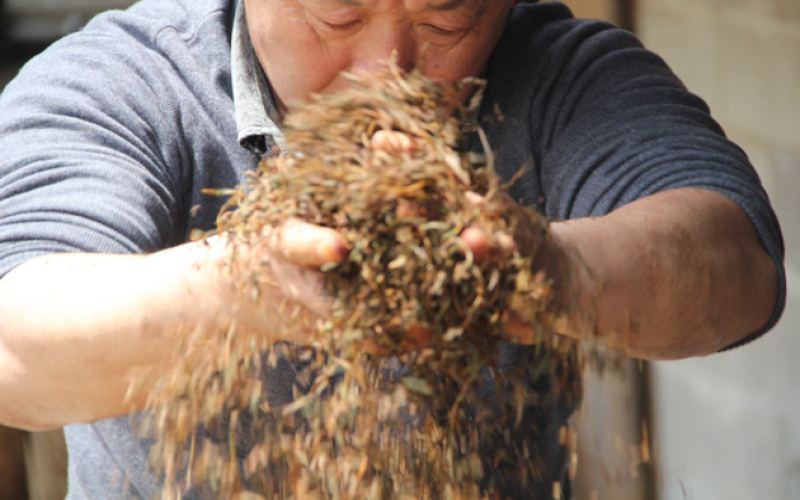
A Comprehensive Guide to Lapsang Souchong Flavors | Exploring Three Types and the Origins of Sweet Fruity Notes
As the world’s first black tea, Lapsang Souchong is often praised for its sweet fruity aroma. However, when actually tasted, its smoky flavor often surprises many tea enthusiasts. Where does the sweet fruity note come from? Why do some versions have a strong smoky taste? This article will take you on an in-depth exploration of the three mainstream flavor types of Lapsang Souchong, analyze the origins of its sweet fruity notes, and introduce the smoke-free yet fruit-forward Lapsang Souchong Qizhong variety — helping you choose the tea that best suits your taste preferences. [more…]
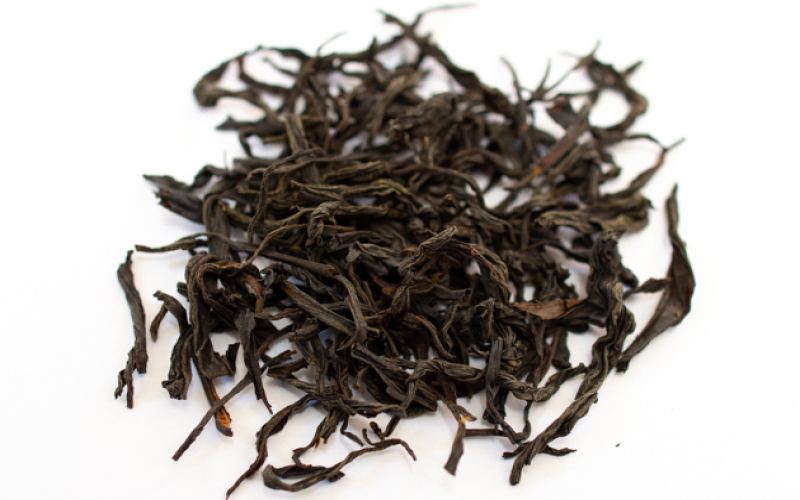
The Historical Origins and Blending Techniques of Tongmuguan Lapsang Souchong and Earl Grey Tea
This article delves into the Tongmuguan Lapsang Souchong Qizhong tea from Wuyi Mountain’s Tongmuguan, analyzing its natural farming cultivation background and unique flavor profile. It also traces how it sparked the British black tea craze and even inspired the creation of the classic Earl Grey tea. The piece includes a practical Earl Grey blending recipe based on Lapsang Souchong, helping tea enthusiasts understand the intricacies and practical techniques of black tea blending. [more…]
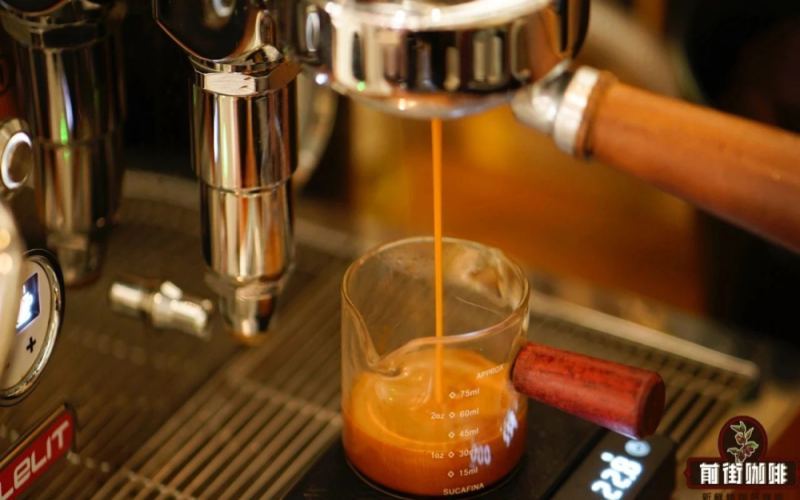
What’s the difference between espresso blends and single-origin coffee beans? A beginner’s guide to bean selection and flavor profiles
Espresso blends and single-origin coffee beans are two common yet distinctly different types of coffee beans. Whether you’re just starting out or looking to deepen your coffee knowledge, understanding their characteristics can help you choose beans that suit your taste. This article provides a comprehensive breakdown of their core differences—from definitions and naming conventions to flavor profiles and practical uses—along with useful tips to help you make the right choice based on brewing methods and scenarios. [more…]
How to Choose SOE Single-Origin Espresso Beans? Recommended Non-Acidic Espresso Blends & Brewing Tips
Want to understand the characteristics and brewing principles of SOE single-origin espresso? This article provides an in-depth analysis of the differences between single-origin espresso and traditional espresso blends, covering everything from flavor profiles to brewing parameters. It helps you master the skills to select non-acidic, well-balanced espresso beans, and recommends several practical blend options—whether for home use or café operation, you’ll find a suitable bean choice. [more…]

What’s the difference between cold drip and cold brew coffee? Extraction principles, flavor analysis, and key points for home brewing
Want to explore the world of low-temperature extracted coffee but can’t tell cold drip from cold brew? This article delves into the brewing principles, flavor characteristics, and key differences between cold drip and cold brew coffee. It also guides you on how to choose the right equipment, grind size, and extraction parameters, so you can easily enjoy a clean and rich low-temperature coffee experience at home. [more…]
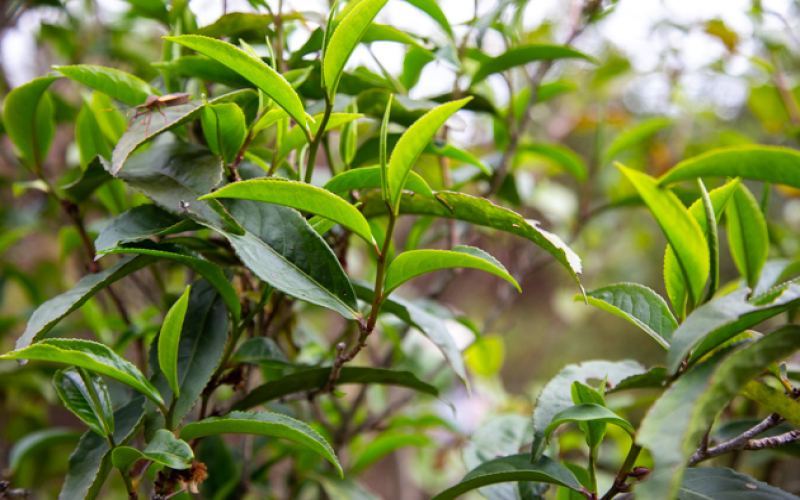
Unveiling the Origins of Yunnan’s High-Mountain Purple-Red Tea | A Complete Analysis of Anthocyanin Content and Tasting Profile
Purple tea is a rare type of tea originating from the high-altitude mountainous regions of Lincang and Baoshan in Yunnan, named for the unique purple hue of its tea stems. This type of tea leaf is rich in anthocyanins, which not only give the tea liquor its deep color but also impart a distinctive aroma of fresh basil and floral notes. This article will delve into the growing environment, varietal characteristics, nutritional value of anthocyanins, and offer brewing and aging suggestions to help you fully understand this uniquely flavored tea. [more…]
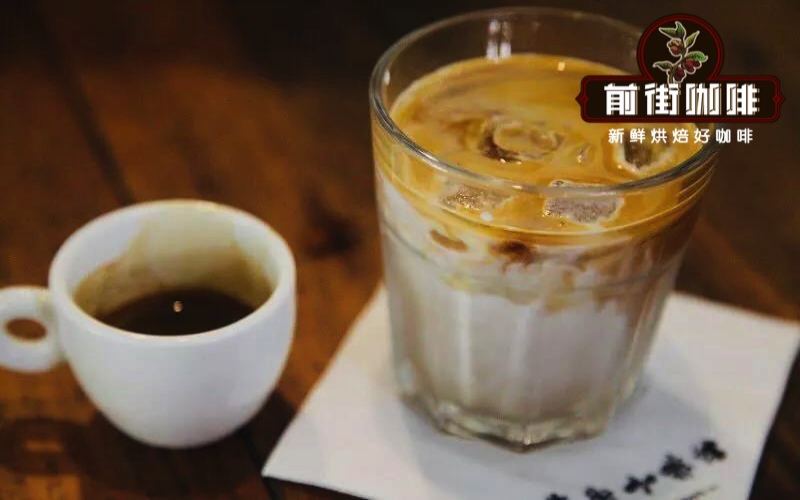
Americano vs. Lungo Coffee: Extraction Differences, Concentration Analysis, and Suitable Bean Selections
Both Americano and Lungo coffee belong to the family of Italian-style black coffee, both based on espresso. However, they differ significantly in brewing methods, extraction time, and final flavor profiles. This article provides an in-depth comparison of their extraction logic, final volume, concentration, and caffeine content. It also explores why Italian-style blends are better suited for making these types of coffee, along with practical insights into the flavor characteristics and roasting philosophies of these blends, helping you better understand the essence of these two classic coffee styles. [more…]
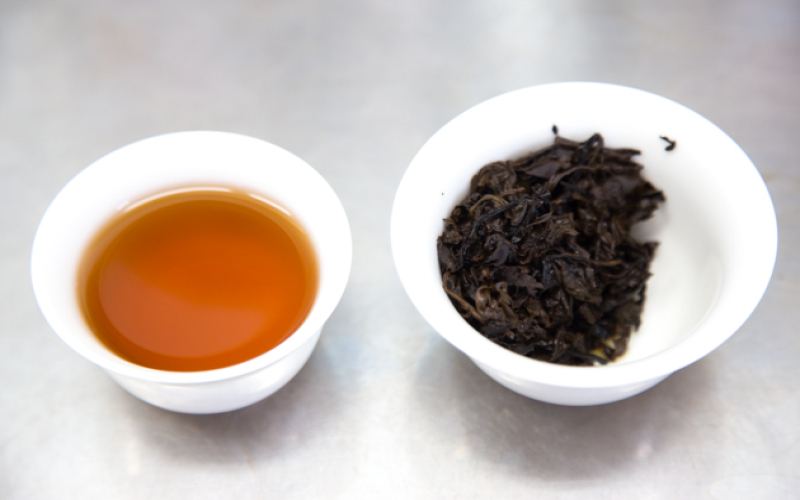
Analysis of Yunnan Aged Black Tea with Ten Years of Maturation: Cultivating Rich Honey Aroma Through Dual-Stage Aerobic and Anaerobic Aging
This 2010 Yunnan wild ancient tree black tea has undergone 8 years of aerobic aging followed by 2 years of anaerobic aging. The tea liquor reveals a complex sweetness reminiscent of ripe persimmon and dried dates, with a deep aftertaste and high brewability. This article dissects the unique flavor development mechanism through details on the terroir, raw material selection, and the dual-stage aging process. It also provides professional brewing recommendations and market reference prices to help you better understand the key points of appreciating high-aged Dian Hong. [more…]
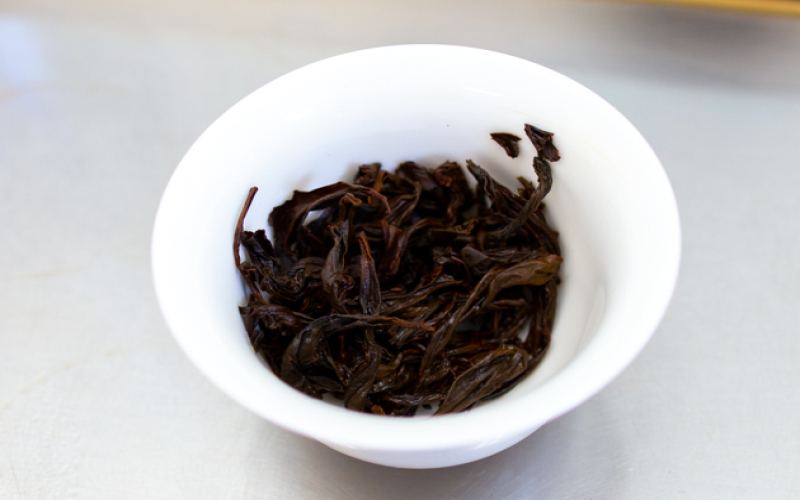
Tongmu Shuixian Black Tea vs. Zhengshan Xiaozhong: Aroma Analysis, Origin Craftsmanship & Market Trends
This article provides an in-depth comparison of the aroma profiles, production backgrounds, and regional differences between Tongmu Shuixian Black Tea and Zhengshan Xiaozhong. It explains why Shuixian variety black tea is so rare and takes you through the historical roots and market trends of Tongmuguan black tea. From traditional smoked processing to the evolution of fruity black teas, from high-altitude tea gardens at elevations of one thousand meters to the pricing logic in retail markets, it helps you grasp the key points for identification and selection. [more…]

A Comprehensive Guide to Legally Operating a Mobile Coffee Truck: Vehicle Modifications, Licensing, and Market Challenges
In recent years, mobile coffee trucks and trunk coffee stalls have gained significant popularity on social media platforms such as Xiaohongshu. While their flexible and seemingly free-spirited business model may appear appealing, it actually involves a number of challenges, including compliance with vehicle modification regulations, obtaining food business licenses, and navigating a volatile market environment. This article delves into the key steps for legally operating a mobile coffee truck, including essential vehicle modifications, the process of applying for business licenses, and an exploration of potential obstacles in day-to-day operations. It aims to help prospective entrepreneurs prepare thoroughly. [more…]
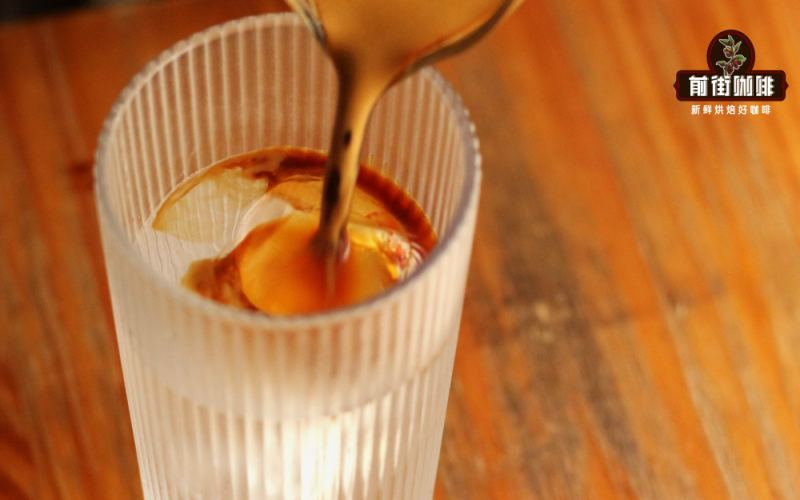
How to Make Iced Americano? A Complete Guide to Espresso Ratio, Bean Selection, and Ice Pairing
Iced Americano is a daily favorite for many coffee enthusiasts, but do you know the golden ratio of espresso to water? This article delves into the core elements of making iced americano, including the impact of three common ratios—1:4.5, 1:6, and 1:8—on flavor, and explores the ideal dilution proportions for different types of coffee beans. It also shares ice usage tips and practical brewing suggestions to help you craft a bold yet well-balanced iced americano. [more…]
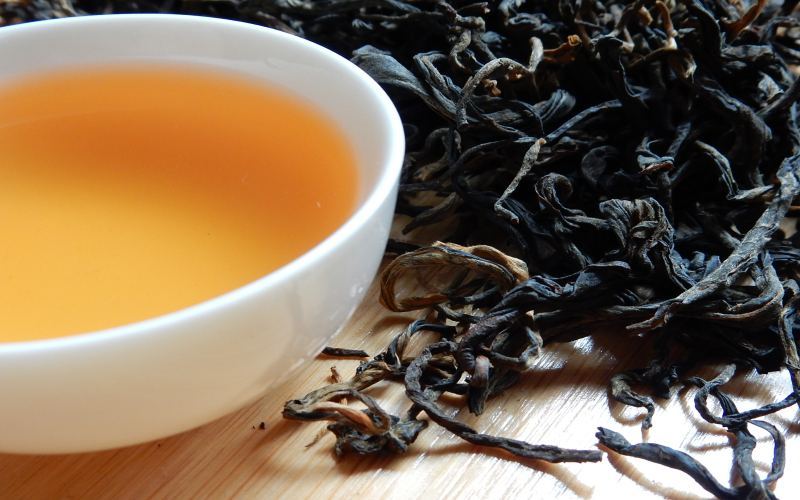
Yunnan Dianhong vs. Zhengshan Xiaozhong vs. Hongyu Black Tea: Flavor Differences and Buying Guide
The world of black tea is diverse and rich. From Taiwan’s Hongyu to Fujian’s Zhengshan Xiaozhong, and to Yunnan’s ancient tree black tea, each type carries unique terroir characteristics. This article takes an in-depth look at five representative black teas — including Gaoshan ZiHong, Wild Red, traditional premium and Qizhong varieties of Zhengshan Xiaozhong, as well as Taiwan Tea No. 18 Hongyu — breaking down their origins, processing methods, and flavor profiles to help you find the one that suits your taste best. [more…]
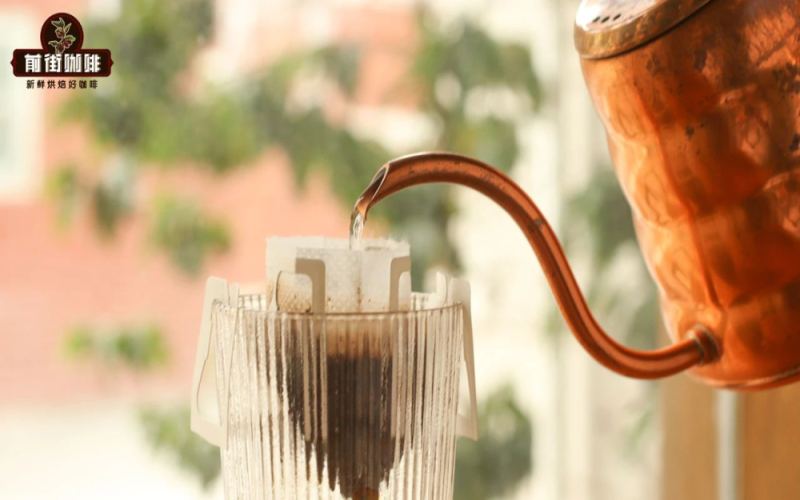
Beginner’s Guide to Pour Over Coffee with Filter Bags: Brewing Techniques and Optimal Parameters for Flavorful Beans Like Blue Mountain
Pour over coffee with filter bags combines convenience with freshness, making it a daily favorite for many coffee enthusiasts. However, to brew a cup of pour over coffee with distinct layers and balanced flavor, it’s essential to master the correct pouring technique, water temperature control, and coffee-to-water ratio. This article provides an in-depth breakdown of the brewing process—from blooming to pouring—covering every detail, and offers professional advice tailored to different flavor profiles such as Blue Mountain and Yirgacheffe, helping you easily brew professional-grade coffee at home or in the office. [more…]
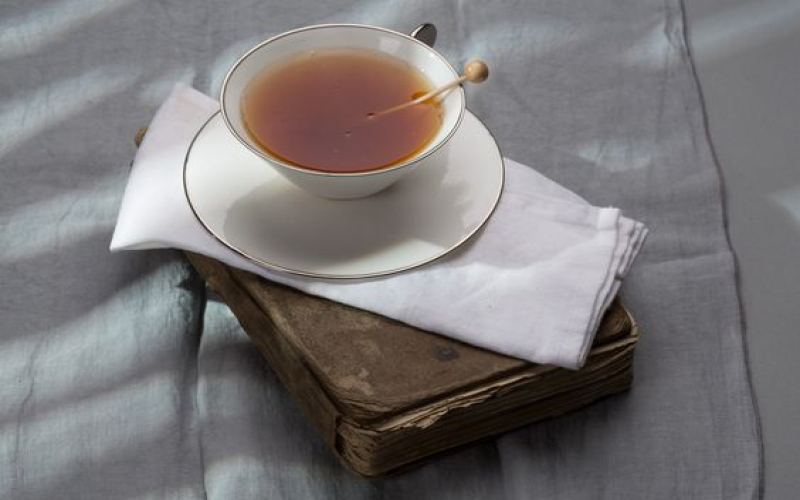
China's High-End Black Tea Buying Guide: Exploring Natural Cultivation and Premium Brand Flavors
Want to dive deeper into the charm of China’s high-end black tea? This article starts with the core principles of natural cultivation and pesticide-free farming, guiding you through how to identify truly premium Chinese black tea, recommended top-tier brands, and how natural cultivation influences tea flavor. Learn how nitrogen-free cultivation leads to denser tea leaf cells and richer taste, while helping you avoid low-quality black teas on the market—master the essential knowledge for tasting China’s finest black teas. [more…]