







Introduction:These rum barrel-fermented coffee beans from Finca Santa Helena in Colombia are crafted through a unique washed processing method combined with low-temperature oak barrel fermentation, endowing the Castillo variety with intense wine-like aromas and tropical fruit notes. This article delves into the growing terroir, processing details, and V60 brewing parameters, guiding you to uncover the distinctive flavor profile and brewing secrets of this pour over coffee.
Colombian coffee is renowned for its exceptional geographical environment and stringent cultivation standards, and Finca Santa Helena is one of the representative farms in the central Caldas region. This historic estate, spanning 18 hectares and enjoying abundant sunshine year-round with an average temperature stable at 22°C, provides nearly perfect growing conditions for coffee trees. What we’re introducing here is the Castillo variety processed using a special washed rum fermentation method by this estate, whose unique fermentation technique is truly impressive.
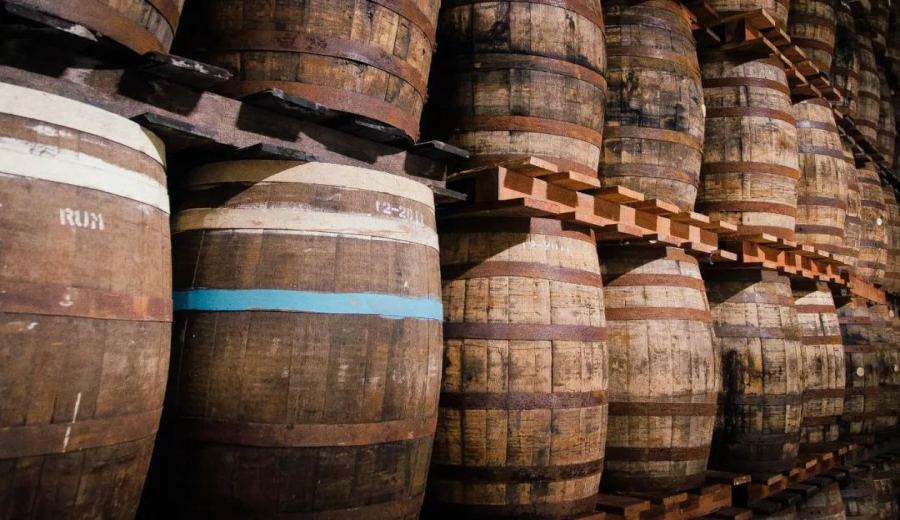
The inspiration for processing these beans came from an innovative idea by the estate owner. During production, farmers first carefully select fully ripe coffee cherries, remove the skins, and then place the mucilage-covered seeds into aged oak barrels for prolonged fermentation in a low-temperature environment. This fermentation method triggers complex enzymatic reactions, imparting the coffee with rich aromas reminiscent of wine-infused chocolate and rum, while preserving the bright tones of tropical fruits. After fermentation, a standard washed process is used to remove residual pulp, and the beans are then dried appropriately to lock in the flavors.
In terms of variety, this coffee uses Castillo. This variety was jointly developed by the Colombian Coffee Growers Federation and the National Coffee Research Center, and its most notable characteristic is its high resistance to leaf rust. During the leaf rust epidemic, due to its stable yield and disease resistance, this variety has become mainstream in Colombian coffee cultivation, accounting for about 40% of the national planting area. Although it is a commercially promoted variety, it can still exhibit delicate flavors when processed properly.
When brewing this coffee, it is recommended to use a V60 filter to highlight its bright acidity and layered complexity.The optimal water temperature is set at 90°C,with a coffee-to-water ratio maintained at 1:15(for example, 15 grams of coffee grounds with 225 milliliters of water), and the grind size can be referenced as 80% passing through a Chinese standard No. 20 sieve (equivalent to a medium-fine grind, similar to the texture of fine sugar).Be sure to preheat your equipment and filter paperto avoid temperature loss affecting extraction efficiency.
The first sip reveals the richness of wine-infused chocolate and the sweetness of rum, followed by layers of tropical fruit acidity and sweetness (such as pineapple and passion fruit) and the smooth sweetness of maple syrup. The overall mouthfeel is silky smooth, with bright yet non-harsh acidity, and a long-lasting finish featuring citrus notes and woody aromas, achieving excellent balance. This flavor combination is especially suited for pour over enthusiasts who enjoy alcoholic notes or seek fresh experiences.
To further explore its potential, you can try fine-tuning the grind size: slightly coarsening it (80% passing rate) can reduce bitterness and enhance fruit acidity; if you prefer a richer taste, you can slightly increase the water temperature to 92°C, but be cautious to avoid over-extraction that may lead to paper taste. No matter how you adjust, this coffee will showcase Finca Santa Helena’s deep understanding of processing techniques and the surprising performance of the Castillo variety under special fermentation.
The above content is compiled by CoffeeHunters, a coffee news website.


