







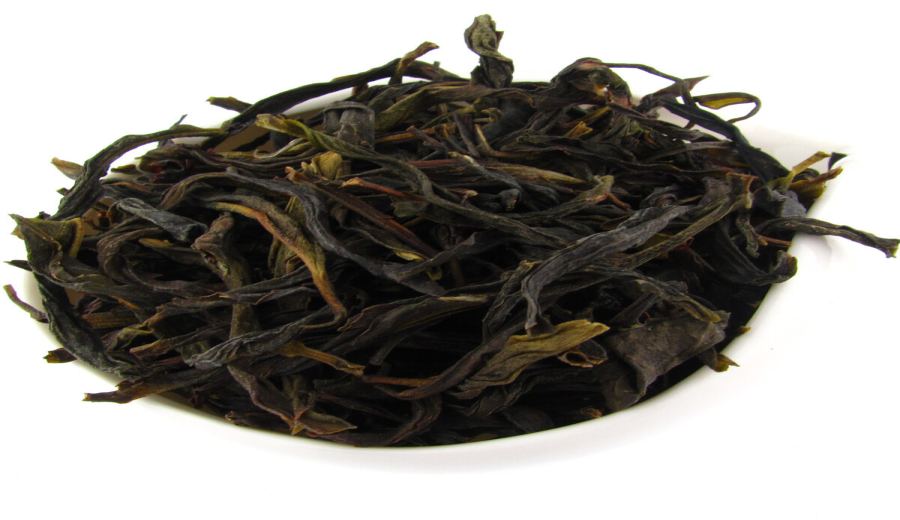
Introduction:Ya Shi Xiang (Duck Shit Aroma) is one of the most beloved aroma profiles among Phoenix Dancong oolong teas, yet its flavor profile can vary greatly depending on the harvest season (spring or autumn) and processing method (rough tea or refined roasted tea). This article delves into the subtle differences between spring and autumn harvested Ya Shi Xiang, comparing the natural floral notes of rough tea with the rich, toasty woodiness of refined tea, helping you find the drinking experience that best suits your taste.
Ya Shi Xiang, a renowned single-origin oolong tea produced in the Phoenix Mountain area of Chaozhou, Guangdong, is celebrated for its distinctive aroma and multi-layered taste. However, even within Ya Shi Xiang, factors such as harvest time and production process can lead to vastly different flavor personalities. Particularly, the Ya Shi Xiang harvested in spring and autumn, as well as the contrast between rough tea and multiple-roasted refined tea, showcase the rich variability potential of Dancong teas.
Spring-harvested Ya Shi Xiang is typically picked in spring, when tea leaves emerge after the winter dormancy period. The buds and leaves are plump and rich in internal compounds, resulting in tea liquor that is often full-bodied and complex in flavor. In contrast, autumn-harvested Ya Shi Xiang is produced in the fall. Though still fragrant, its overall flavor tends to be crisper, with a lighter mouthfeel—making it ideal for those who prefer more delicate tea profiles.
When categorized by processing technique, rough tea refers to leaves that have only undergone basic steps such as withering, shaking, fixation, and rolling, without deep roasting. It retains the tea’s original fruity and floral aromas, offering a fresh and natural flavor reminiscent of being in a garden. Refined tea, on the other hand, undergoes multiple roasting processes—especially traditional prolonged wood-fire roasting—which imparts intense toasted wood, honey, and oily textures, yielding a thicker, more lingering cup.
For example, a spring-harvested Ya Shi Xiang that has been wood-fire roasted twice for extended periods may yield a deep golden-yellow liquor. Upon tasting, one notices a distinct warm woody character paired with a fine, silky smoothness—particularly prominent around the fifth brew—where the tea feels thick and offers a long-lasting sweet aftertaste. By contrast, a less heavily roasted version, such as Snowflake Ya Shi Xiang or rough tea, highlights a fresher, natural floral aroma, with flavors closer to green tea or light oolongs—making it more suitable for those who favor a clean and refreshing taste.
It's worth noting that the roasting process for traditional Phoenix Dancong teas is often time-consuming and meticulous, especially for refined teas, which require multiple stages such as initial roasting, resting, and re-roasting—sometimes taking over a month in total. This production approach not only tests the experience of the tea master but also results in a final product with greater complexity and depth. Factors such as roasting temperature, duration, number of firings, and the condition of each batch of leaves all directly influence the final aroma and structural mouthfeel.
For tea enthusiasts looking to deeply explore the diversity of Ya Shi Xiang, it is recommended to taste side by side both a refined and a rough tea version from the spring harvest. This comparative approach allows one to better appreciate how roasting techniques profoundly shape the flavor of the tea liquor. Such tastings can also help you more acutely perceive the tea’s inherent aromatic characteristics and the transformative effects of post-processing.
In summary, spring-harvested Ya Shi Xiang, with its richly textured liquor and layered aromas, is particularly well-suited for those who enjoy bold flavors and woody notes. The autumn version, meanwhile, presents a fresher and more invigorating profile, making it ideal for everyday casual drinking. As for choosing between rough and refined tea, it depends on whether you prefer natural floral notes or the complex aromas brought about by roasting. No matter which type you choose, you’ll get to experience the unique charm of the Ya Shi Xiang Dancong aroma.
The above content is compiled by CoffeeHunters, a coffee news website.


