







Introduction:Blue Mountain coffee and Geisha coffee are renowned as the two top-tier specialty beans in the world. One is celebrated for its balanced and full-bodied profile, while the other captivates coffee enthusiasts with its intense floral aroma and rarity. This article will delve into the differences between the two in terms of growing environment, grading systems, flavor profiles, and market positioning, helping readers grasp the essence of these two coffees from a professional perspective and choose the one that best suits their taste.
Although both Blue Mountain coffee and Geisha coffee are ranked among the world’s top specialty beans, they represent distinctly different flavor philosophies and market positions. Blue Mountain coffee is known for its stable flavor profile and the exquisite balance of acidity, sweetness, and bitterness, making it highly favored by drinkers who pursue delicate taste experiences. It is also protected by Jamaica's official strict regional certification and grading system. Geisha, on the other hand, is famed for its intense floral notes, rich fruit acidity, and long-lasting oolong tea-like finish. Not only is its production extremely limited, but it also demands very high growing conditions, which is why it has become a symbol of high-end coffee.
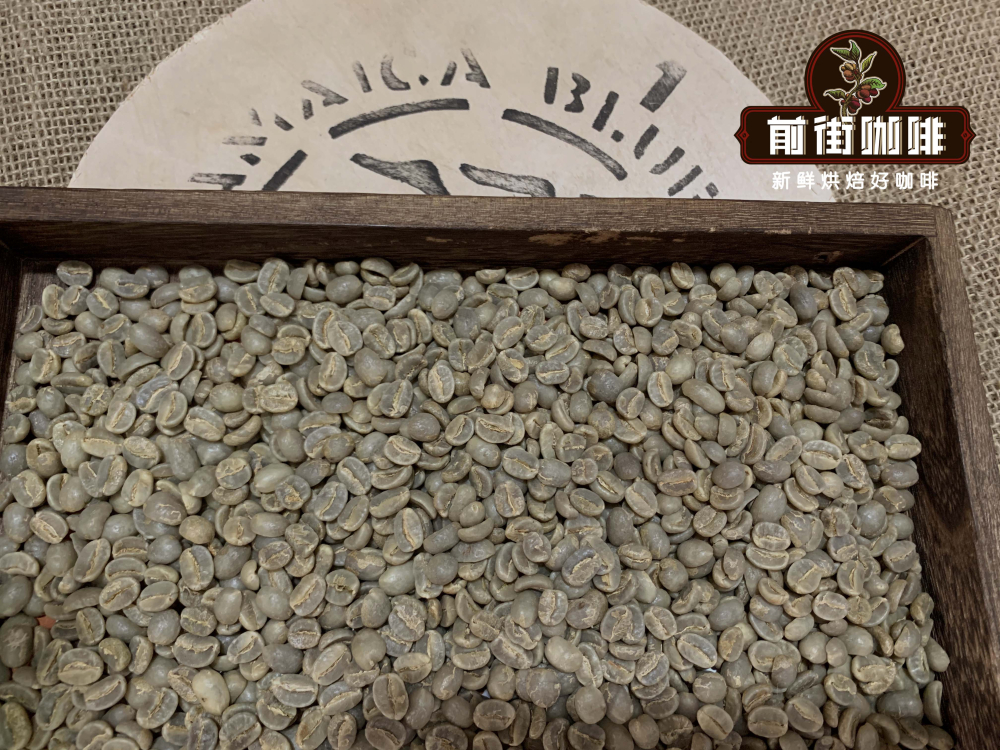
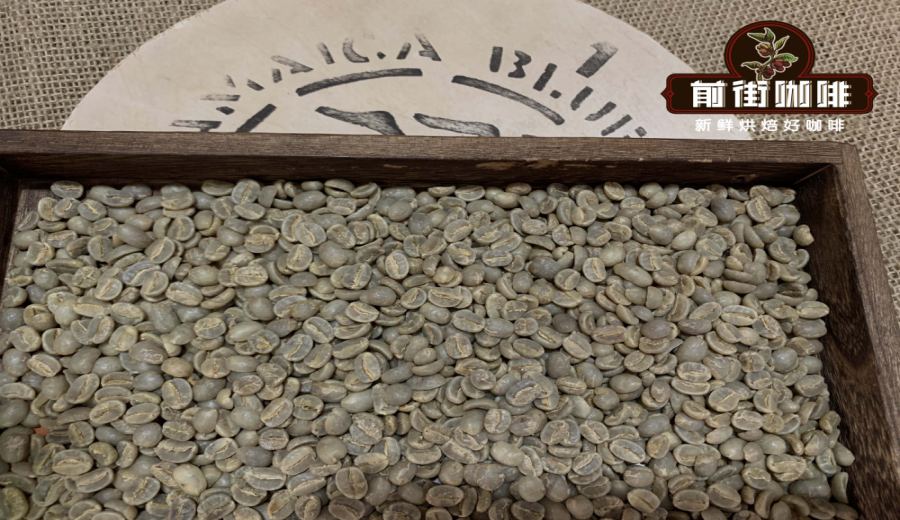
The reason Jamaican Blue Mountain coffee can maintain its global top-tier status lies in the strict quality control exercised by the Jamaican government through the Coffee Industry Board of Jamaica (CIB). Established in 1953, the CIB oversees the entire process from planting and harvesting to post-processing. Blue Mountain coffee is divided into four grades: No.1, No.2, No.3, and PB (Peaberry, or hand-selected round beans), with No.1 being the highest grade. It requires beans to be sized 17 mesh or above, with a defect rate below 3% and moisture content controlled around 13%. This is the standard known as “Blue Mountain No.1” commonly seen in the Chinese market.
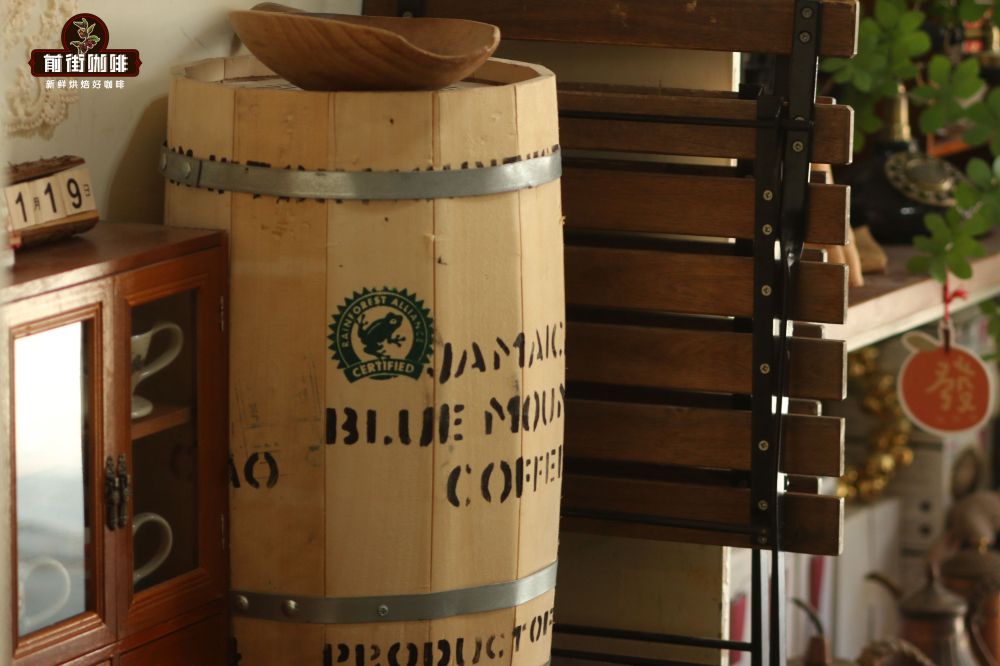
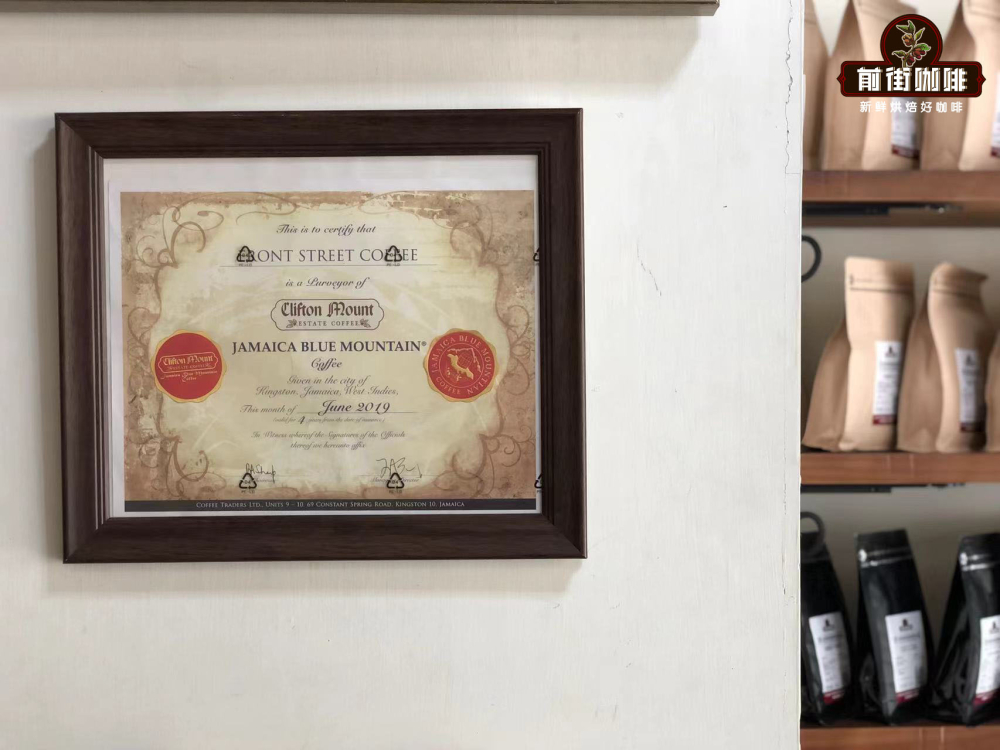
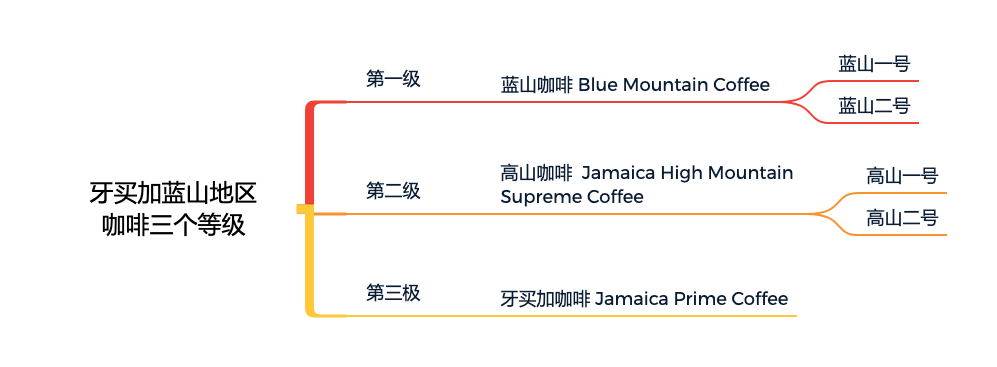
Authentic Blue Mountain coffee is produced exclusively in four designated administrative regions in Jamaica: St. Andrew, St. Thomas, St. Mary, and Portland. These regions are home to multiple coffee farms of varying sizes, among which the Clifton Mount Estate is the oldest surviving farm and the only one certified as a “Rainforest” estate. Blue Mountain coffee can be further subdivided into three main categories: Blue Mountain coffee, High Mountain coffee, and Jamaican coffee, each with two additional grades. Overall, Blue Mountain No.1 ranks at the top, offering the most balanced and full-bodied flavor with pronounced acidity and sweetness and a long-lasting aftertaste, making it a classic highly praised by both coffee novices and connoisseurs.
Geisha coffee, on the other hand, has emerged as a dark horse in the specialty coffee scene in recent years, rapidly gaining fame for its unique aroma and high price. Its cup profile often features intense floral notes, bright acidity reminiscent of citrus and peaches, along with a creamy mouthfeel and an oolong tea-like finish, delivering an overall experience as refined as tea tasting. The high price of Geisha is not only due to its outstanding cupping performance but also its extremely limited production. Taking Panama as an example, the country produces about ten thousand tons of coffee annually, yet the famous Finca Esmeralda farm yields only around nine thousand kilograms of Geisha per year, with the Geisha variety accounting for just 3%—that’s roughly 270 kilograms, making it exceptionally rare.
Moreover, the Geisha coffee plant is extremely particular about its growing environment. It requires high altitudes, cloud-shaded conditions, and fertile soil. Its leaves are thin, the root system is weak, and photosynthesis efficiency is low, resulting in yields far lower than other mainstream varieties. It is understood that the yield of a single Geisha coffee tree is only half that of the Caturra variety. In the early stages of cultivation, shade trees and traditional pruning management are also required. Any negligence in the process can affect the final quality. For these reasons, Geisha demands much higher standards in terms of cultivation techniques, labor, and climate compared to ordinary coffee varieties, contributing to its unattainably high market price.
Geisha’s international fame is largely credited to Panama’s Finca Esmeralda. In 2003, the farm’s third-generation owner, Daniel, discovered during cupping that the Geisha variety exhibited unique complex flavors such as jasmine, citrus, peach, and blueberry. He entered it into the Best of Panama (BOP) competition and won the championship. It later shined even more brightly in the 2005 evaluation by the Specialty Coffee Association of America (SCAA), winning the world championship for two consecutive years. Today, Geisha has become an iconic variety in the global specialty coffee scene. Although it has been introduced in places like Yunnan, in terms of flavor integrity and classic expression, Finca Esmeralda remains the most representative.
Within Finca Esmeralda, Geisha is categorized into Red Label, Green Label, and Blue Label grades based on processing methods and altitude. Among them, Red Label is the highest grade, sourced from highlands at altitudes of 1600 to 1800 meters, with cupping scores exceeding 90 points. It mainly comes from the Jaramillo and Cañas Verdes farms, and is often processed using the natural method to highlight intense floral and fruity aromas. It is a highly sought-after lot in auctions. Green Label consists of mixed batches processed via washed method, with a fresher flavor profile featuring lemon, berry, and subtle tea notes. It is relatively more affordable and is often the entry-level choice for many Geisha lovers. If you’re trying Geisha for the first time, it’s recommended to go for the lightly roasted Green Label or Red Label to fully experience its unique floral aroma and layered acidity.
Looking back at Blue Mountain coffee, its flavor characteristics lie in its richness and harmony, with a well-proportioned balance of acidity, sweetness, and bitterness—free from any jarring or overly stimulating notes—making it ideal for those who prefer a stable and consistent taste. The Jamaica Coffee Industry Board (CIB) stipulates that only coffee grown in the Blue Mountain region at altitudes above 2200 feet (approximately 670 meters) qualifies to be labeled as “Blue Mountain.” Among them, the No.1 grade is widely recognized as the top-tier representation in the market—not only are the beans large and low in defects, but they also exhibit a high degree of flavor consistency, making it a dream bean in the eyes of many coffee professionals.
In summary, Blue Mountain coffee and Geisha coffee each represent two extremes of specialty coffee: one is a classic and steady traditional gem with official quality assurance, while the other is a bold and rare new rising star with significant collectible value. Whether you prefer balanced richness or vibrant floral and fruity notes, a deeper understanding of the growing backgrounds, grading systems, and processing features of these two coffees can help you make more informed decisions when tasting and purchasing.
The above content is compiled by CoffeeHunters, a coffee news website.


