







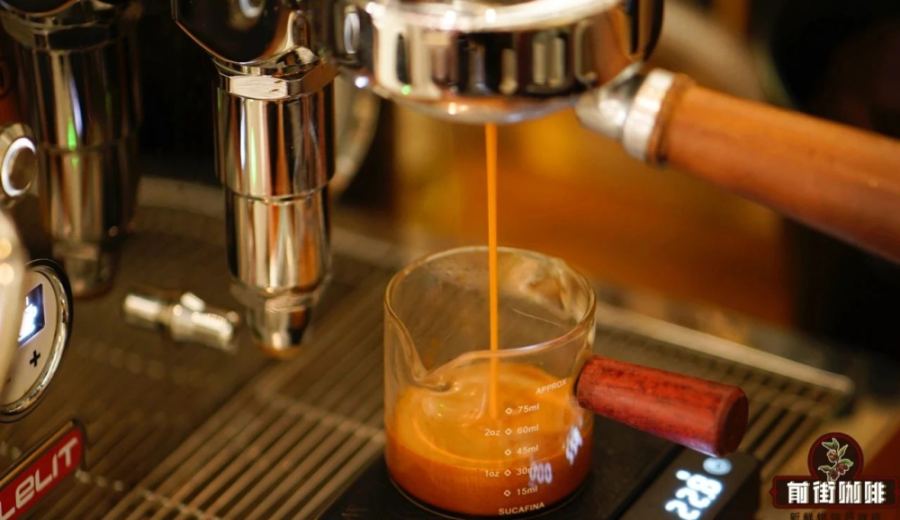
Introduction:Crema is the soul of espresso. This golden layer of foam is not just a visual delight but also a key indicator of a successful extraction. However, many coffee enthusiasts often encounter issues such as thin, pale, or even completely absent crema when brewing at home or in shops. This article delves into the composition principles of crema, analyzing common factors that lead to poor crema—from bean freshness, roast level, equipment pressure, to extraction parameters—and offers concrete observations and improvement suggestions to help you achieve the ideal, rich, and velvety crema step by step.
What makes espresso so captivating, aside from its intense and bold flavors, is the layer of golden foam floating on top of the coffee liquid. Italians call it crema. It’s not pure fat but an emulsion formed by the insoluble oils in coffee and carbon dioxide dissolved under high pressure. This unique foam structure can only be stably produced under approximately 9 bars of high-pressure extraction.
When you find an espresso with little to no crema, overly thin crema, pale color, rough bubbles, or clumping, it’s usually due to incorrect roast level, insufficient bean freshness, subpar equipment performance, or improper extraction parameters. Understanding these underlying causes helps you quickly identify issues by observing the appearance of the crema and further adjust and optimize your extraction process.
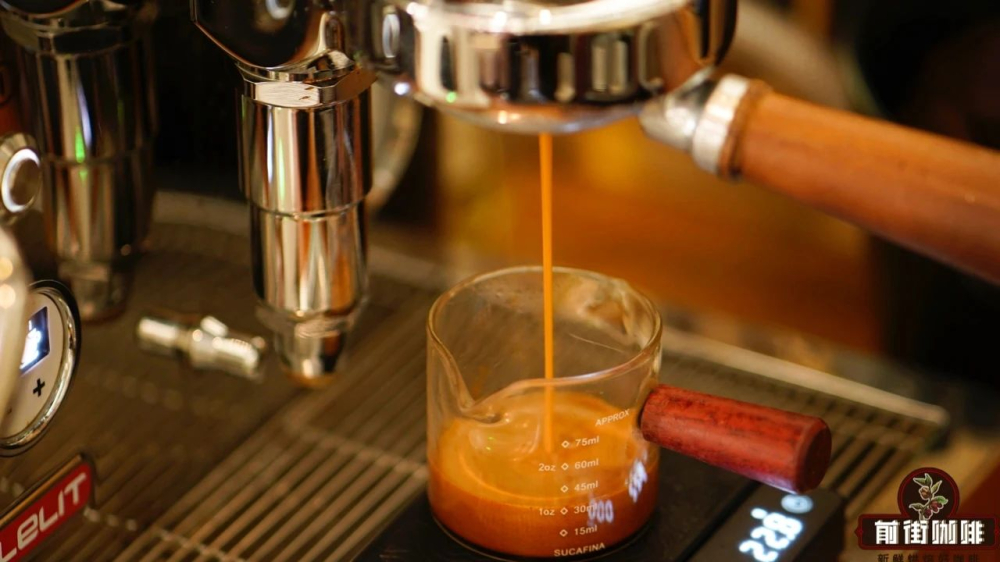
What exactly is espresso? Simply put, it’s a small-volume (usually around 30ml) coffee with an extremely concentrated flavor, often delivering a strong sensory impact—so much so that many first-timers might find it unfamiliar. But once used as a base and mixed with milk, it becomes a latte; add water, and it turns into an Americano, instantly becoming one of the most beloved everyday drinks.
Observing a well-brewed espresso, you’ll see a dark coffee liquid topped with a delicate layer of golden foam. This seemingly “oily” substance isn’t pressed fat but the result of insoluble oils in coffee grounds combining with carbon dioxide under specific conditions. So, how exactly is this crema formed?
This starts with how an espresso machine works. When the machine “presses” the coffee puck with about 9 bars of water pressure, the carbon dioxide originally present in the coffee grounds can’t escape under such high pressure and is instead forced into the water, reaching a supersaturated state. At the same time, the extraction process emulsifies the oils in the coffee beans. These emulsified fats envelop the carbon dioxide bubbles. Since they are lighter than water, they naturally rise and eventually form a fine, golden, glossy foam layer on the surface.
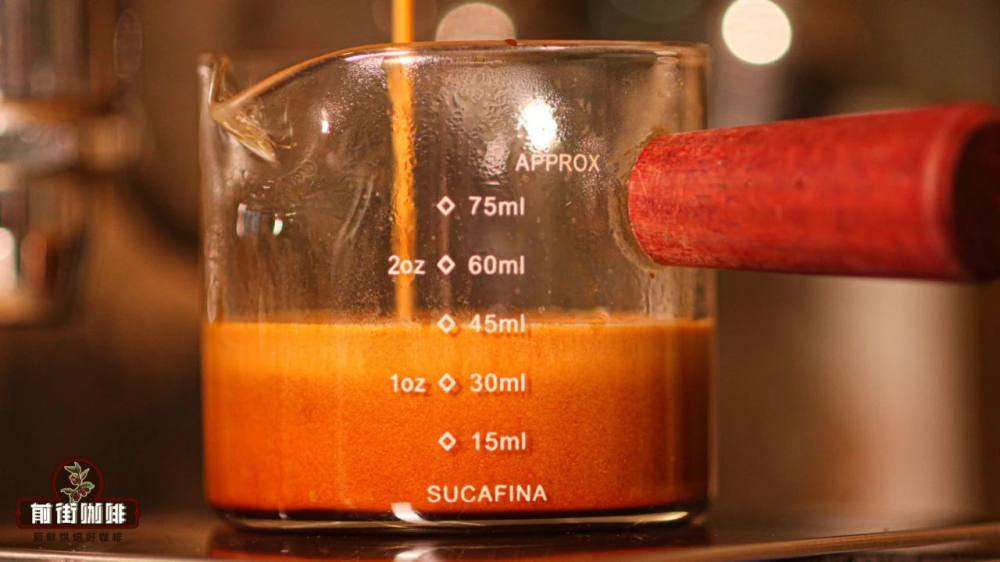
Ideal crema should exhibit a stable golden hue, a fine and uniform texture, a creamy and velvety feel, and leave clear streaks along the cup’s edge. Such crema not only enhances the coffee’s visual appeal but also adds layers of aroma and richness to the taste. It can even aid in the formation and stability of latte art. Therefore, whether you’re a professional barista or a coffee enthusiast, crema quality is always a focal point.
From practical experience, the primary conditions for extracting high-quality crema are selecting coffee beans with high freshness, appropriate roast levels, and ample carbon dioxide content. Generally, medium-dark to dark roasted beans used within 45–60 days after roasting can deliver better crema performance. Adding a moderate amount of Robusta beans to the blend can also enhance the thickness and stability of the crema. For example, some commercial espresso blends, which include a small proportion of Robusta, often easily produce rich and vividly colored crema.
However, even with the right beans, it’s essential to use freshly ground coffee, maintain stable high water temperature, ensure sufficient extraction pressure, and achieve precise grind size and tamper pressure. All these factors are indispensable, and only when they work together in harmony can crema performance reach its optimal state.
Here are several common crema issues and their potential causes:
1. No crema or extremely thin crema: This is usually because the coffee beans have been stored for too long, causing significant loss of internal carbon dioxide. If the beans are ground and not used immediately, or if they are stored in poor conditions (such as exposure to air, moisture, or sunlight), gas dissipation accelerates. Additionally, issues such as insufficient machine pressure, low water temperature, overly coarse grind, or inadequate tamping during extraction can also affect crema formation.
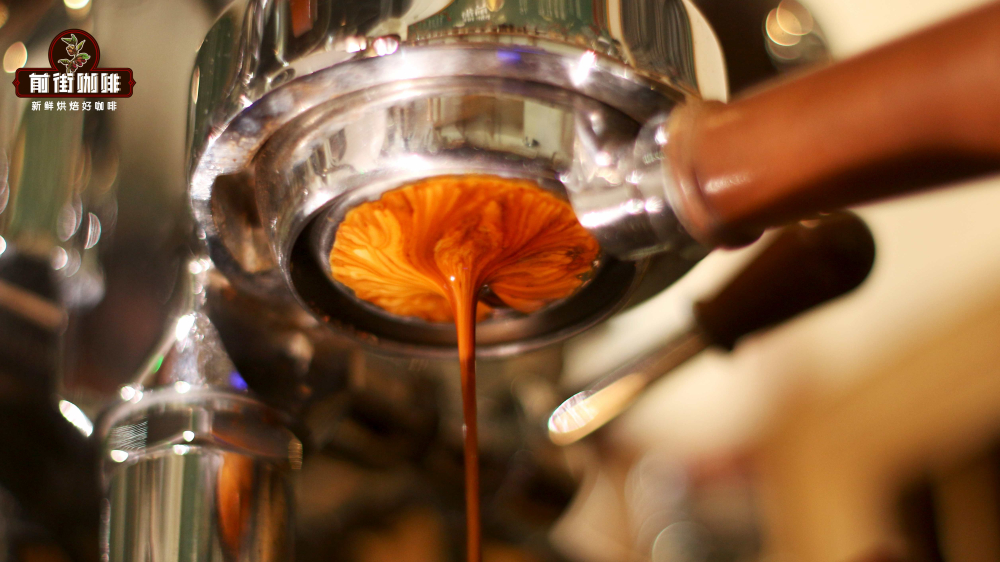
2. Pale crema: If the extracted crema has decent thickness but lacks a golden hue, appearing overall pale, and the flavor is noticeably sour, it may be due to using beans roasted too lightly. For example, commonly used pour-over beans, which emphasize fruity acidity, may result in under-extracted espresso if the brewing time or pressure is insufficient, leading to pale crema and poor taste.
3. Coarse or bubbly crema: This type of crema typically doesn’t last long and dissipates quickly. Common causes include the beans being too fresh—with newly roasted beans containing a large amount of carbon dioxide. If these beans are extracted under high pressure too soon, the emulsified fats can’t fully encapsulate all the gases, resulting in a loose, coarse foam structure that collapses rapidly.
4. Clumpy crema: When the crema rises with obvious “lumps,” featuring an uneven surface and poor fluidity—similar to over-whipped milk foam—it usually indicates parameter imbalances during extraction. This could be due to excessive pressure, overly fine grind, or too long extraction time, causing uneven emulsification and affecting the final texture and appearance of the crema.
In summary, the appearance and texture of crema serve as important reference points for evaluating espresso extraction quality. By observing its color, thickness, uniformity, and stability, you can quickly identify problems and make adjustments. Every stage—from bean selection, storage, grinding, to extraction settings—is interconnected. Only by mastering them all can you consistently produce that stunning golden crema.
The above content is compiled by CoffeeHunters, a coffee news website.


