







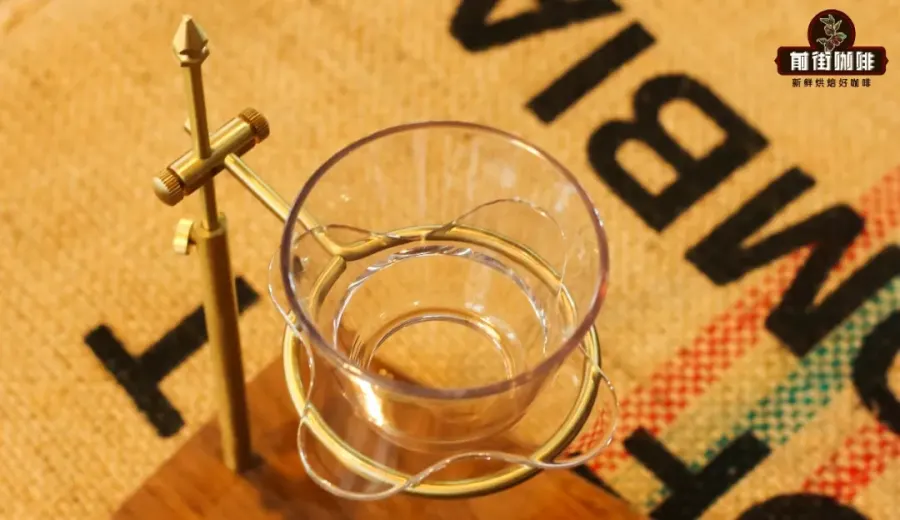
Introduction:The flavor of pour over coffee is closely related to the design of the filter cone. Flat-bottomed filter cones and V60 conical filter cones each have their own extraction characteristics, while large-bottom-hole flat-bottomed filter cones combine the advantages of immersion and drip brewing, making them suitable for coffee enthusiasts with different needs. This article delves into the differences in coffee bed structure, water flow rate, and extraction flavor among these three types of filter cones, and demonstrates parameter adjustments and pour over techniques for the large-bottom-hole filter cone using an actual coffee bean example, helping you find the most suitable brewing method.
In the world of pour over coffee, the design of the filter cone directly affects how coffee grounds are stacked, the speed of water drainage, and the final extraction performance. Among them, flat-bottomed filter cones and V60 conical filter cones are the two most commonly compared types, while the large-bottom-hole flat-bottomed filter cone, which has gained popularity in recent years due to its combined immersion and drip brewing characteristics, is also gradually winning favor among pour over enthusiasts. This article will explore the practical differences among these three filter cones from the perspectives of coffee bed distribution, water flow speed, and extraction balance, and use a representative Yirgacheffe coffee bean as an example to detail the practical pour over parameters and operational points of the large-bottom-hole filter cone.
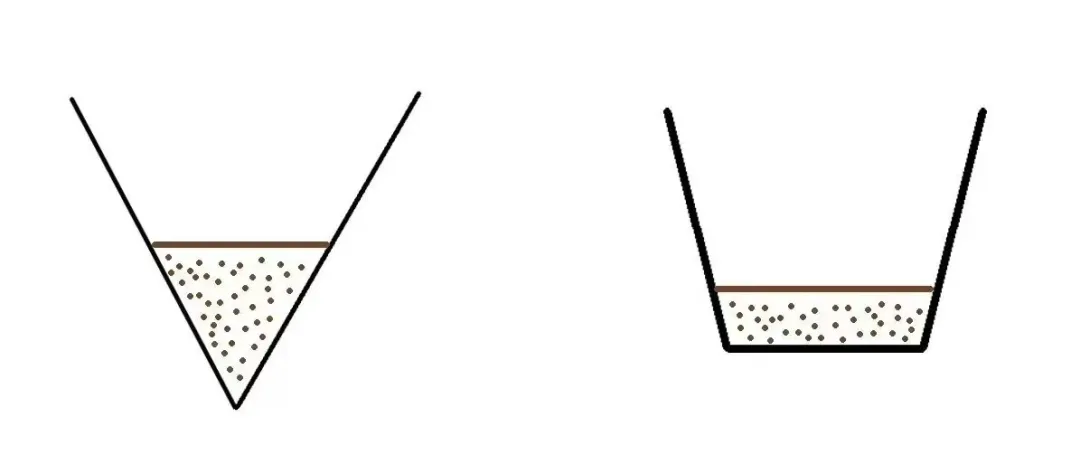
The reason why flat-bottomed filter cones are popular is mainly due to their relatively stable and controllable coffee bed structure. Because the bottom is flat, the upper and lower cross-sectional areas are similar, and the coffee grounds layer is usually thinner and more evenly distributed, with little difference in the amount of coffee between the center and the edges. In contrast, conical filter cones such as the V60 tend to create a thicker coffee layer in the middle and a thinner one around the edges due to the tapered bottom. This even coffee bed structure helps hot water contact all the coffee grounds more consistently, and even if the pouring technique is not very precise, it can still achieve a relatively balanced extraction effect.
In addition, the water drainage speed of flat-bottomed filter cones is generally slower. Since most flat-bottomed filter cones lack the internal flow-guiding ribs found in V60s, hot water spreads more evenly at the bottom of the filter cone, thereby extending the contact time between water and coffee grounds. This immersion effect can enhance the overall uniformity of extraction, making the flavor profile more rounded, and also provides greater margin for error during the brewing process, making it especially suitable for beginners.
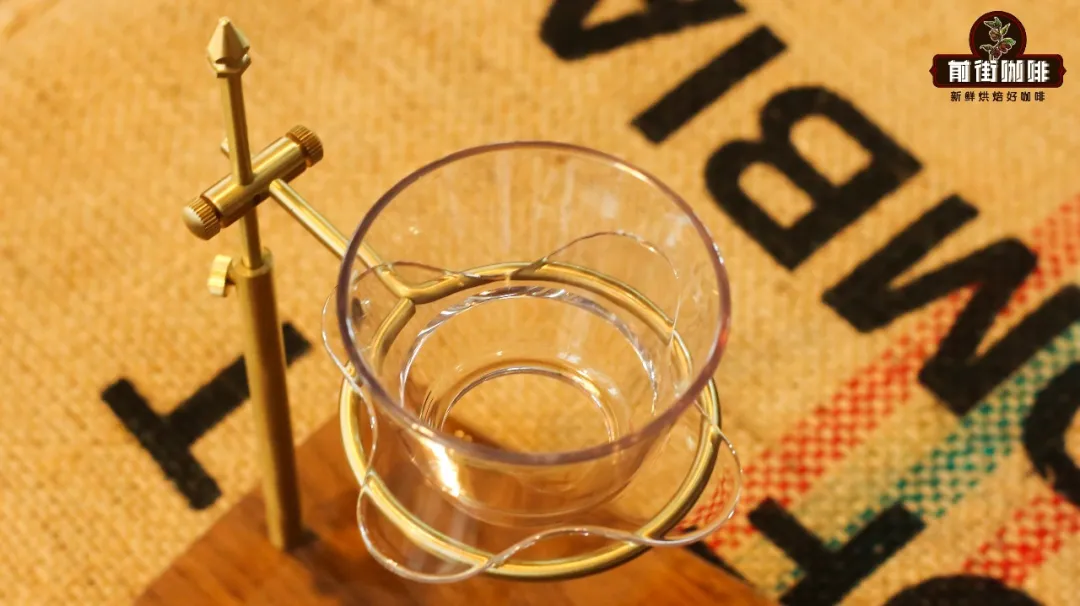
The so-called large-bottom-hole filter cone is characterized by a single large hole at the bottom, without any additional flow-restricting structures. This design not only retains the slow water drainage characteristic of flat-bottomed filter cones, but also adds variability to extraction. Users can add different functional accessories to the bottom according to their needs, such as multi-layer flow-directing base plates to accelerate water drainage, or special coffee bed adjustment tools to change the distribution of coffee grounds. In this way, it not only lowers the entry barrier but also provides more room for experimentation for advanced users.
However, when using a large-bottom-hole flat-bottomed filter cone, special attention should be paid to parameter adjustments. Because it combines the characteristics of both immersion and drip brewing, if the grind size or water temperature is not appropriately adjusted, an overly long extraction time may lead to over-extraction. Taking the BABYO brand’s flat-bottomed filter cone as an example, under the same coffee dosage and brewing conditions, its extraction time is usually about 30 seconds longer than that of a V60. It is recommended to balance the extraction by lowering the water temperature or adjusting to a coarser grind size to avoid flavors that are too heavy or have a gritty sensation.
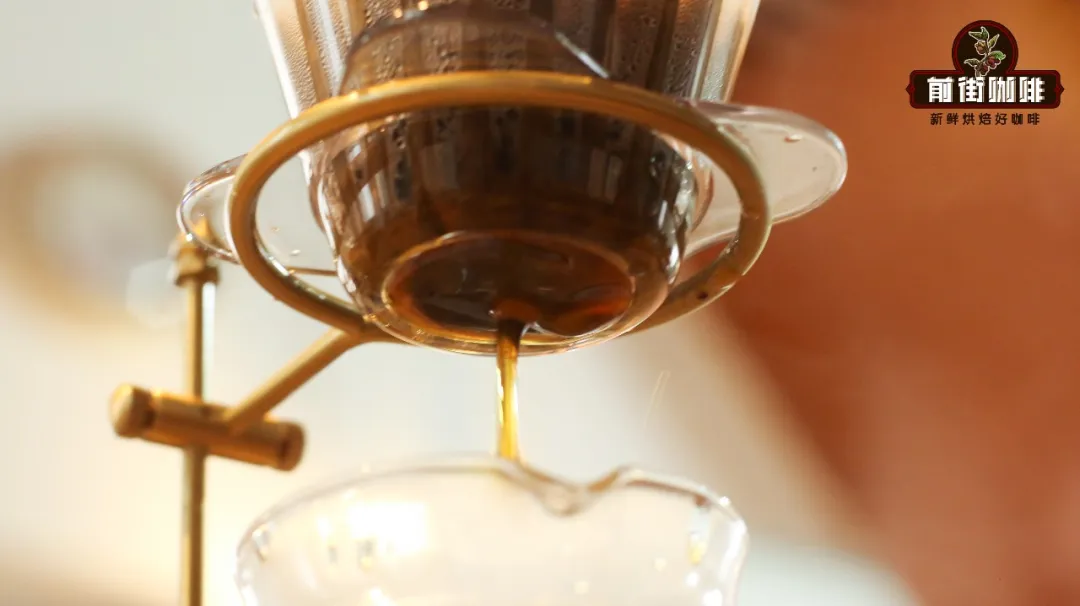
To specifically illustrate the practical application of the large-bottom-hole filter cone, we use a coffee bean from the Gedeb Guji region's Gedi Tingding Cooperative in Yirgacheffe as an example. These beans are grown at high altitudes, processed using the washed method, and lightly to medium roasted, showcasing the typical flavor characteristics of Yirgacheffe coffee, including bright acidity, fresh floral notes, and citrus tones. They are a popular choice for many coffee lovers. However, due to their higher bean density, the water drainage speed is often slower, making them an ideal subject for testing filter cone performance.
Under the standard brewing parameters of a V60 filter cone, using 15 grams of coffee, a 1:15 coffee-to-water ratio, a water temperature set at 92°C, and a 20-mesh sieve to control the uniformity of the coffee grounds (with a sieving rate of 75%–80%), the total brewing time is kept between 2 minutes and 2 minutes 30 seconds. With this set of parameters, the brewed Gedi Tingding beans exhibit a clear balance of sweet and acidic flavors, with a light mouthfeel. The flavor profile is dominated by white floral notes, lemon, green tea, and a hint of berry, giving an overall fresh and lively impression.
If switching to a large-bottom-hole flat-bottomed filter cone for brewing, it is recommended to adjust the grind size coarser by one level, i.e., from a 20-mesh sieve with a 75%–80% sieving rate to a 70%–75% sieving rate, keeping the other parameters the same, and using a multi-stage pouring technique. The specific process is as follows: first, perform a bloom with twice the amount of water relative to the coffee dosage, then divide the remaining hot water into 2 to 4 pours, with the number of pours flexibly adjusted according to the actual water drainage speed. If the water drainage is found to be slow, the number of pours can be increased appropriately, but the later pours are recommended to be done with a center-focused pour to minimize agitation of the coffee bed and avoid over-extraction.
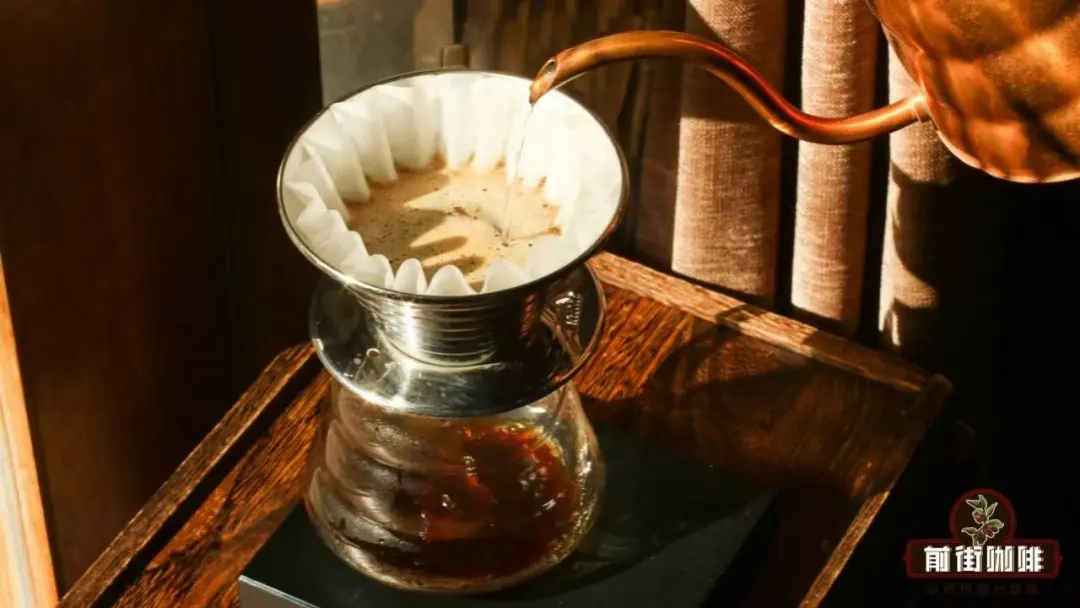
In actual practice, we chose to pour in three stages, with the final stage using a center-focused pour. The total brewing time was approximately 2 minutes and 41 seconds. In terms of flavor, the sweetness was more pronounced, the mouthfeel was solid and full, and although the aroma complexity was slightly less than that of the V60 version, the white floral notes, lemon, and berry flavors were still clearly distinguishable. The overall flavor was more balanced and rounded. This combination is suitable for drinkers who prefer a stable and refined mouthfeel.
In summary, flat-bottomed filter cones, V60 conical filter cones, and large-bottom-hole flat-bottomed filter cones each have their unique features. The former is suitable for beginners seeking stability and forgiveness, the latter can showcase richer flavor layers and flexibility, while the large-bottom-hole filter cone combines the advantages of both, offering diverse adjustment possibilities. With appropriate parameter adjustments and pouring techniques, no matter which filter cone you choose, you can extract satisfying coffee flavors.
The above content is compiled by CoffeeHunters, a coffee news website.


