








Introduction:Do you know why Typica is hailed as the prototype of Arabica coffee? This article will delve into the origins, plant characteristics, and flavor profile of the Typica variety, as well as explore its significant role in the history of coffee trade. We’ll also take you through the actual flavor performance and roasting recommendations of two classic Typica coffees — Jamaica Blue Mountain No.1 and a 2013 offering from a renowned Taiwanese roastery — to help you gain a more comprehensive understanding of the charm of this classic variety.
Typica is often regarded as the representative image of Arabica coffee, not only due to its pivotal position in the history of coffee development but also because of its unique plant appearance and captivating flavor traits. As the “ancestor” of many modern Arabica varieties, Typica holds a crucial place in the variety lineage. This article will start with its historical background, gradually analyze its various characteristics, and compare the actual performances of two well-known Typica coffees — Jamaica Blue Mountain No.1 and a 2013 release from a Taiwanese roastery.
There’s a reason why Typica is considered the “prototype variety” of Arabica. As early as around the 9th century, it originated in Ethiopia and spread to the Arabian Peninsula in the following centuries, becoming a staple of early coffee trade. By 1913, the variety was officially given the scientific name “Coffea arabica L. var. typica Cramer,” where Typica means “typical,” highlighting its benchmark status among Arabica varieties.

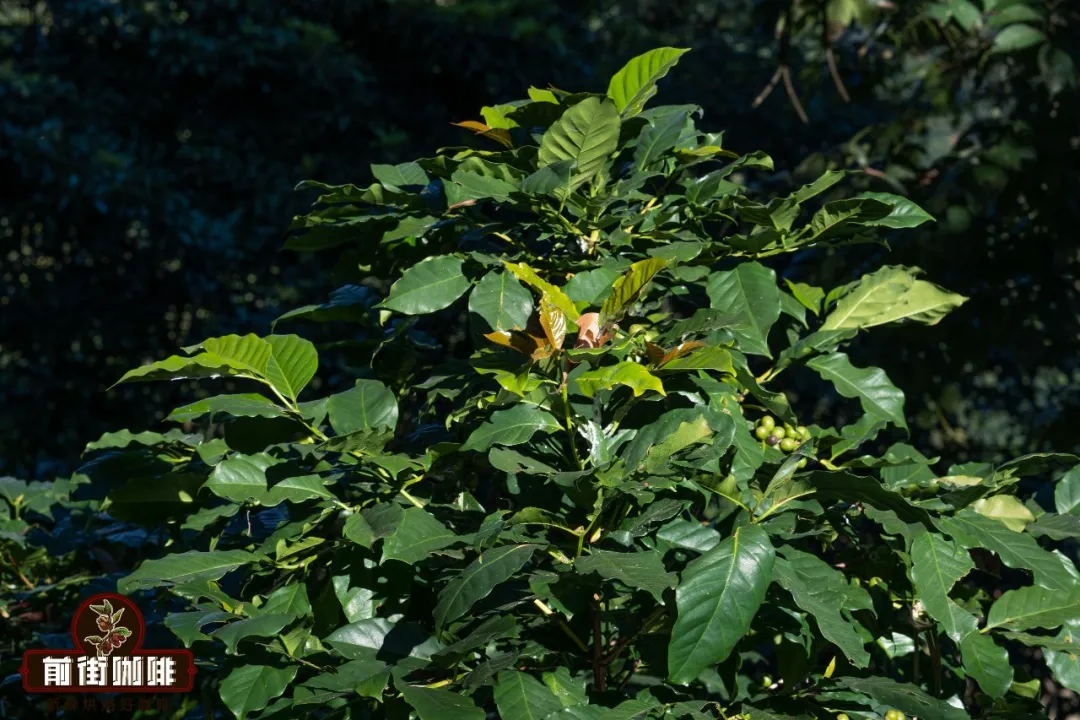
In terms of appearance, the characteristics of Typica are very distinct.The coffee beans are slender and oval-shaped, with relatively large particle size, and the center cut line exhibits a natural S-shaped curve.This stands in sharp contrast to the generally round-bodied Bourbon variety, which is why Typica is often referred to as “long berry.” In terms of the plant, the young leaves of Typica initially display a unique bronze color, creating a contrast with the green of mature leaves — one of the reasons it’s also nicknamed “red-topped coffee.”
Additionally, the tree shape of Typica is distinctly conical, with branches having a gentle curvature, slender trunks, and relatively wide branch spacing, with an overall height that can reach up to 5 meters (approximately 16.5 feet). While these growth characteristics give it a rather ornamental appearance, they also directly impact its yield performance.
Due to the longer distance between branch nodes, the number of fruits per plant is inherently limited. Coupled with the need to maintain sufficient plant spacing to facilitate growth, the planting density per unit area is much lower than that of other high-yield varieties. As a result, Typica’syield is noticeably low,making it less favorable for farmers focused on profitability.
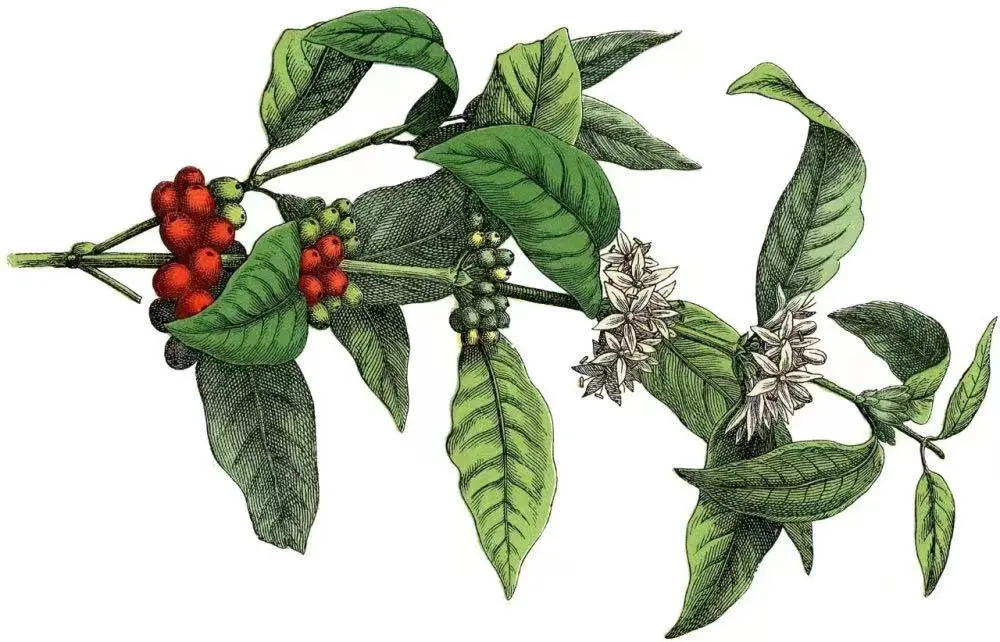
Not only is the yield limited, but Typica also tends to be more “delicate” in terms of disease resistance and adaptability. It has weaker resistance to common diseases such as leaf rust and berry disease, and requires cultivation inhigh-altitude, frost-free regions with abundant rainfall, moderate sunlight, good drainage, and fertile soil.Such environmental conditions are not widespread, so areas capable of producing high-quality Typica are relatively limited.
Even so, many producing regions and brands persist in growing Typica, precisely because of the unique flavor layers it can deliver. That delicate, balanced, and uniquely aromatic expression is hard for many high-yield varieties to replicate. For this reason, some coffee brands focused on classic varieties continue to commit to planting and promoting this classic variety.
For example, a well-known roastery’s “2013” is a Typica variety planted in their own plantation in Lincang, Yunnan in 2013. This coffee is typically processed using the natural (sun-dried) method and roasted to a medium level. When brewed, it showcases good sweetness and a full mouthfeel, with a flavor profile that includes notes of berries, apricot, black tea, and brown sugar, along with a hint of the elegant aroma unique to Typica. It is highly favored by pour over enthusiasts.
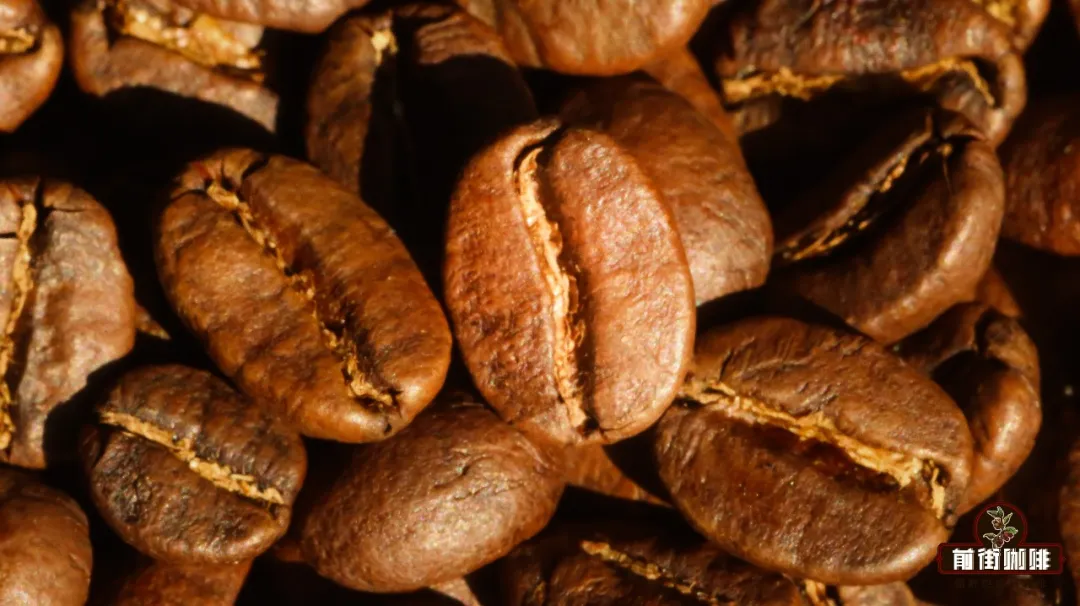
Another classic Typica coffee that cannot be overlooked is Jamaica Blue Mountain No.1 from Jamaica. This coffee also belongs to the Typica variety and is renowned for its exceptional balance and refined, rich mouthfeel. In terms of roasting, it is usually medium-dark roasted to better bring out its chocolate, almond, and cream base tones, along with the elegant floral notes unique to Typica. It performs excellently both as a hot drink and as cold brew, making it a dream coffee for many coffee aficionados.
In summary, Typica is regarded as the “prototype” of Arabica not just for historical reasons, but also because of its distinctive plant traits, rich flavor layers, and unique cultivation challenges. Whether you’re a beginner pour over enthusiast or a seasoned coffee connoisseur chasing ultimate flavors, a deeper understanding of Typica can add depth and appreciation to your coffee journey.
The above content is compiled by CoffeeHunters, a coffee news website.


