








Introduction:Many coffee enthusiasts face this common issue: ground coffee loses much of its aroma if left to sit for a while before brewing. The reason is that once coffee beans are ground, their greatly increased surface area causes the aroma to evaporate much faster than in whole beans. This article delves into the differences in freshness between whole beans and ground coffee, reveals how long ground coffee can maintain its flavor before significant deterioration, and offers professional advice and practical storage methods to help you preserve the essence of every pour over cup.
Many home brewers have encountered a similar situation: after grinding coffee beans, they get distracted and plan to brew later, only to find the resulting coffee almost devoid of aroma and with a flat flavor. You might wonder—wasn’t it just ground? How could it lose its flavor so quickly?
In fact, whole coffee beans maintain their optimal flavor window for about two months. When stored properly during this period, they can still produce coffee rich in complex and layered flavors. However, once the beans are ground into powder, everything changes.

Ground coffee has a significantly larger surface area, leading to an exponential increase in exposure to air, which causes volatile aromatic compounds to dissipate rapidly. Under ideal storage conditions, the peak flavor window of ground coffee is typically only half—or even less—of that of whole beans. This is why professional baristas always emphasize the importance of “grinding right before brewing.”
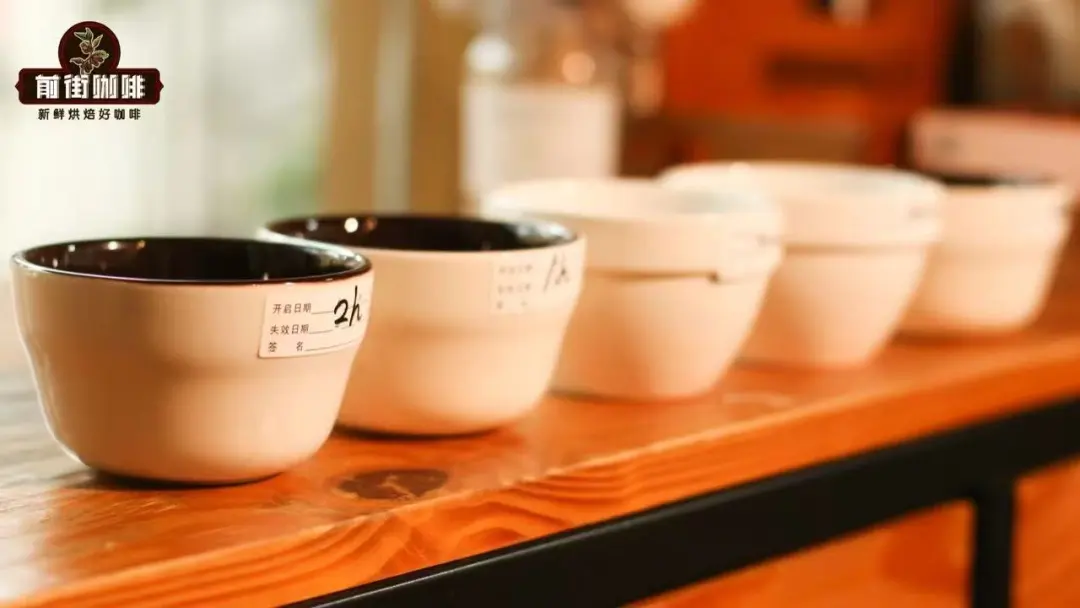
An experiment observed the performance of ground coffee at different grinding times when left unsealed. Testers brewed coffee using grounds ground two hours, one hour, 30 minutes, 10 minutes, and right before brewing, then conducted cuppings. The results showed that only the coffee ground within 10 minutes prior to brewing retained clear and rich aroma, delivering the best flavor performance.

As the time between grinding and brewing increases, the aroma of the brewed coffee gradually weakens. Coffee ground 30 minutes beforehand already shows a noticeable decline in flavor, with the aroma becoming less vibrant. If ground an hour or more in advance, not only is the aroma faint, but the taste also becomes hollow, with significantly reduced complexity.
It’s worth noting that the coffee used in the experiment was stored in relatively airtight containers. If left in open or larger containers, the rate of aroma loss would be even faster, and flavor degradation would be more severe.
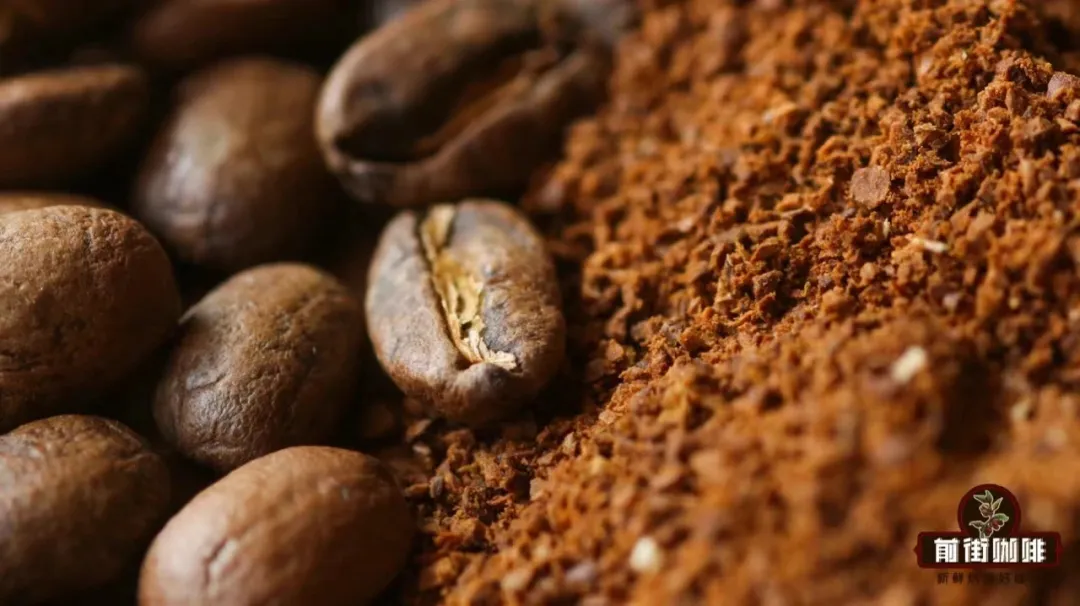
So why is the shelf life of ground coffee so short? The key lies in “surface area.” Once coffee beans are ground, their total contact area with air increases by thousands or even tens of thousands of times. This not only makes it easier to extract flavors during brewing but also accelerates the evaporation and oxidation of the aroma.
The aromatic compounds in coffee beans are inherently volatile, and once ground, these volatiles rapidly escape into the air. Without proper sealing, even short-term storage can lead to a significant reduction in the intended floral, fruity, caramel, or nutty notes.
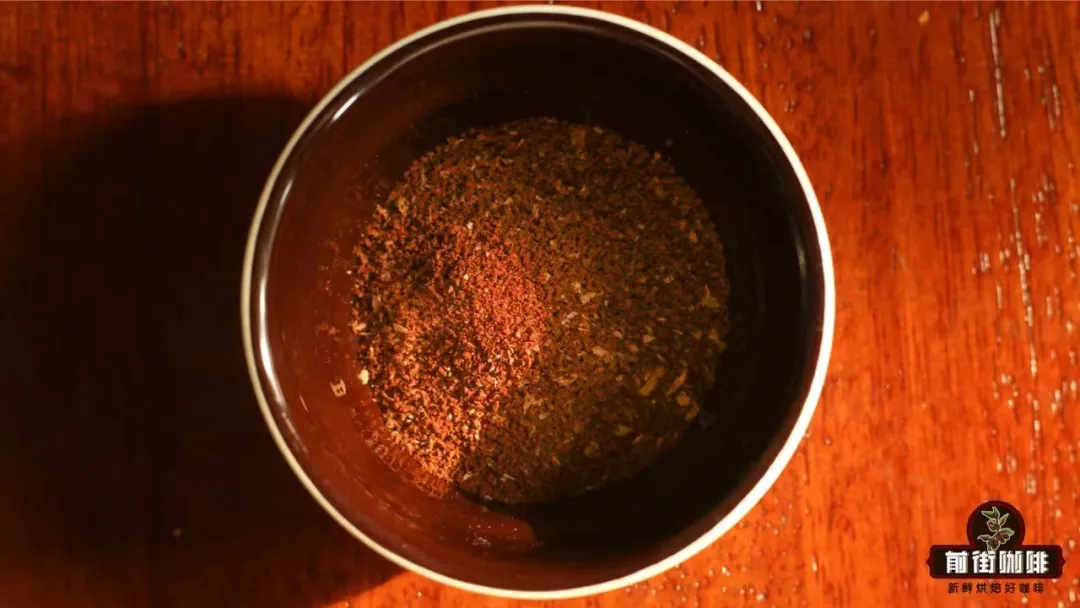
To extend the flavor life of ground coffee, it is recommended to use it as soon as possible after grinding. If immediate brewing isn’t possible, be sure to store it in a container with excellent airtightness and minimize its exposure to air. For example, you can use a sealed jar with a pressure valve or at least cover the opening with a small lid to reduce the ingress of fresh air.
In addition, the storage environment is also crucial. Ground coffee should be kept away from direct sunlight, high temperatures, and moisture, all of which accelerate aroma loss and flavor degradation. Storing it in a cool, dry place can slightly slow down the decline in flavor.
Some may think putting ground coffee in the refrigerator extends its shelf life, but this is actually not ideal. Temperature fluctuations between the fridge and room can cause condensation. Once the coffee absorbs moisture, not only is the aroma compromised, but extraction stability can also be affected. Unless you have professional moisture-proof sealing equipment, refrigerating ground coffee is not recommended.
In summary, the differences in freshness between whole beans and ground coffee mainly stem from variations in surface area and aroma evaporation rates. Whole beans can maintain their optimal flavor for about two months with proper storage, whereas the best flavor window for ground coffee is often just a few minutes to a few hours—and even shorter if not stored properly.
To fully experience the unique flavor of each coffee, the best approach is to grind right before brewing. If pre-grinding is truly necessary, be sure to master the correct storage techniques to ensure every cup of coffee performs at its best.
The above content is compiled by CoffeeHunters, a coffee news website.


