







Introduction:Want to brew 30 grams of coffee grounds using a single-serve 01 V60 filter cone but worried that the large dose might lead to extraction failure? This article dives deep into how you can successfully brew high-dose coffee with a small pour over cone by adjusting grind size, using a multi-pour method, and controlling water temperature. From tested coffee-to-water ratios and extraction times to flavor performance, we provide detailed operational advice to help you master the strategy for handling high doses in a single-serve filter.
Many pour over enthusiasts have faced a similar challenge: you only have a single-serve 01 V60 cone on hand, but need to brew a larger dose of 30 grams of coffee grounds in one go. While increasing the coffee amount may seem straightforward, the corresponding increase in water volume often overwhelms the filter cone—not only affecting extraction but also risking overflow. Is it really impossible to use a small filter cone for a large dose? In fact, with the right adjustments, the 01 V60 can reliably produce balanced, aromatic cups of coffee with a higher dose.
A practical test case showed that using a 01 V60 to brew 30 grams of a certain brand’s Granja La Esperanza Geisha coffee beans—with properly adjusted parameters—achieved an extraction yield of 20.33%. The resulting cup had clear flavor layers, including apricot, berries, citrus, and oolong tea notes, delivering a surprisingly satisfying experience. Below, we’ll break down this hands-on adjustment strategy and brewing process to help you overcome the challenge of using a small filter cone for a large dose.
Many who have tried this approach agree: once the coffee dose exceeds a certain threshold, maintaining stable extraction quality becomes extremely challenging. The key issue is that as the dose increases, so does the required water volume—but the structural design of a single-serve filter cone simply cannot accommodate that much hot water, especially under a rapid, high-volume pour, which can quickly push the cone to its capacity limit.
Take the classic three-pour method as an example: if using 15 grams of coffee, the second pour typically accounts for two-thirds of the total water volume. Calculated at a 1:15 coffee-to-water ratio, that’s about 150 milliliters of hot water. But when the dose is increased to 30 grams, and you maintain the same ratio, the second pour would require 300 milliliters—plus the coffee grounds already occupy a significant amount of space—quickly exceeding the single-serve filter’s capacity.
If you try to avoid overflow by increasing the number of pours, although you can control the volume per pour, the overall brewing time is extended, which can easily lead to over-extraction and negatively impact the final flavor balance and clarity. Therefore, a single-serve filter cone is indeed more suited for brewing 1–2 small cups; if you want to challenge doses above 30 grams, multiple parameter adjustments are essential.
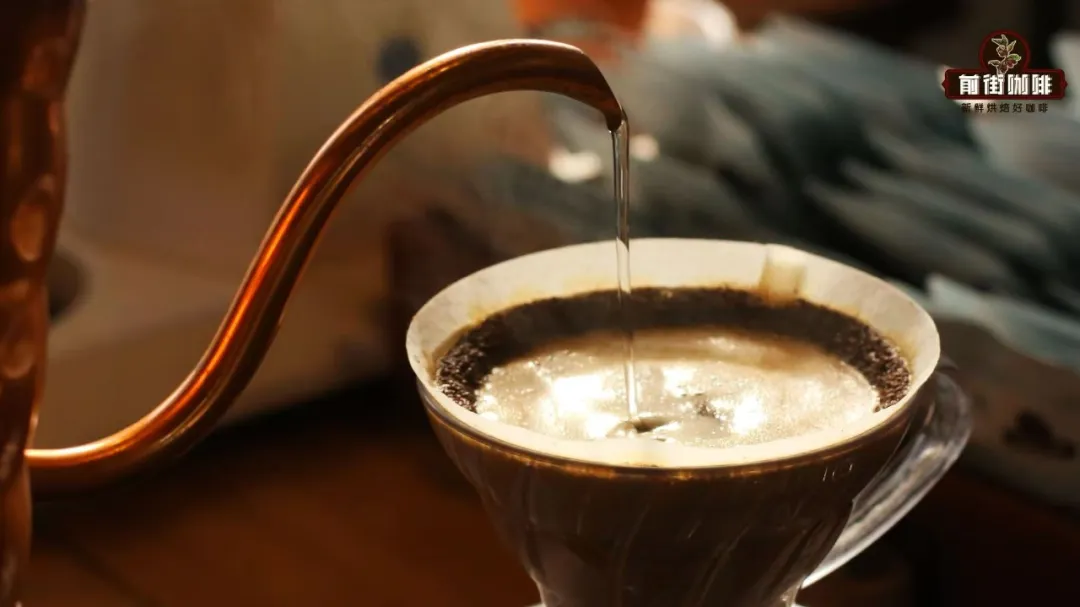
Though the challenge is real, brewing 30 grams of coffee with a 01 V60 is not impossible. The key lies in changing your brewing strategy—by adopting a multi-pour approach, adjusting grind coarseness, and controlling water temperature, you can effectively improve extraction efficiency and avoid over-extraction. This method has been validated in practice and can reliably produce multi-cup brews with clear flavors and balanced mouthfeel.
In practice, the first step is to move away from traditional one-pour or three-pour methods and instead adopt a strategy with more pours and smaller volumes per pour. This helps reduce the instantaneous load on the filter cone, preventing issues caused by too much water being poured in at once. Additionally, as the number of pours increases, the overall brewing time will naturally lengthen. To avoid over-extraction, it’s recommended to adjust both grind size and water temperature simultaneously, managing extraction efficiency through dual controls.
Here’s a specific test case: using a 01 V60 filter cone and 30 grams of coffee, the grind setting was adjusted from 75%–80% through a 20-mesh sieve to 70%–75% through the same sieve—that is, slightly coarser. This helps reduce the contact area between coffee grounds and water, speeds up drawdown, and thus adjusts overall extraction efficiency.
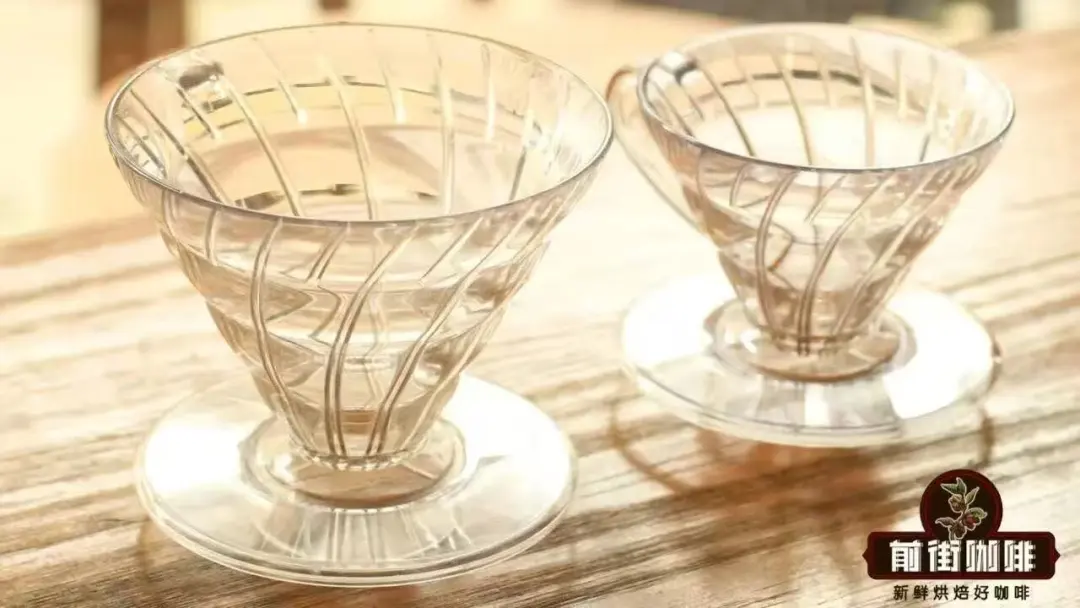
Other recommended parameters are as follows: 30 grams of coffee, a coffee-to-water ratio maintained at 1:15, and a brewing water temperature set to 92°C. Use a high flow rate throughout the brew. Start with a 50-milliliter bloom pour for about 30 seconds to allow the coffee grounds to fully release CO₂.
Next comes the second pour: using a high flow rate, pour in a circular motion until the filter cone is nearly full. This stage involves about 150 milliliters of hot water, bringing the cumulative total to 200 milliliters. Wait for the water level in the cone to naturally drop until the coffee bed is fully exposed, then repeat the same pouring method. Continue this process until the target total water volume is reached.
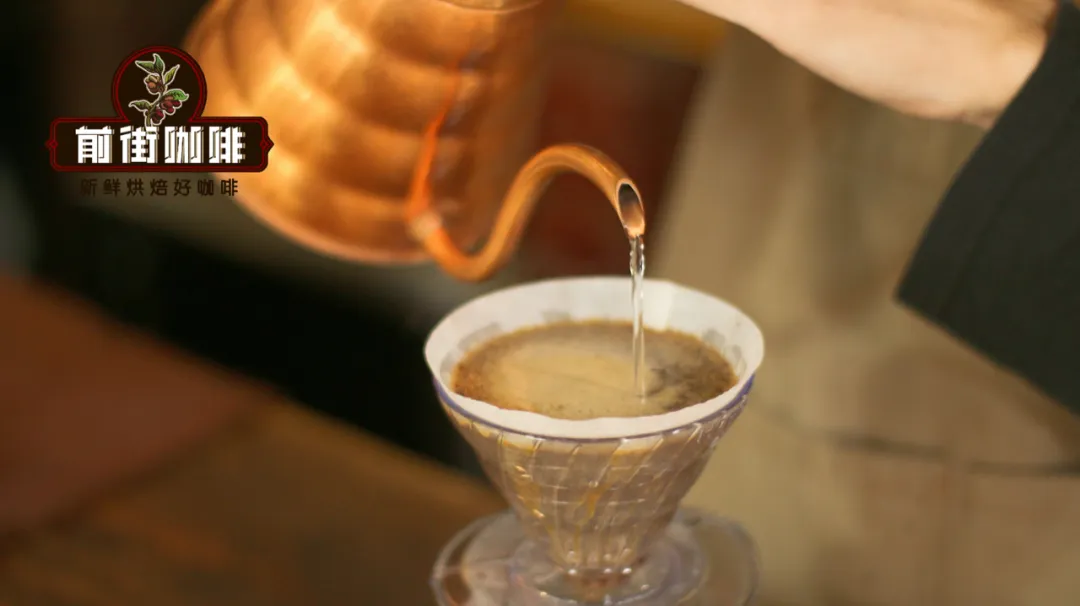
Although the overall brewing time may extend to nearly 3 minutes, with the combination of the above parameters and techniques, the coffee did not exhibit over-extraction. The actual measured extraction yield was 20.33%, and the flavor performance was outstanding—with pronounced sweetness and clear notes of apricot, berries, citrus, and oolong tea. The overall profile was balanced and layered.
In summary, brewing 30 grams of coffee with a single-serve 01 V60 filter cone is indeed challenging, but by adjusting grind size, using a strategic multi-pour method, and controlling water temperature, you can still reliably produce high-quality coffee. If you often find yourself needing to handle large doses with a small filter cone, consider trying this practical method—it might just bring a new breakthrough to your pour over experience.
The above content is compiled by CoffeeHunters, a coffee news website.


