







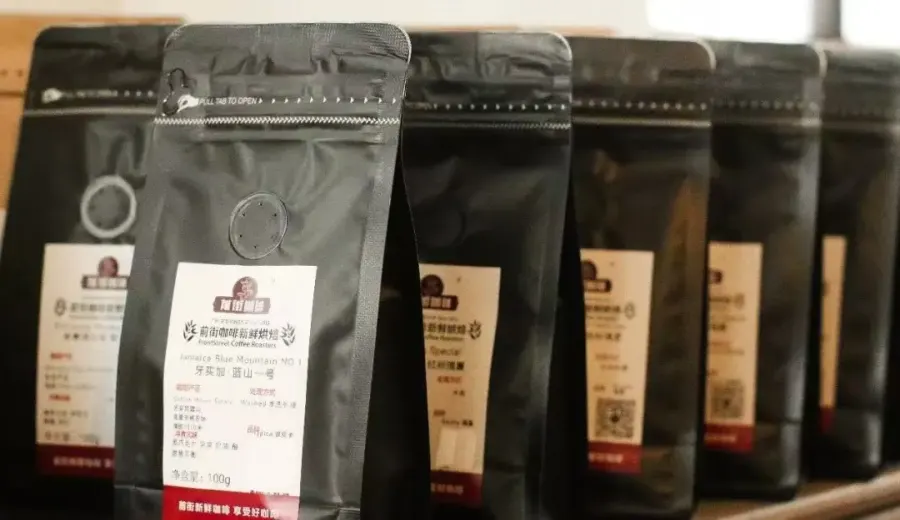
Introduction:Selecting a pour over coffee bean with a fresh flavor profile and clean taste is a common starting point for many coffee enthusiasts. This article delves into how to choose high-quality beans with refreshing flavors and bright acidity from three key dimensions: roast level, processing method, and origin characteristics. It also highlights classic beans such as Yirgacheffe Guji Dingding and Washed Geisha, which are well-suited for pour over and cold brew, helping you easily find your desired flavor.
If you enjoy the bright, clean taste in pour over coffee, then choosing the right coffee beans is key. Whether the flavor is refreshing often depends on the roast level, processing method, and terroir. Lighter roasts preserve more fruity acidity and delicate aromas, while washed processing helps control fermentation, resulting in purer coffee flavors. African and Central and South American origins are particularly known for producing such flavor profiles. With an understanding of these elements, you can quickly zero in on your ideal coffee beans.
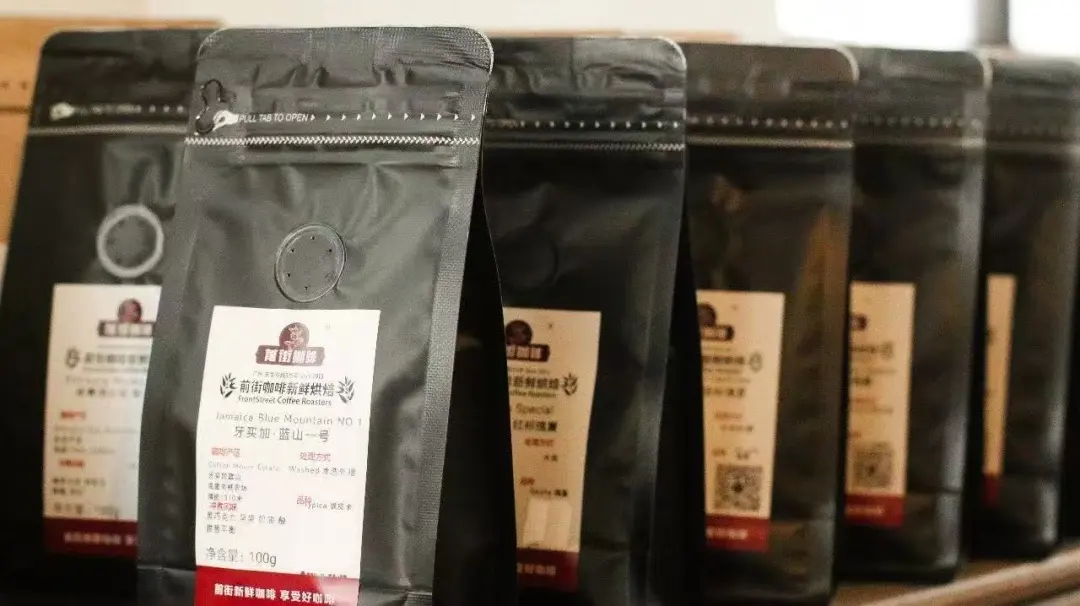
When buying coffee beans online, finding beans that suit your taste is actually simpler than you might think. You don’t necessarily have to rely on customer service recommendations—just focus on a few core aspects—such as origin, processing method, and roast level—to gradually discover your perfect “bean of choice.” These elements are also the key factors influencing how a coffee’s flavors are expressed. Many people often ask: “Are there any recommended coffee beans with clean flavors and a refreshing taste?” Below, we’ll share practical selection tips from these three perspectives.
I. Choose the Right Roast Level: Light or Medium-Light Roasts Are More Refreshing
To showcase a fresh flavor profile, it’s recommended to prioritizemedium-light or light roasts. The reason is that the darker the roast, the more the coffee’s aroma tends toward intense and heavy notes, which can mask the delicate fruit acids and floral notes.
So-called fresh flavors typically include elements like lemon, white floral notes, and berries. These flavor characteristics are light, vibrant, and uplifting. Such qualities mainly come from the natural organic acids in the coffee beans, which are largely preserved during light roasting. In contrast, dark roasting involves prolonged Maillard and caramelization reactions, leading to a loss of acidity and the emergence of rich caramel, nutty, and chocolatey tones. The flavor becomes more subdued and even bitter, which is the opposite of “fresh.”
Therefore,when selecting coffee beans with a fresh taste, the first rule is to avoid dark roasts, with medium-light or light roasts as the top choices.

II. Select the Processing Method: Washed Processing Enhances Cleanliness
If you value the cleanliness of coffee, it’s recommended to prioritizewashed processing. Compared to other methods, washed processing more effectively controls fermentation, resulting in clearer and less muddled flavors.
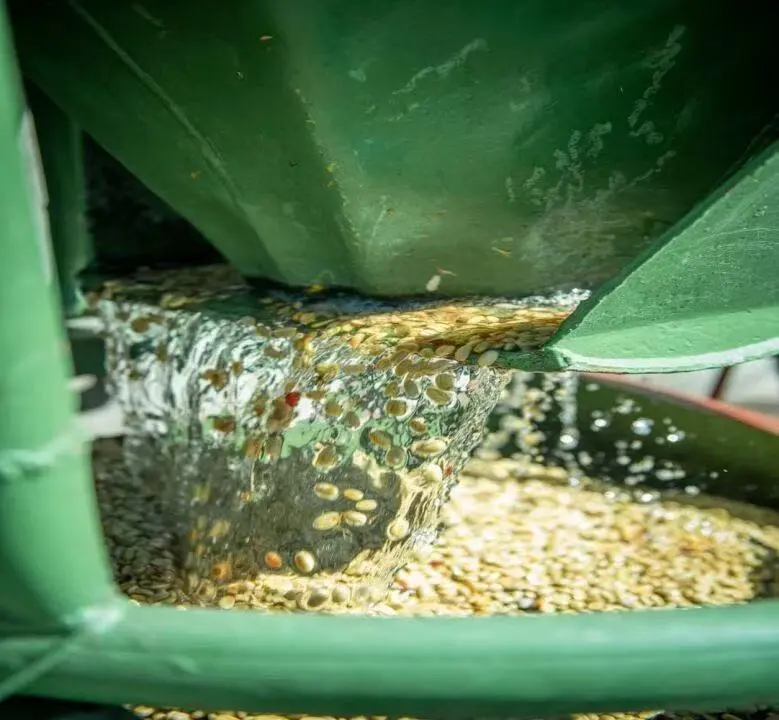
The steps of washed processing generally include: first removing defective beans through floatation, then mechanically stripping the pulp and flesh, followed by soaking the mucilage-covered beans in water to remove stickiness, and finally drying them briefly in the sun. This process removes most sugary and watery tissues, and since fermentation time is short—usually completed within about a week—it preserves the coffee beans’ original acidity and fruity aromas. The flavor profile is thus cleaner and more layered.
Of course, honey and natural processed beans can also sometimes exhibit clean flavors—certain beans with lower fermentation levels can also present fresh characteristics. But overall,if you want to reduce the difficulty of selection, washed processing is a more reliable and easier-to-manage option.
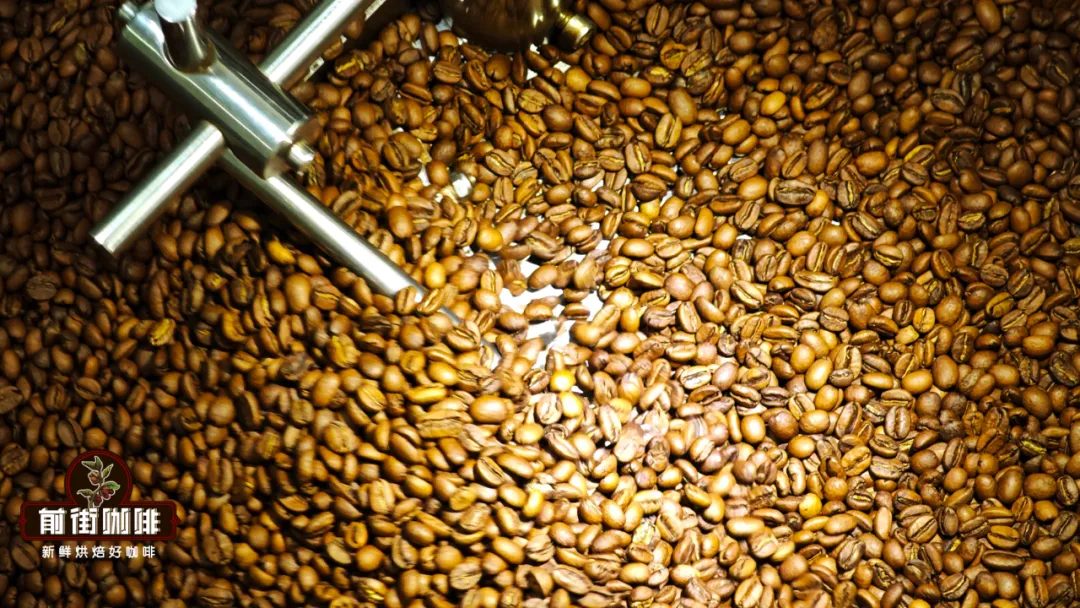
III. Focus on Origin: Africa and Central/South America Are Hotspots for Fresh Flavors
Differences in origin directly influence the flavor expression of coffee beans. Even with the same variety, the balance of acidity and sweetness, as well as the direction of aromas, can vary greatly under different altitudes, climates, and soil conditions.
African and Central and South American origins, due to their climate being suitable for coffee tree growth and generally featuring high-altitude environments, commonly produce coffees with bright fruit acidity, floral notes, and citrus tones. These are globally renowned origins for high-freshness coffees. Among them, Ethiopia’s Yirgacheffe is one of the representative regions for clean-washed beans.
Therefore, if you’re looking for a coffee bean with a refreshing flavor and clean taste, you might as well prioritizeAfrican and Central/South American origins, medium-light roasts, and washed processing. Your chances of success will be greatly increased.
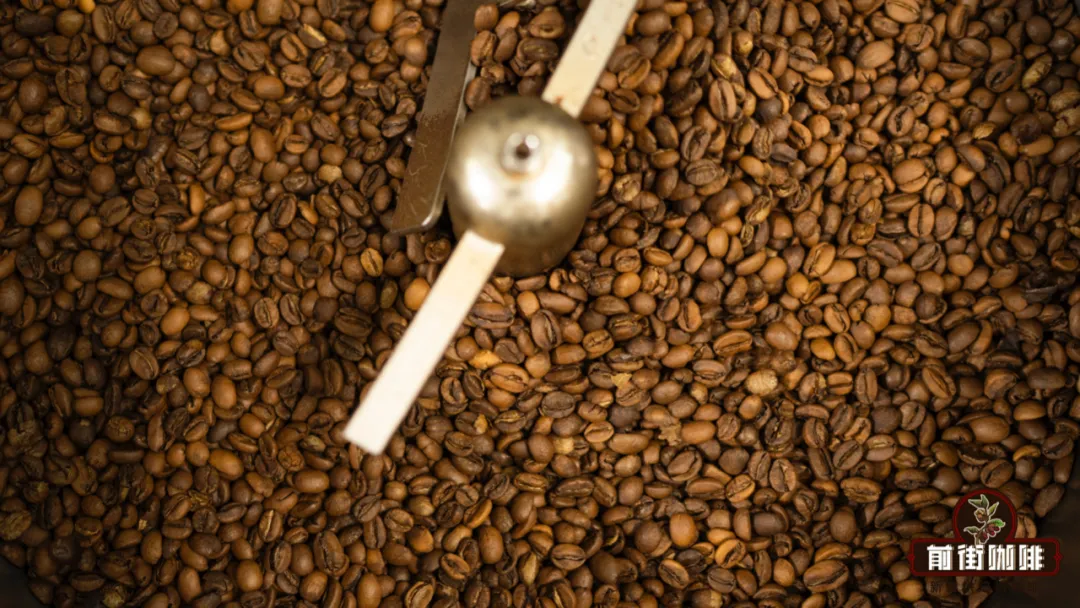
Practical Recommendations: Yirgacheffe Guji Dingding and Washed Geisha
Combining the above criteria,Yirgacheffe Guji Dingdingis an excellent example. This washed Ethiopian bean is known for its jasmine, lemon, and green-tea-like freshness. It has a light yet substantial mouthfeel, a long finish, and is highly suitable for pour over or cold brew, allowing its delicate fruit acids and layered aromas to shine.
Another recommendation isWashed Geisha, from Colombia’s La Esperanza Estate. This bean also uses a medium-light roast and washed processing. When brewed, it releases intense floral notes, paired with rounded citrus and subtle pine and vetiver aromas. The flavor is both fresh and distinctive, and it’s also suitable for pour over and cold brew, making it a great choice for exploring new flavor profiles.
Once you master these three key elements—roast level, processing method, and origin—selecting a pour over coffee bean with clean flavors and a refreshing taste will no longer be difficult. Start with the recommendations above, and personally experience the subtle differences in various flavors to find the bean that suits your palate best.
The above content is compiled by CoffeeHunters, a coffee news website.


