







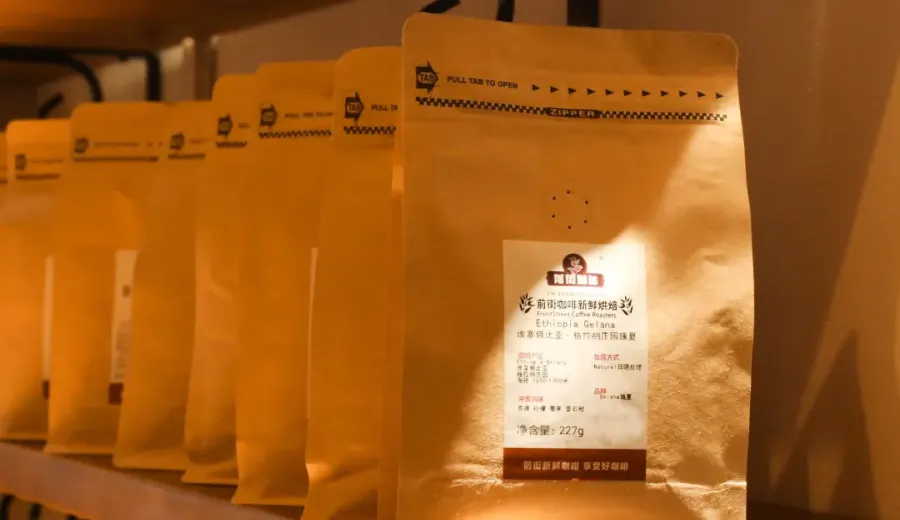
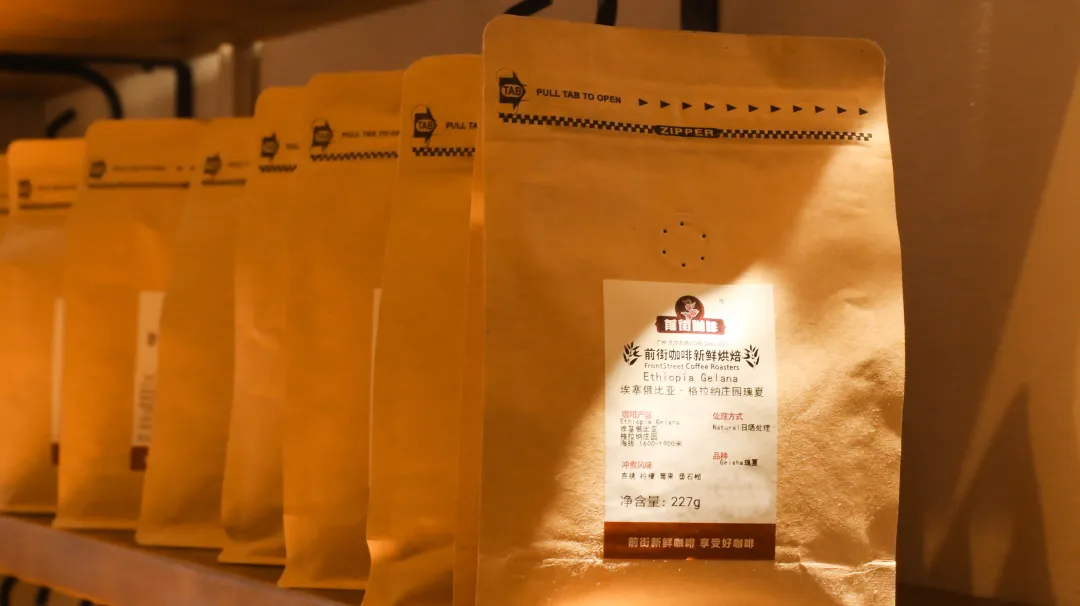
Introduction:This Ethiopian high-altitude-grown Gran Geisha, roasted to a medium-light level, showcases flavors of apricot, berries, and a green tea finish. With its vibrant flavor profile and dense bean structure, it is best brewed with high water temperature and a fine grind. This article provides a detailed breakdown of the three-stage pour-over brewing parameters for this coffee, and explores the extraction ratios and flavor-balancing techniques for making Americano, latte, and Dirty-style milk coffees, helping you find the optimal performance based on different brewing methods.
The sun-dried Geisha from Ethiopia’s Gran Estate, roasted to a medium-light degree, offers a rich fruit character with notes of apricot, berries, and guava, finishing with a hint of refreshing green tea. Grown at high altitude and roasted lightly, these beans have a relatively high density. To fully highlight their layered complexity and unique flavors, an efficient brewing strategy is required—including higher water temperature, finer grind size, and moderate extraction time.
Below, we’ll fully break down the pour-over brewing guide tailored for Gran Geisha, and further explain how to use this coffee to make well-balanced Americanos, lattes, and Dirty-style espresso-based drinks. Whether you prefer black coffee or milk coffee, you’ll gain practical reference frameworks and tuning tips.
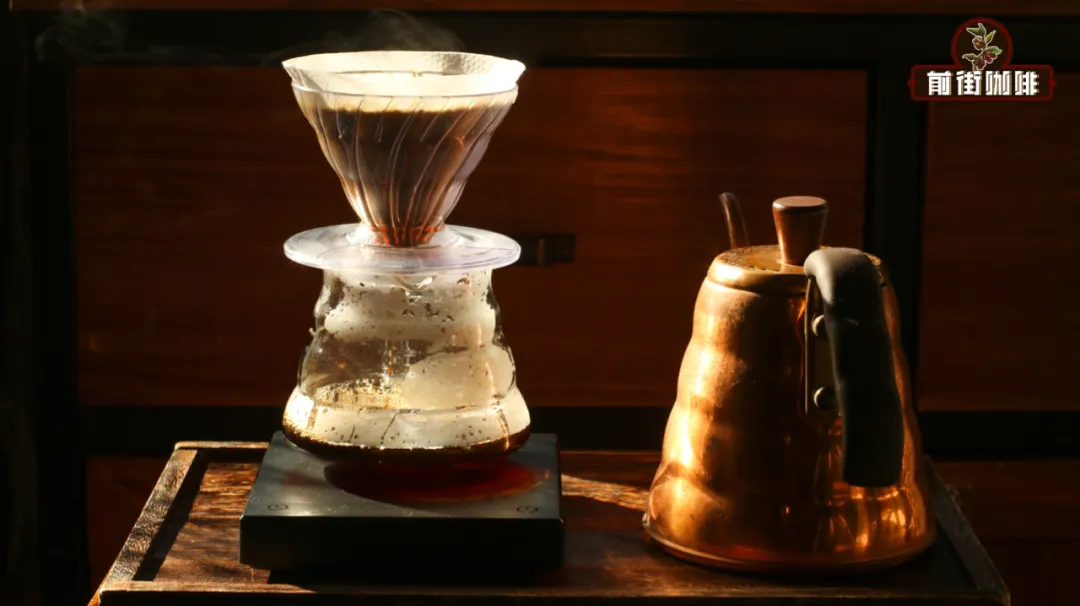
For pour-over brewing, it is recommended to use the three-stage pouring method, with water temperature set between 90°C and 93°C, grind size passing through a #20 sieve at 75% to 80% extraction rate, and a fixed powder-to-water ratio of 1:15. Using 15 grams of coffee, the total extraction time should be controlled around 2 minutes to fully bring out the fruit aroma and the green tea-like quality in the aftertaste.
The actual steps are as follows: First, pour hot water equal to twice the coffee dose for a 30-second bloom to activate the grounds and release aroma. After blooming, pour the second stage of about 120 ml of hot water using medium flow along a spiral (mosquito coil) path, focusing the flow on the center of the coffee bed and avoiding contact with the filter edge. When the water level drops to the base of the coffee bed, continue with the third stage of 75 ml of hot water. At this point, the coffee bed may slightly sink due to absorption, so it’s advised to switch to a smaller stream and focus extraction on the central zone, using small circular movements.
Once the third pour has completely dripped through, you can remove the filter. If the entire process takes between 2 and 2 minutes 30 seconds, it usually indicates that this cup of Gran Geisha achieves an ideal balance in extraction yield, concentration, and flavor expression.
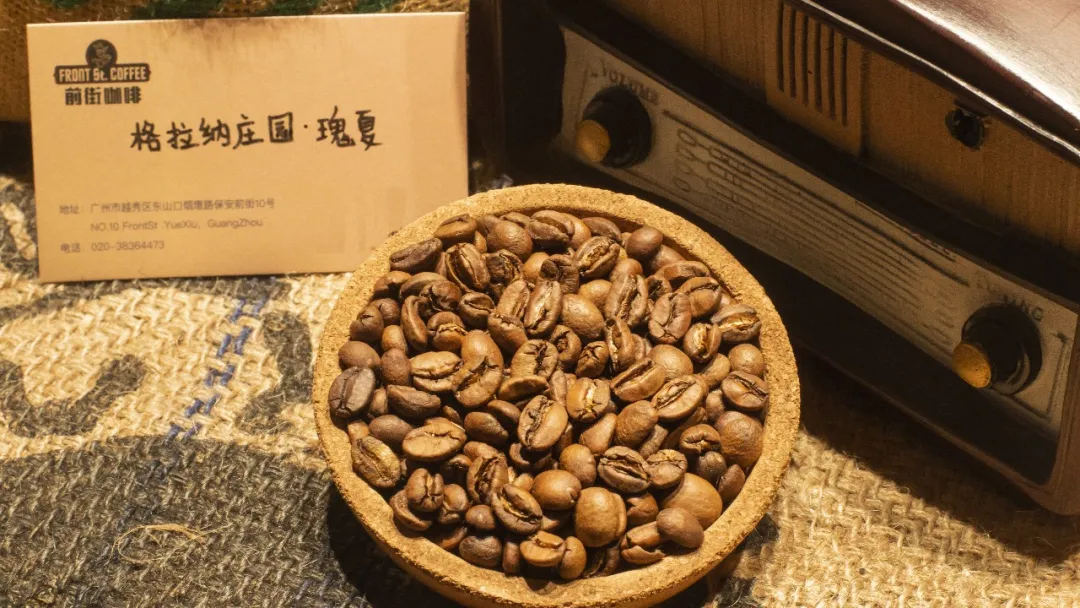
Beyond black pour-over coffee, many coffee enthusiasts also enjoy grinding Gran Geisha into a very fine powder for various espresso-based drinks such as Americano, latte, and Dirty. This transition is entirely feasible, but it’s especially important to note that when used in milk coffee, it’s advisable to increase extraction slightly to avoid overly dominant acidity that could affect overall flavor harmony.
For example, if you choose to make an Americano using a moka pot or espresso machine—since it’s essentially espresso diluted with water—as long as the coffee is sufficiently extracted, there’s relatively more flexibility in the coffee-to-water ratio, without needing to obsess over the espresso strength itself. However, for milk-based drinks like lattes or Dirty, it’s essential to balance both concentration and extraction yield to harmonize the acidity in the coffee and prevent the resulting drink from tasting thin after milk is added.
The practically recommended coffee-to-water ratio is 1:2, with extraction time controlled between 30 and 40 seconds. This parameter combination ensures sufficient concentration while extending extraction time slightly to release more bitter compounds, effectively neutralizing acidity and enhancing overall flavor balance and sweetness.
These parameters are empirically recommended, but in practice, slight adjustments based on personal taste and extraction results are advised. As an example, one test used 20 grams of coffee to produce 40 ml of espresso in 35 seconds, yielding a concentration of approximately 11.14% and an extraction yield of 23.09%. Although the extraction yield is slightly on the high side, the overall taste is balanced with excellent sweetness, making it suitable for pairing with milk to create milk coffee.
For milk coffee ratios, it is suggested to use a 1:4 coffee-to-milk proportion—that is, 40 ml of espresso paired with 160 ml of milk. This ratio helps fully express the berry, floral, and milk-tea-like characteristics inherent in Gran Geisha, while preventing the richness of the milk from masking the coffee’s original freshness.
This combination not only maintains the smooth mouthfeel of the milk coffee but also makes the berry and floral layers more pronounced, resulting in an overall very pleasing cup. Even if you’re using a moka pot, you can refer to similar extraction and blending logic to produce high-quality milk coffee with a comparable flavor profile. If you’d like to learn more about moka pot operation details, consider referring to related feature articles for comprehensive hands-on guidance.
In summary, thanks to its high-altitude origin and natural sun-dried processing, Gran Geisha can deliver unique fruity aromas and layered aftertastes whether brewed as a pour-over black coffee or used as a base for espresso-based milk drinks. By mastering the right extraction parameters and blending ratios, you can easily recreate a professional-grade flavor experience at home. Additionally, as this is freshly roasted coffee, if you don’t plan to let it rest immediately, it’s recommended to let it sit for 1–2 minutes before grinding to allow residual CO₂ and harshness to dissipate, which helps improve extraction consistency and overall taste.
The above content is compiled by CoffeeHunters, a coffee news website.


