








Introduction:Pulling beautiful and stable latte art isn’t just about technique — the condition of the espresso crema is a crucial factor. This article dives deep into how the thickness and fineness of crema affect latte art outcomes, and provides three practical adjustment techniques for common issues like overly thick or thin crema, including scraping off excess crema, adjusting milk foam thickness, and pre-infusion steps. These tips will help coffee lovers achieve exquisite latte art even under various brewing conditions.
To consistently pull beautiful latte art patterns, besides skilled hand movements, the condition of the espresso crema also plays a vital role. Many people find in practice that even with correct technique, poor crema condition can still easily lead to failed latte art. In fact, this is closely related to the freshness of the coffee beans. Beans that are too fresh contain excessive carbon dioxide, which makes the crema coarse and prone to clumping; while beans that have been stored too long may have released most of their CO₂, resulting in a crema that’s too thin — both making latte art more difficult.

Therefore, if you want to consistently produce patterns, you can’t rely solely on fixed techniques; you also need to flexibly adjust based on the actual state of the crema at hand. This article will start from the condition of the crema, analyze its impact on latte art, and provide three practical tips: moderately scraping off excess crema, adjusting the milk foam to a thinner state, and using pre-infusion techniques. These will help you still create beautiful latte art patterns even when faced with less-than-ideal crema conditions.
Additionally, the performance of the crema is not directly related to the overall flavor of the coffee, but is influenced by factors such as bean variety, roast level, and freshness. If you’re looking to choose a coffee bean that can both produce beautiful patterns and deliver rich flavor, consider selecting a specially blended espresso blend — these are usually designed to balance both crema performance and flavor complexity.
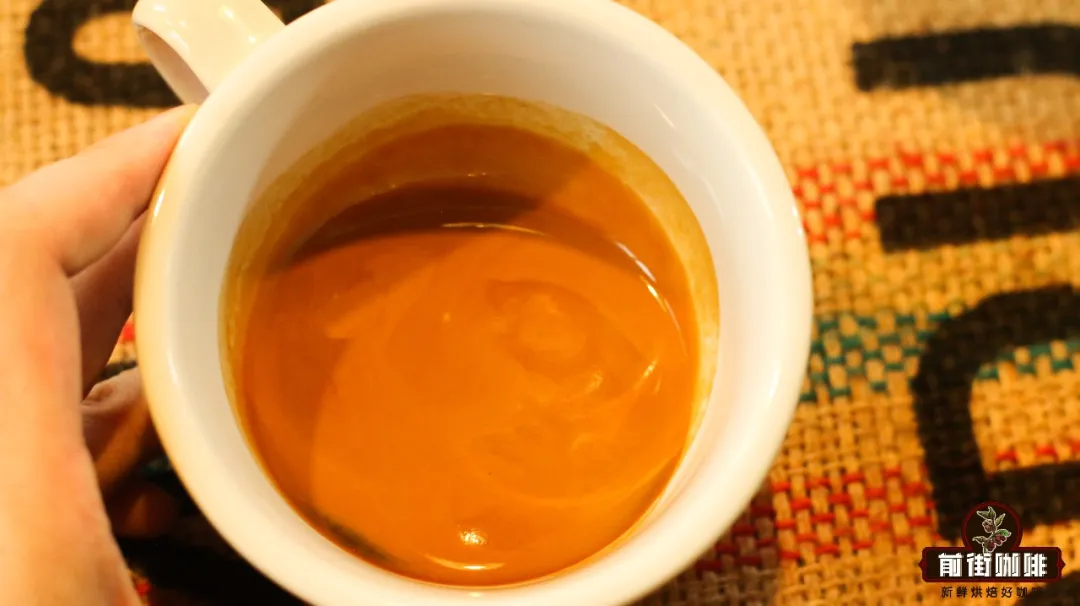
The ideal espresso crema should be fine, stable, and of moderate thickness. When coffee beans are at their optimal flavor window, the extracted crema layer offers good fluidity and support, making it easier to control the milk foam during pouring and latte art, resulting in clear and well-defined patterns. Such crema not only aids latte art but also enhances the overall visual and taste experience of the drink.
However, if the coffee beans are too fresh and haven’t yet fully released their internal carbon dioxide, the extracted crema may appear thick but is actually loosely structured, coarse, and fragile. This kind of crema can easily break apart or clump quickly during latte art, preventing the milk foam from flowing smoothly and making it hard to form patterns.
Conversely, if the coffee beans have been stored for too long and nearly all the carbon dioxide has dissipated, the resulting crema layer will become extremely thin, almost invisible. In this case, the fluidity of the liquid increases significantly, and when the milk foam mixes with the coffee, it tends to spread easily, causing the latte art patterns to deform or lose precision — especially challenging for beginners.

To address these situations, there are several simple yet effective adjustment methods that can help you successfully complete latte art even when the crema condition is not ideal. First, if the crema is too thick and coarse, it’s recommended to use a spoon or a specialized tool to moderately scrape off the excess surface crema, reducing its interference in the latte art process. Though this step may seem simple, it can effectively improve the structure of the crema layer, allowing the milk foam to blend more evenly with the coffee.
The second method is to adjust the thickness of the milk foam. Creating milk foam that is relatively light and fine can enhance its fluidity. During pre-infusion, you can slightly increase the milk flow rate and pouring distance to help disperse any potential clumps, enabling the milk foam and coffee to mix more uniformly, thereby improving the stability of the latte art and the clarity of the patterns.

If you’re dealing with extremely thin crema with high fluidity, then it’s recommended to use the pre-infusion technique. Pre-infusion refers to slowly pouring a small amount of milk foam into the espresso before officially starting the latte art, and gently shaking it from side to side to allow the coffee and milk foam to mix in advance. This approach has two benefits: first, it allows for more uniform blending of coffee and milk foam, resulting in better consistency on the liquid surface and a more balanced flavor expression; second, it can partially compensate for the lack of crema, reducing the risk of excessive liquid flow and making the latte art process more controllable.
This method is also applicable to cases where the crema is too coarse, helping to stabilize the overall liquid state before drawing the pattern, thus increasing the success rate of latte art. Pre-infusion is not only an emergency technique but also a common strategy used by many professional baristas when dealing with special crema conditions.
In summary, the condition of the espresso crema has a significant impact on the success of latte art. By understanding the causes behind variations in crema thickness and fineness, and applying techniques such as scraping off excess crema, adjusting milk foam thickness, and pre-infusion, you can effectively overcome the challenges brought by different brewing conditions. This way, even under less-than-ideal circumstances, you can still consistently create beautiful and aesthetically pleasing latte art patterns.
The above content is compiled by CoffeeHunters, a coffee news website.


