








Introduction:Struggling with your home-brewed espresso that always flows too fast and tastes thin? It’s likely an issue with your grind size. This guide will walk you through how to quickly diagnose and adjust your grind fineness using two key parameters — the "1:2 coffee-to-water ratio" and "30-second extraction time" — to resolve under-extraction and channeling issues. You’ll learn how to create a rich, bold espresso base, along with recommendations for dark roast blends ideal for milk-based coffee, helping you consistently pull café-quality espresso shots at home.
When making espresso at home, do you often find the flow too quick, resulting in coffee that tastes weak and watered down like plain water? Even when following the common 1:2 coffee-to-water ratio, your espresso may still lack the richness and body typically found in café-made drinks. In most cases, the root cause is improper grind settings, which prevent the full release of coffee flavors and hinder overall extraction efficiency.
To improve this, you don’t need expensive equipment or complex techniques. Just master two basic extraction parameters — the "1:2 coffee-to-water ratio" and an "extraction time of around 30 seconds" — and you can consistently brew a rich, flavorful espresso that lays a solid foundation for milk-based drinks. Additionally, we’ll explore how roast levels affect flavor and recommend dark roast blends suitable for milk coffee, helping you get up to speed more quickly.
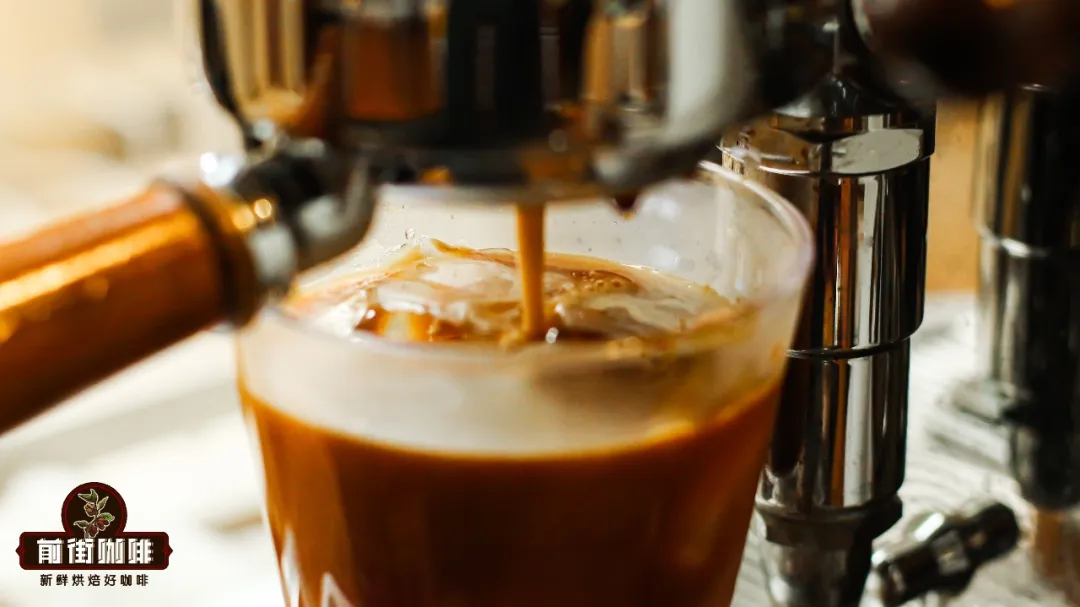
Many users report that even when using the correct coffee-to-water ratio at home, their homemade espresso still tastes “watery” — lacking the richness and smooth mouthfeel expected from café-made espresso, whether consumed straight or with milk. This is usually because the flavor compounds in the coffee aren’t fully dissolved during extraction, resulting in a coffee liquid that lacks the concentration needed to support a full flavor profile and body.
The primary reason for this is often using a grind that’s too coarse. When the grind is set too rough, the surface area of the coffee grounds in contact with water decreases, the resistance formed by the coffee puck is relatively low, and water flows through too quickly. This leads to insufficient extraction time, reduced extraction efficiency, and failure to effectively extract flavor compounds.
Common issues include overly short extraction times (for example, under 25 seconds). Even if the coffee liquid reaches a 1:2 ratio, the taste may be flat and lack complexity, and in some cases, obvious channeling may occur — especially when using bottomless portafilters, where you might even observe splashing water streams.
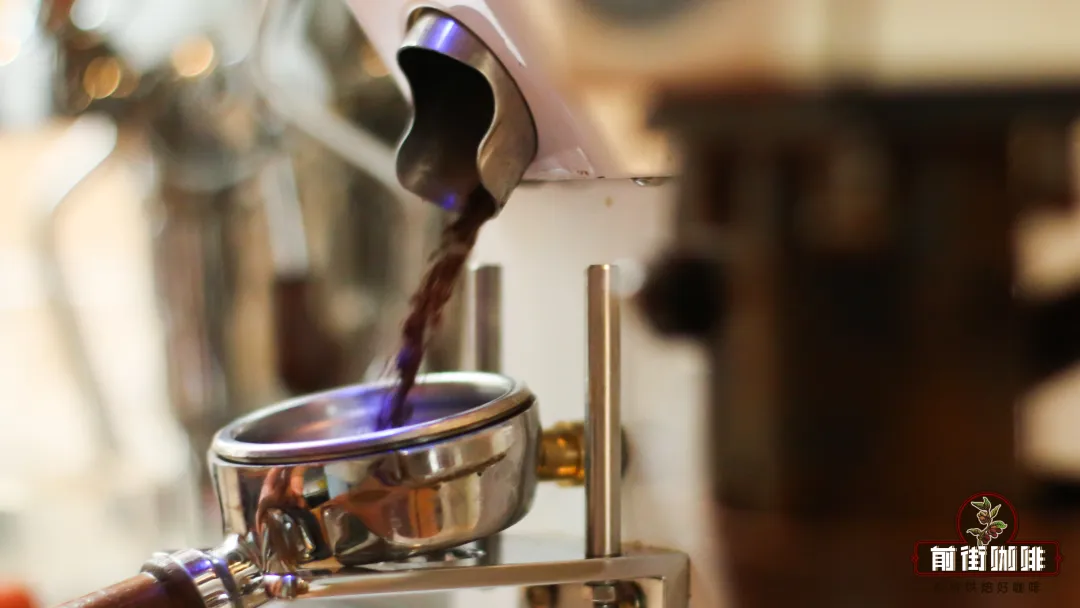
The key to brewing espresso suitable for milk-based drinks lies in adjusting the grind so the extraction time falls within the ideal range. The most straightforward way to determine if your grind is appropriate is to observe the extraction time and pressure readings, then fine-tune based on your actual taste experience.
For beginners, it’s recommended to start with the simple combination of a "1:2 coffee-to-water ratio" and an "extraction time of about 30 seconds." These two parameters effectively balance concentration and extraction yield. Specifically, if you’re using 20 grams of coffee grounds and aiming to extract 40 grams of coffee liquid, the ideal extraction time should fall between 25–35 seconds, preferably within a 30±5 second range.
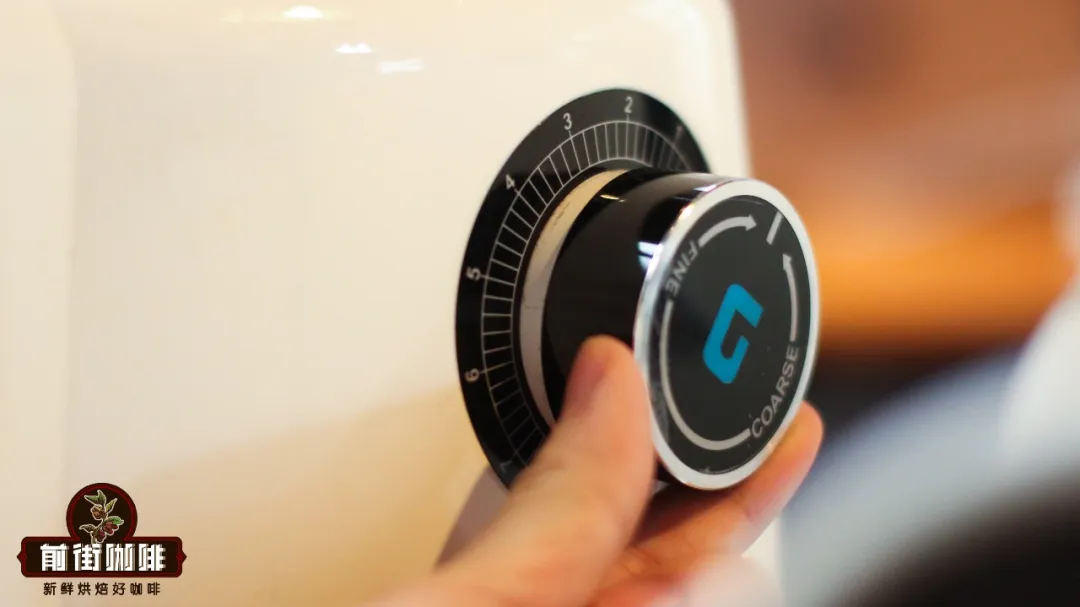
In practice, try a test extraction first and observe the flow rate and time. If the extraction finishes too quickly (for example, within 25 seconds), it indicates the grind is too coarse — you’ll need to adjust your grinder to a finer setting. If it takes over 35 seconds, the grind may be too fine, causing slow flow, so you should adjust to a coarser grind. Make gradual adjustments until you find the grind setting that brings the extraction time into the ideal range.
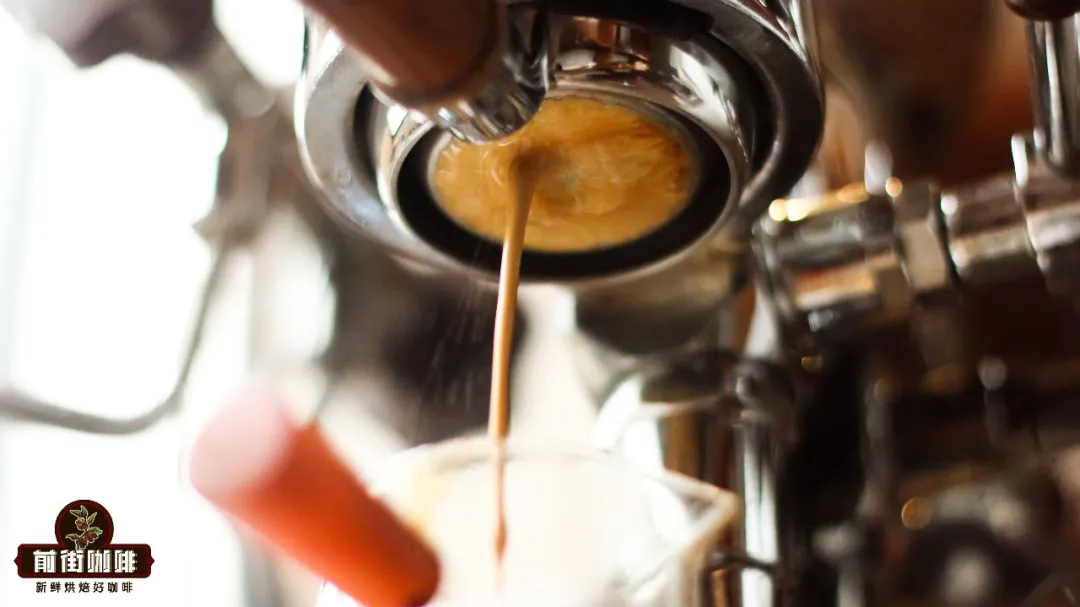
Once the extraction time is within the reasonable range around 30 seconds, the next step is to make further adjustments based on taste. Evaluate the actual flavors you experience: if the acidity is too prominent, sweetness is lacking, or the overall flavor feels thin, it may indicate under-extraction. Consider slightly increasing the coffee dose or extending the extraction time. If you detect over-extracted flavors such as burnt bitterness or astringency, it could mean the grind is too fine or the pressure is too high — adjust to a coarser grind or check the pressure performance.
This tuning process requires some hands-on experimentation and observation. It’s advisable to adjust only one variable at a time (for example, just the grind size or just the coffee dose), and record each setting and its outcome. Over time, you’ll gradually discover the optimal combination for your specific equipment and coffee beans.

Beyond grind size, the roast level of your coffee beans is another crucial factor affecting the flavor of your espresso. Many beginners may opt for light roast beans when trying to brew espresso, but light roasts typically emphasize bright acidity and fruity notes, which can result in a brew that tastes thin after extraction — particularly when making milk coffee, where it’s hard to achieve a rich and full-bodied mouthfeel.
If you prefer an espresso with flavors of nuts, chocolate, or caramel, along with a rich body and sweet taste, it’s recommended to go for medium-dark or dark roast beans. Coffee beans roasted to these levels not only deliver greater depth of flavor, but also help form a richer body and crema during extraction, enhancing the performance of milk-based coffee.

For example, a medium-dark blend using Brazilian and Colombian beans typically showcases flavor notes of hazelnut, cream, and chocolate. Such blends are not only great for espresso but also work well in milk-based drinks like lattes and cappuccinos. These blends usually offer good balance and excellent crema, helping you more easily pull a stable, flavorful espresso base.
In practice, you can also fine-tune your roast level selection according to your personal taste preferences. For those who prefer bolder flavors, darker roasts are a good choice, while those wanting a slightly brighter yet still full-bodied taste might find medium-dark roasts to be the most suitable starting point.

In summary, to brew a high-quality espresso suitable for milk-based coffee, the key lies in mastering two core elements: first, using the combination of a "1:2 coffee-to-water ratio" and an "extraction time of about 30 seconds" to find the right grind size, ensuring sufficient extraction and stable flow; second, selecting beans with an appropriate roast level — primarily medium-dark or dark roasts — to bring out rich, bold, and layered flavor characteristics.
Although dialing in your grind requires some patience and observation, as long as you grasp the basic principles and refine your approach through repeated trials and taste feedback, you’ll quickly improve your tuning skills and consistently brew satisfying espresso — enjoying a professional-level coffee experience right at home.

The above content is compiled by CoffeeHunters, a coffee news website.


