








Introduction:Many beginners focus heavily on fancy pouring techniques when making pour over coffee, but in reality, the key to a delicious cup lies in proper extraction parameters. This article delves into the impact of water temperature, grind size, and brew ratio, and introduces a simplified version of the single-pour brewing method. Using a flat-bottom or cone-shaped filter, even without complex water control, you can consistently extract a well-balanced cup with pronounced sweetness—making it easy even for beginners.
Many who are new to pour over coffee tend to concentrate on the artistry of pouring, but what truly shapes the flavor and mouthfeel is whether the extraction parameters are appropriate. Whether you use a single pour, three-stage, or four-six pour method, the core differences lie mainly in the settings of water temperature, grind size, and brew ratio. This article will start from practical experience to help you understand the significance of these foundational parameters, and share a simplified single-pour method that requires almost no water control skills—just a single pour after blooming to achieve a balanced and sweet cup.
Taking the classic Ethiopian Huila Huashan (Huashan) beans as an example, we’ll detail the parameter differences between the traditional three-stage method and this simplified single-pour approach, helping you easily recreate professional-level extraction at home.

In fact, understanding and mastering the basic principles of extraction is more important than chasing elaborate pouring patterns. A great-tasting pour over is often not the result of fancy pouring techniques, but rather because you’ve chosen the right parameters that allow the coffee to fully and evenly release its flavor compounds. The difference between single pour, three-stage, or four-six pour methods essentially comes down to how extraction parameters are configured—and those parameters are the true keys to success.
Pouring is just an auxiliary tool used to regulate and control the pace of extraction. As long as the parameters are set correctly, even without intricate circular pouring, you can still easily brew a high-performing cup. Next, we’ll introduce a simple extraction method that only requires “pouring water.”

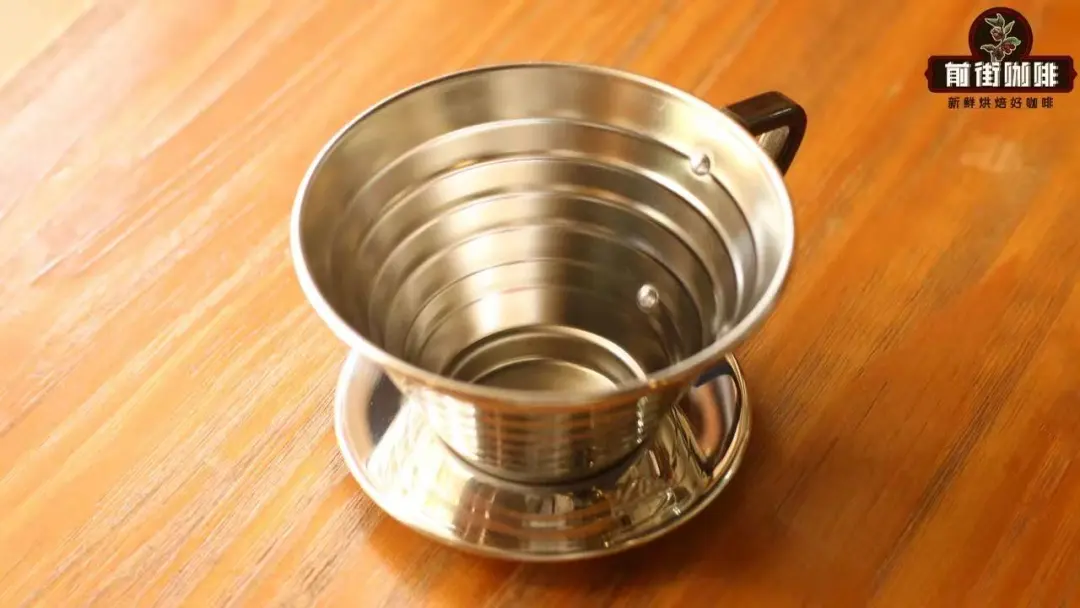
This simplified brewing method is especially suitable for use with flat-bottom or cone-shaped filters. These filters have a flat base and a gentle taper, allowing for a more even and thinner coffee bed. Even with less refined pouring skills, you can achieve relatively stable extraction, making it very beginner-friendly.
This type of filter design reduces channeling, allowing hot water to pass through the coffee bed more evenly. Even without deliberate circular pouring, you can still achieve good extraction uniformity, making it a very user-friendly option for novices.
Now let’s look at the specific parameters of this method. Since there’s no segmented pouring and less water agitation, the overall extraction efficiency is slightly higher than that of the traditional three-stage method. Therefore, it’s recommended to adjust the grind size and water temperature appropriately to avoid under-extraction. Taking the classic Ethiopian Huila Huashan beans as an example, the standard parameters for the typical three-stage method are: 15g of coffee, a 1:15 brew ratio, using a V60 filter, with a grind size of about 75%–80% passing through a #20 sieve (close to the coarseness of fine sugar), and an extraction time controlled around two minutes.
If you switch to this simplified single-pour method, it’s recommended to adjust as follows: still use 15g of coffee, maintain a 1:15 brew ratio, but increase the grind size to 90% passing through a #20 sieve (still similar to fine sugar), raise the water temperature to 92°C, and use a flat-bottom or cone-shaped filter for brewing.
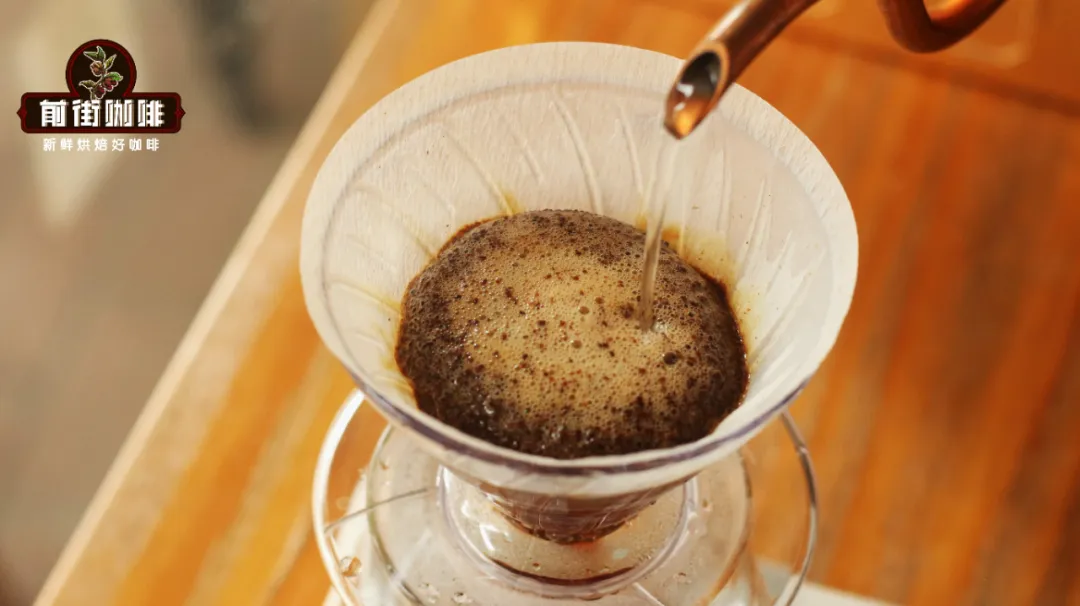
The actual operation is very simple, but you must not skip the blooming step. Start by pouring hot water equal to twice the coffee dose—about 30g—and let it bloom for around 30 seconds. This step awakens the coffee grounds, releases CO₂, and prepares them for subsequent extraction.
After blooming, you can first gently circle the water once to open up the surface of the coffee bed and prevent it from forming a barrier that blocks water penetration. Then, at the center of the coffee bed, pour the remaining target volume of water (for example, 150g to achieve a 1:15 brew ratio) steadily and slowly from a fixed point, trying to avoid a water stream that is too thick or too fast, which could affect extraction uniformity. If your filter has a smaller capacity, you may slightly reduce the flow rate to prevent overflow.
Once pouring is complete, wait for all the water in the filter to completely drip through. The whole process typically takes about 2 minutes and 34 seconds to finish extraction. Although this method seems simplified, it essentially splits the traditional single-pour hot water into two pours while reducing circular movements. The overall flavor profile will be closer to the balanced characteristics of the single pour.
Because the hot water is poured all at once, the coffee grounds remain immersed for a longer period, leading to more consistent extraction across all parts and a more even release of flavor compounds. As a result, the final cup tends to have a more balanced taste with a more pronounced sweetness.
In actual tasting, this simplified technique highlights the classic characteristics of the Huila Huashan beans, including sweet strawberry notes, fresh guava, soft cream aromas, and a hint of oolong tea-like aftertaste. The overall profile is full-bodied and lingering—even beginners can easily extract high-quality coffee flavors with this method.
In summary, the charm of pour over coffee lies not only in complex techniques, but also in understanding and mastering the fundamental parameters. As long as you choose the right water temperature, grind size, and brew ratio, even the simplest pouring method can consistently produce a satisfying cup. This simplified single-pour method is especially suitable for beginners or for quick brewing when you’re busy—it’s definitely worth trying at home.
The above content is compiled by CoffeeHunters, a coffee news website.


