







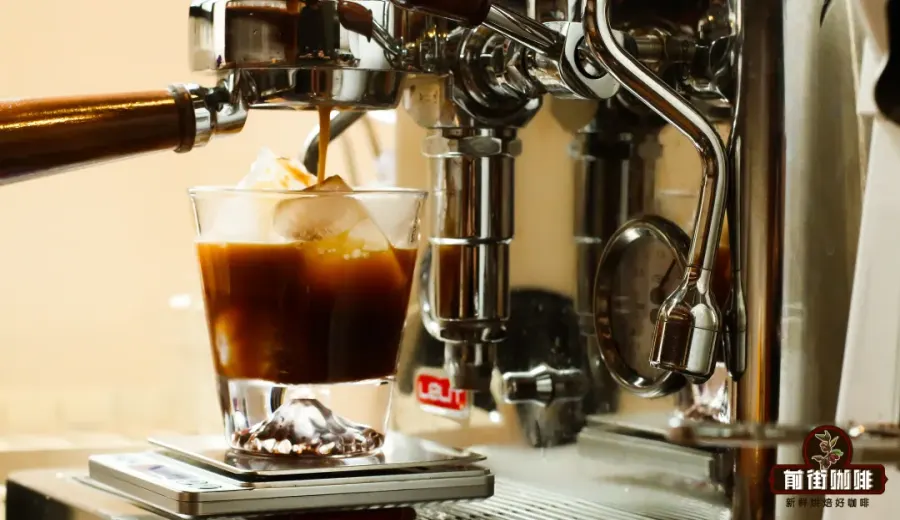
Introduction:Have you encountered issues with your home espresso machine where the grind is not fine enough, resulting in under-extracted shots with flat flavors? This article will teach you how to adjust the coffee-to-water ratio and volume to use a "fast extraction" method to pull a fully flavored long espresso shot, then add ice to create an iced Americano with pronounced sweetness and low bitterness. The article also selects several coffee beans suitable for medium to light roasts, along with practical coffee-to-water ratios and flow rate references. Even with limited grinder performance, you can easily brew flavorful iced Americanos at home.
Recently, a brewing method for iced Americanos known as "fast extraction" has been gaining popularity among coffee enthusiasts. Similar to traditional all-ice Americanos, this approach also uses ice and espresso as the base, but the key difference is that it uses significantly more espresso — nearly equivalent to the liquid volume of a regular hot Americano. In short, it involves quickly extracting a large volume of espresso in a short time, essentially creating a "long espresso," also known as a Lungo.
However, this "fast extraction" version of the Lungo differs from a typical long espresso. It has a relatively lower extraction yield, meaning fewer bitter substances are released, resulting in an iced Americano that is not overly bitter but instead highlights sweetness and a refreshing flavor profile. This makes it an ideal alternative for users whose home espresso grinders cannot achieve a fine enough grind or can only be set to the coarsest setting.
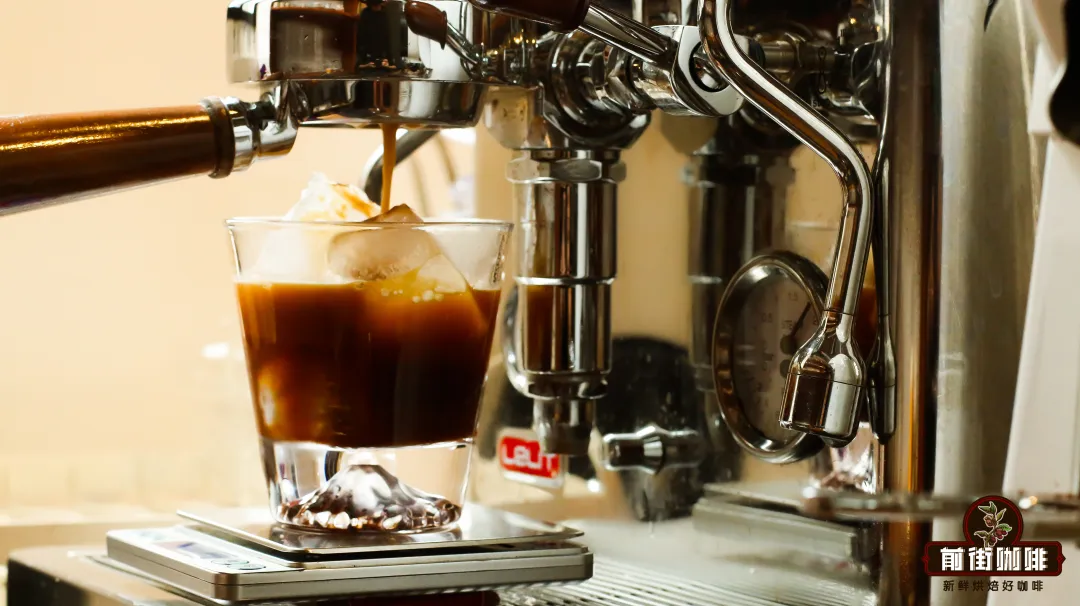
Many users of entry-level or all-in-one home espresso machines often face a common problem: even when the grinder is set to the finest setting, the espresso pulled is still thin and the flow rate is too fast, failing to produce a rich and full-bodied coffee liquid. This is mainly due to the coffee grounds being too coarse — when compacted into a puck, the larger gaps between particles allow hot water to pass through easily, leading to a fast flow rate and significantly shortened extraction time, which prevents effective extraction of the coffee's flavor compounds.
Under standard espresso extraction ratios (such as a 1:2 coffee-to-water ratio), if the coffee is too coarse and the puck offers insufficient resistance, the machine cannot generate enough pressure, making the extraction extremely inadequate. Only a small amount of surface-level flavors are dissolved, resulting in espresso that lacks both concentration and extraction yield — making it unsuitable as a base for milk-based drinks like lattes or cappuccinos.

To improve this situation, a simple yet effective strategy is to moderately increase the water volume during extraction. By adjusting to a higher coffee-to-water ratio, even with a less fine grind and faster flow rate, more hot water can penetrate to extract sufficient flavor compounds, resulting in a "long espresso" with more complete flavors and better balance. When combined with ice to make an iced Americano, it can deliver unexpected sweetness and complexity.
Of course, this method also has its limitations. First, because the espresso itself has a lower concentration, it is not recommended for making milk-based coffee beverages. Second, it works better with medium to light roasted coffee beans, as these beans typically contain more acidity and fruity compounds that can release bright and refreshing flavor notes within a short extraction time.
If you opt for medium to dark roasted beans, although you can still produce a decent iced Americano, the process requires more precise control over extraction pressure and time, which can be challenging for most home users. Moreover, the flavor improvement may not be significant, so it’s better to simply use the "fast extraction" method by increasing the liquid volume to enhance overall extraction performance.
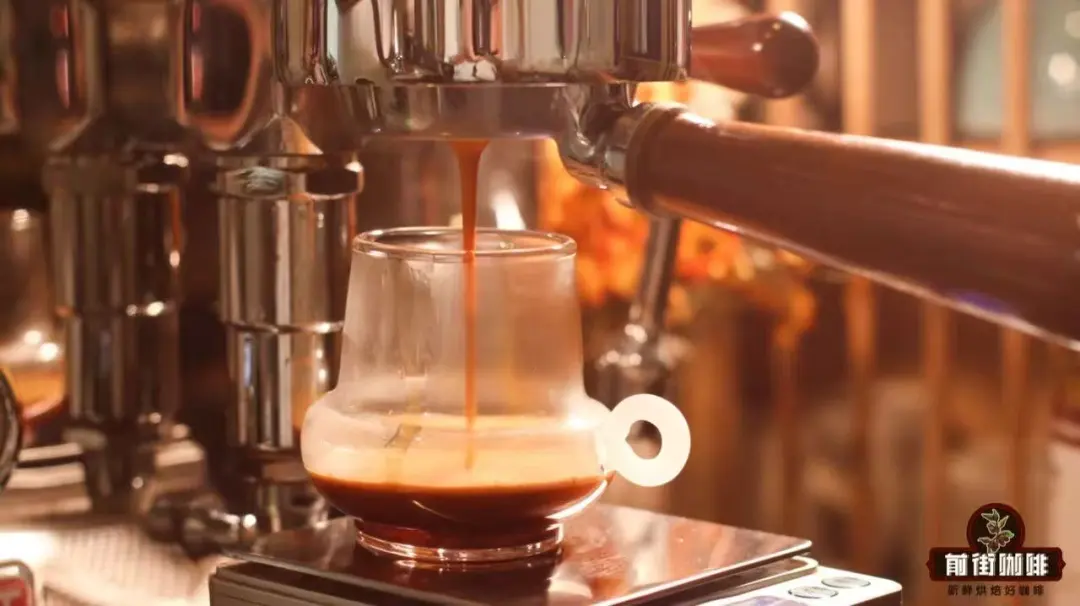
The characteristics of medium to light roasted coffee beans lie in their acidity and sweetness, which are typically released during the early to mid stages of extraction. As such, they are particularly well-suited for this brewing method. For example, beans with clear fruity and floral notes, after proper long extraction, can showcase a balanced sweet-and-sour profile with a refreshing mouthfeel. In contrast, medium to dark roasted coffees can also make good Americanos, but they rely more on the body and richness from the mid to late stages of extraction to build complexity and mouthfeel, requiring higher precision in grind and extraction.
Therefore, if you want to use your existing equipment at home and employ the "fast extraction" method to brew flavorful iced Americanos, it is recommended to prioritize medium to light roasted coffee beans. These not only have a lower barrier to entry but also more easily showcase a bright, refreshing, and layered taste profile.
For example, several medium to light roasted beans from a certain coffee shop’s menu are very suitable for this brewing method. Take "Granada Geisha" for instance — its flavor profile is dominated by the sweet-and-sour notes of apricot, berries, and citrus, offering a refreshing taste. "Yirgacheffe · Guodingding," processed via washed method, has a clean and crisp profile with white floral, lemon, and green tea aromas, ideal for those who prefer a refreshing taste. There’s also "Kenya · Little Tomato," which features vivid fruitiness with a complex flavor of cherry tomatoes, dark plums, and blackcurrants, delivering a juicy mouthfeel — perfect for crafting a vibrant iced Americano.
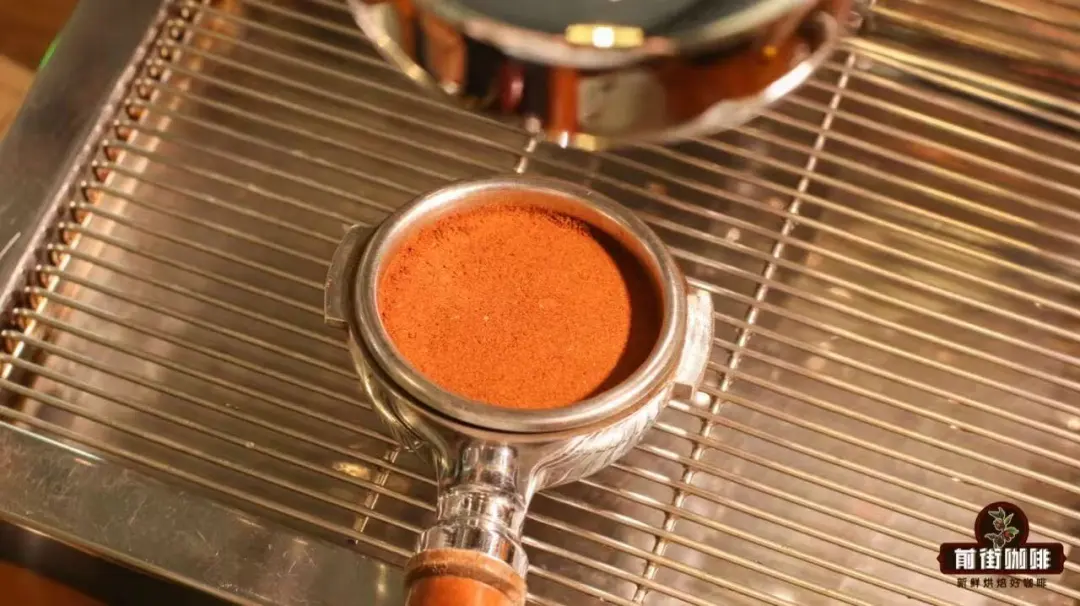
Next, we’ll use "Granada Geisha" as an example to demonstrate how to brew a sweet and flavorful iced Americano at home using the "fast extraction" method.
First is the choice of coffee dose. It’s recommended to fill the portafilter basket as much as possible without exceeding the manufacturer’s maximum dose limit, to avoid affecting tamping and flow rate. As for the coffee-to-water ratio, this article recommends a range of 1:5 to 1:7, with the actual ratio adjustable based on your flow rate. If you find the flow rate too fast — for example, pulling five times the dose weight in under 30 seconds — it’s advisable to adjust the ratio to 1:7 or even higher to extend the extraction time and improve flavor extraction yield. Conversely, if the flow rate is slow — for instance, not reaching five times the dose weight even close to 30 seconds — you can lower the ratio to 1:5 to avoid over-extraction.
In short, when the flow rate is slow, it usually indicates a finer grind and higher puck resistance, so less water is needed to achieve good extraction. On the other hand, if the flow rate is too fast, it means the grind is coarser and the resistance is insufficient, so more water should be added to ensure sufficient extraction of flavor compounds.
As for the amount of ice, it depends on personal taste preference and the total volume of coffee and water used, with no absolute standard. For example, using 20g of coffee, a 1:6 ratio, and an extraction time of about 34 seconds, 120g of ice is usually effective in cooling the coffee and achieving an ideal drinking temperature. After extraction, gently stir to help the ice melt faster and integrate the flavors. Then you can enjoy this refreshing, sweet-tasting homemade iced Americano.
As demonstrated in the actual brewing, although the extraction yield of this "fast extraction" method is slightly lower than traditional methods, the sweetness is more pronounced and the flavor layers are clearly expressed. For example, the iced Americano brewed with Granada Geisha allows you to distinctly taste the sweet-and-sour notes of apricot and berries, with a lingering floral and green tea freshness in the aftertaste. The overall mouthfeel is clean and refreshing, making it a highly suitable iced Americano for summer enjoyment.
In summary, this "fast extraction" technique of adjusting the coffee-to-water ratio and increasing water volume is especially suitable for users whose home espresso grinders cannot achieve a fine enough grind. It’s simple to operate and requires no additional equipment, allowing you to enjoy a fully flavored, sweet iced Americano at home. Why not give it a try yourself, experimenting to find the coffee-to-water ratio and ice volume that best suit your taste, and discover a new coffee experience?
The above content is compiled by CoffeeHunters, a coffee news website.


