








Introduction:Indonesian Sumatran Mandheling and Golden Mandheling often confuse coffee enthusiasts — though both originate from the same region, their flavor profiles differ significantly. This article delves into how variations in altitude and the wet-hulling process impact taste, helping you distinguish between the classic Mandheling’s rich smokiness and Golden Mandheling’s bright citrusy layers, along with expert pour-over brewing recommendations. Whether you’re a beginner or an advanced extraction enthusiast, you’ll find guidance on selecting beans and refining your brewing techniques.
Mandheling coffee, grown in Indonesia’s Sumatran volcanic belt, is globally renowned for its intense herbal notes and full body, with Golden Mandheling being a standout in the premium market. What hidden differences lie between these two beans from the same Sumatran origin?Regional microclimatetoprocessing details— every step influences the final flavor expression.
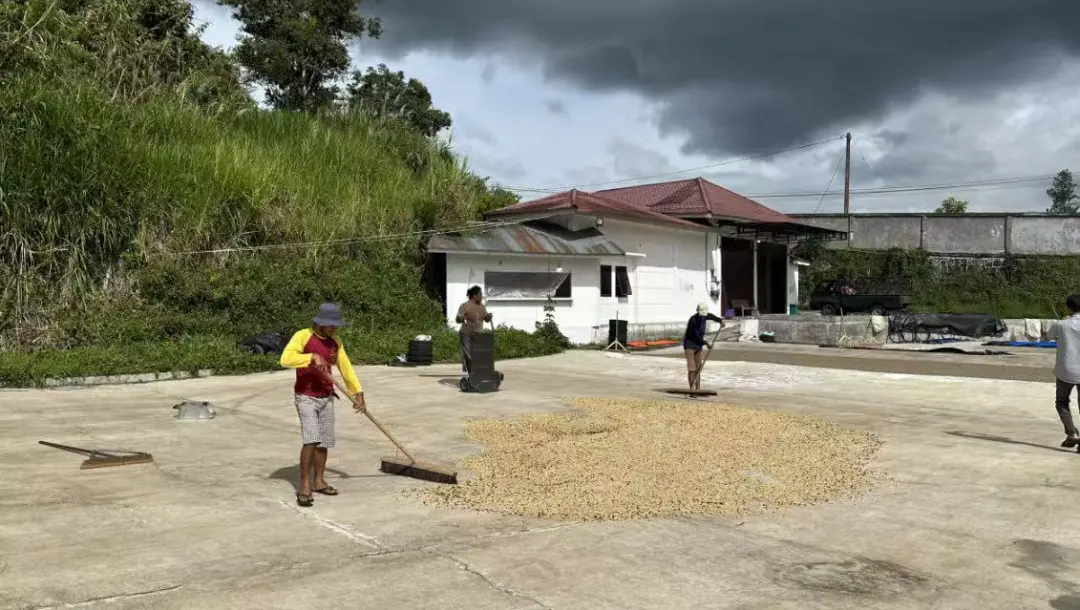
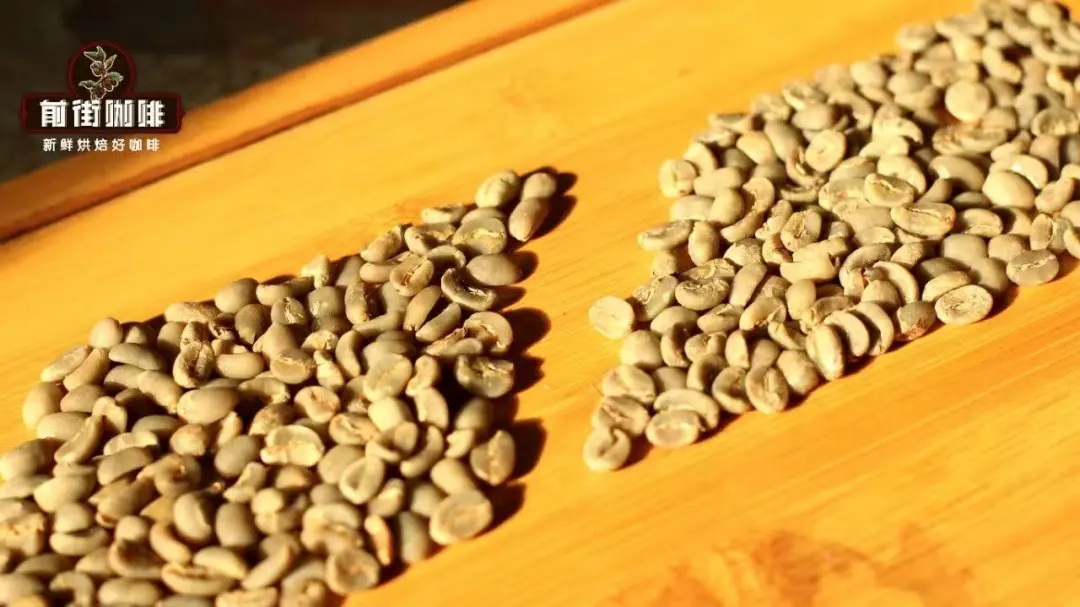
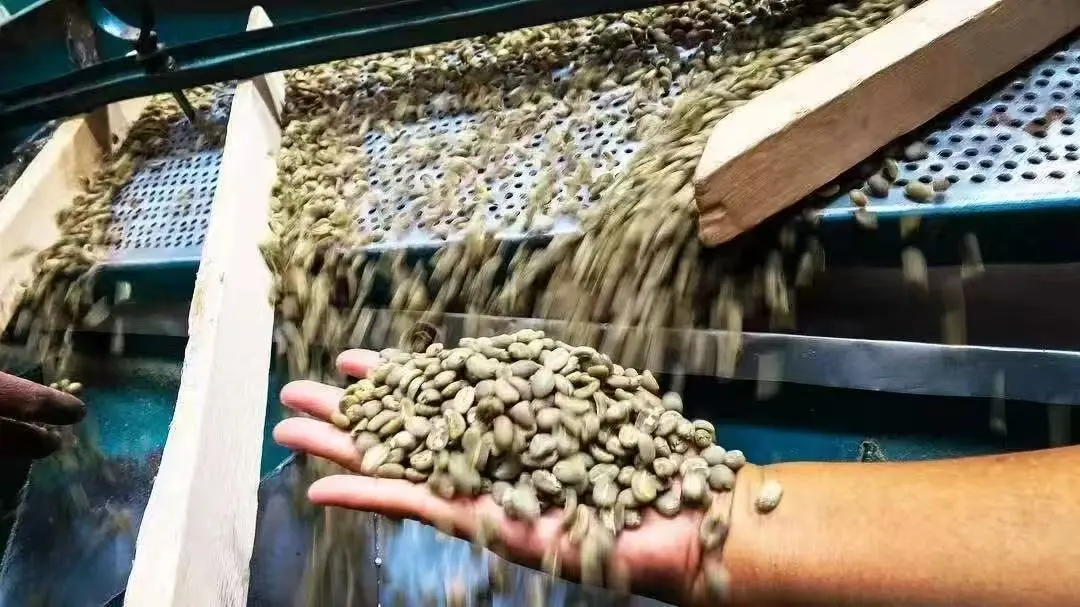
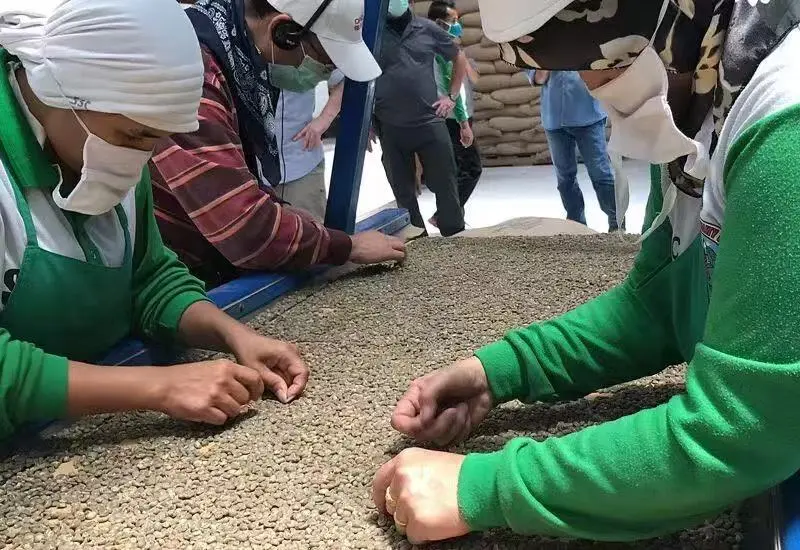
Traditional Mandheling commonly employs the semi-washed wet-hulling method, where farmers remove the outer pulp layer when the beans’ moisture content is around 30%. This unique technique creates its signaturelow acidity and heavy body. In contrast, Golden Mandheling carefully selects Arabica beans grown above 1,500 meters, using a more rigorousthree-step manual sorting processto preserve more of the high-quality fruity fermentation aromas.

The flavor wheel offers valuable insights: standard Mandheling exhibits distinctdark chocolate, burnt cedar, and spicy herbalnotes, with an aftertaste carrying Sumatra’s characteristic earthy minerality; whereas Golden Mandheling showcases adried apricot, caramelized cream, and white peppercomplexity, with a sweetness-acidity balance closer to Central and South American beans. This difference stems from the Golden series’ use ofextended sun-drying time, allowing for more thorough sugar conversion.
Practical brewing tips to note:Grind size should be fine (similar to table salt),with water temperature controlled between 90–92°C. When using a V60 filter, a 2:1 coffee-to-water ratio (e.g., 15g beans to 30ml water) is recommended — pour 30g in the first 30 seconds, then increase incrementally to reach a total extraction time of 2 minutes 30 seconds. Notably, due to Sumatran beans’ higher density,a 30-second pre-wetcan significantly improve extraction evenness.
For beginners often facing “overly astringent” issues, the causes usually boil down to three mistakes: overly coarse grind leading to under-extraction, water temperature exceeding 93°C releasing excess tannins, or excessive stirring disrupting the coffee bed structure. Observing the coffee bed is key — the ideal state should showuniform shark-fin patterns, with no noticeable white spots in the later stages of brewing.
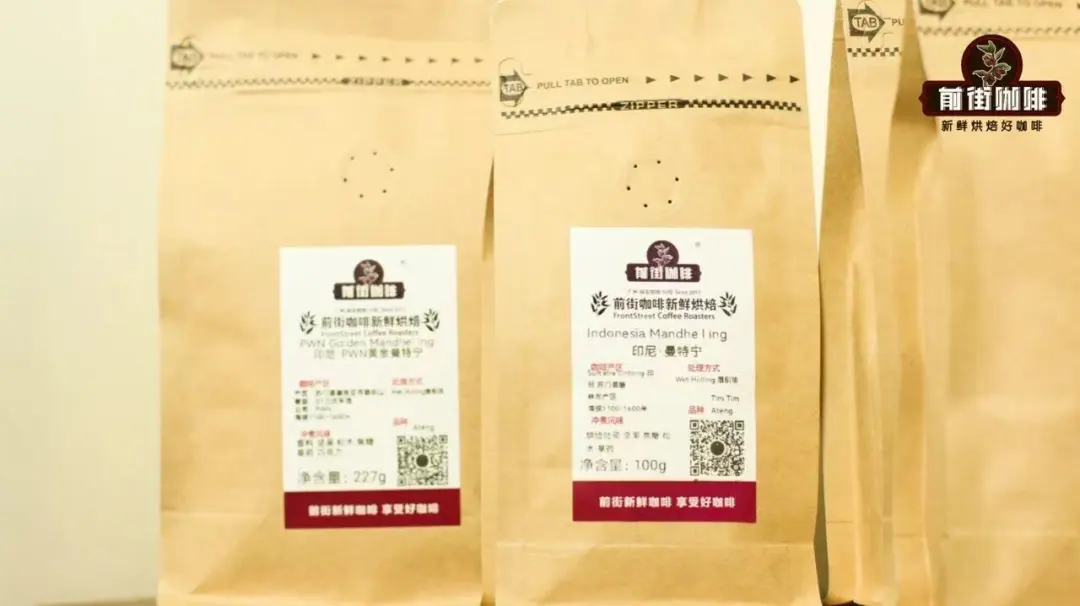
A well-known coffee brand’s classic Mandheling blend typically comes in 500g vacuum-sealed packs, with flavor notes often described assmoky toast base paired with nutty undertones, making it suitable for milk-based drinks like Flat White. The Golden Mandheling version, meanwhile, emphasizesspicy undertones and the interplay of cocoa bitterness and sweetness, shining even more when brewed as a single origin.
Storage requires special attention to Sumatra’s high-humidity environment — it’s advised to usealuminum-foil composite sealed containerswith food-grade oxygen absorbers, kept in a cool place. If you notice significant flavor loss within a week after opening, switch to professional coffee bags with one-way valves, ensuring a complete seal after each use.
A deeper comparison of their processing backgrounds: Mandheling generally comes from traditional cooperatives in Aceh or North Sumatra, with harvest seasons concentrated from May to September; Golden Mandheling, on the other hand, mostly originates fromsmallholder-selected lots around Lake Toba in Sumatra, with an annual output of only about 200 tons. This scarcity often results in higher premiums in international auction markets, but also ensures more consistent quality control.
Advanced brewing variations recommended by professional baristas: try using a cloth filter (e.g., a flannel dripper), lowering the water temperature to 88°C and extending extraction to 3 minutes to amplify Golden Mandheling’sred fruit acidity; if you prefer espresso-like flavors, opt for a moka pot with medium-fine grind — under 9-bar pressure, it highlights Mandheling’sresinous aromas. Remember to log flavor notes after each parameter adjustment to gradually identify your personal taste preferences.
Common market misconceptions include the belief that “all Indonesian beans should taste earthy” — in reality, well-processed Mandheling should primarily featureclean sweetness, with earthy notes often resulting from improper storage or over-fermentation. Another point worth noting is that while Golden Mandheling is a premium product line, not all products labeled “Golden” meet its strict criteria — always check for specific origin and processing mill information when purchasing.
Finally, here’s some tested data: under SCA cupping standards, high-quality Mandheling typically scores7–8 points (out of 10)in flavor intensity, with acidity levels between pH 5.2–5.6, and total dissolved solids (TDS) recommended to stay within 1.15%–1.3%. These figures can serve as reference benchmarks for home brewing, complemented by regular TDS meter checks to monitor extraction stability.
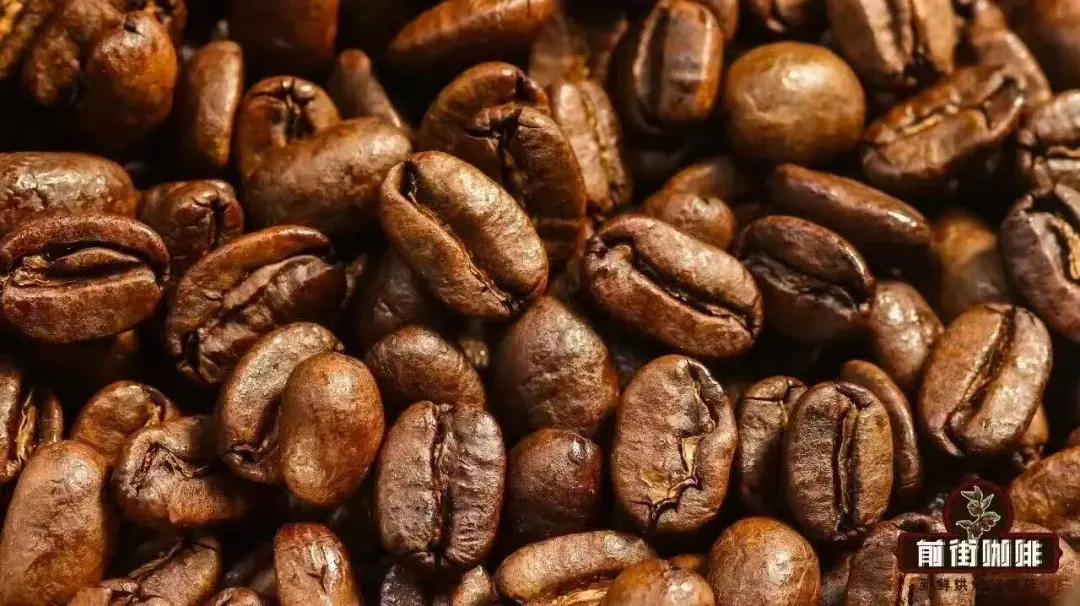
Whether you choose the bold character of classic Mandheling or the refined balance of Golden Mandheling, the key lies in understanding each bean’s unique flavor profile. Through systematic parameter adjustments and sensory training, every coffee lover can uncover their own Sumatran flavor map.
The above content is compiled by CoffeeHunters, a coffee news website.


