







Category: Coffee Knowledge

Milk Steeping vs. Milk-Added Cold Brew: Key Differences, Flavor Analysis & Step-by-Step Guide
When cold brew meets milk, you can either steep fresh milk directly with coffee grounds or first complete the cold brew process and then mix in fresh milk. These two methods not only differ in their preparation processes but also result in distinct flavor profiles and textures. This article delves into the key differences between “milk steeping” and “milk-added cold brew,” providing practical extraction parameters such as grind size, coffee-to-water ratio, and refrigeration time. It also recommends medium-dark roasted and fruit-forward medium roasted coffee beans that pair well, teaching you how to easily make a rich and smooth cold brew latte. [more…]

Full Breakdown of Luckin’s "Whole Fresh Coconut" Drink: 10-Step Process & In-Store Prep Challenges
Luckin’s new "Whole Fresh Coconut" drink has sparked heated discussions among store employees due to its unique preparation process, which involves disassembling a flash-frozen coconut egg and manually pouring in coffee. The procedure spans over ten intricate steps. This article provides a comprehensive walkthrough of the entire operation—from preparation to serving—analyzes the challenges of early-shift staffing after the drink’s nationwide rollout, and offers practical preparation tips to help industry professionals efficiently manage the impact of this new product. [more…]
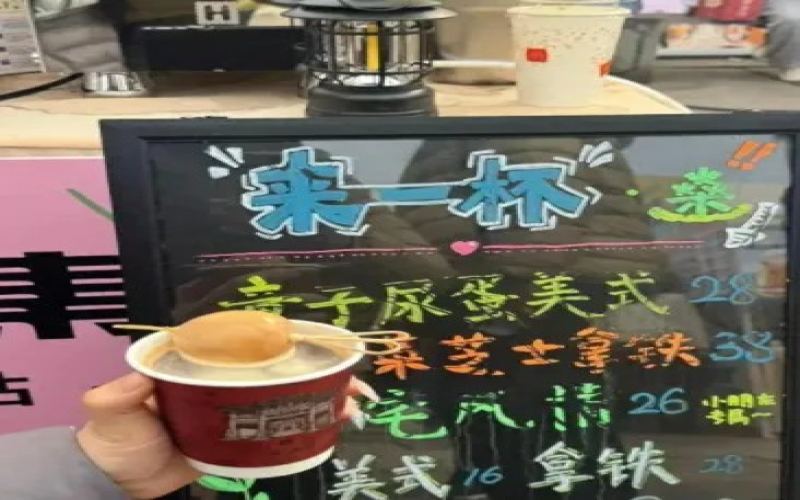
The Dongyang Boys' Urine Egg Americano Controversy: Debates and Realities of Blending Intangible Cultural Heritage with Coffee
A coffee shop in Dongyang, Zhejiang, combined the local intangible cultural heritage dish "boys' urine egg" with an Americano to create the "Boys' Urine Egg Americano," which briefly became a viral topic on short video platforms, selling over a hundred cups in a single day on weekends. However, this creative fusion of traditional and modern beverages sparked widespread controversy due to the uniqueness of its ingredients. This article delves into the cultural background, nutritional and hygiene debates, and the eventual discontinuation of the product, helping readers understand the full picture of this beverage controversy. [more…]

Coffee Variety Guide: Typica, Bourbon, Geisha & More – Pour Over Flavor Profiles & Bean Shape Identification
Have you ever wondered if you could identify a coffee variety just by looking at its beans? In fact, by mastering a few key characteristics, you can easily distinguish common coffee varieties such as Typica, Bourbon, Caturra, and Geisha. This article will detail the differences in bean shape among these varieties, their flavor profiles when brewed using pour over or espresso methods, and includes a practical visual guide to help you better understand the unique traits of each coffee. [more…]
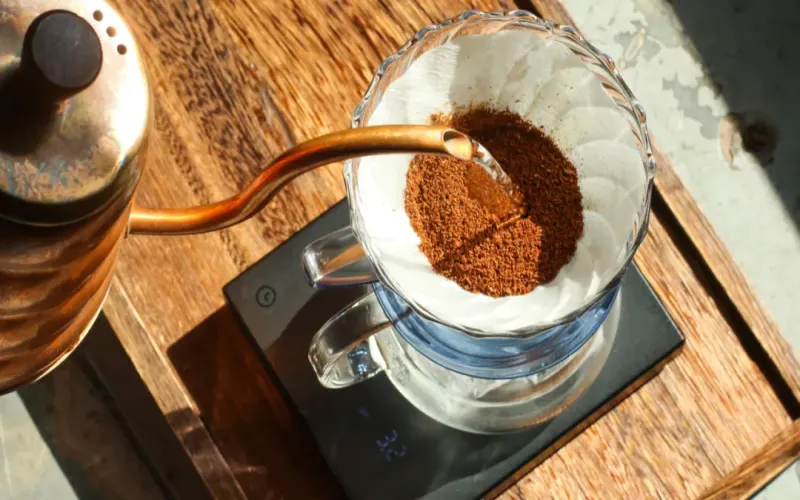
Best practices for blooming duration in pour over coffee: Start timing from the beginning or end of pouring? A real-world comparison between 30 seconds vs 60 seconds
Blooming is a crucial step in pour over coffee, but many coffee enthusiasts remain uncertain about whether to start the timer at the beginning or end of pouring, and how the difference between 30 seconds and 60 seconds affects the brew. This article delves into the core purpose of blooming—releasing carbon dioxide to optimize extraction efficiency—and compares the impact of different timing settings on coffee flavor through experimental data. It helps you adjust flexibly based on the freshness of your coffee beans to brew pour over coffee with richer aroma and more balanced taste. [more…]

Beginner's Guide to Cold Brew Coffee at Home: A Comprehensive Breakdown of Grinding and Steeping Techniques to Achieve a Sweet and Rich Flavor Profile
Cold brew coffee is beloved by many coffee enthusiasts for its low acidity, sweet taste, and smooth mouthfeel, making it a staple beverage at home. However, many encounter issues such as weak flavor and under-extraction when making it themselves, often mistakenly thinking that grinding the coffee finer can solve the problem. This article dives deep into common misconceptions in cold brew preparation, offering practical advice on adjusting grind size, portioning techniques, and stirring methods. It also includes recommendations on bean selection and precise coffee-to-water ratios to help you easily craft a rich and layered cup of cold brew at home. [more…]
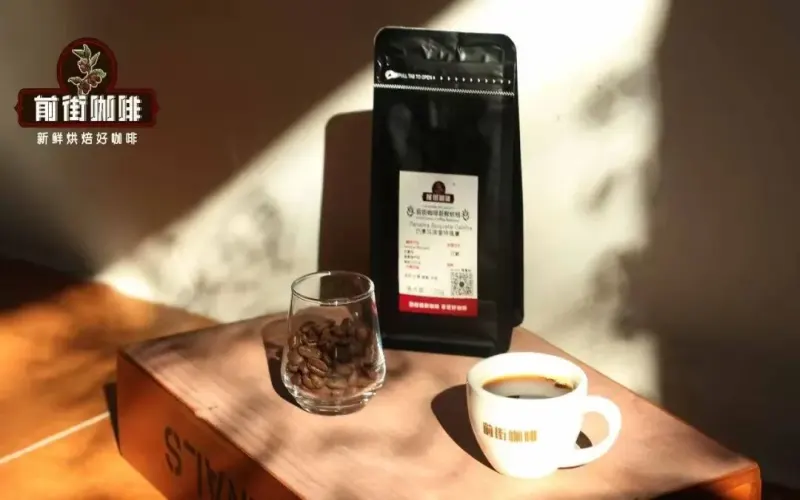
How to brew Geisha as espresso and iced Americano? Is it suitable for latte? Complete parameters and flavor analysis
Geisha coffee is renowned for its unique white floral aroma, citrus fruit notes, and refreshing tea-like qualities. It is usually brewed using pour over or French press methods to better showcase its delicate flavors. But if you want to try extracting Geisha with an espresso machine to make espresso, Americano, or latte, how should you adjust the parameters to avoid excessive acidity while preserving its distinctive characteristics? This article provides an in-depth analysis of the key details for brewing Geisha as espresso coffee, including grind size, extraction time, coffee-to-water ratio, and offers practical advice to help you easily extract a well-balanced Geisha espresso. [more…]

Is your pour over water flow unstable? Professional guide to stable vertical pouring and circular pouring techniques
Many beginners in pour over coffee often face issues with unstable water flow and irregular pouring paths, which affect the even extraction of coffee grounds. Mastering stable vertical pouring and circular pouring techniques not only improves brew quality but also shortens the learning curve. This article delves into how to choose the right pouring kettle, control the appropriate water level, use both hands to stabilize the kettle, and teaches practical methods such as using arm movement instead of relying solely on wrist rotation, as well as adjusting the kettle tilt based on water volume, helping you quickly achieve professional-level [more…]
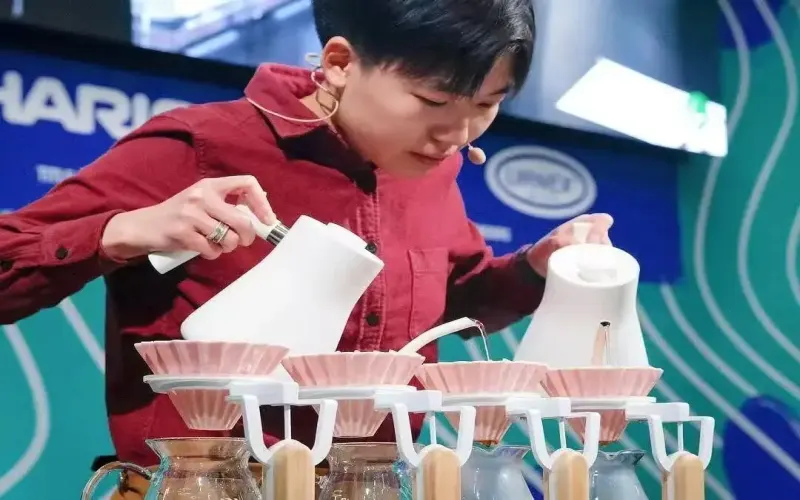
Temperature Variation Technique for Pour Over Coffee: Three Low-Temperature Staged Methods to Enhance Geisha Floral Aroma and Fruit Notes
In recent international coffee brewing competitions, competitors frequently adopt staged variable temperature strategies to optimize flavor expression. This article reveals three practical low-temperature brewing techniques—the Pre-Wetting Cool Down Method, the Final Stage Temperature Control Method, and the Immersion Variable Temperature Method. Using Panamanian Geisha and Gesha Estate beans as examples, it details parameters such as water temperature ranges of 80–95°C, grind size, and coffee-to-water ratios, helping enthusiasts precisely adjust acidity-sweetness balance and aroma release, easily replicating competition-level flavor complexity. [more…]

A Comprehensive Guide to Coffee Bean Varieties: How to Choose Between Arabica, Robusta, and Specialty Beans?
In the world of coffee, Arabica and Robusta are the two most common categories, but their classification levels are actually quite different. This article delves into the differences between the two and introduces the positioning of well-known varieties such as Geisha and Typica, helping readers understand the connection between growing altitude, flavor characteristics, and commercial value—so you can make smarter choices from bean selection to brewing. [more…]
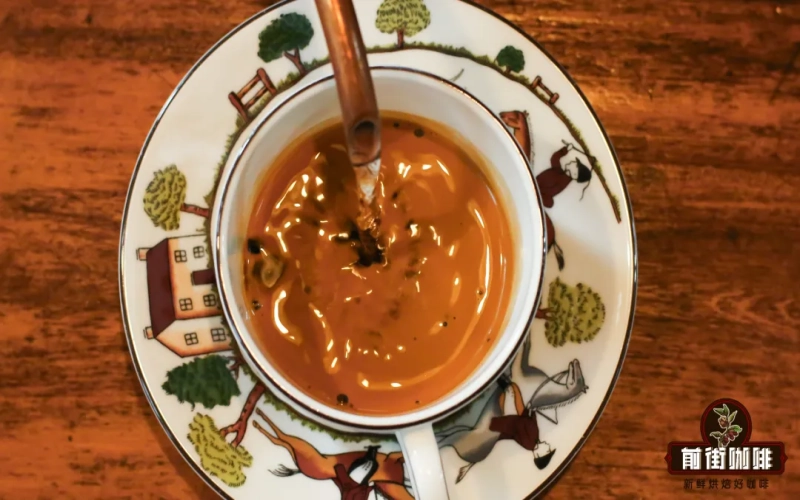
What’s the difference between a long black and an Americano? Crack the myths of black coffee by understanding concentration and brewing order
Many people think the difference between a long black and an Americano lies in whether water is added before or after the espresso. But actually, the key lies in concentration levels. This article takes an in-depth look at the fundamental differences between the Australian long black and the Americano, from brewing steps and coffee-to-water ratios to flavor profiles, helping you understand the real distinctions between the two. It also includes practical parameters and blend suggestions to help you better grasp the charm of these two classic black coffees. [more…]

Chaos on Day 1 of Shenzhen o.p.s. × JPG Pop-Up: Early Start + Instant Sell-Out of Numbered Tickets – A Real-Time Breakdown
The first day of the 3-day pop-up event jointly organized by Shanghai’s renowned specialty drink brand o.p.s. and Guangzhou’s JPG at OCT in Nanshan, Shenzhen, descended into chaos due to an early start time and unclear ticket distribution rules. This article reconstructs the details of the onsite disorder: although the event was scheduled to begin at 12:00 noon, it actually started at 9:00 AM; the first customers who queued up at 9:00 could only collect their drinks in the afternoon, while most people arriving after 12:00 left empty-handed. Includes supplementary tips on how to avoid common pitfalls when participating in pop-up events, along with key flavor notes of the popular specialty beans featured. [more…]
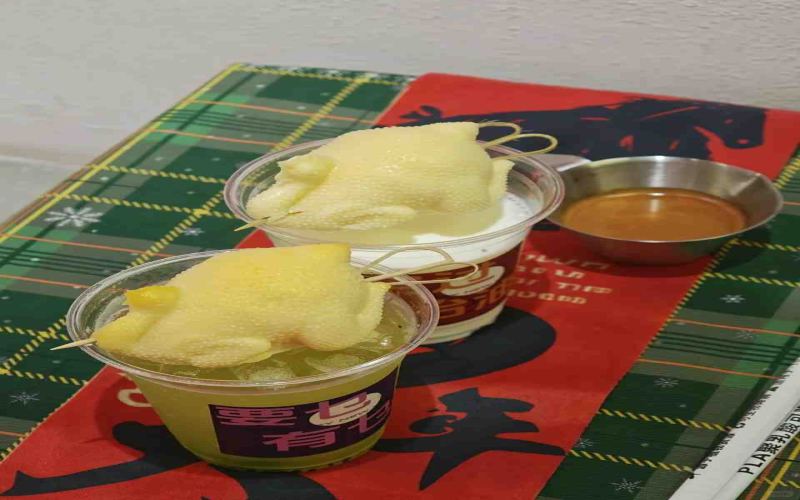
Corn Milk Pudding Creates a Hyper-Realistic White-Cut Chicken Latte — 5-Yuan Add-On Trick & Queue Strategy
Recently, a latte crafted with corn milk pudding in the shape of a hyper-realistic white-cut chicken has sparked heated discussion on social media. Not only does it look strikingly lifelike, but when drizzled with espresso, it takes on the visual appearance of soy sauce chicken. This creative coffee is offered as a 5-yuan add-on, but during peak hours, customers often have to queue for up to 1.5 hours just to get one. This article dives deep into the highlights of its creation, real user flavor feedback, and how to experience this viral drink more efficiently. [more…]
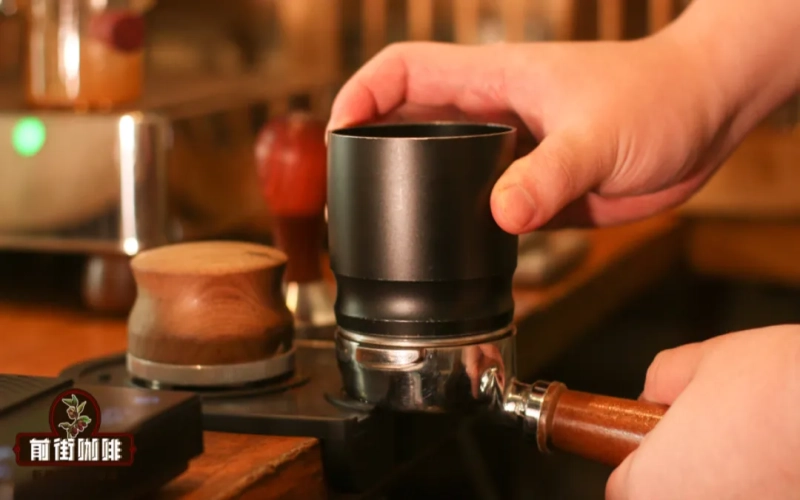
What to do if your espresso extraction is unstable? A complete guide to adjusting parameters + avoiding channeling
Do you often encounter issues like uneven flow or inconsistent flavor when pulling espresso shots? Adjusting grind size, dose, and yield are the basics, but crafting a balanced shot hinges on observing extraction behavior and identifying root causes. This article dives deep into how to detect signs of under-extraction or over-extraction by analyzing flow rate, extraction time, and flavor profiles, offering practical adjustment tips. It also demystifies common causes of channeling to help you achieve stable extraction quality. [more…]
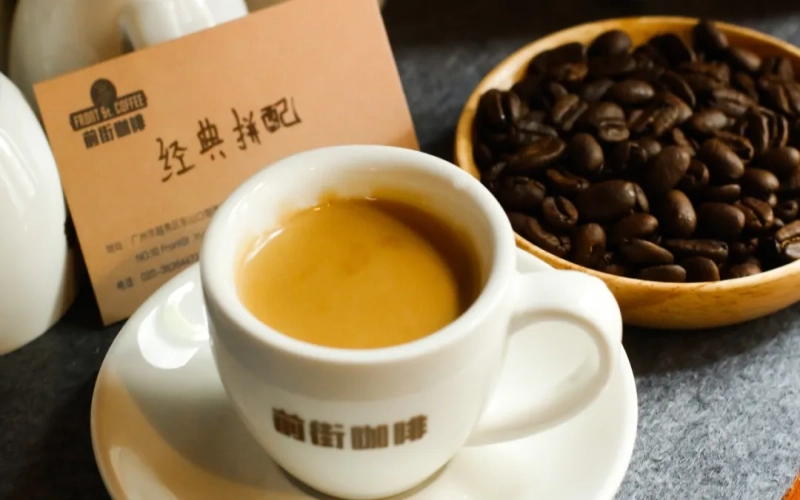
How to Choose SOE Espresso Beans? A Guide to Brewing Geisha, Hua Kui, and Xi Zha Medium-Light Roast Beans for Americano & Latte
Want to brew distinctive SOE espresso with single-origin beans but not sure how to choose? This article delves into the definition of SOE, helps you understand the characteristics of beans suitable for SOE, and recommends single-origin beans with different flavor profiles across three major processing methods: washed, natural honey, and anaerobic. It also provides practical extraction adjustment tips for managing acidity in medium-light roasted beans when used in milk coffee, so you can easily brew delicious SOE Americanos and lattes at home. [more…]

How to choose a semi-automatic espresso machine? From beginner to professional level, understand extraction performance and price differences
If you want to brew espresso at home with professional-level quality, a semi-automatic espresso machine is absolutely the key tool. However, products on the market range from 500 yuan to tens of thousands of yuan, with huge differences in performance and taste. This article provides a detailed analysis of the actual performance of semi-automatic espresso machines at different price points, including crema richness, extraction stability, and steam functionality. It also compares flavor differences across various price ranges based on actual testing, helping you choose the most suitable model based on your budget and needs. [more…]

Analysis of the “Lipstick Fail” in Luckin’s Sakura Latte Pink Cream Topping: Unveiling the Big Gap Between Customer Photos and Official Images
Luckin’s spring-limited "Luojia Sakura Latte" has made a comeback this year with an upgrade, where the pink cream topping was meant to be the highlight. However, the noticeable difference between its actual appearance and the official promotional images sparked widespread discussion. This article delves into the reasons behind the significant gap between customer photos (买家秀) and the posters, exploring everything from inexperienced new staff to issues with the cream’s texture—offering you a full breakdown of how this seasonal drink “failed to launch,” along with practical tips on what to look out for. [more…]

Xi'an Gu Ming Gaoxin Store Closes Due to Lease Expiry, Last Remaining Urban Outlet Sparks Tea Drink Market Attention
Gu Ming’s Xi’an Gaoxin store permanently closed on March 11 due to lease expiry, becoming the second directly operated outlet in Xi’an city proper to cease operations following the gogo block store. This move has sparked heated discussion among local consumers, with many worried whether the brand is pulling out of Xi’an. However, some reports suggest the store may relocate and reopen at Gaoxin T11 Mall, potentially with an expanded scale. This article delves into Gu Ming’s strategic adjustments in Xi’an, as well as the market trends behind public reaction. [more…]

In-depth Analysis of Ethiopian Bench Maji Coffee: The 74 Series Varieties & Perfume-Level Flavor Guide
Bench Maji is a high-altitude sub-region within Ethiopia’s Sidamo major growing area, renowned for producing specialty coffees with distinctive floral and perfumed notes. This article will delve into the geography, cultivation characteristics of Bench Maji, and especially how the disease-resistant 74 series varieties released by JARC contribute to captivating aromas and flavor profiles. We’ll also provide actual tasting notes and brewing references to help you better understand the charm of this “little perfume coffee.” [more…]
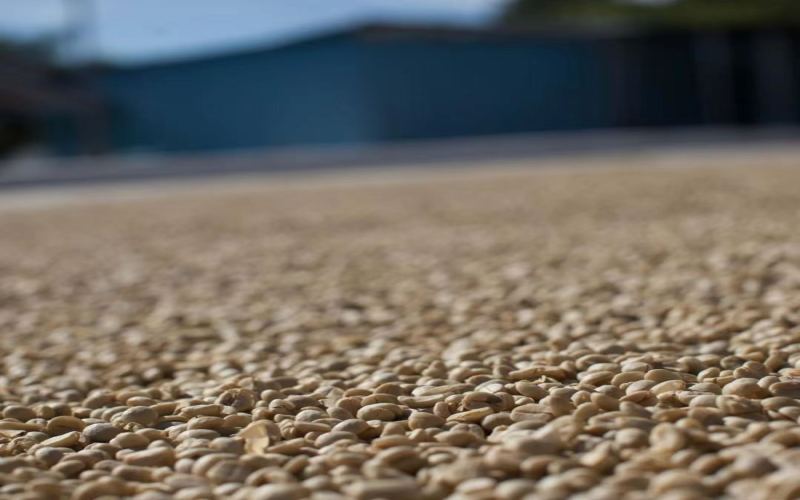
A Complete Guide to Washed and Natural Coffee Processing Methods | 5 Classic Washed Coffee Beans for Pour Over with Flavor Profiles
Want to understand the difference between washed and natural coffee processing methods? This article delves into the fundamental principles and practical steps of both methods, providing an in-depth analysis of their key differences. It also explains why washed beans are well-suited for pour over brewing. Additionally, we recommend five highly rated washed coffee beans, detailing their origin, altitude, variety, and flavor characteristics to help beginners choose the right beans for starting out with pour over. [more…]