







Category: Coffee Knowledge
A Complete Guide to Panamanian Geisha Coffee: Differences Between Red and Green Labels, Flavor Profiles, and Pour Over Techniques
Panamanian Geisha coffee is hailed as the pinnacle of the coffee world, with its distinctive floral and fruity notes leaving a lasting impression. This article delves into the differences between the Emerald Estate’s Red Label and Green Label Geishas, the geographical characteristics of the three major producing regions, as well as the flavor profile of volcanic rock-grown Geisha. It also provides a detailed pour over brewing process and parameter recommendations to help coffee enthusiasts brew a layered, premium-quality Geisha at home. [more…]
Complete Guide to Kenyan Specialty Coffee: SL28/SL34 Varietal Characteristics and K72 Washed Flavor Profile
Dive deep into the unique charm of Kenyan coffee — from the historical origins of the two classic varieties, SL28 and SL34, to how the K72 washed processing method shapes its bright acidity and rich body. This article provides a detailed analysis of Kenya’s coffee-growing regions, altitude advantages, and auction system, while breaking down the science behind its signature flavors through fermentation techniques. Finally, it offers practical pour over parameters and regional information to help you master the brewing essentials of this East African specialty bean. [more…]
Complete Guide to Kenyan Coffee: Understand SL Varieties, K72 Washed Process, and Pour Over Parameters All in One Go
Kenyan coffee is renowned for its distinctive berry-like acidity and sweet tomato-like notes, making it a sought-after choice among specialty coffee enthusiasts worldwide. This article delves into the origins of Kenyan coffee varieties, the key techniques of the K72 washed process, and how the country maintains consistently high-quality flavors nationwide through scientific grading and rigorous quality control. It also provides expert-level pour over recommendations, including grind size, water temperature, brew ratio, dosage, and pulse pouring techniques, helping you easily extract the bright fruity acidity and clean sweetness of Kenyan beans. [more…]
Unveiling the Allure of Ethiopian Washed Coffee: How the Classic Flavors of Yirgacheffe and Sidamo Are Created?
From the rough, sun-dried profiles that dominated in the early days to the now-prevailing clean and bright flavors highlighted by citrus and lemon notes, Ethiopia’s Yirgacheffe and Sidamo have long become classics among specialty coffee enthusiasts worldwide. This article delves into the origins of the local Heirloom variety, the differences between washed and natural processing methods, and uses three specific single-origin beans as examples to detail their flavor profiles, roasting strategies, and pour over parameters — helping readers progress from beginners to advanced levels with a comprehensive understanding. [more…]
How to choose between washed and natural Yirgacheffe? Full breakdown of 3 beginner-friendly everyday beans + pour over parameters
Want to explore Yirgacheffe’s signature floral and fruity flavors but not sure which beans to start with? This article dives deep into the differences between the region’s two most iconic processing methods—washed and natural—and introduces the characteristics of the native Heirloom variety. We’ve also handpicked 3 high-value everyday beans perfect for daily drinking. Plus, practical pour over tips and parameter recommendations to help coffee beginners easily master the key brewing elements of bright acidity and refreshing fruitiness. [more…]
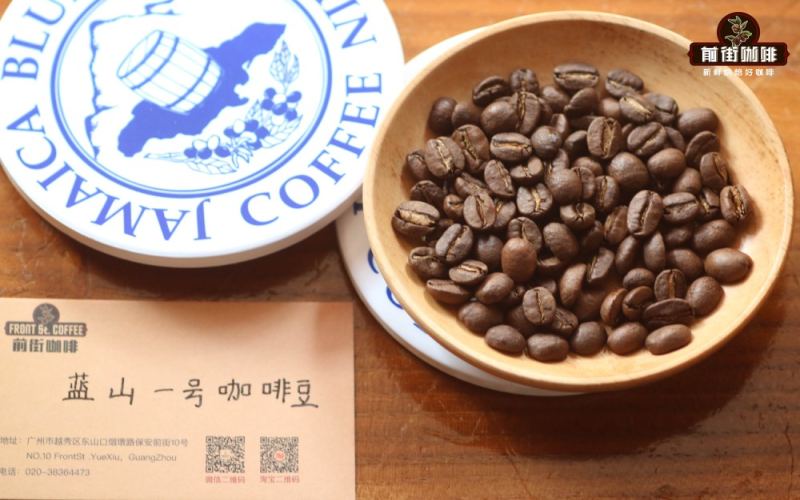
The Complete Guide to Jamaican Blue Mountain No. 1 Coffee: Origin, Grading & Pour Over Flavor Profile
Jamaican Blue Mountain No. 1 coffee is hailed as one of the world’s premier specialty coffees, renowned for its delicate balance and rarity. This article delves into the history of the Blue Mountain growing region, its rigorous grading system, cultivation environment, processing methods, and offers practical pour over parameters along with a flavor comparison between two processing styles (natural and washed) — helping you uncover the unique allure of this legendary coffee. [more…]
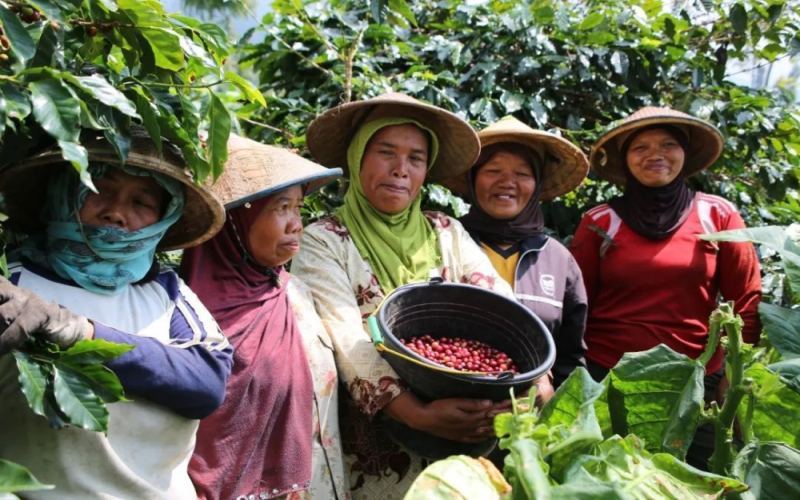
Unveiling the Flavor Profiles of Indonesia's Three Major Coffee Regions: A Deep Dive into Java, Sumatra, and Sulawesi
As a globally significant coffee-producing country, Indonesia boasts three major island regions—Java, Sumatra, and Sulawesi—each with unique geographical environments and processing methods that create distinctly different specialty coffees. This article delves into the varietal selections, processing techniques, and flavor profiles of these three regions, helping you choose the Indonesian coffee that best suits your taste and uncovering the secrets behind the wet-hulled process that defines the classic Mandheling. [more…]
Introduction to Nicaragua’s Specialty Coffee Regions: Flavor Analysis and Brewing Recommendations for Jinotega and Nueva Segovia
After enduring political turbulence, Nicaragua’s coffee industry is now led by private players, with high-altitude regions such as Jinotega and Nueva Segovia at its core, producing specialty coffees with unique flavor profiles. This article delves into the characteristics of the country’s major coffee regions, their flavor profiles, ideal roast levels, and offers practical bean selection and brewing references to help you better appreciate the charm of this rising force in Central American coffee. [more…]
A Complete Guide to Ethiopian Banko Gotiti Gesha Village Natural Gesha Beans | Flavor Analysis & Brewing Parameters
Dive deep into Ethiopia’s Banko Gotiti region, uncovering the origins of Gesha Village Estate, varietal grading, and its unique natural processing method. This article details how altitude and microclimate in the region influence flavor, introduces the characteristics of the Gesha 1931 variety, compares it with Panamanian Gesha, and offers practical pour over recommendations to help you master brewing this popular specialty coffee. [more…]
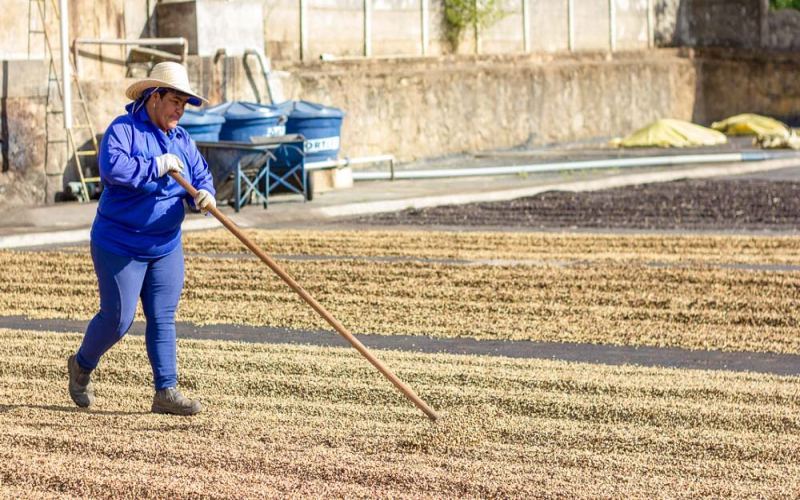
A Comprehensive Guide to Green Coffee Processing Methods: How Washed, Honey, and Natural Processes Affect Flavor?
The flavor of coffee is interconnected—from bean selection and terroir to processing techniques. Among these, the green coffee processing method is one of the most critical factors influencing the final cup profile. This article takes an in-depth look at the three mainstream processing methods: washed, honey (semi-washed), and natural. We break down each step of the process and explore the resulting flavor differences, helping you understand why the same coffee variety can taste drastically different under varying processing methods. Classic representative regions and coffee varieties are also included for reference. [more…]

Complete Guide to Pour Over Brewing with Ethiopian Yirgacheffe Washed Beans: Processing Method Breakdown, Flavor Characteristics, and Brewing Parameters
Want to deeply understand the charm of Ethiopian Yirgacheffe washed beans? This article starts with the origins of the washed processing method, detailing how its six standard steps create its bright acidity and clean taste. It also fully introduces practical pour over techniques including grind size, water temperature, coffee-to-water ratio, and pouring methods—guiding you step-by-step to recreate its layered, classic flavors. [more…]
A Beginner's Guide to Pour Over Coffee Pods: Top 10 Specialty Beans & Brewing & Storage Tips
Pour over coffee pods are the ultimate coffee savior for busy lifestyles, allowing you to enjoy the flavor of pour over coffee without specialized equipment. This article features ten carefully selected specialty pour over pods from diverse growing regions. It delves into the unique profiles of beans such as Yunnan Typica and Yirgacheffe Red Cherry, while also providing professional-grade brewing parameters and storage advice to help you quickly level up from a beginner to a pour over pod expert. [more…]
Analysis of Flavors in Colombia’s Four Major Regions & Pour Over Guide for Washed Caturra Everyday Bean
Colombian coffee is often overshadowed by innovative processing methods that mask its true character. This article takes you on a journey through carefully selected southern regions—Huila, Cauca, Nariño, and Tolima—to explore local altitudes, microclimates, and varietal traits. We also analyze how washed processing highlights clean acidity and pure fruit notes. Additionally, we provide cupping notes and V60 pour over recommendations for washed Caturra, teaching you how to savor the authentic profile of these regions on a reasonable budget. [more…]
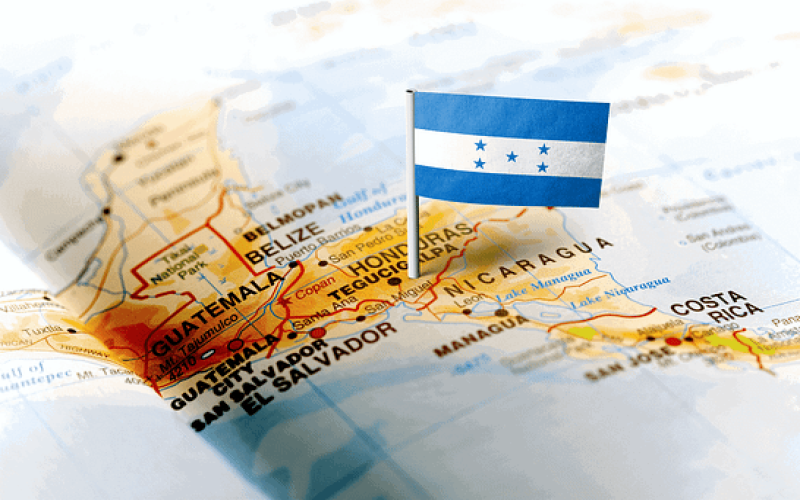
Honduras Washed Coffee Pour Over Guide: Regional Characteristics & Precise Extraction Parameters
As an emerging star in Central America, Honduras is renowned for its washed Arabica beans that feature layered floral and fruity aromas with a nutty, chocolatey finish. This guide delves into the microclimate differences across six core regions including San Juan, providing a comprehensive bean selection reference from altitude grading to defect standards. Through tested grind size, water temperature, and pulse pouring techniques, it helps you master the key pour over skills to highlight bright acidity and a rich body. [more…]
Honduras Sherry Whisky Barrel-Fermented Beans Pour Over Guide: Flavor Profile & Optimal Extraction Parameters
Want to replicate a richly wine-aromatic pour over coffee at home? These coffee beans from Honduras’ Mocha Estate, processed through whisky sherry barrel fermentation, deliver unique fermented aromas and a creamy texture. This article delves into the characteristics of the Honduran coffee-growing region, the principles of barrel fermentation, and provides professional-grade pour over parameters and flavor notes to help you precisely extract a specialty coffee with balanced wine notes and sweetness. [more…]
Costa Rica Tarrazú Diamond Mountain Estate Honey Process Beans: Flavor Profile & Brewing Recommendations
The Diamond Mountain Estate in Costa Rica’s Tarrazú region combines high-altitude Red Catuai beans with honey processing to craft a classic coffee with distinct flavor layers. This article delves into its geographical environment and processing techniques, while guiding you through the bean’s unique aromas, taste characteristics, and ideal brewing parameters — offering valuable insights for specialty coffee enthusiasts on selection and preparation. [more…]
A Complete Guide to Yunnan Small-Bean Coffee Varieties: Differences Between Catimor and Typica, Flavor Profiles & Bean Selection Tips
Do you know which Arabica variety Yunnan small-bean coffee mainly refers to? This article takes you in-depth to explore the differences between the mainstream Catimor variety widely grown in Yunnan and the minority-preserved Typica. From historical evolution, varietal genetics, processing methods to flavor performance, we analyze the actual differences between the two in cupping, and share practical advice on choosing Yunnan daily-drinking beans and specialty beans to help you better understand the potential and unique characteristics of Yunnan coffee. [more…]
The Evolution of Yunnan Small-Bean Coffee Varieties: A Century of Change from Typica Origins to Catimor Dominance
Did you know that Yunnan small-bean coffee is actually part of the Arabica family? This article delves into the cultivation history and major variety evolution of Yunnan coffee—from the early Typica to today’s dominant Catimor—explaining their genetic makeup, washed processing methods, and flavor characteristics. Learn why Catimor has become mainstream, yet is often considered to have more ordinary flavors, and how appropriate processing methods can unlock the potential of Yunnan coffee. [more…]
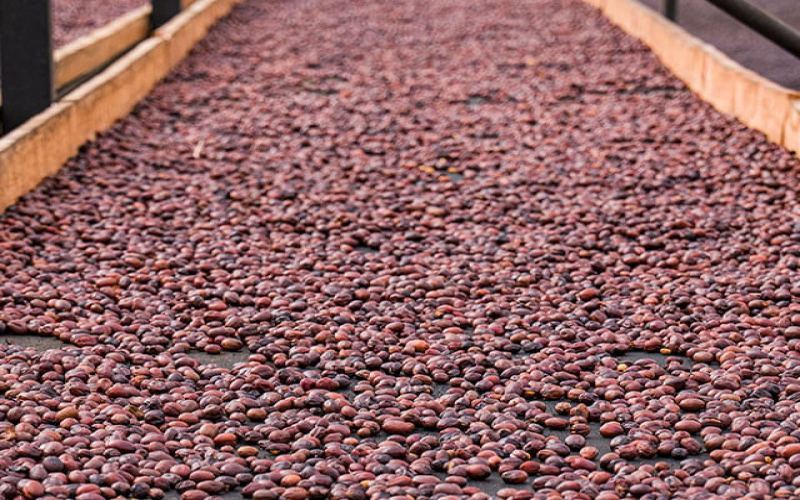
Are Colombian Supremo coffee beans specialty beans? A complete guide to grading and regions
Colombian coffee is renowned for its consistent flavor profiles and diverse growing regions. The Supremo grade is often mistakenly regarded as synonymous with specialty coffee. This article delves into Colombia’s coffee grading system, clarifying the actual differences between Supremo and Excelso, and takes you on a journey through unique micro-regions such as Cauca, Huila, and Nariño. Whether you're just starting to explore single-origin coffees or looking for everyday beans, you'll gain practical knowledge to make informed choices. [more…]

How to Blend Colombian and Brazilian Coffee Beans? Analysis of Three Classic Blends and Their Flavor Profiles
Learn how to achieve the best harmonic effect with coffee beans from regions such as Colombia and Brazil through scientific blending. This article delves into the technical differences between green blending and roasted blending, the application logic of single-origin and blended beans, and provides a hands-on breakdown of three classic espresso blends — from ratio setting to roasting parameters — to help you master professional-grade flavor blending techniques. [more…]