







Introduction:The flavor of coffee is interconnected from seed selection, growing environment, to processing methods. Among these, the green bean processing method is one of the key factors influencing the final flavor. This article delves into the three mainstream processing methods—washed, honey, and natural (sun-dried)—breaking down their process steps and actual flavor differences. It helps you understand why the same coffee variety can taste completely different under different processing methods, and includes classic representative regions and beans for reference.
In the world of specialty coffee, the final flavor profile of a cup of coffee is often predetermined during the green bean processing stage. Whether it’s the brightness of acidity, the richness of sweetness, or the length of aftertaste, much of it is closely tied to the processing technique. Washed, honey, and natural (drying) methods are the three most common processing methods globally, each with its own unique processing logic and flavor characteristics.
This article will detail the operational procedures, technical specifics of these three processing methods, and analyze their actual impact on coffee flavor, helping coffee enthusiasts better grasp the potential performance of beans when selecting or brewing. The article also pairs classic regions and representative beans as practical flavor references.
Honey Process (also known as Pulped Natural)
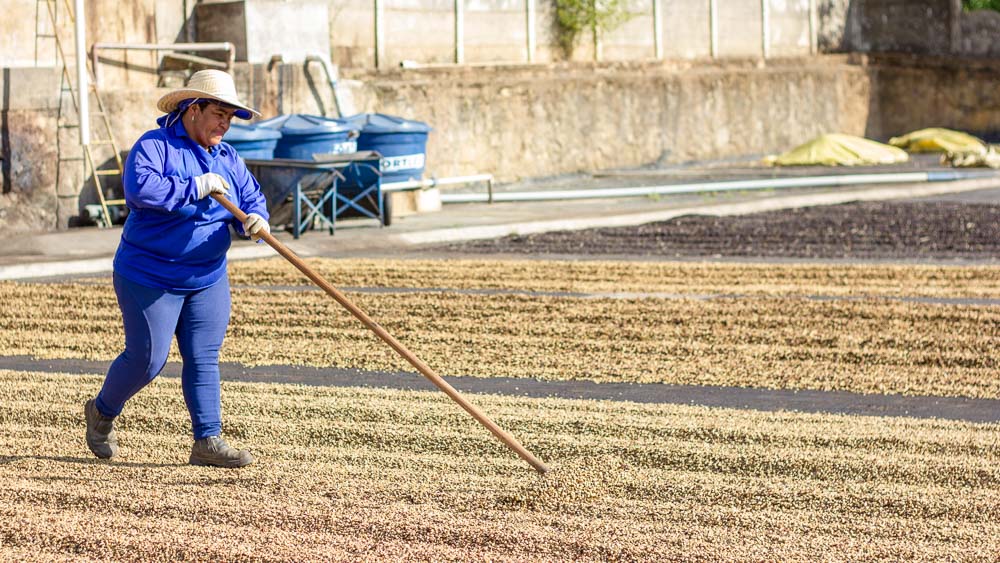
The honey process is a hybrid processing method that combines elements of both washed and natural techniques. Though not as widely used as traditional washed or natural methods, it is still employed in certain regions such as Brazil and Indonesia. This method involves first removing the outer skin and part of the fruit pulp from the coffee cherry, butunlike the washed method, it does not completely remove the sticky mucilage layer. Instead, the coffee beans, still coated with some mucilage, go directly into the sun-drying phase.
Because the mucilage remains attached to the bean surface and interacts with the bean itself during drying, honey-processed coffee often exhibitsa flavor profile that lies between the clarity of washed coffee and the intensity of natural coffee. Its acidity is relatively mild, sweetness is pronounced, aromas are rich but with gentler impact, resulting in an overall balanced and layered cup. However, due to the longer drying time and higher requirements for weather and environmental control, production is limited, mainly concentrated in specific microclimatic regions.
Representative regions include Brazil’s Cerrado and Indonesia’s Mandheling, where honey-processed beans often showcase low acidity, full body, and flavors reminiscent of chocolate or nuts.
Washed Method
The washed method is currently the most widely used processing technique globally and is also the one that best highlights the “cleanliness” and “brightness of acidity” of coffee. It is commonly found in Central and South American countries such as Colombia, Guatemala, and Mexico. This method emphasizes completely removing the outer skin and flesh of the coffee cherry before using a fermentation process to eliminate the sticky mucilage layer attached to the bean surface, followed by drying.
In the processing flow, harvested coffee cherries first undergo flotation, where water buoyancy is used to separate underripe or overripe fruits, ensuring only high-density, quality beans proceed to the next stage. Then the outer skin and flesh are removed, and the remaining mucilage-covered beans are soaked in fermentation tanks for several hours to a day, where microbial action breaks down the mucilage. After fermentation, the beans are thoroughly rinsed with clean water, then dried either in the sun or by mechanical means. Finally, a hulling machine removes the final silver skin layer, completing the grading process.
The advantage of the washed method lies in its ability to producecoffee with bright acidity, clean taste, and high flavor consistency. However, because the fermentation process is quite sensitive, improper control of time or temperature can easily lead to off-flavors or overly sharp acidity. Figure shows the flotation and fermentation stages of washed processing.
Natural Method (also known as Dry Method)
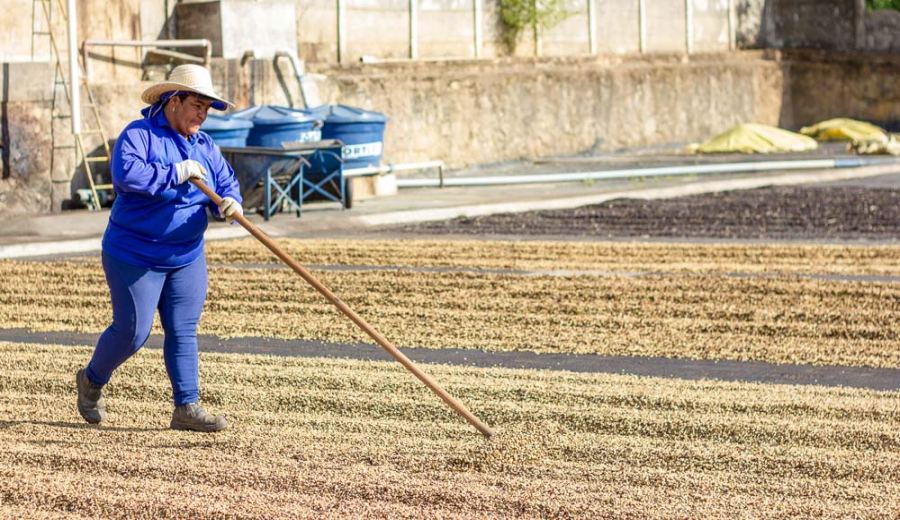
The natural method is the most traditional coffee processing approach and is still widely used in regions such as Brazil, Ethiopia, and Yemen, especially in areas with dry climates and abundant sunshine. This method involves spreading the whole coffee cherry, still in its husk, directly onto drying beds to dry naturally, usually taking about two weeks. The cherries must be turned daily to prevent mold or uneven drying.
Since the entire bean remains wrapped in its fruit flesh and mucilage during the drying process, sugars and flavor compounds gradually seep into the bean, giving natural-processed coffeea richer sweetness, more pronounced fruit notes, though with relatively softer acidity, and an overall more varied flavor profile. However, this method is highly dependent on weather conditions. In rainy seasons or high humidity, it is prone to abnormal fermentation, mold, or contamination risks, thus requiring stricter quality control.
Common representative beans of the natural method include Ethiopia’s Yirgacheffe, Brazil’s Santa Rosa, and some specially processed high-altitude beans. These beans often exhibit complex flavors such as blueberry, berries, honey, and even wine-like notes.
Whether washed, honey, or natural, each processing method reflects the terroir and processing wisdom of its origin. From bean size, density, defect rate to the final green bean grade, all are inseparably linked to the processing technique. Professional coffee evaluators and consumers can often sense the traces of origin, altitude, and the craftsmanship of the processor through these details.
For example, a washed coffee from Cajamarca, Peru, grown at altitudes of 1800–2000 meters by the Cooperativa solar, includes varieties such as Typica, Caturra, Bourbon, and Catuai. After washed processing, it often presents nutty, caramel, and creamy flavor notes—a typical expression of high-altitude washed beans.
The above content is compiled by CoffeeHunters, a coffee news website.


